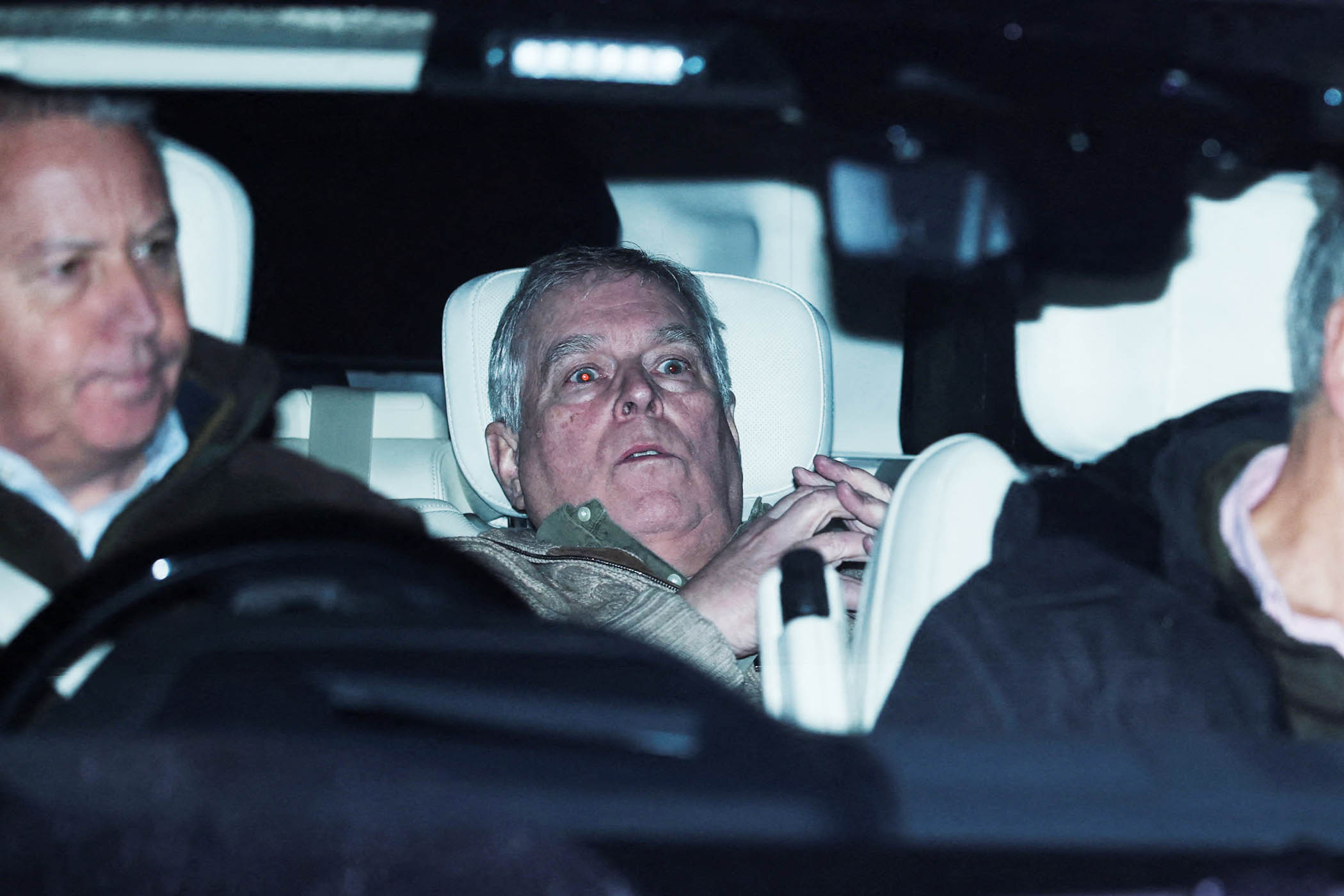
Britain crossed a Rubicon in its relationship with the royals this week. Support in the polls was already falling, a generational gap between royalists and republicans widening. The prolonged saga of the Andrew scandal, coupled with the confected outrage directed at Harry and Meghan had been chipping away at support for the monarchy for years.
So much of that support revolved around the queen. For many, Queen Elizabeth was the monarchy, the monarchy was the queen. Crises and scandal hit the royals, but Elizabeth appeared able to deflect most criticism away from herself and therefore the institution. Just three years later and the palace is facing its worst crisis since the 1936 abdication of Edward VIII.
There’s always been an implicit trust, a contract between people and palace. Not so much a noble understanding but a sense of indifference on the part of the public, a willingness to turn a blind eye to royal excess as long as the members of the royal family at least appear to be doing something useful. The monarchy has been protected by three widely believed myths: it is harmless, popular and profitable.
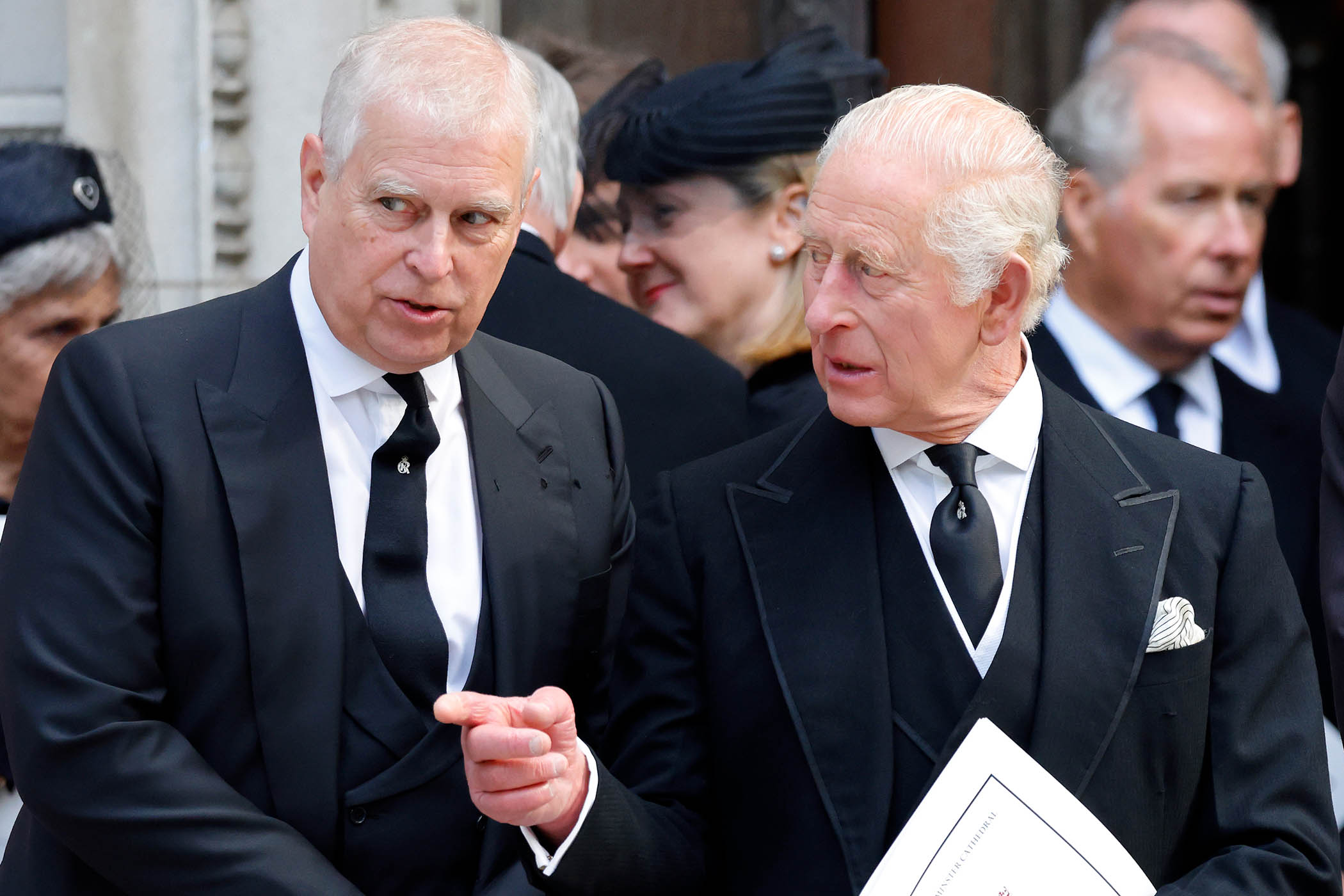
Yet that trust has been blown apart by scandals that continue to raise serious questions not just for Andrew but for Charles and William, as well as the police, civil servants and politicians who have surrounded them all these years. Andrew continues to deny any wrongdoing, but if any of the allegations prove true it begs the question: were any senior members of the royal family aware?
So far, the near silence from Charles and William is deafening. Two brief statements that do nothing other than state the blindingly obvious – that the police should do their job and justice should prevail – simply cannot do. It is telling that some of the most conservative royalist commentators are demanding the royals speak up. What Charles and William need to do is what no royal has ever done: face the cameras, face the journalists, make a full and clear statement and take questions without preparation, without forewarning and without deference.
The real issue now isn’t so much whether the monarchy can survive, but whether it should. The simple answer is no
The real issue now isn’t so much whether the monarchy can survive, but whether it should. The simple answer is no
Charles must make absolutely clear the police should follow the evidence, even if it leads to his own door. That all records and files the royals have habitually hidden away will now be open not just to the police but the politicians, journalists and the wider public.
Continued silence will only further damage the royals, raising more questions about who knew what when and, if Andrew is found guilty, what they did to cover up and protect him and why they didn’t act sooner on information received.
But the truth is that if they do open up their files and their records and answer questions the danger is far greater.
The monarchy is one of the most secretive institutions in the country: it has to be in order to survive. Monarchy everywhere is by its nature corrupt and self-serving. It does not serve the interest of the many but the interest of itself. As with any institution, as with any person, secrecy and the lack of accountability lead to misuse of public money, abuse of public office and a long habit of keeping things secret to hide misdeeds.
The real issue now isn’t so much whether the monarchy can survive, but whether it should. The simple answer is no. Some royalists have suggested that Andrew’s arrest is a sign of the monarchy working. They have pointed to the US, where no one is facing consequences for the Epstein scandal.
Newsletters
Choose the newsletters you want to receive
View more
For information about how The Observer protects your data, read our Privacy Policy
They say that light is the best disinfectant, that transparency is a solution to corruption. But that transparency achieves nothing if there aren’t simple measures that allow us to choose and replace those in high office. It means nothing if we can see wrongdoing but cannot take action to address it.
This is the simplicity of democracy and a democratic republic as an alternative to monarchy. The proposition from British republicans is not to emulate the US but to look closer to home to create a genuinely British parliamentary republic in which we still have a prime minister, a fully elected parliament and an elected head of state with limited reserve powers and a role to act as ambassador for the country at home and aboard. It works in Ireland, Iceland, Germany and many other nations around Europe.
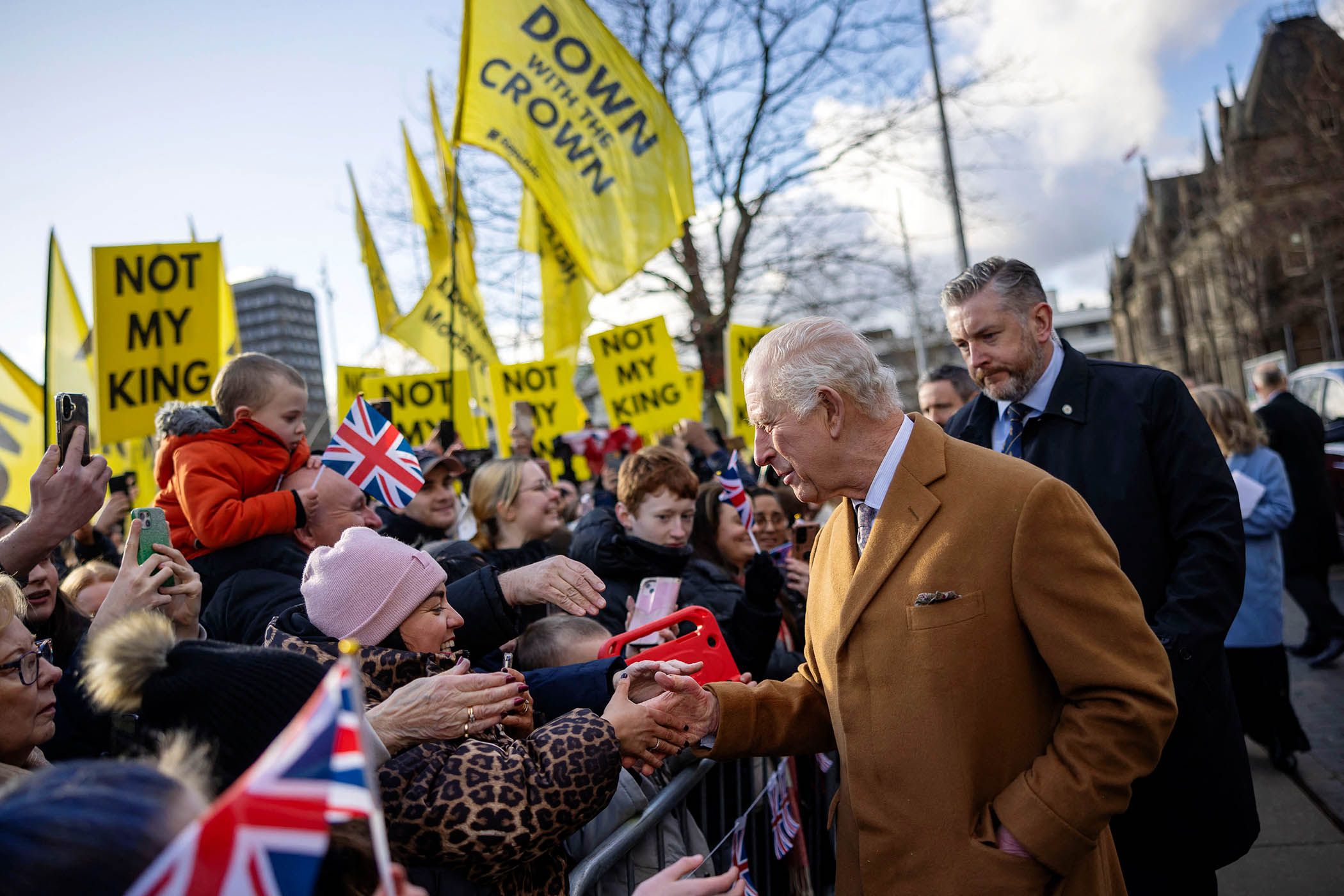
Opinion polls show that support for the monarchy is collapsing. There is a huge chasm between those aged over 60 and those aged below 50. Younger generations are increasingly hostile to the royals and to the monarchy, and there is evidence that people are not becoming more conservative or more likely to support the royals as they get older. There is a generational time bomb that’s going to see support for the monarchy continue to decline over the next two decades.
We must continue to demand answers from the royals, to keep the pressure up, to ensure consequences for anyone guilty of serious offences. We must also start to talk about a post-monarchy Britain. That is a Britain that will be served well by a new democratic settlement in which we choose all of our parliamentarians and our head of state. A republic in which the rules are clear and laid down, a republic that rebalances power between government, parliament and people.
The monarchy’s failure is a challenge for all of us to look for something better, a new way of doing politics that lives up to our most cherished values and delivers on our hopes for a more equal society. The scandals we’re seeing in the news this week are scandals of the elite. It is up to the people to take this opportunity and change the country for good.
Graham Smith is the author of Abolish the Monarchy: Why we Should and How we Will
Photograph by James Glossop/Pool/AFP via Getty Images