

This article first appeared as part of the Daily Sensemaker newsletter – one story a day to make sense of the world. To receive it in your inbox, featuring content exclusive to the newsletter, sign up for free here.
Iran and Israel have announced that they have paused strikes on each other, after their first exchange of fire since a ceasefire came into effect in April.
So what? This truce looks perilously close to unravelling. Israeli jets hit Iran in response to a salvo of missiles fired on Sunday night and Monday morning. The hostilities were sparked by Israel’s offensive against Iran’s proxy Hezbollah in Lebanon, an operation that
•
escalated with strikes against southern Beirut on Sunday;
•
is straining Benjamin Netanyahu’s relationship with Donald Trump; and
•
threatens to derail peace talks between Iran and the US.
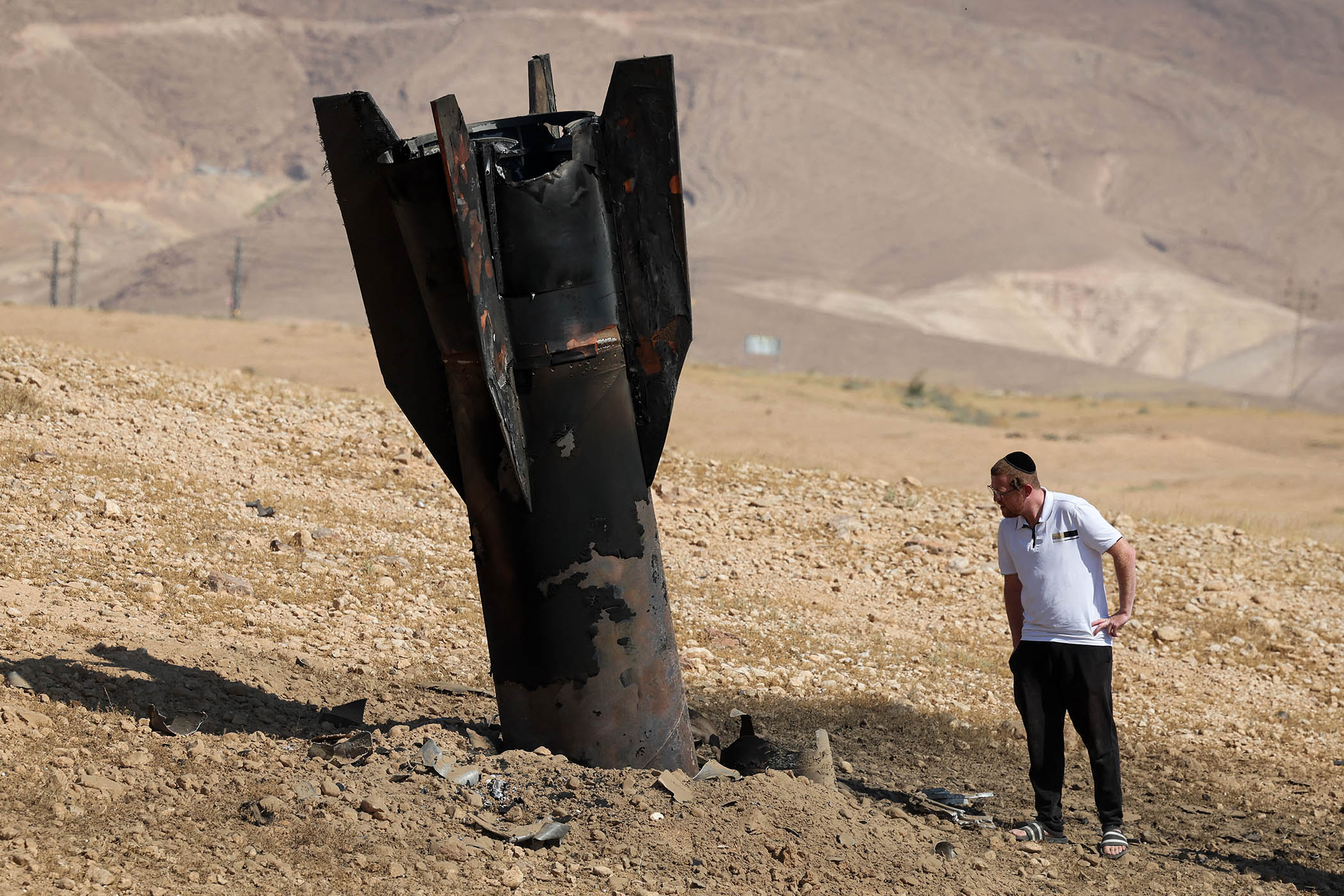
Tit-for-tat. Iran fired 30 ballistic missiles at Israel, according to the Israeli military, which said most were intercepted. Yemen’s Houthi rebels also launched two missiles. Despite an appeal from Trump not to retaliate, Israel hit back with strikes on military and industrial targets in Iran.
Poles apart. This won’t help mend bridges between Netanyahu and Trump. In a phone call last week the US president reportedly called his Israeli counterpart “fucking crazy” and told him that “everybody hates Israel” because of its operation in Lebanon.
In a corner. Trump has grown increasingly frustrated with a leader he has, until recently, hailed as a model ally. With midterms looming and his approval rating low, Donald Trump needs a peace deal with Iran that he can sell as a win. This is something Netanyahu isn’t helping with.
Strategic depth. Israel’s operation is aimed at creating a security buffer in southern Lebanon, like the one it has in Gaza. Israel has issued evacuation orders for villages, towns and cities across vast swathes of the country, displacing 1.2m people and pushing further into Lebanon than at any point since its previous occupation between 1982 and 2000.
No war, no peace. A ceasefire was agreed between Israel and Lebanon in April and then extended in May. The two nations agreed to another truce last week.
The catch. Israel is not at war with Lebanon. It is fighting Hezbollah.
Hold out. The paramilitary group has refused to stop fighting while Israel occupies Lebanese soil, rejecting the talks as “humiliating”. This scuppered the deal. It was contingent on Hezbollah pulling back from border areas and ceasing its attacks, but did not require similar concessions from Israel.
Red line. Iran insists that the ceasefire with the US and Israel includes Lebanon. Until Sunday Iran had refrained from responding to Israel’s push into the south of Lebanon but had warned Israel against attacking southern Beirut, a traditional Hezbollah heartland.
Keeping up appearances. Had Iran failed to respond to Israel’s strikes on Beirut, this would have harmed its credibility with Hezbollah’s Shia base, which has paid a heavy price in the conflict. It is also hoping to exploit growing rifts in the US-Israeli relationship.
And breathe. The region, particularly Gulf states, is now hoping the strikes do not escalate further and reignite the Iran war. Both sides have now declared a halt to hostilities, with Trump claiming that they want “an immediate ceasefire”.
An important caveat. Iran has warned it will respond with strikes “more severe and forceful than before” if Israel continues its operations, “including in southern Lebanon”.
What more… Netanyahu has given no indication he will pull Israeli troops out of this area. He is facing an election, and the offensive is popular with voters, especially in northern Israel.
Photograph by AP Photo
Newsletters
Choose the newsletters you want to receive
View more
For information about how The Observer protects your data, read our Privacy Policy