
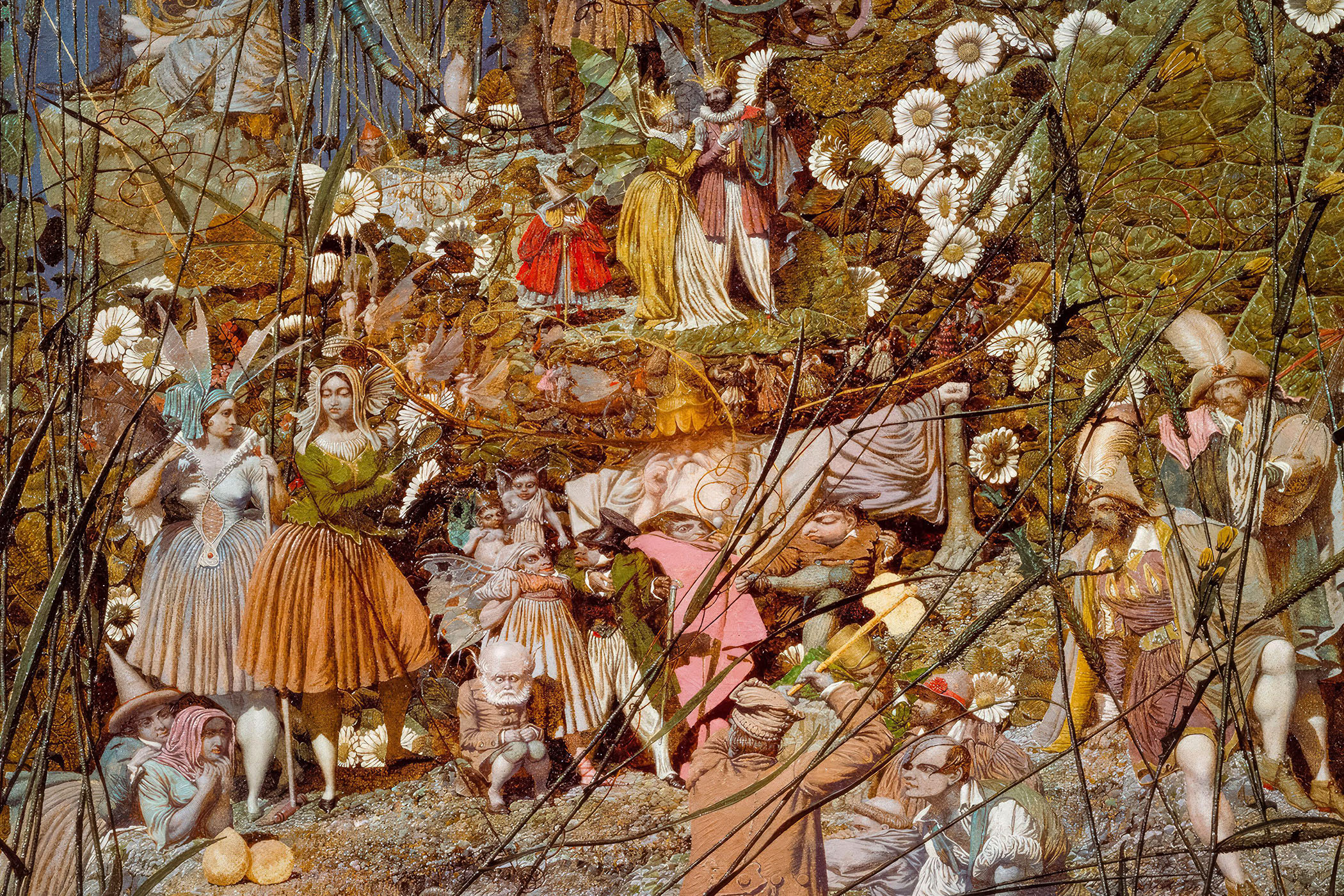

Alan Allport began Britain at Bay, the first volume of his history of Britain’s second world war, with a discussion of the “Shire Folk” myth. This sees the British identifying with the hobbits in Tolkien’s The Lord of the Rings: good-natured, peaceful, perhaps naive sorts who, when put to the test, find themselves capable of remarkable fortitude and pluck.
In fact, Allport writes, “the British people who fought and defeated Hitler from 1939 to 1945 were not nearly as innocent as hobbits. Nor as unprepared for the viciousness of total war. Nor anything like as nice.” In both that book and this, its companion volume, which covers the war from 1942 to its end, Allport gives a panoramic account of the conflict at every level and location, from a lance corporal confronting a spider “the size of a soup plate” in the Burmese jungle, and the despair and weariness of a shop assistant in Dewsbury, to a half-drunk Churchill and Stalin, confident of victory, divvying up postwar Europe in a late-night session at the Kremlin.
Allport can do the political, social and battlefield stuff all equally well. Additionally, and invaluably, he knows not to drown the reader in stats, deploying them to support, not supplant, the story he’s telling. And he’s unusually quotable for a historian. The talented, infuriatingly conceited “bullshitter” Field Marshal Montgomery was “a basket case of neuroses”. The bombing war was “an act of intensely militarised liberal-capitalist globalisation”. On the home front, by 1945, “everyone was sick of Keeping Calm and Carrying On”.
The book begins with a gloomy dinner at Chequers being interrupted by news of the Japanese attack on Pearl Harbor. By pulling the United States into the war as a combatant, rather than merely Britain’s quartermaster, this event spelled eventual doom for the Axis powers. But the Pacific war went very badly at first, and Malaya, Singapore, Borneo and Burma all fell due to inept British strategy.
Allport points out that the British people went to war not because they were attacked but because they thought it was the right thing to do
Allport points out that the British people went to war not because they were attacked but because they thought it was the right thing to do
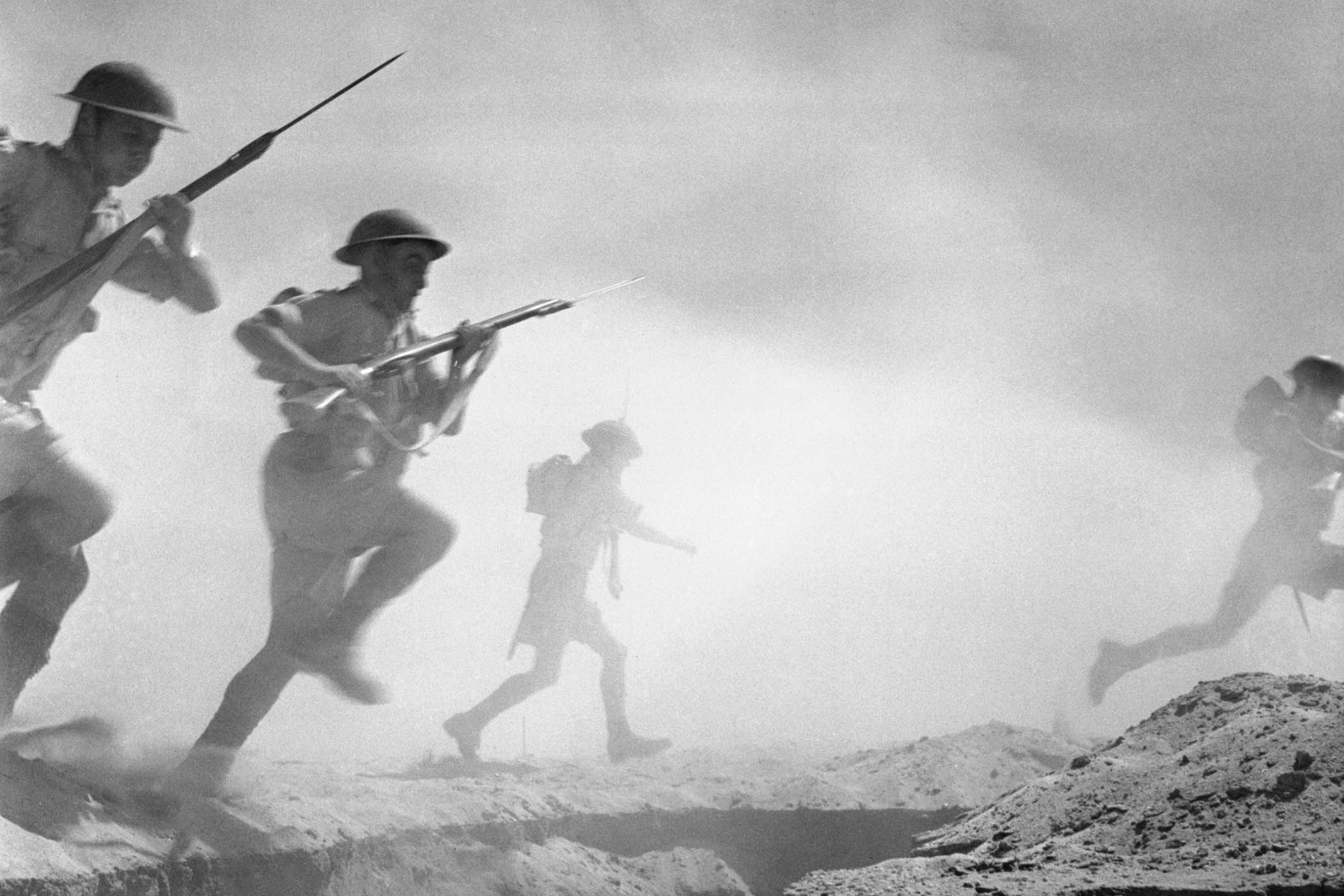
The war’s turning point came with the second battle of El Alamein. By 1943, it was “increasingly obvious” the Allies would win. But alongside that realisation came one about Britain’s future: if finishing the war took too long (anything after 1944 would be disastrous) the empire, Britain’s prosperity, and its relevance in the postwar world would degrade at an accelerated rate. Spoiler: the bet was lost.
At Tehran in 1943, Churchill, evaluating Britain’s power relative to that of the US and USSR, remarked: “What a small nation we are!” But Allport rejects Britain’s decline as being solely a consequence of the war: “It had been going on since at least the 1870s, it had systemic causes that had nothing to do with the war, and it would have carried on at some pace or other whether there had been a war or not.”
Allport is happiest when demolishing received wisdom. “Yet” is his favourite conjunction: “Yet [Neville] Chamberlain’s views have generally been misunderstood”; “Yet [the RAF’s Arthur] Harris’s supposed refusal to attack oil plants that winter has been much exaggerated by his critics” etc. His most frequently employed manoeuvre, though, is to state a position, debunk it, and then allow that, at root, it might be at least partly right. Judiciousness is no flaw, particularly in a historian, but this pattern of argument does come to feel overused.
Allport points out that the British people – and perforce its imperial subjects – went to war not because they were attacked but because they thought it was the right thing to do. Nevertheless, this is no jingoistic account. “Actually,” he writes, “Britain won the second world war not because its people were plucky and hobbit-like, but because they proved to be very good at the cold-blooded application of immense state-directed violence. It is understandable that they have never really wanted to dwell too much upon this.” At a time of national re-evaluation, with various strains of Britishness being claimed for us, or forced on us, it’s salutary to have the truth extracted from the myth.
Advance Britannia: How the Second World War Was Won, 1942-1945 by Alan Allport is published by Profile (£14.99). Order a copy from The Observer Shop for £13.49 (10% off RRP). Delivery charges may apply
Photograph by Imperial War Museums/Getty Images
Newsletters
Choose the newsletters you want to receive
View more
For information about how The Observer protects your data, read our Privacy Policy