
This article first appeared as part of the Boardroom Sensemaker newsletter – The Observer’s weekly newsletter for the board chairs, directors and executives in charge of Britain’s biggest businesses. To receive it in your inbox, featuring content exclusive to the newsletter, sign up here.
Median pay for FTSE 100 chief executives hit £5.05m last year, up 8.6% on the previous year and roughly 130 times the salary of the average worker, according to a report this week from the High Pay Centre.
So what? That’s a long, long way from
•
the 10:1 pay ratio the Green Party leader Zack Polanski wants to see for CEOs vs their lowest paid workers in the UK; but also shy of
•
the 285:1 average pay ratio for companies on the S&P 500 in 2025; and
•
the 475:1 ratio for the top 100 US companies (a gap which expanded 36.5% this year due to the bulging bonuses of tech CEOs).
But this is not comparing apples with apples. US CEO pay is weighted towards equity over cash and more dependent on hitting targets. In addition, US “say on pay” rules are advisory and non-binding, in contrast to the UK where decisions on executive remuneration must be put to regular shareholder votes. Still, in the last AGM season it feels like a more laissez-faire approach is taking hold in the UK.
The American ante up. David Cohen, a director at Farient Advisors, says that the largest incentive increases this season have been at global companies where the majority of revenue is generated in the US (such as AstraZeneca and GSK), while solely UK-focused firms have proposed the smallest increases. He notes that 92% of new remuneration policies this year have received shareholder approval above 80%, versus 86% last year. Firms where votes have passed comfortably include:
•
NatWest, HSBC and Barclays, which have won the “global competitiveness” argument and are all now making full use of bonuses since the bankers’ cap was removed in 2023, approving target-dependent pay packages for their CEOs of £6.6m, £6.6m, and £15m, respectively;
•
Unilever, where Fernando Fernandez will be in line for €18m in total pay this year if he hits the threshold for maximum performance; and
•
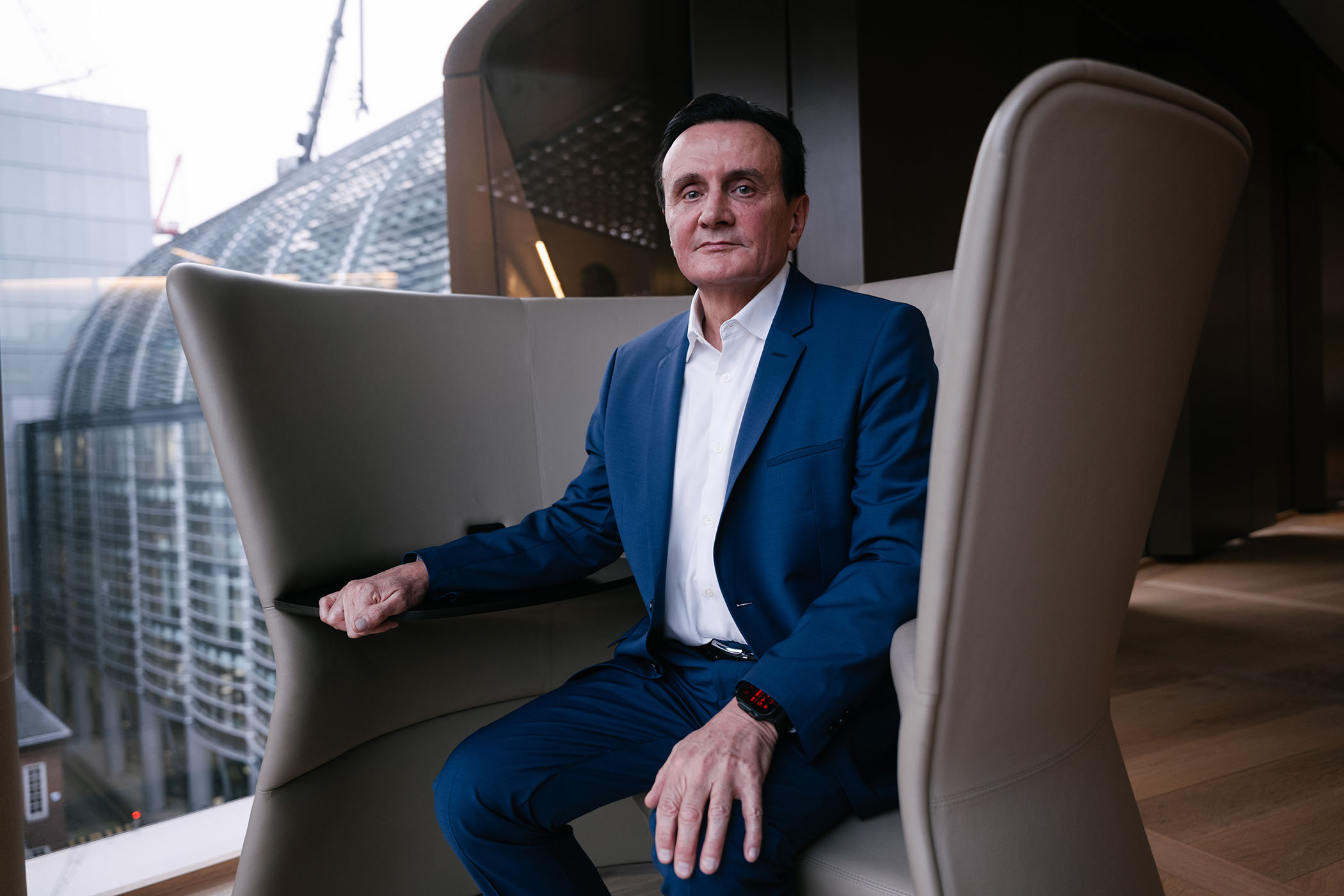
AstraZeneca, which paid its CEO Pascal Soirot £17.7m last year (the highest of any FTSE executive).
But it’s not all been plain sailing. New boss of WPP Cindy Rose nearly had an £11m pay package rejected in May, after influential proxy advisor firms urged a quarter of shareholders to vote against it. To realise the full amount she will need to boost the share price of the ailing ad company by 50%.
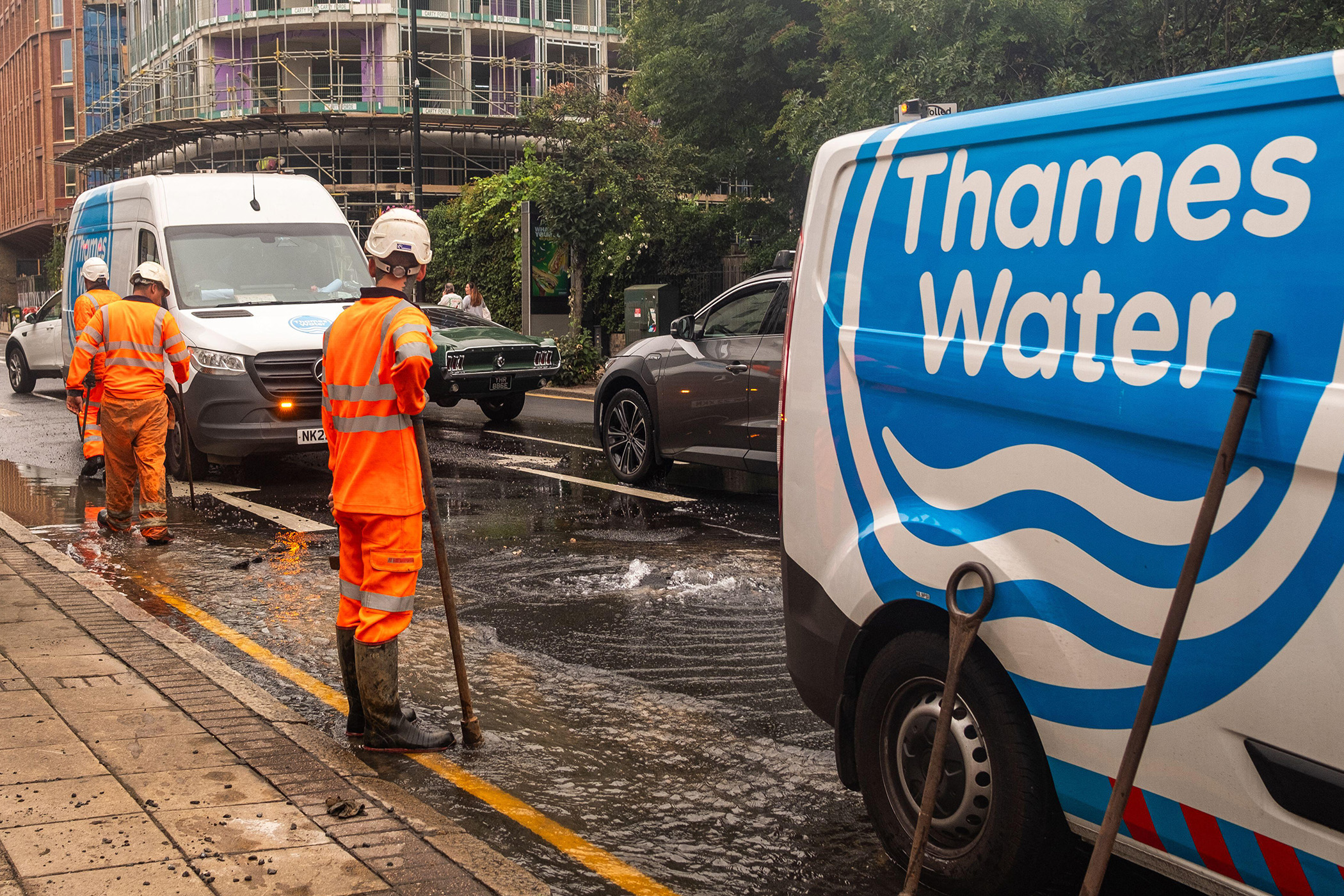
Flying blind. Boards face a genuine dilemma when it comes to pay decisions. On the one hand, they face a hit to their credibility if performance doesn’t match pay and it festers into a reputational sore (the UK water sector is a case in point for both). On the other, there’s the looming and hard-to-quantify threat of competition and bleeding talent.
“The CEOs running private equity businesses are literally earning 10 times what a CEO of a FTSE 100 company would earn,” argues one FTSE chair. “You’ve got to realise that the people running public companies are only paid that money because they’re creating genuine shareholder value, which brings taxes to the government and jobs to the country.”
The wrong yardstick? Asking which companies pay their CEOs the most in nominal terms is arguably fruitless. A better question might be: at which companies is higher CEO pay not resulting in better wages for workers? High Pay Centre data shows yawning pay ratios at
•
Tesco, which paid CEO Ken Murphy £10.8m last year;
•
Compass, the catering company which paid its CEO £10.5m at year; and
•
Next, which saw CEO Simon Wolfson’s pay hit £7.4m.
What’s more… The High Pay Centre, a thinktank founded in 2011 by Deborah Hargreaves, is closing this year after its key backer, the Abrdn Financial Fairness Trust, fired its trustees and withdrew its funding. It says the issues it has campaigned on “are more important now than ever.”
Newsletters
Choose the newsletters you want to receive
View more
For information about how The Observer protects your data, read our Privacy Policy
Photograph by Bloomberg via Getty Images