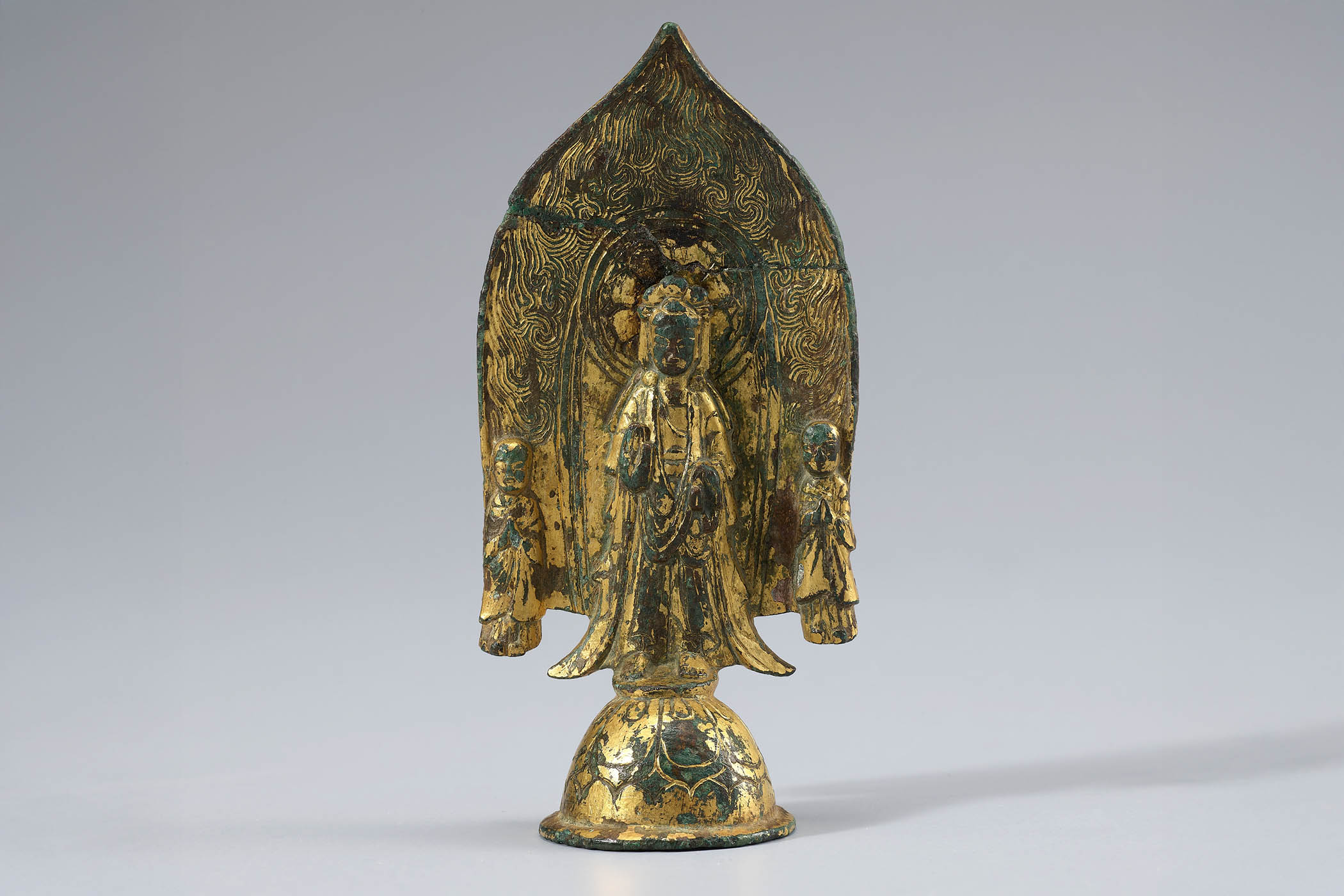



We tend to think of Korean hallyu – the cultural wave that takes in everything from K-Pop and Oscar-winning movies such as Parasite to a global passion for kimchi and Korean cosmetics – as a relatively recent phenomenon. But a new exhibition at the British Museum, opening this autumn and announced today, will showcase the first stirrings of that exuberant wave stretching back two millennia.
The exhibition will bring to Britain for the first time treasures from the unique collection of the late Samsung group chairman Lee Kun-Hee, and will be the first major show devoted to Korea’s art and history at the British Museum since the 1980s.
The collection was born out of South Korea’s self-determination in the aftermath of war. In the years when a newly independent Seoul was reinventing itself after Japanese rule and the ensuing peninsular conflict, two generations of the Lee family acquired artworks that dramatised the persistence of Korean creativity. Their collection included everything from bronze age implements and groundbreaking celadon ceramics to landscape painting and contemporary video art. In 2020, when Lee Kun-Hee died, having spent nearly seven years in a coma, his heirs donated the entire collection of 23,000 objects to the nation. A dedicated museum is being built in central Seoul to house the treasures, but before its scheduled completion in 2027 the highlights are being shipped to London.
Sang-ah Kim, the curator of the British Museum’s existing Korea collection, is facing the daunting and exciting task of finding themes that tell the collection’s story. “Although this covers a long period – 2,000 years of Korea’s creativity – there are certain patterns in the work including the expression of resilience and the kind of creative energy that we see in contemporary Korean culture,” she says. The Lee family’s aim, she suggests, was first “to preserve and sustain what remained of that heritage after decades of war and occupation” and then to repatriate important items that had left the country in that time.
Once the doors to the new museum in Seoul open, the collection is unlikely to be allowed to travel again, she says, particularly the 23 objects in the new exhibition that have been designated the most important national treasures.
She finds it difficult to pick just one or two highlights, but when pressed says she wants visitors “to have a really close look at a tiny Buddhist sculpture from the 5th century – it’s really tiny, like 10cm high, and gilt bronze, but it tells so many stories about how Koreans adopted Buddhism and adapted it in their own way. The skill with which they made this tiny sculpture with really sophisticated detail is so amazing.”
She would set the spirit of that little bodhisattva alongside video work by the pioneering South Korean artist Nam June Paik, who absorbed what was happening in western art in the 1960s to create a new pioneering technology-based practice – much as South Korean businesses such as Samsung and Hyundai sought to fast-track the best of western engineering and make it new.
Korea will run from 1 October 2026 to 31 January 2027 and tickets go on sale tomorrow, Monday 8 June. Later this year, The Observer will be offering subscribers 50% off tickets to the exhibition, one of many benefits of subscribing to The Observer and joining our Culture Club. Find out more at observer.co.uk/culture-club
Thank you for reading. Tell us what you think by writing to letters@observer.co.uk
Newsletters
Choose the newsletters you want to receive
View more
For information about how The Observer protects your data, read our Privacy Policy