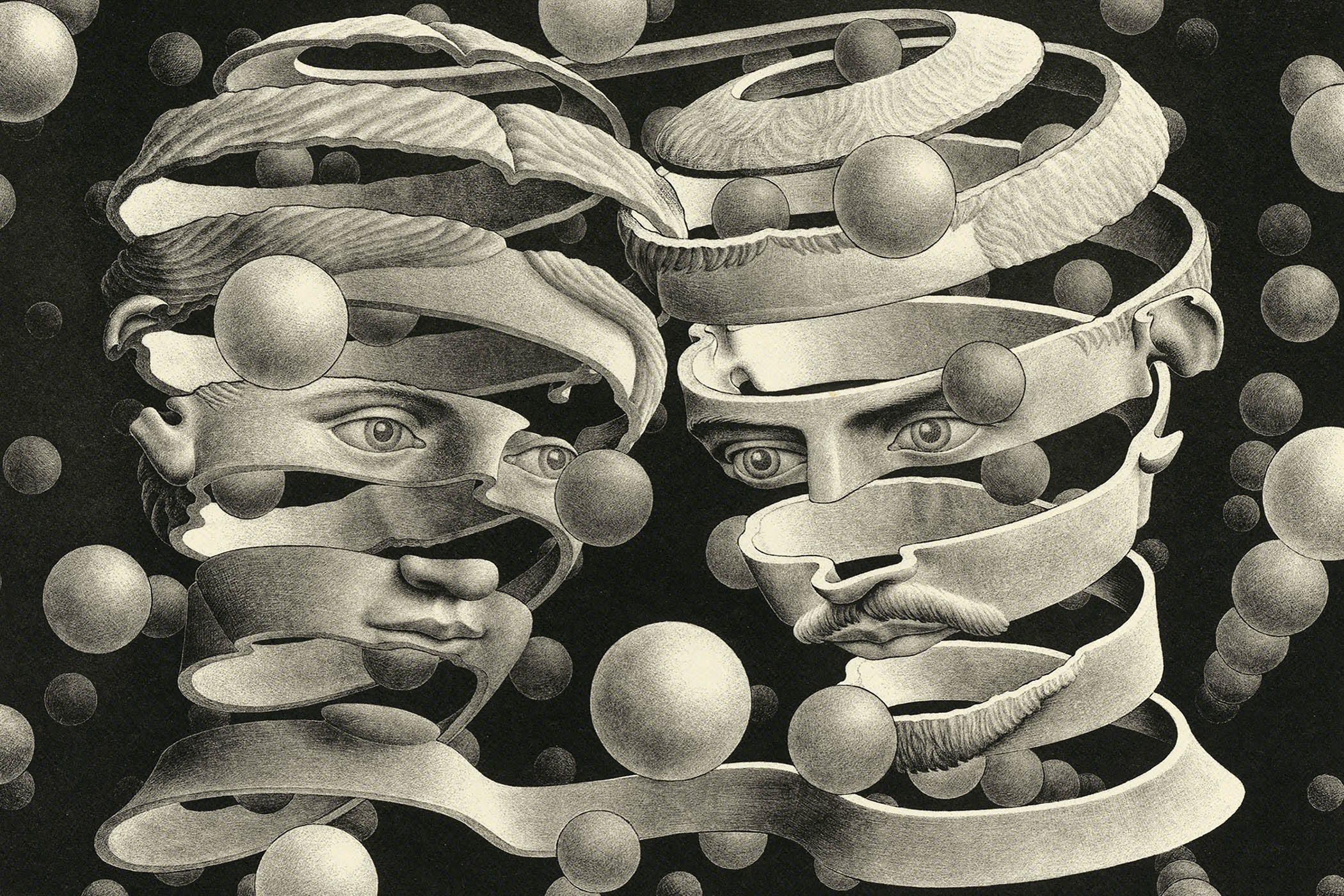

The Dutch artist MC Escher’s boundless, hallucinatory artworks – his endlessly weaving staircases, mind-boggling buildings and intricate tessellations – have become a part of the public imagination since his death in 1972, referenced over and over in pop culture (The Simpsons, Inception and Squid Game being just some examples). You can see why: maths and psychedelia sit alongside each other, with constructions that at first glance seem precise and almost photographic subverted by the artist’s penchant for optical illusion and the uncanny.
In a time where most graphic design is done via computers and AI, there is something compelling about knowing that such pieces were made from Escher’s own handmade cuts and engravings, unique works literally stamped by tools of his own making.
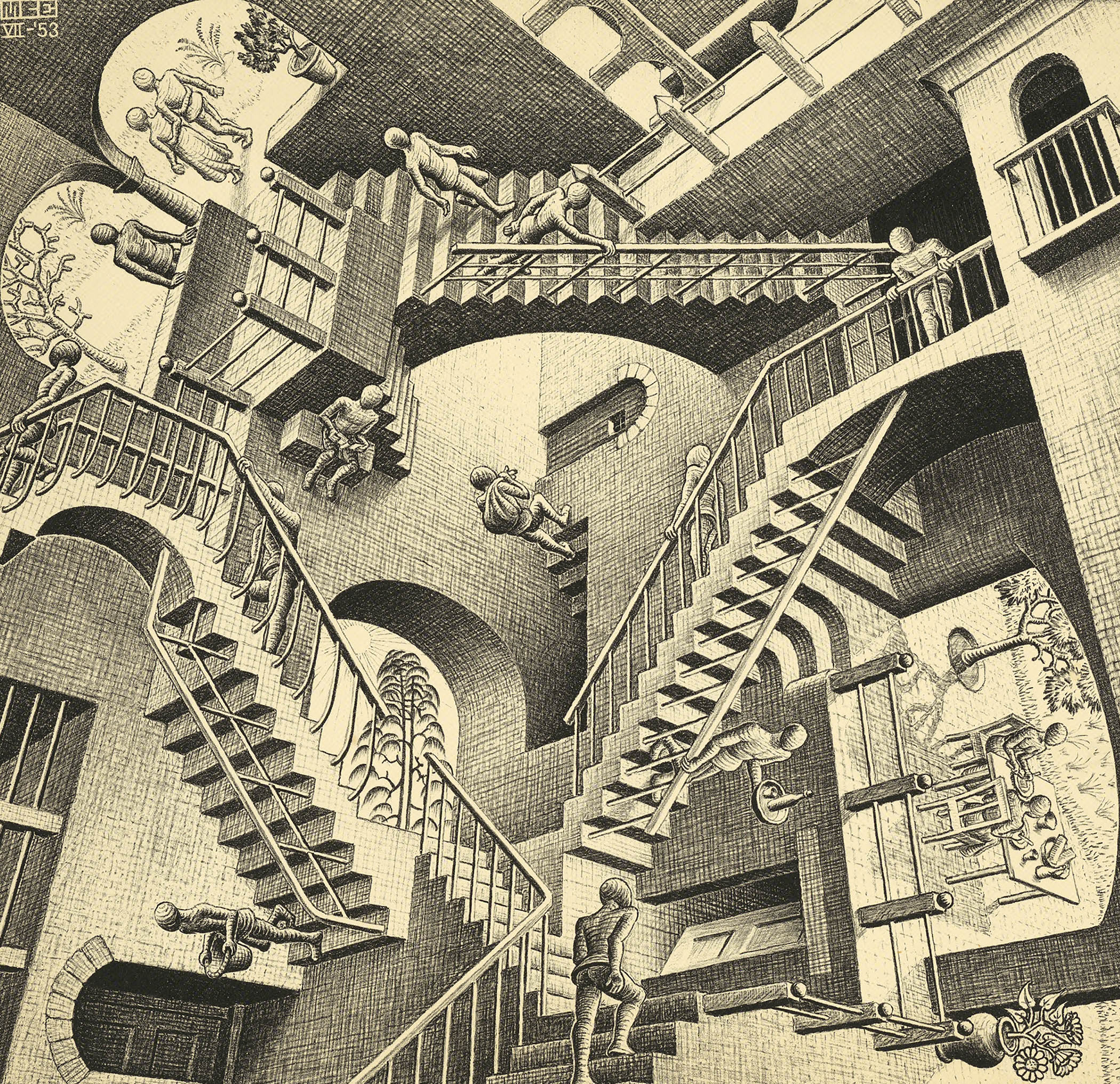
“Behind each illusion there is a tool: a wood block, a stone, a copper plate, a sheet of damp paper. Behind each paradox, a craftsman,” notes Federico Giudiceandrea, president of the MC Escher Foundation and curator of a major retrospective currently running at Somerset House, featuring more than 150 of the artist’s works in London for the first time.
For Giudiceandrea, Escher’s fantastical oeuvre remains timely: “It’s a mirror to our reality,” he said at the exhibition’s opening. “You might think that everything’s fine and in the right place, but what’s behind is much more complex. Escher tells us that we can look at things in a superficial way and everything looks nice, but if you look deeper then you’ll see something completely different.”
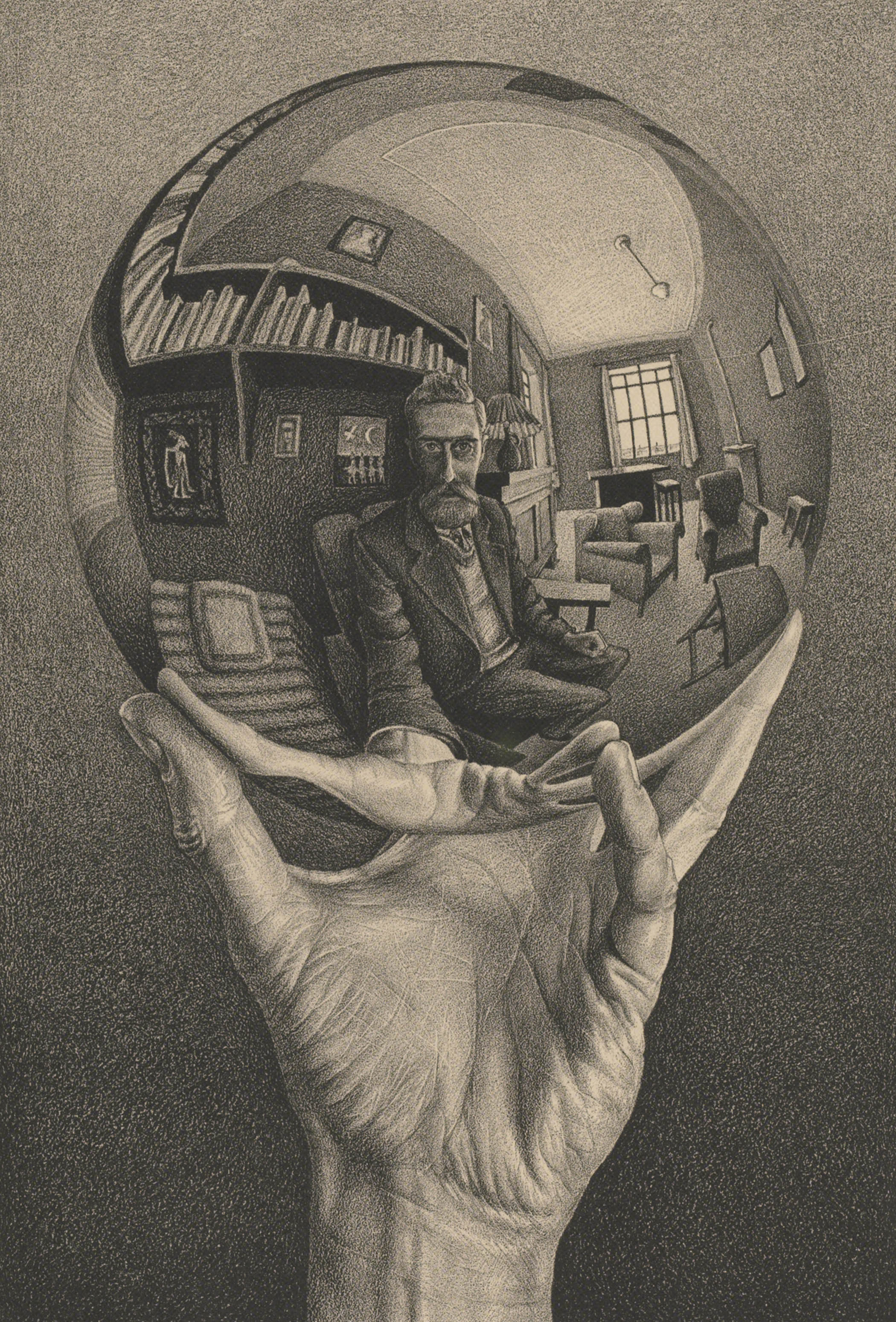
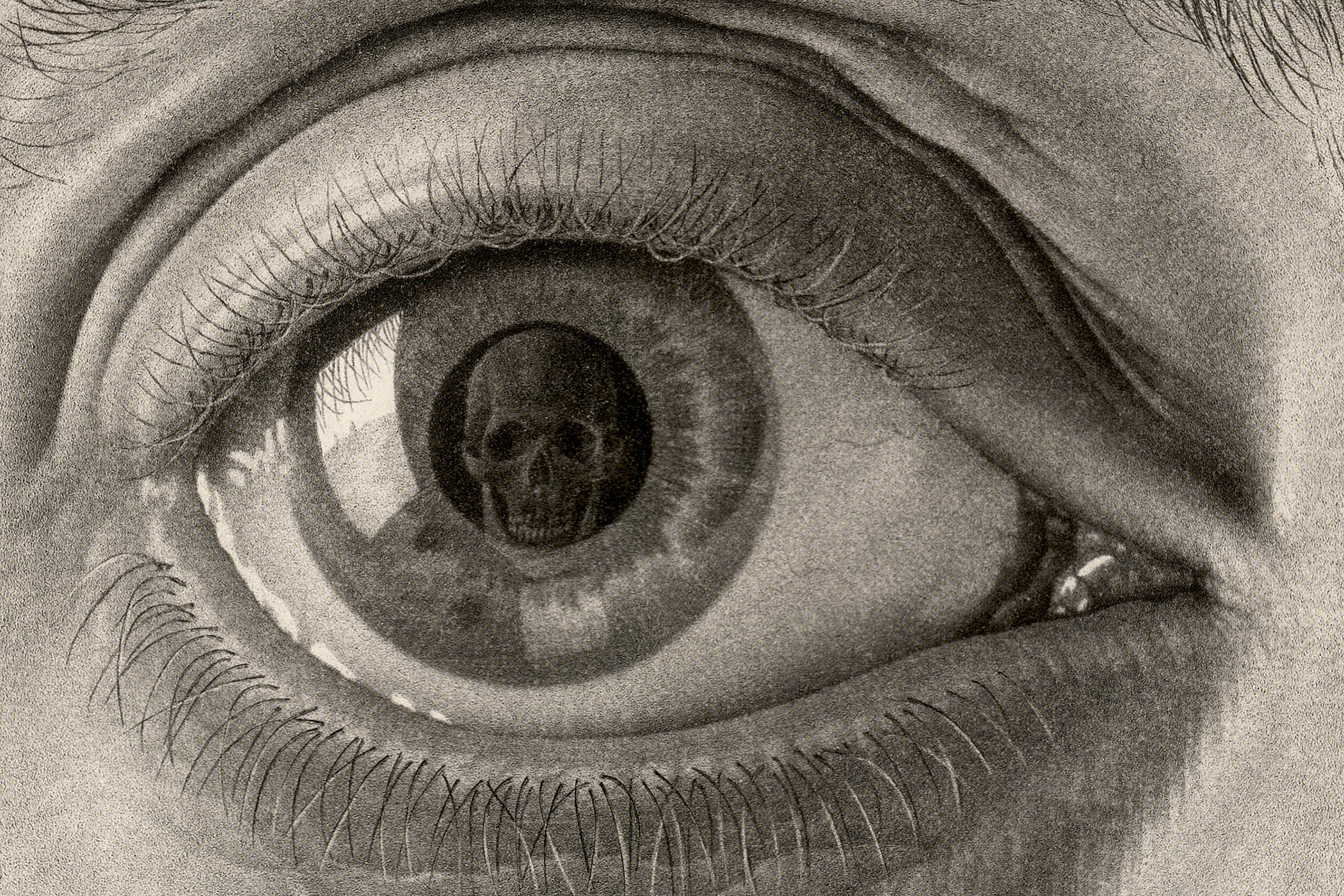
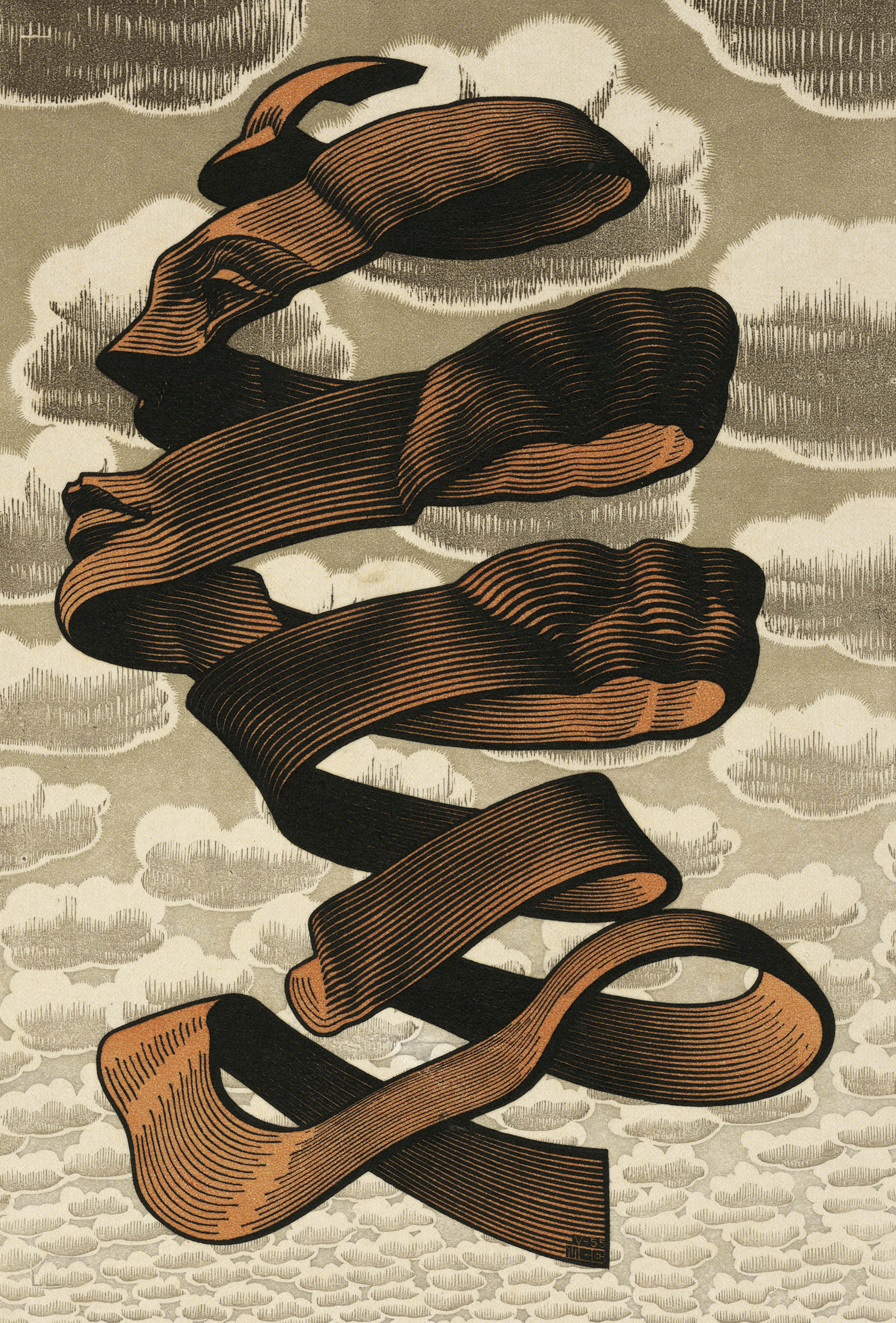
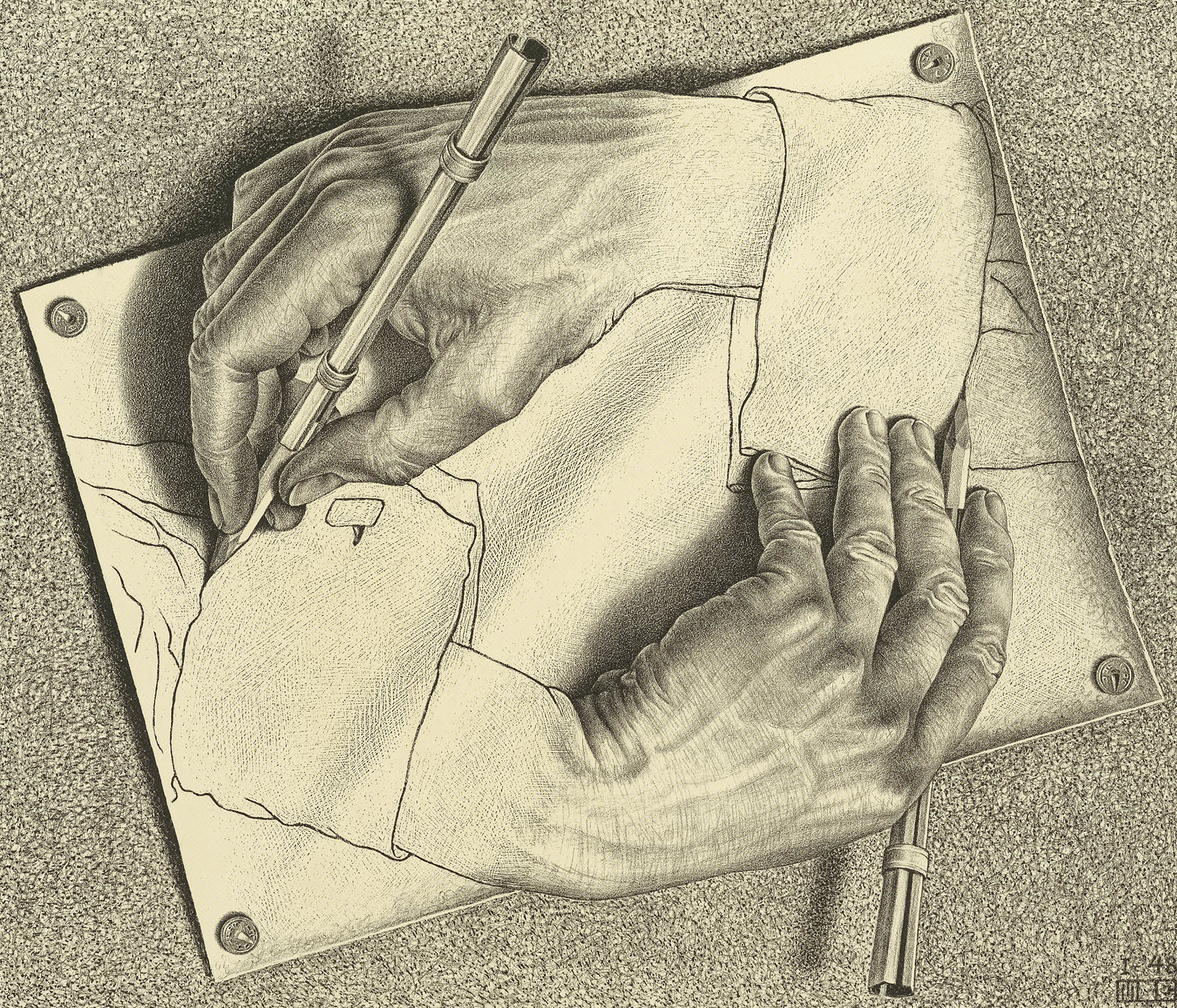
MC Escher. The Exhibition is at Somerset House, London, until 6 September