
Unsolved or otherwise contentious criminal cases have been the lifeblood of podcasts since 2014 and the first series of Serial. A terrifying murder or awful attack shrouded in doubt and ripe for re-examination by diligent hacks and devoted listeners. But as the true crime genre has grown, the question of whether the real criminal has been caught has become less of a concern. Some podcasts are there to simply lip-smack over the gore.
The Overturn, a new independent documentary series, is not like this. In every episode, it examines a particular UK criminal case, but not for thrills. This show is about the miscarriage of justice. The presenter, Marnie Duke, in her introduction, seems genuinely horrified that such a thing exists. “We’re taught to believe that our justice system is fair,” she says. “That everyone is equal in the eyes of the law, and that it’s almost impossible for an innocent person to go to prison for a crime they didn’t commit.” Every episode seems to disprove this – and she is shocked.
In this, she is very like the others we meet in her series: decent people whose faith in our justice system has been completely shattered. Each case is told by a friend or relative of a convicted criminal who insists they are innocent. We hear about scant or manufactured evidence (suddenly discovered murder weapons that weren’t there days earlier, or vital DNA evidence lost); a man convicted of a murder that took place when he was already in prison; a policeman seemingly fitted up by his colleagues; and a young man sentenced to 19 years under the appalling joint enterprise doctrine that applies where persons assist or encourage another to commit a crime. Anyone who retains any faith in the police will find it ground into dust.
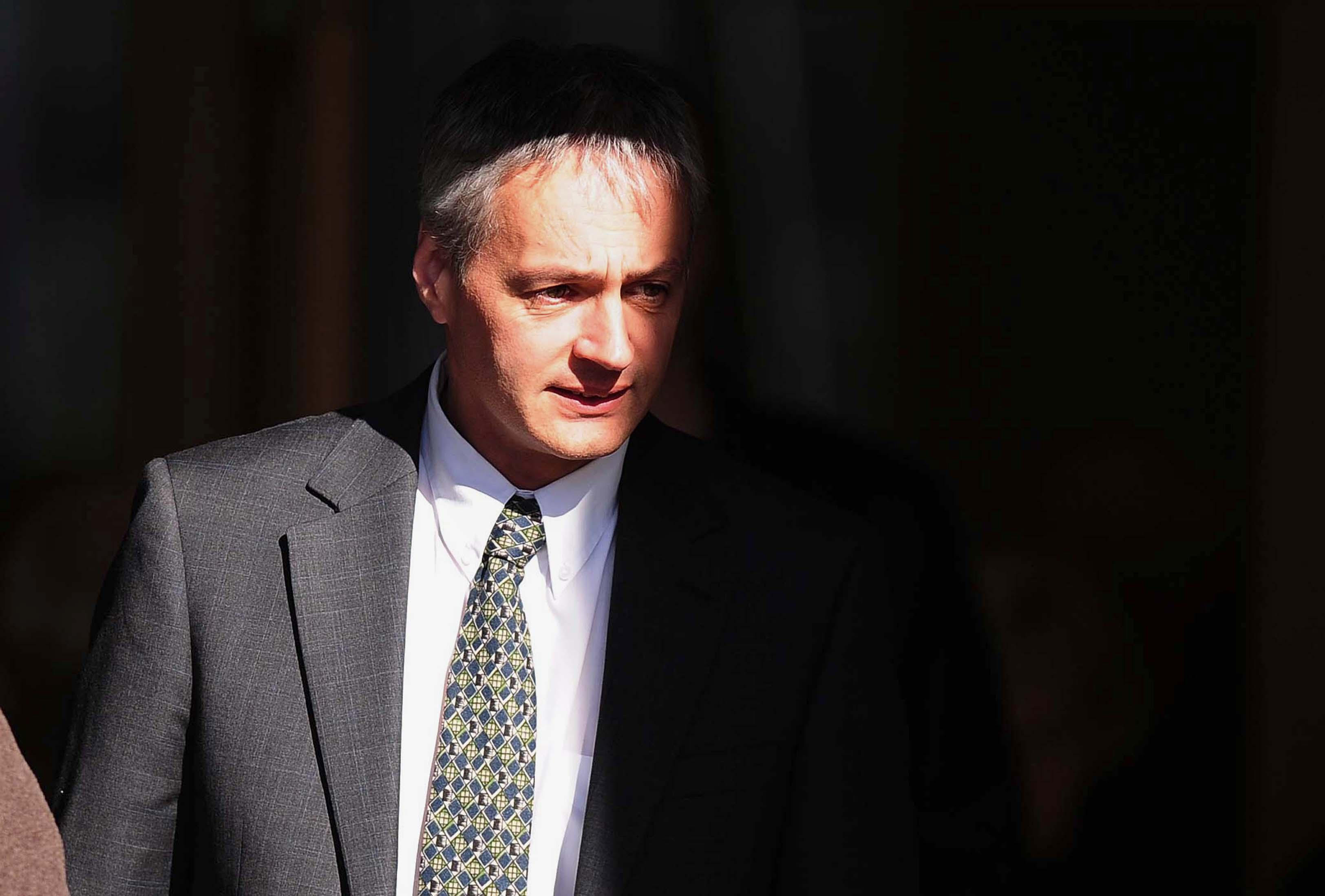
The biggest obstacle to justice is how the appeal system works. The Criminal Cases Review Commission, the body that can refer a case back to the appeal court, receives more than 1,500 applications every year from people claiming to be innocent. But only 1.5% of those cases are re-examined. “With every application [for the case to be reviewed], you have to find new, fresh evidence that was not available at trial,” says a friend of Robin Garbutt (inset), convicted in 2011 of murdering his wife, Diana. Even if the evidence wasn’t used in the trial, but was just part of a bundle of defence notes, that can’t be brought up. Garbutt was a post office operator, and part of the evidence used against him was – how did you guess? – the Horizon IT payrolls. Garbutt said he and his wife were victims of an armed robbery; the Post Office believed he was stealing money, and the prosecution claimed Garbutt killed Diana because he couldn’t stand the shame of his thefts.
I’m no conspiracy theorist, but listening to The Overturn can make you feel as though every institution is designed to preserve the power of the powerful at the expense of the little person.
Speaking of power, a new BBC World Service strand, Inheritance, examines the family dynasties behind enormous global businesses. First up, Samsung. I had no idea it was a family business, but when we join the story, in Seoul in 2017, it is in the midst of some Succession-style manoeuvring. Our main character is the heir apparent, Jay Y Lee. He wants to lead the company, but there’s a couple of problems. The first is that his dad, who’s actually in charge, is unwell (no one knows if he has died or not). The second is that he needs the South Korean pension funds on side in a shares deal. Oh, and there’s something weird going on with a $800,000 horse and an Olympic equestrian.
I’m simplifying – a lot – because this story is a business tale and, at times, the corporate nature of the story can seem unappealing: the first episode concerns itself with shares bought at too low a price. But host Elise Hu manages to keep things interesting and personal, and the second episode – which tells of how Lee’s grandfather Lee Byung-chul took Samsung from a fruit and veg business to a company that becomes a vital part of the new South Korea – is fascinating: a potted history of the country itself.
We seemed to be on the topic of big lives last week. Which brings me to a new podcast called, yes, Big Lives. It’s a simple concept: a reassessment of a famous person by two upbeat journalists; London-born Emmanuel Dzotsi and American Kai Wright. The subjects are great: Jane Fonda, George Michael, Richard Pryor, Amy Winehouse and more. Dzotsi and Wright have been given access to the BBC archive to do this, so you could assume it might be a chatty, interesting take on Archive on 4.
Sadly not. God, these shows are irritating. It’s partly the setup; the idea that everyone listening is utterly lost as to who these stars are. So we get opening definitions such as these: “This older white lady, in the category of these older Hollywood actresses who are supposedly badass but I have no idea why.” (Jane Fonda.) “This sultry soulful person, someone who does not care, who is walking about with the image of chipped nail paint.” (Amy Winehouse.)
When I was young, I had no time for the Beatles and John Wayne but I could still tell you what they did. If these are big lives, then they deserve largesse. Not this sniggering slackness. Ugh.
Newsletters
Choose the newsletters you want to receive
View more
For information about how The Observer protects your data, read our Privacy Policy
Photograph by Alamy