
When I was 20 and in a cycle of despair, there were in my apartment just two DVDs. I would alternate watching them while blind drunk after a night out. One was I’m Alan Partridge, and the other was the adaptation of Blake Morrison’s And When Did You Last See Your Father? The film starred Colin Firth and Jim Broadbent, and I would use it as a sort of extractor tool, a form of self harm, to needle the sorrow I felt about the distance I had installed between my own father and myself at the time.
Having watched the film dozens of times, I eventually came to read Morrison’s 1993 memoir, which recounts with simplicity and lyricism the strained relationship between father and son. Though this was different to my own rather overwrought parental relationship, the book made such an impression on me that not too long afterwards I adopted a new stylistic approach that would change the direction of my fortunes: life-writing.
Morrison’s influence cropped up again years later at another crucial juncture, when I was about to embark upon a new column at the New Statesman. Having recently read David James Smith’s The Sleep of Reason, about the murderers of James Bulger, I picked up Morrison’s own book about the case, As If. Both are diligent and comprehensive accounts of the trial and its context, but Morrison’s book provided something that inspired and intrigued me: a certain way of combining a vast public occasion with the minute and personal – no narcissism involved.
Memoir’s detractors dismiss it as the genre of misery-porn opportunists and incurable narcissists
Memoir’s detractors dismiss it as the genre of misery-porn opportunists and incurable narcissists
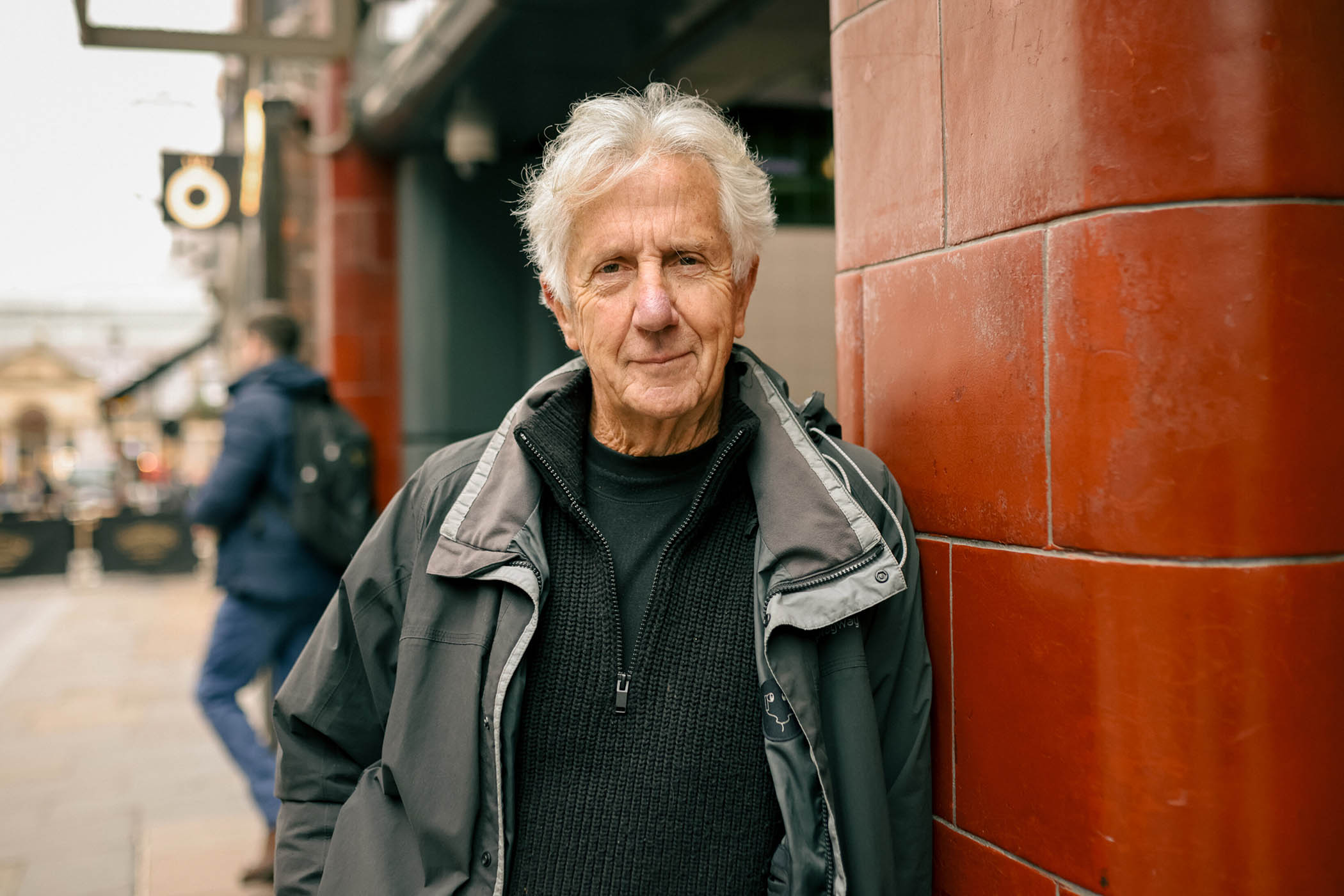
Morrison, a fine poet and a novelist as well as a memoirist, has now written On Memoir, an A to Z of short entries exploring different ideas and questions around the practice of using one’s own life as material. His own work is referenced, but so are dozens of other exceptional memoirs; anyone who is, like me, unquenchably thirsty for them would do well to read this simply to glean new recommendations. His subjects include addiction (“The story is shaming and now it’s public. Therein lies part of the cure.”); identity (“If you’ve been adopted, identity is always an issue: who has shaped you, your birth parents or your adopters?”); and siblings (“In most life writing, siblings get marginal roles. But they may be crucial to the story and to a relationship that involves the eternal sibling verities – love, hate, rivalry, envy, protectiveness, disparagement, separation and loss.”)
Memoir comes in for a rough time of it, culturally, not least because nobody can agree what it is. Its detractors dismiss it as the genre of misery-porn opportunists and incurable narcissists, while its defenders point to Nabokov and Maya Angelou for proof of its potential greatness. It also, curiously, is often misrepresented as a uniquely modern phenomenon, as indicative of contemporary mores as the selfie. As Morrison points out, though he is occasionally accused of having established life-writing in the UK, the form has proliferated for centuries. It seems to me impossible to make any fixed rules about what constitutes a legitimate artistic autobiographical work and what is a banal vanity project churned out to make a quick buck. As with all literary forms, the only certainty is that when a good writer uses it, it will be good; and when a bad or cynical writer uses it, it will be bad.
Newsletters
Choose the newsletters you want to receive
View more
For information about how The Observer protects your data, read our Privacy Policy
A particularly compelling area of Morrison’s discussion is on “shocking” material. The power of many popular memoirs arises from the mettle involved in writing frankly about shameful matters that we are supposed to politely ignore: poverty, addiction, incest, rape, domestic violence. And yet almost as soon as the taboos around such issues were supposedly broken, it became another sort of taboo to raise them, for fear you would be accused of employing cheap tactics, sensationalising, showboating with trauma. If they were once censured with the accusation of indecency, now they are censured with the accusation of gaucheness.
One book Morrison references that I had not previously come across is The Kiss by Kathryn Harrison. I bought it, and found it truthful, elegant, utterly singular. It concerns Harrison’s estranged father, whom she never knew beyond earliest childhood, re-entering her life. An overbearing preacher with an ungodly ability to define her world, he initiates a sexual relationship with his daughter that permanently derails her life.
After finishing the book, I looked through some critical responses from the time and was taken aback by the condescension and apparent disgust; if reviewers didn’t shame her for her complicity in the abuse itself, they were mealy-mouthed about the wisdom and propriety of airing such viscerally taboo material. And yet, though Harrison’s experience is gratefully unfamiliar to most of us, her experience of dissociation and her journey to declare a place for herself and her work in the world is of use to anyone with an interest in what it is to be alive. As James Baldwin wrote, quoted in Morrison’s epigraph: “You think your pain and your heartbreak are unprecedented in the history of the world, but then you read.”
On Memoir: An A-Z of Life Writing by Blake Morrison is published by The Borough Press (£16.99). Order a copy from The Observer Shop for £14.44 (15% off RRP). Delivery charges may apply
Photograph by Sam Bush/The New York Times/Redux/eyevine