

One morning in September 1975, the bodies of two men and a woman were found on a farm in mid-Devon, dead from shotgun wounds. The three unmarried Luxton siblings, between 55 and 68 years of age, had spent their entire lives on West Chapple farm and had now ended them there, through some uncertain combination of murder and suicide.
A few days after the Luxton deaths, John Cornwell, a freelance journalist with a couple of novels and a critical biography of Coleridge to his name, received a clipping from The Observer with a note from his editor at Penguin: “Is there a book in this?” There was, one that was awarded the Crime Writers’ Association gold dagger for nonfiction in 1982 and has now been deemed worthy of a reissue with the inclusion of some surprising bonus material.
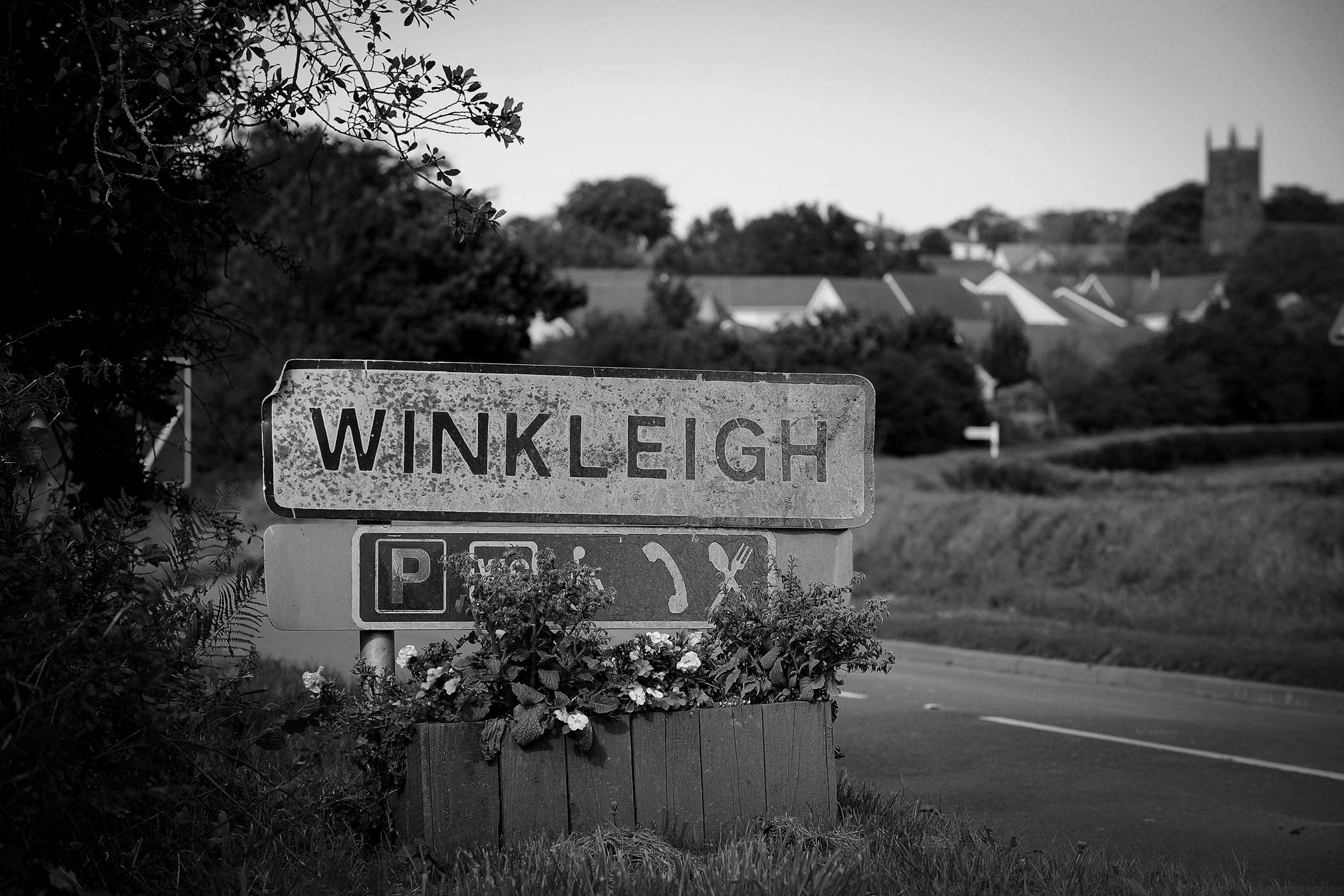
It’s easy to see why the book was so well received on its original publication, and why it still warrants attention. It’s an immensely readable account of an intriguing case that begins with Cornwell travelling to the village of Winkleigh before the blood has been washed off the farmyard cobbles. As he draws close, he establishes an atmosphere of mystery, almost that of a ghost story: “The landscape feels secretive: abrupt combes screened by sturdy coppices. High earth banks topped by laid hawthorn hedges border the weirdly patterned fields and sharply winding lanes.”
The first part of the book documents Cornwell’s legwork as he moves around the village questioning those who knew the private, even reclusive Luxtons. Accounts are given of the abortive engagement of the younger sibling, Alan, and his increasing mental ill health, of the family’s miserliness, and rumours of an incestuous relationship between the elder pair, Frances and Robbie. Each interview ends, as neatly as a murder mystery, with a suggestion of who Cornwell might speak to next.
He eventually finds a distant relation in Guildford, an ancestry hobbyist, from whose archive he reconstructs a history of the Luxtons. What emerges from this is the general point that farming is a brutally hard profession requiring either absolute frugality or potentially ruinous, credit-fuelled expansion. And, more specifially, that the siblings’ father, Robert John, was a man whose desire for control over his children left them all psychologically scarred.
Cornwell’s new afterword, detailing the efforts by Ted Hughes to interfere with the book’s publication, is a fascinating addition
Cornwell’s new afterword, detailing the efforts by Ted Hughes to interfere with the book’s publication, is a fascinating addition
Earth to Earth isn’t perfect. Fluent as it is, it’s the work of a highly competent journalist rather than a great stylist, with occasional redundancies that, if missed 40 years ago, should definitely have been picked up this time around. (“After lunch”, for example, one of Cornwell’s interviewees takes him out to the garden, only to take him to his study, two pages later, immediately after the same lunch.)
Such clumsiness doesn’t detract much from the overall effect, however, and Cornwell’s new afterword, which gives a detailed account of the efforts by Ted Hughes, a neighbour of the Luxtons, to interfere with the book’s publication, provides a fascinating addition to the original’s downbeat conclusion. Initially encouraging, Hughes took against the book on grounds of unfairness to the people of Winkleigh. Cornwell portrays him as a cunning manipulator, one who instigates an abortive late-night Ouija session, writes a lengthy letter explaining the secretive otherness of Devon society (“When you cross the River Avon you’re leaving England”), and makes a phone call during which Cornwell, out of other options, finally tells the future poet laureate to “please fuck off!”.
Looking at clippings from when Earth to Earth was first published, I came across a letter to the TLS written by several Winkleigh residents who appear in the book. They complain of “around 240” errors, and at least some of the offending lines they quote are missing from the version I read. It’s a reminder that violent death, its causes and effects, are too disruptive to be shaped into anything so neat as objective truth.
Earth to Earth by John Cornwell is published by Riverrun (£12.99). Order a copy from The Observer Shop for £11.69. Delivery charges may apply
Photograph by Andrew Lloyd / Alamy
Newsletters
Choose the newsletters you want to receive
View more
For information about how The Observer protects your data, read our Privacy Policy