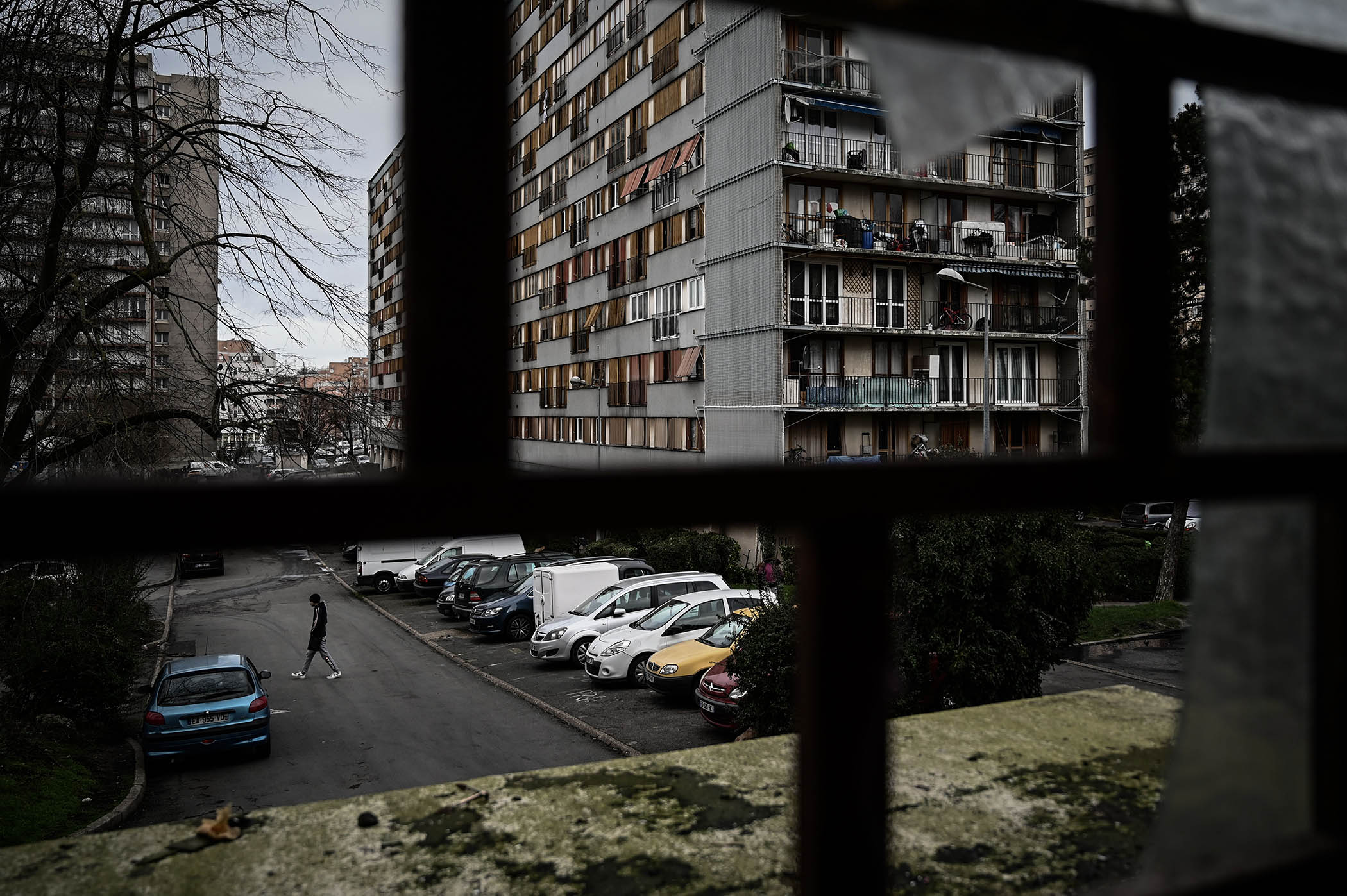

In the banlieues that ring Paris, an old woman is stabbed to death in her apartment. The killer is a 19-year-old man with a wife, a baby, and a debt to a weed dealer. After the killing he pays the debt but doesn’t flee. He waits to be arrested, sleeping in the bedroom “that’s directly above her bedroom”, crossing the living room “right above the living room where she still was”. “What else could he do,” we read. A statement,not a question.
Constance Debré used to be a criminal defence lawyer, and Offenses (translated by Jeffrey Zuckerman) is supposedly based on an actual case. Rather than a legal procedural, though, the novella is more a sociological and philosophical – sometimes even anthropological – investigation into the haves and have nots of Paris, and by extension western capitalist society. Its thesis is that sordid crimes of the type described are an unavoidable, even necessary, component of an affluent society, the murderer sharing much in common with the scapegoat described in Leviticus.
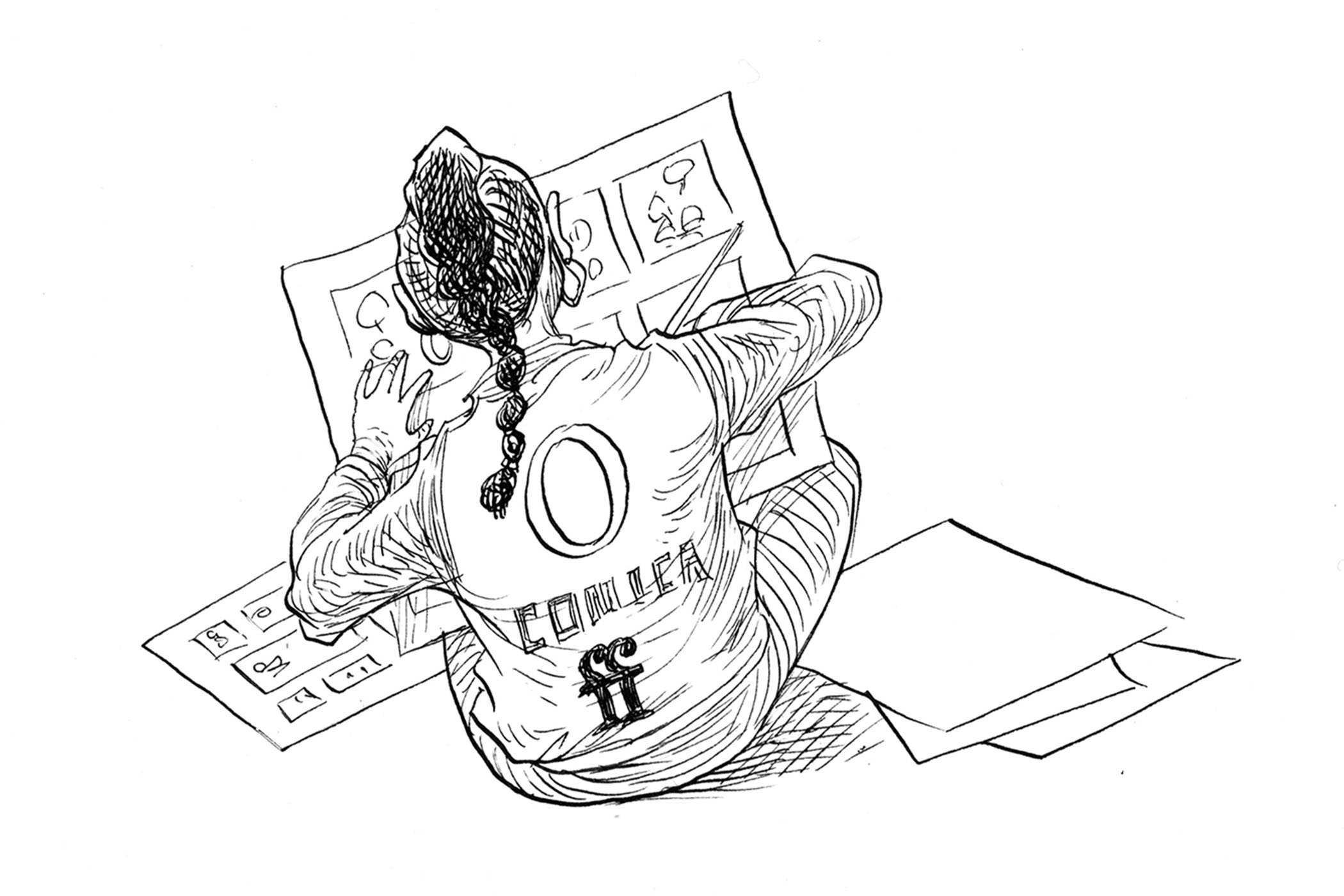
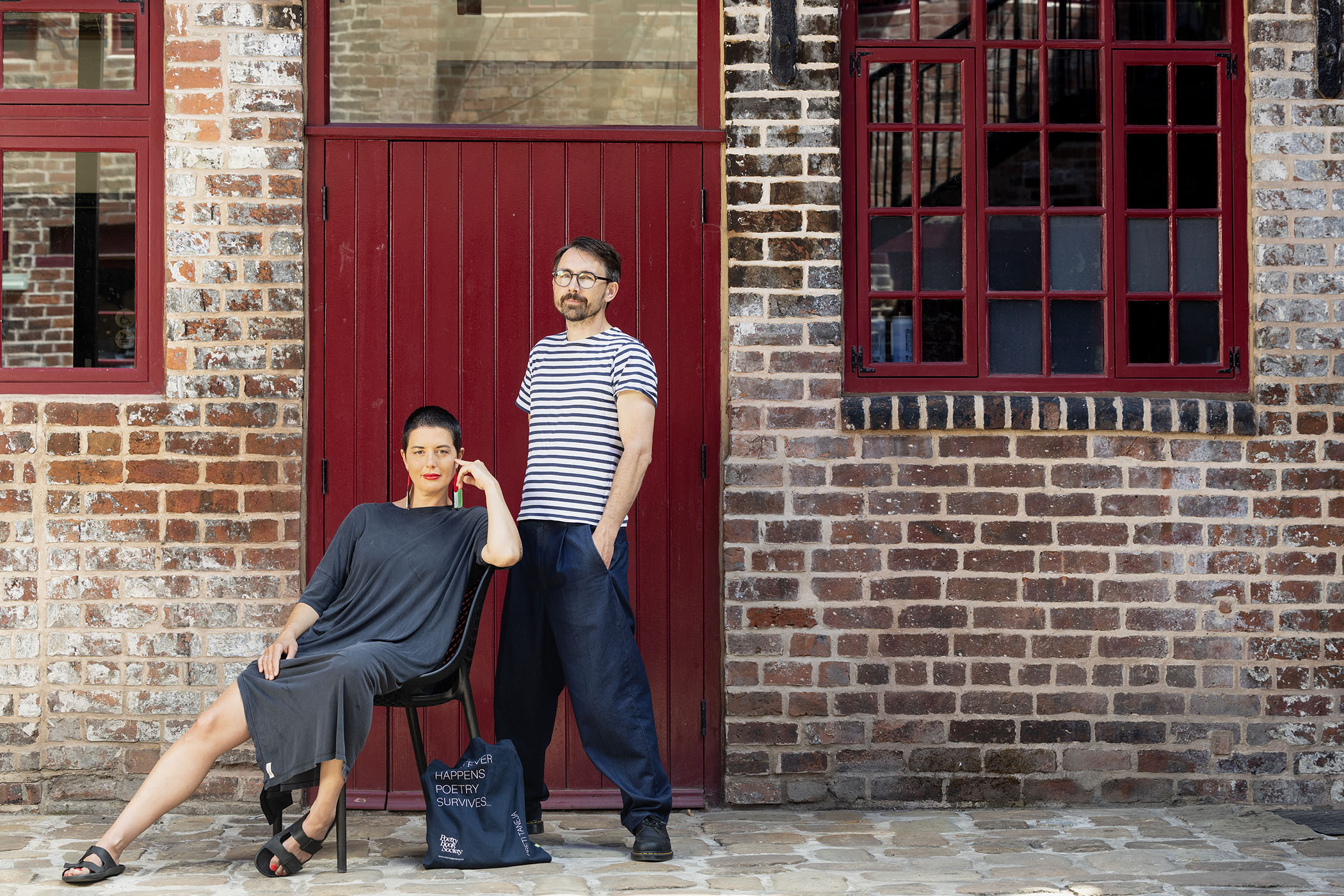
Debré’s three previous books – Playboy (2018), Love Me Tender (2020) and Name (2022) – are autofictional novels virtually indistinguishable from the author’s own life. They describe a former criminal defence lawyer leaving her husband and son to embrace queerness, to write, and to wrestle with the legacy of her privileged past.
Debré’s mother and father – a model and a war reporter – became drug addicts and alcoholics; her grandfather was prime minister of France; the largest children’s hospital in Paris is named for her great-grandfather.
The book is shaped like a legal case: facts are established, theories presented, closing arguments made and judgment handed down
The book is shaped like a legal case: facts are established, theories presented, closing arguments made and judgment handed down
Despite Debré’s insistence that she grew up bourgeois but also poor, she has always lived in Paris’s 6th arrondissement – about as far as one can get from the banlieues. Knowing this can get in the way when reading Offenses, at least early on when Debré slides between points of view in a way that would give any creative writing professor a heart attack: her disembodied, forensic narration gives way to first person – the murderer – then a more traditional close third. The suddenness and frequency of these transitions might have felt clumsy or flashy, but Debré’s technique makes them seem natural.
That’s form, but what about ethics? Debré neutralises the uncertainty about the gulf between author and subject by making us stare into it. She breaks the fourth wall – never more than tissue-thin in her books, anyway – when she describes the “vertical geography” of class, “with you at the top. More or less on top by nature, there are gradations, but, wherever you are, if you are reading me then you are on top.”
Stating that the people she is writing about aren’t the people she is writing for – that we, her readership, are as bourgeois as she is – is objectionable but also, pragmatically speaking, most likely accurate. Towards the end, though, when we are addressed directly by a seeming chorus of the working class but in Debré’s rather formal register (“Yes maybe that’s the Faustian bargain, but not between you and yourself, the Faustian bargain with you on one side and us on the other”), is she, the product of generational privilege, allying herself with the banlieue-dwellers, or has the voice got a little bit out of her control? Such uncertainty gives the book a messy quality at odds with the knife-like clarity of its prose.
“The justice system,” Debré once told an interviewer, “is a fiction … it’s about designating what’s ‘bad’ in order to place the society we live in on the side of ‘good’.” Offenses ends with an exhilarating broadside against the zero-sum quality of neoliberal society – “it has to be possible to calculate how many poor people it takes for one rich person. For one normal life, how many prisoners” – and it becomes apparent the book is shaped like a legal case: facts are established, theories presented, closing arguments made and judgment handed down. But while we began proceedings as the jury, we finish them as the accused.
Offenses by Constance Debré, translated by Jeffrey Zuckerman, is published by Tuskar Rock (£10.99). Order a copy from The Observer Shop for £9.89. Delivery charges may apply
Photograph by Philippe Lopez AFP via Getty Images
Newsletters
Choose the newsletters you want to receive
View more
For information about how The Observer protects your data, read our Privacy Policy