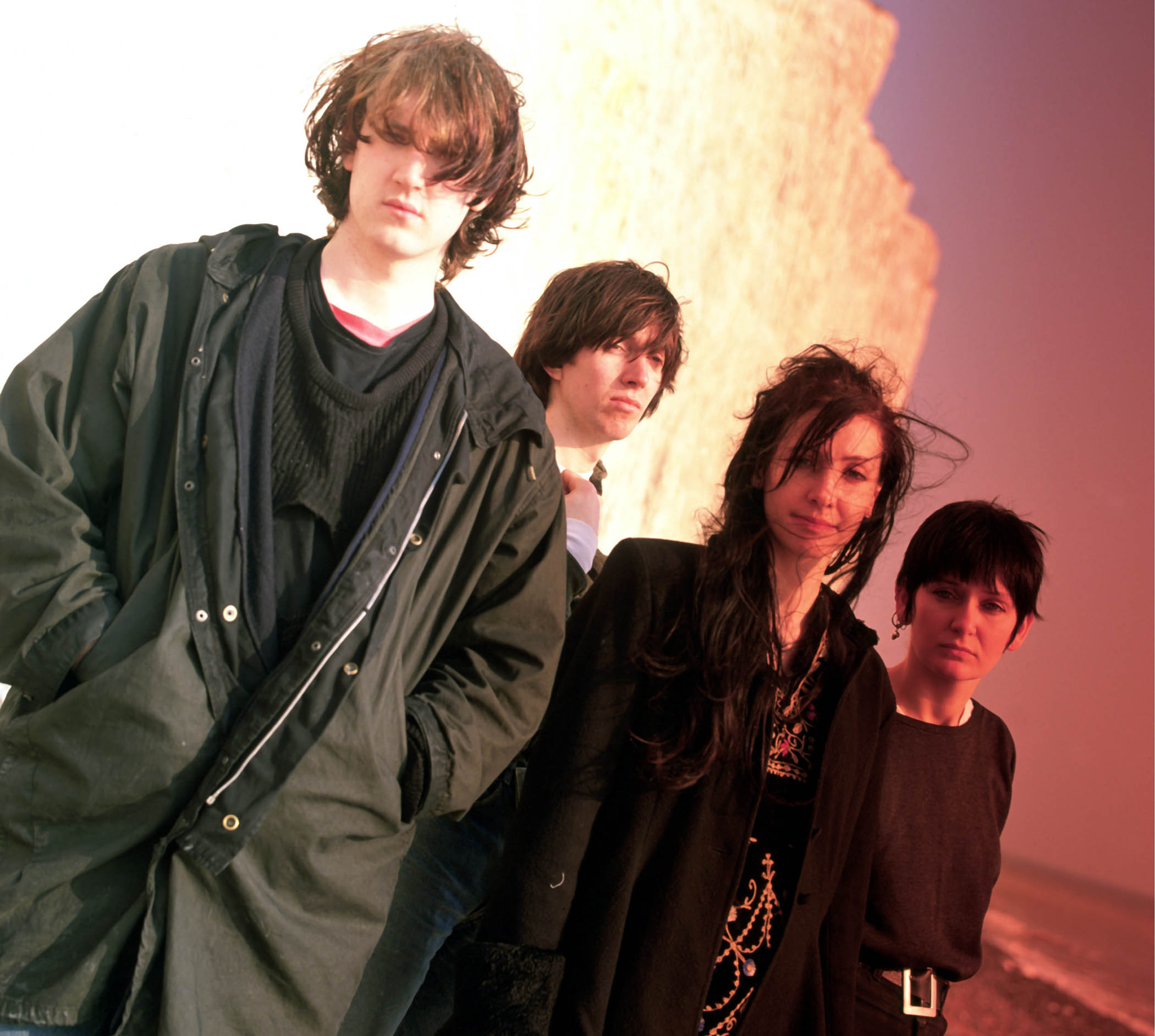



“Looking back now,” writes Simon Reynolds, “I find myself wondering why on earth we all got so worked up.” Reynolds, a prolific music critic, is shaking his head here at the internecine ideological battles between DIY bands, indie scenes and competing creative worldviews conducted through fanzines and in the weekly music press, as the mid-1980s chuntered towards the early 1990s.
Named after a 1988 My Bloody Valentine song – (When You Wake) You’re Still in a Dream – Reynolds’ latest book charts that rich period of sound and heightened emotion. It follows on chronologically from his account of post-punk, Rip It Up And Start Again (2005), and revisits the territory of his first collection of journalism, Blissed Out (1990).
The gauzy, intense sounds that defined the indie scene from 1984 to 1994 were very different from what came before. Punk and post-punk were mostly powered by refusenik commitment. What would later become Britpop was full of brash posturing.
Bands like My Bloody Valentine, US grunge acts such as Nirvana and Sonic Youth, and myriad lesser-known outfits offered something else: a retreat from the charts, showbiz and the workaday world that overlapped with wider gen X ennui; a loud “quiet quitting”.
Hysterical fervour about music clearly still exists; it has arguably become more problematic since it moved online. Reynolds’ rueful headshakes, though, recur throughout the pages of Still in a Dream. As well as being an intimate retelling of guitar-band mythologies – Cocteau Twins, the Smiths and beyond; in excess of 75 bands and artists are mentioned – the book reconsiders the writer’s own relationship to those times, taking as a starting point the great importance people then placed on music as art.
These bands – allowed to flourish partly as a result of the dole and the relative political stability of the Anglosphere – meant a great deal to those in their thrall. Granted, these were mainly music obsessives who felt little kinship to the pop mainstream. But there were enough of them – enough of us – to sustain three UK music weeklies: Melody Maker (where Reynolds cut a swathe), NME and Sounds.
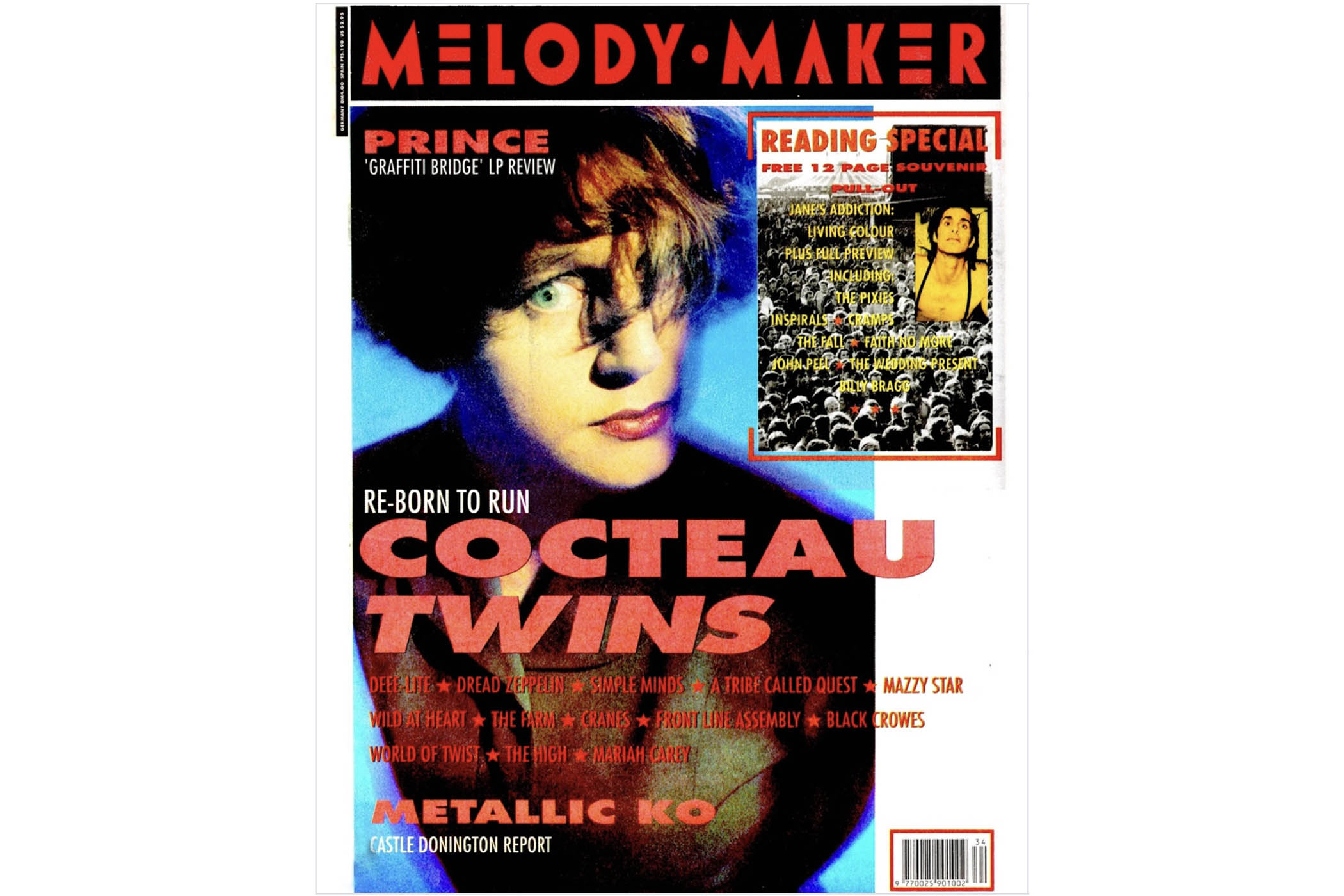
A Melody Maker cover from August 1990 featuring Cocteau Twins; main picture: My Bloody Valentine.
Music was parsed, digested and fought over. Grandiose theorising was rife, and Reynolds coined names for scenes almost on a daily basis; “arsequake”, AKA music that can have physiological consequences, being just one. In Still in a Dream, Reynolds enlists the French intellectual Georges Bataille to explain Butthole Surfers, a snarky, transgressive, lysergic-fuelled band from Texas.
Reynolds and his ilk introduced readers like me not only to music but also to literature, art and critical theory, framing our understanding of the world around us. Set next to real human crises, of course, none of it really mattered. It matters even less now, even though a slew of new bands are now hawking a gen Z version of shoegaze online wags are calling “zoomergaze”. (The US band Julie are pretty good.) But a winning aspect of Reynolds’ latest book is that, although he is mature in his analysis, he nonetheless retains the zeal of an erudite cheerleader. He writes eloquently on the feeling of being overtaken or subsumed by the music, of relinquishing logic in pursuit of inner space. Shoegaze was so called because of the performers’ shy (or, at times, passive-aggressive) focus on the guitar effects pedals at their feet, rather than the audience.
Grunge, shoegaze and their adjacent scenes all aspired to a kind of dream state
Grunge, shoegaze and their adjacent scenes all aspired to a kind of dream state
Often, Reynolds is central to the story himself. As My Bloody Valentine escaped from view after the release and tour of Loveless (1991), a landmark album that nearly bankrupted Creation Records, Reynolds bumped into the band in south London by chance; both parties were heading to the same laundrette. Not long after, Reynolds managed to secure an interview with the band’s reclusive frontman, Kevin Shields, about their shared obsession with jungle. (This was the early 90s; Reynolds would go on to write a book, Energy Flash, about rave culture.) Reynolds reveals that MBV recorded and shelved an entire drum’n’bass album – surely one to file under great lost records of our time.
Reynolds also flags the shortcomings of the period. Indie rock’s musicians and critics were often rather white and middle class, and frequently so bound up in narrow priorities that the reality of their own privilege escaped them. The older Reynolds boggles at how such young, frequently fortunate people so often nurtured obsessions with depression and death. But to devote a book to a set of wilfully amorphous and hazy bands, many of them long-forgotten outriders, is an act of love, commensurate with the saturated thrum of much of the music. Intense feeling is the connective tissue of this book.
Newsletters
Choose the newsletters you want to receive
View more
For information about how The Observer protects your data, read our Privacy Policy
Grunge, shoegaze and their adjacent scenes all aspired to a kind of dream state. A form of wilful inarticulacy (vocals buried in the mix; the mouthfeel of words valued above meaning, as in Cocteau Twins’ nonsense-word glossolalia) recurred across genres. Reynolds ponders the generational exhaustion that gave rise to slackerdom and its UK analogue. The only way to turn was inwards, or far outwards, via a kind of creative shiftlessness that privileged art for art’s sake and repurposed out-of-fashion genres like psychedelia in new ways. Reynolds also notes a glaring irony: all these slacker bands worked very hard at their art.
Other great books exist on the era: David Cavanagh’s The Creation Records Story: My Magpie Eyes Are Hungry for the Prize (2000) is the UK bible of the times, while Michael Azerrad’s Our Band Could Be Your Life (2001) comprehensively covers the US scene from 1981 to 1991. But this is a valuable addition to the canon, and an antidote to all those books about Britpop that accompanied last year’s Oasis reunion. Reynolds accurately characterises this period as one of the last great upwellings of unbridled creativity before the digital age, the final flowering of analogue culture before the on-demand, everything-everywhere-all-at-once glut of the internet made music both more freely available while simultaneously devaluing it.
Still in a Dream: Shoegaze, Slackers and the Reinvention of Rock, 1984-1994 by Simon Reynolds is published by White Rabbit (£23). Order a copy from The Observer Shop for £20.70 (10% off RRP). Delivery charges may apply
Photographs by Avalon via Getty Images, Cocteau Twins