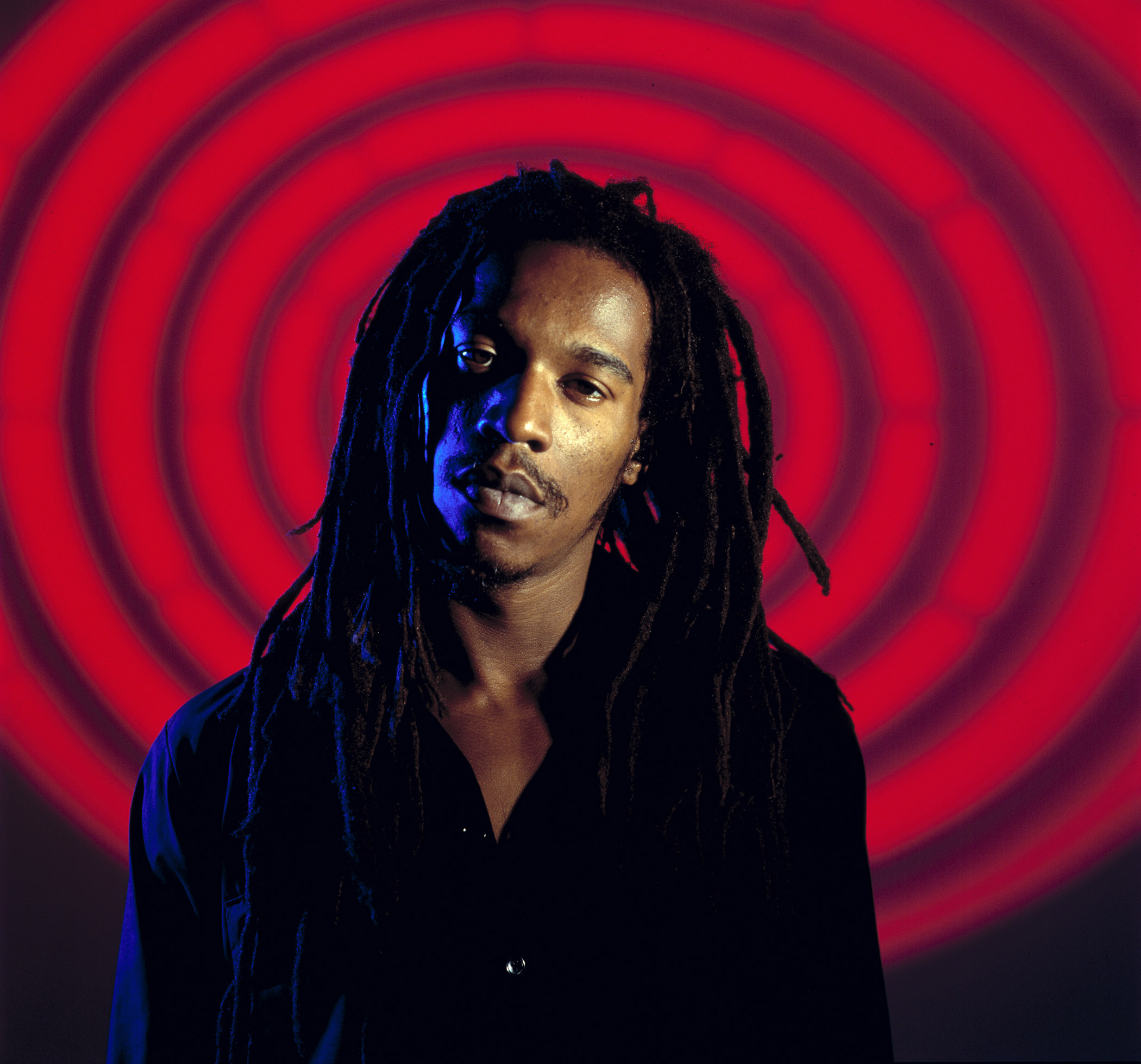
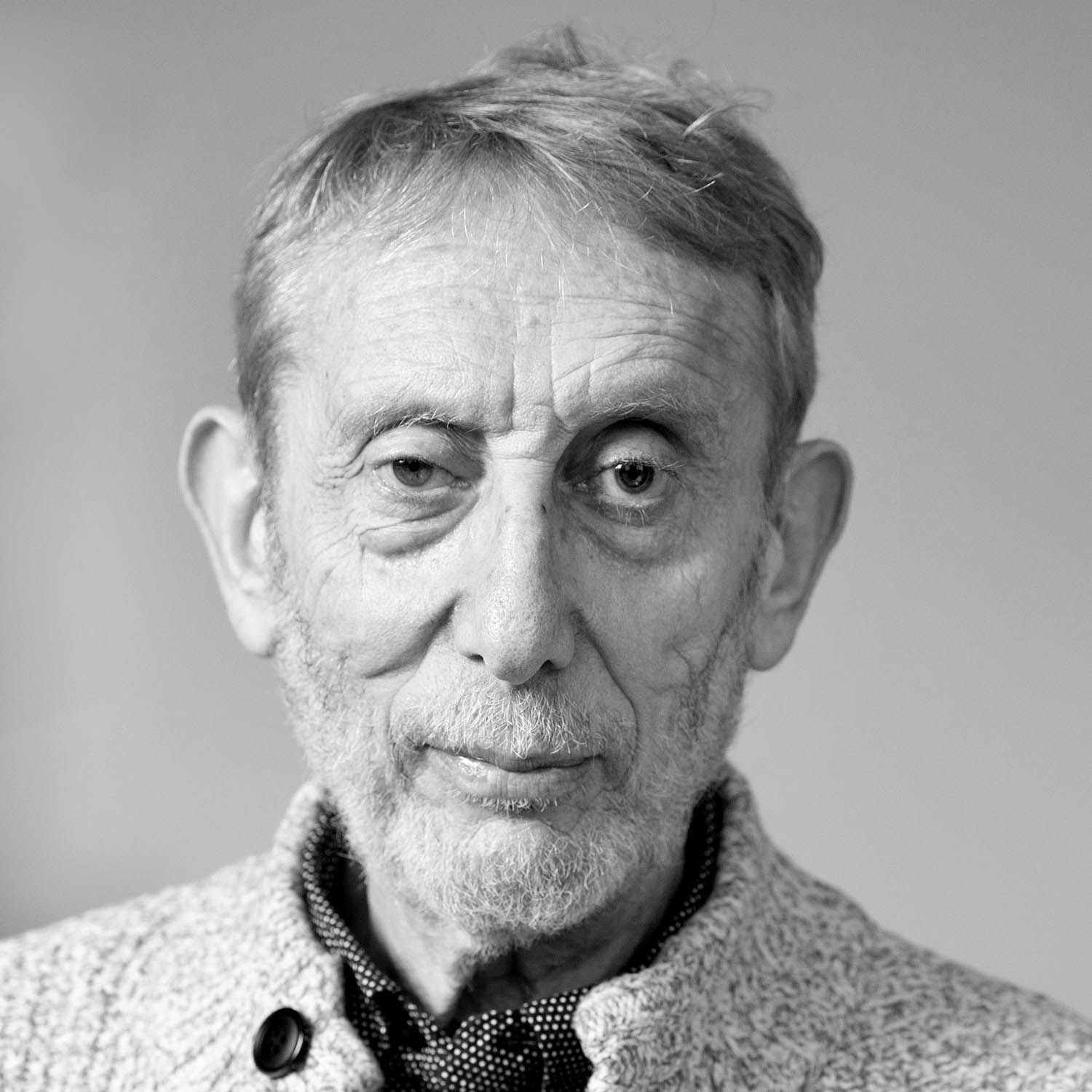


I start every show I do for children or adults with a story about how I was out with some year five children and their teachers on a trip by the River Thames. We were standing under a railway bridge when a train went over and the children got very excited. I said to them: “If you put your hands on the wall holding up the bridge, you can feel the rhythm of the train.” We did that. But as I said the words, “hands on the bridge, feel the rhythm of the train”, I thought, I could begin a poem like that.
That’s what poets do. I say to children: we’re people who go about looking for ways to begin poems. But then, at that very moment, as I said those words, I thought of Benjamin Zephaniah. Why? Because he once told me that he didn’t write his poems. (What?!) No, he made them up in his head when he went for a run. Well, I thought to myself, I won’t actually go for a run. I’ll get on the tube and see if I can make up a poem in my head that begins, “hands on the bridge, feel the rhythm of the train”. And I did! So that’s the story I tell the children.
Then I perform the poem, shaped as it was by the Benjamin Zephaniah method of composition. And then, I say to the audience, Benjamin told me something else. He said that if you make up a poem in your head, it’s very easy for an audience to learn it. So I teach them the poem and, then I set them the Benjamin Zephaniah challenge. Can we perform it? And, yes, every time, the audiences can! And when I mention his name, we all cheer and clap the late, great Benjamin Zephaniah.
It’s great to be able to keep the spirit and thoughts of Benjamin alive in this way for audiences of any age. It also reminds me of what I – and thousands of others – owe to him. He could synthesise his ideas into what I’ll call oral action. Every occasion I met him or watched him perform, or accessed his poems online, this oral action worked on me – and still does. In conversation, just chatting, he had a way of making observations that could cut to the core of politics, society, the story of his own life, poetry and performance.
He was a Rastafarian anti-racist deeply committed to equality and justice for all
He was a Rastafarian anti-racist deeply committed to equality and justice for all
Everyone could see this side of him when he appeared on programmes such as Question Time, when he was sitting among people who had spent decades honing their delivery, often armed with briefs from their advisers. He would sit with them, obviously undaunted, uninhibited, and go on to spontaneously express ideas that came from his own lived experiences or from those he had met and knew. I once asked him, how come he could do this in such a compressed, accessible way? I was selfishly thinking of myself, as I had been asked to go on Question Time myself but had turned it down on the grounds that I didn’t think I could spit out what I would want to say without umming and erring and forgetting something. He said that he didn’t ever find it intimidating or bothersome because every time he spoke, he just imagined that he was talking to his mum.
On another occasion, I was presenting an award at a ceremony that Benjamin was emceeing. This was for the contributions people had made to teaching English on digital platforms. I loved the way he dignified the occasion with his observations and asides, one of which was that at that very moment of this emceeing job, he was enjoying the fact that he was standing in front of hundreds of teachers of literacy when he himself had once been illiterate.
When it came to sharing his ideas, Benjamin was never afraid. He was a Rastafarian anti-racist deeply committed to equality and justice for all, and he was constantly finding ways to express this in poems and fiction. He wanted to speak to everybody so he was direct, to the point and accessible. He wanted these ideas to sing in people’s heads. In performance, his distinctive voice was a multicultural blend of Jamaican, Anglo-Jamaican and Brummie. He embodied the very anti-racist ideas he fought for. One time we were talking about refugees and he said that he had once taken in some refugees. “Really?” I said. “Where from?” He said: “The Lake District. They had been washed out by the floods.”
Classic Benjamin: tipping up the word “refugee” and with one event – one image – bringing home that fundamental idea that any of us at any time, depending on forces outside of our control, could become one. And at the heart of it was his own practical generosity to house people in need. His novel Refugee Boy looks at Britain from the point of view of a young Ethiopian refugee, threatened with deportation.
I know that in his last few years he was pushing himself more and more to write plays and fiction. It’s our loss that this hasn’t happened and can’t happen. Yet thanks to digital media, many of his performances and videos are up online. I often return to my favourite: Rong Radio Station. It reminds me of the urgent voice he could adopt, full of irony and anger. Benjamin lives on.
Michael Rosen and Raymond Antrobus will be part of Benjamin Zephaniah: A Celebration at the Southbank Centre’s Poetry International festival on Friday 10 July
Newsletters
Choose the newsletters you want to receive
View more
For information about how The Observer protects your data, read our Privacy Policy
Photograph by Tom Jenkins/Getty Images