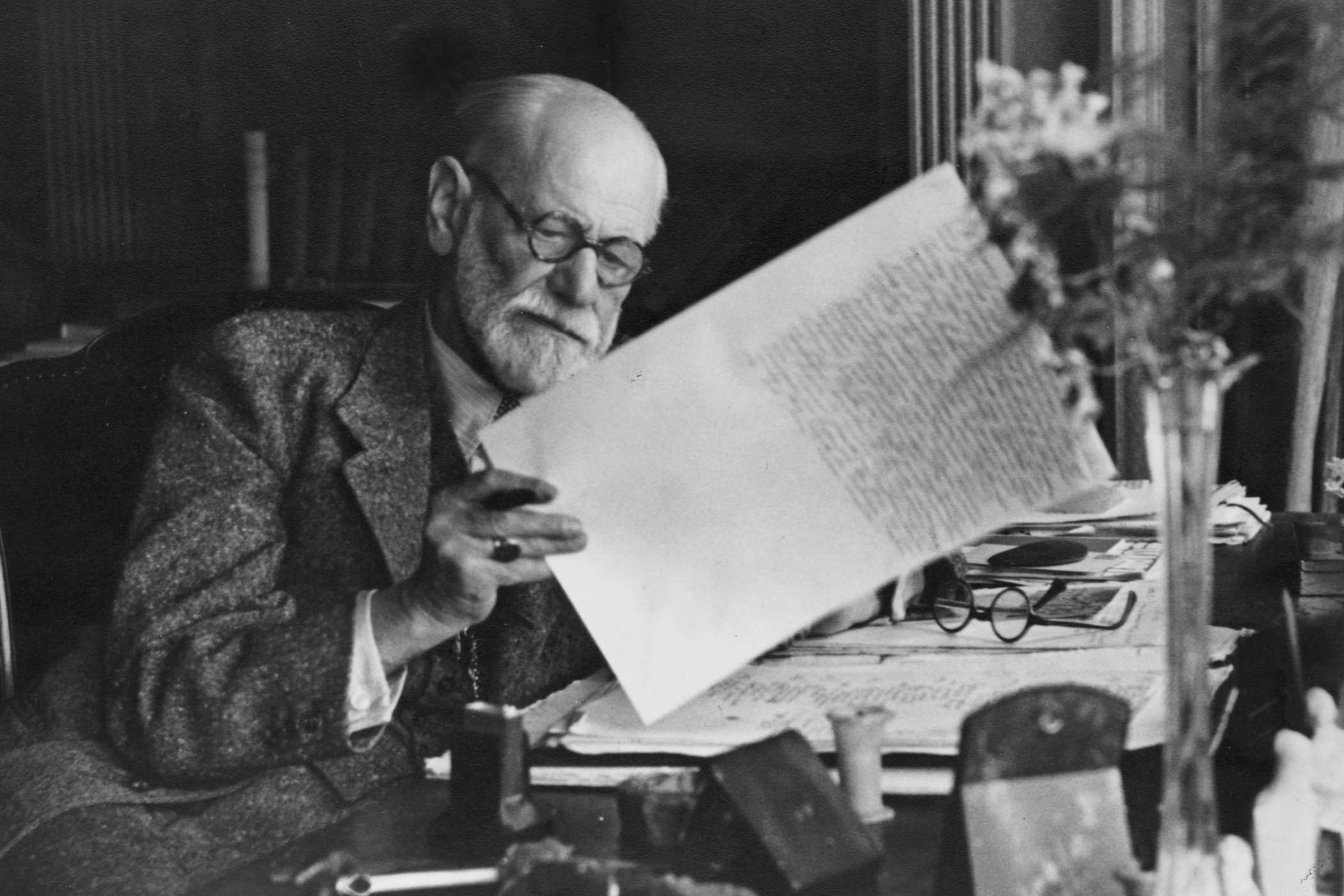

Three books that take their cue from the father of psychoanalysis
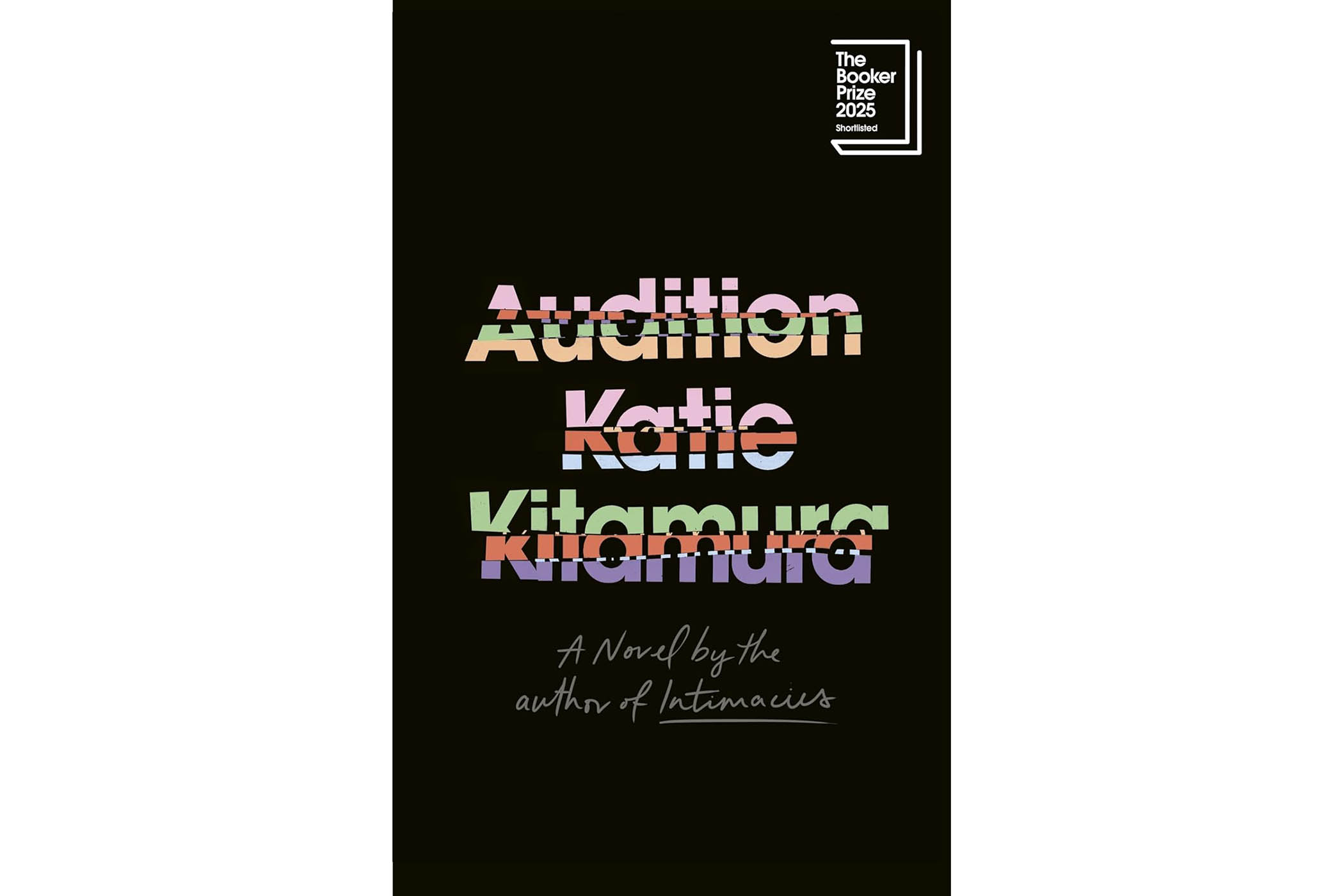
Audition by Katie Kitamura (2025)
For reasons that Freud himself might have appreciated, many of the most interesting books about his ideas don’t advertise the fact. In Audition, a brittle if not yet definitively cracked actor finds herself in a Manhattan restaurant, confronted by a young man who says he is her son. The truth of his claim soon vanishes into a maze of screen memories, imitated mannerisms and imperfectly mirrored narratives, leaving an eerie sense that there may be nothing more essential to us than the roles we learn to play. I can’t recall a more profoundly Freudian work of fiction in recent years. Its capacity to unsettle so much with so little offers the sincerest form of flattery to Freud’s unheimlich – uncanny – spirit.
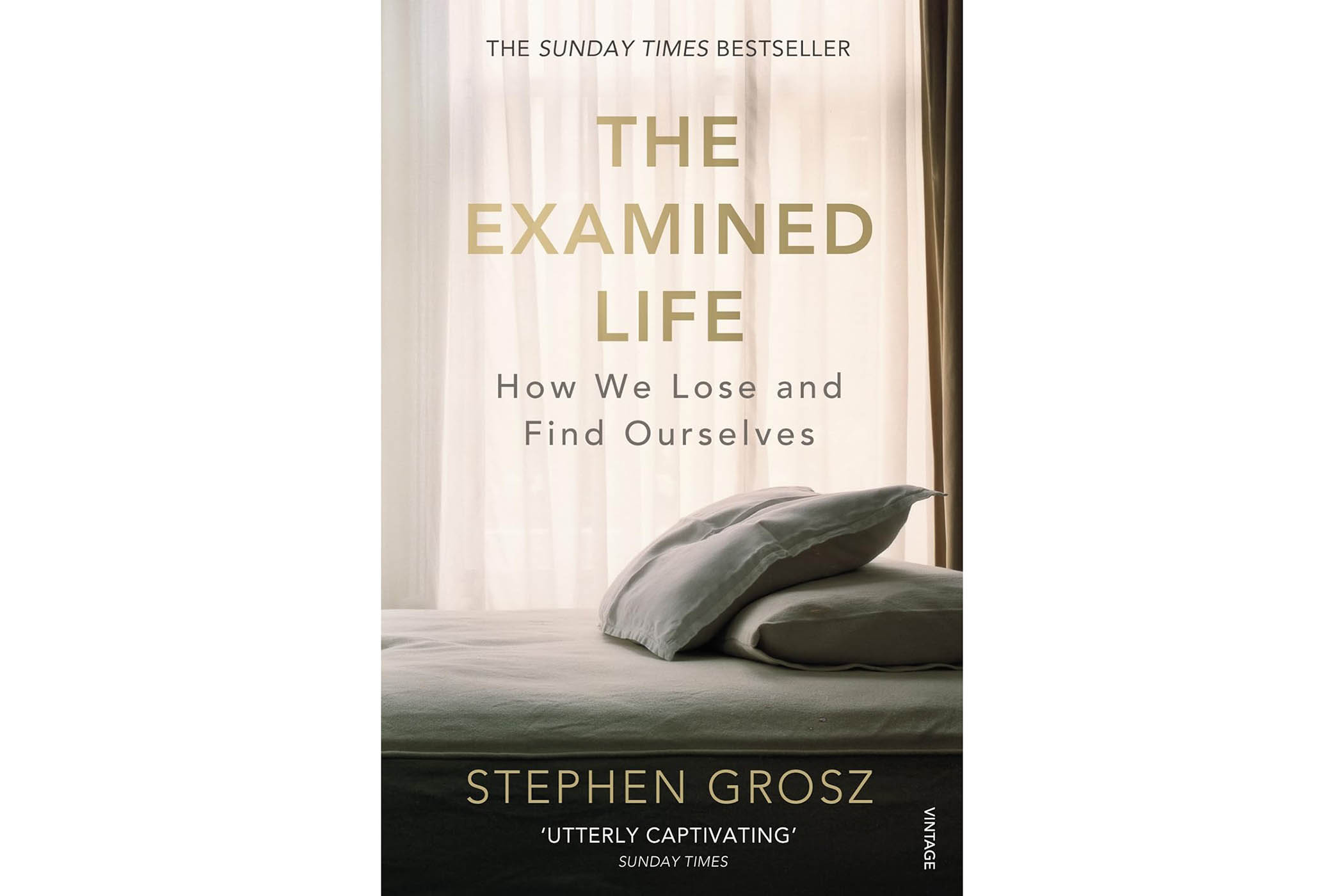
The Examined Life by Stephen Grosz (2013)
Thirty-one short narratives, each based on a real-life story from the author’s clinical practice, range from the mundane (losing a wallet) to the extreme (compulsive lying). Written in non-technical language, the book makes complex psychoanalytical insights accessible, showing how the stories behind the patterns we enact enable us to make sense of them. Socrates’ claim that the unexamined life is not worth living may be a little extreme, but Freud seems to have been correct that examining it can lift the burden of neurotic misery from our common human lot.
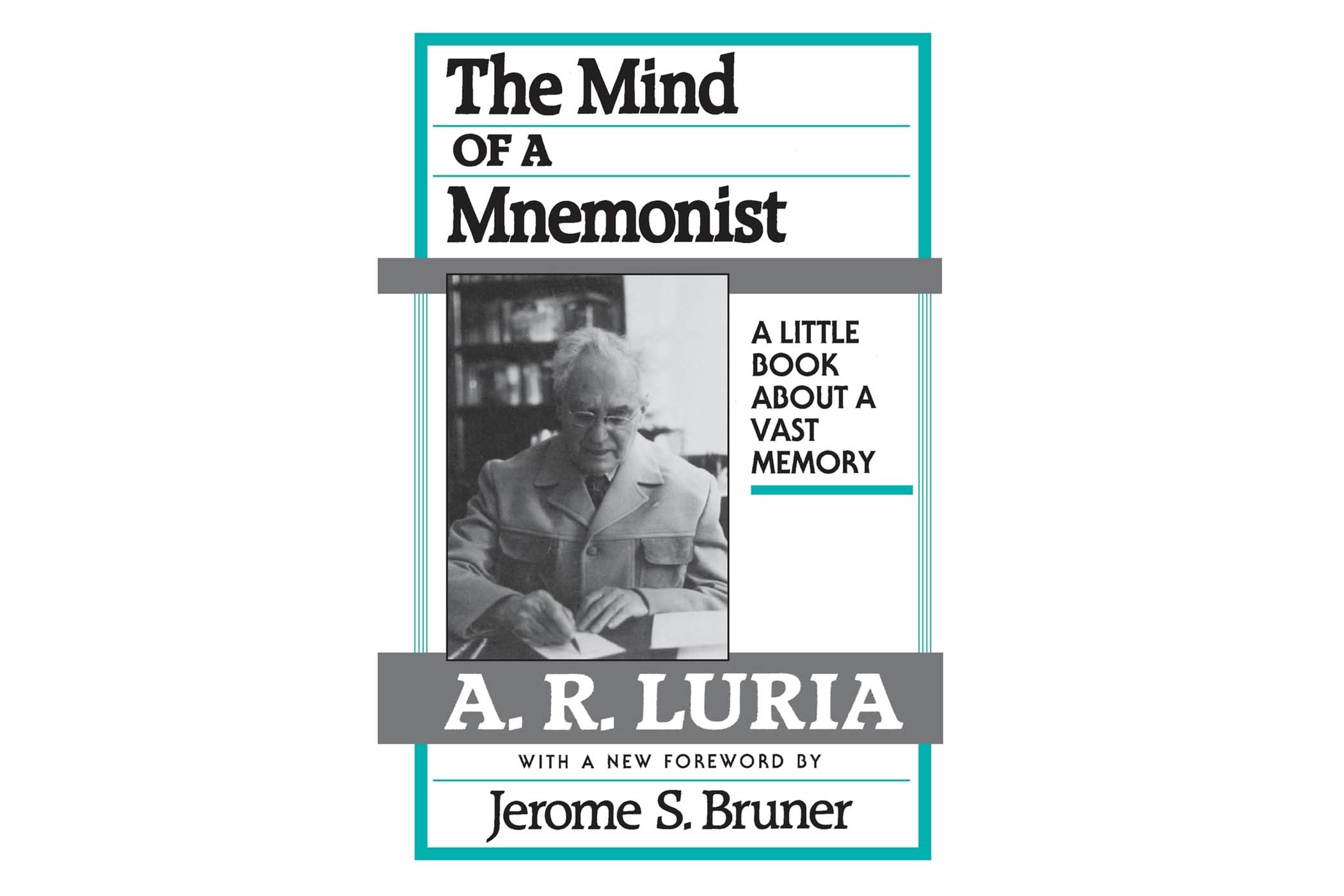
The Mind of a Mnemonist by Aleksandr Romanovich Luria (1968)
The brilliant Russian neurologist Aleksandr Luria buried his Freudian credentials after 1929, when the USSR declared psychoanalysis scientia non grata. However, his commitment to its tenets lived on in his field-defining neuropsychological work. This is nowhere more evident than in his study of Solomon Shereshevsky, a man who was literally unable to forget – all the way back to his potty training. Although the diagnosis “autism” was of no interest to Luria, this sympathetic study casts more light on the condition than anything else I have read.
The Only Cure: Freud and the Neuroscience of Mental Healing by Mark Solms is published by Weidenfeld & Nicolson (£25). Order a copy from The Observer Shop for £22.50. Delivery charges may apply
Photograph Library of Congress/Corbis/VCG via Getty Images
Newsletters
Choose the newsletters you want to receive
View more
For information about how The Observer protects your data, read our Privacy Policy