
In the 25 years since she founded Ballet Black, Cassa Pancho has commissioned some 70 new works – an astonishing number for a company that has always punched well above its weight. Founded in 2021 to “provide dancers and students of black and Asian descent with inspiring opportunities in classical ballet” it has more than fulfilled its brief, inspiring others partly by its extensive touring and partly by giving classes to more than 200 students a week.
In helping change the ballet landscape, it has backed some terrific talent, including the choreographer Mthuthuzeli November, who came from South Africa, danced in the company and went on to create some of its most memorable and powerful works. Ingoma, revived here, was his first great success, made in 2019 and the winner of the Olivier award for dance.
It is an intense piece about the South African miners’ strike of 2012, where police opened fire and killed 34 miners. Impressively, it doesn’t get bogged down in detail but weaves a structure of duets, solos and pounding, stomping group dancing that effectively conveys the suffering that is a part of resilience.
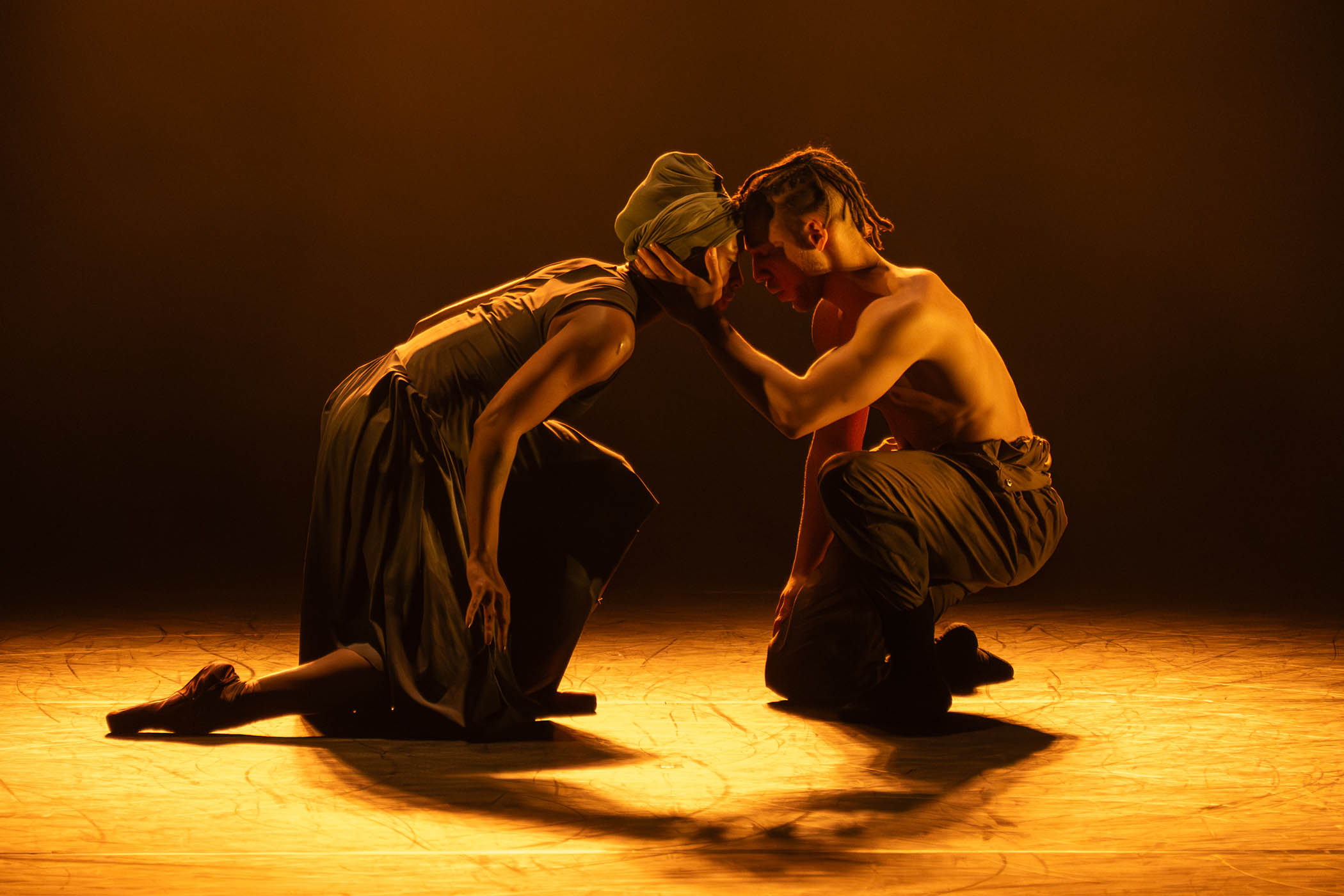
It opens with a group of miners (inset), headlights illuminating the space, and a single figure (Ebony Thomas, excellent) spotlit in the centre. Little gestures – beating his heart, flexing his back – reveal both determination and exhaustion. When he is joined by his wife (the outstanding Isabela Coracy) they fall into a duet full of knee bends and arching lifts.
These moments of intimacy are contrasted with the pulse and pace of the strikers, while the score – by Peter Johnson and November himself – embodies that distinction, with string-led classical melancholy interspersed with the sounds and texture of protest. As the miners move in sharp unison, their boots and slaps add a further layer of percussion; Thomas dances himself to the point of weariness and despair; women demonstrate their feelings, flying across the stage in superfast pirouettes, raising their curved arms skywards for help.
By the close, the blue shirted dancers are united in both tentative resistance and grief, expressed in a swooping solo superbly danced by Taraja Hudson, which concentrates all the pain of endless protest.
It’s a sophisticated and impressive work that shows Ballet Black’s excellent dancers at their best; they do everything asked of them with amazing commitment. But sometimes not enough is asked and the opening piece …all towards hope struggled to make the best of their abilities.
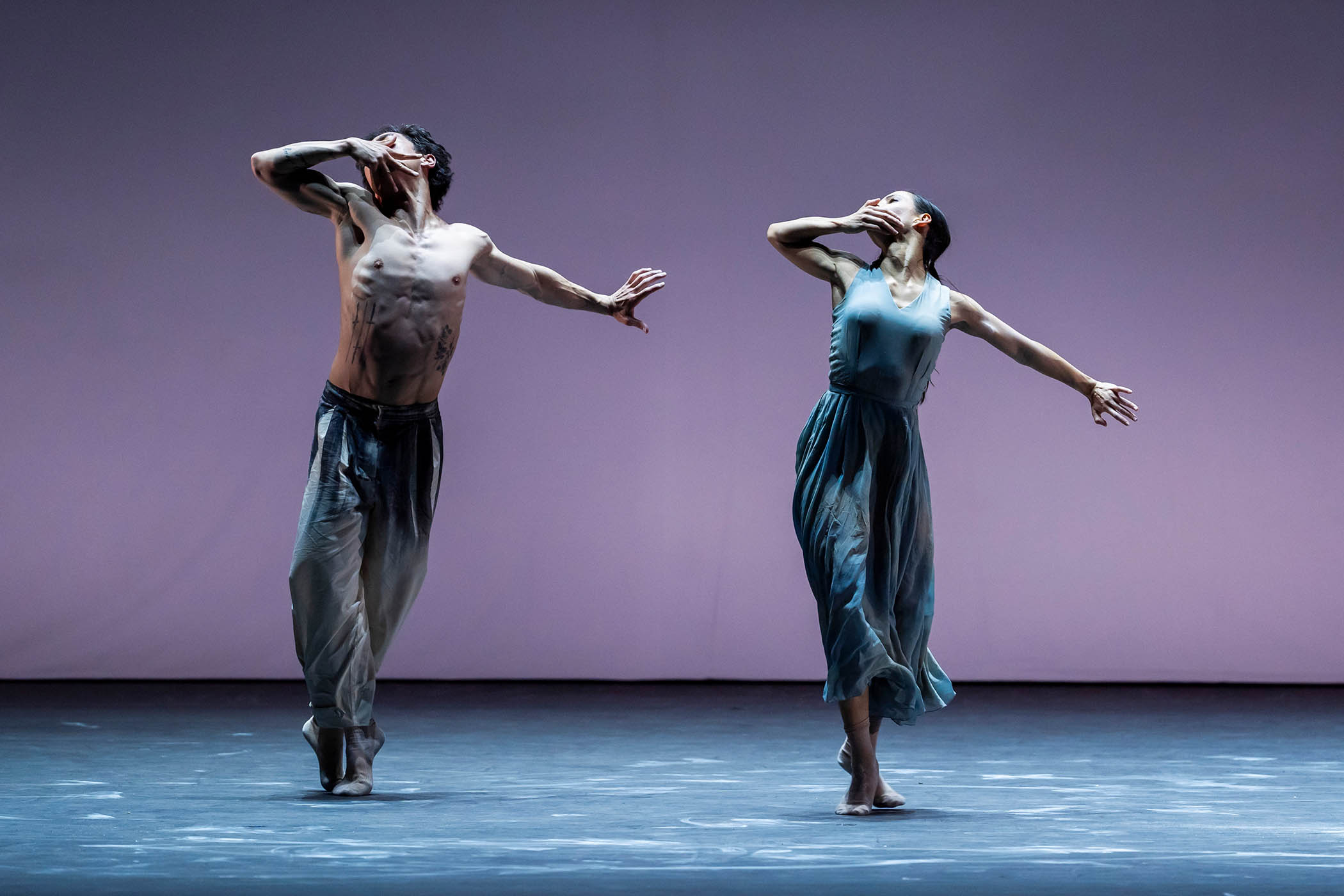
This new piece by the American choreographer Hope Boykin, a long-time dancer with Alvin Ailey American Dance Theater, is made up of striking poses and carefully composed groups. Its theme is hope, expressed in a soundtrack of words written by Boykin. It’s glorious in moments but struggles to sustain momentum over its entire 30-minute runtime.
The mood is mainly celebratory and lively, but the best sections are the most thoughtful – a long solo in silence where Acaoã de Castro stretches towards Coracy, seeming to want to communicate the incommunicable; a moment where a woman slides across the stage. David Plater’s lighting enhances the entire programme: it is a work of flickering moods.
Ballet Black at 25 is at Linbury Theatre, Royal Opera House, London, touring until July
Newsletters
Choose the newsletters you want to receive
View more
For information about how The Observer protects your data, read our Privacy Policy
Photograph by ASH