
There are lots of wonderful dancers, but star quality is rare. The Argentinian dancer Marianela Núñez was a prodigy, performing professionally at the age of 14. She’s always been a great technician. But over nearly 30 years with the Royal Ballet, a company she joined at the age of 16, she’s become something more mysterious and magical: a beacon for the art of classical ballet.
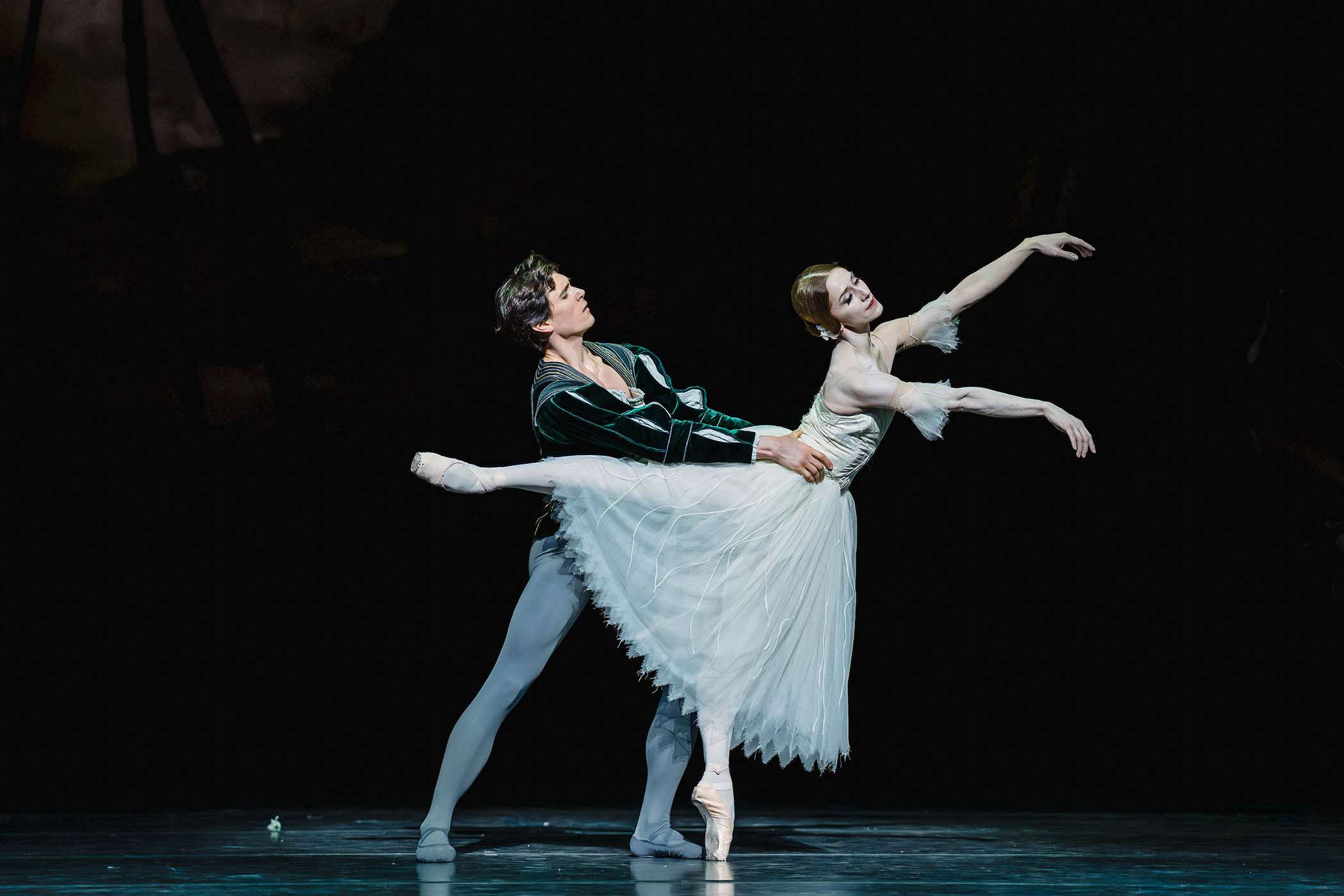
On Saturday, she starred in a revival of Peter Wright’s fine production of Giselle, with William Bracewell making his debut as Albrecht, the disguised nobleman who seduces her innocent peasant girl.
It has one of those ballet plots that sounds silly written down, with gambolling villagers celebrating the harvest, a famous mad scene in which Giselle dies, and a phalanx of ghoulish Wilis: wronged women who rise from their graves to drive men to their deaths. Yet in the right hands, it is one of the most emotional of the 19th-century ballets, with its homely first act making a revealing contrast with the uncanny power of the second, when Giselle’s ghost redeems Albrecht by the power of her love.
Núñez and Bracewell root the story in that love, tentatively expressed but deep – before his betrayal – and overwhelming when she protects him from her vengeful supernatural sisters. Both make the most intricate steps seem natural: when they dance, it is an expression of their feelings, as he slowly falls under her spell.
The arrogance of his Albrecht softens thanks to her sweet-natured influence. There’s a lovely moment when he tries to ingratiate himself with her suspicious mother Berthe (Elizabeth McGorian) and registers her fierce rebuff with a slight inclination of his chin. Later, as Giselle rises from her grave, he grasps at her evanescence. Their steps – perfectly executed – fill the music (beautifully played with Vello Pähn conducting), their bodies aching towards one another. It is incredibly moving.
The entire production feels new burnished. John Macfarlane’s designs are wonderfully evocative, autumnal red for the village scenes and mistily dark for the graveyard, with Jennifer Tipton’s lighting sending shafts of brightness across the nighttime woods. The dancing is equally convincing, with the delicately marshalled corps de ballet all graceful arms and precise shapes as the Wilis; Claire Calvert, as their leader Myrtha, is light of foot and implacable of character, absolutely in tune with the high romantic mood.
In the pas de six, Sae Maeda and Joonhyuk Jun make a striking impression. Lukas B Brænsrød turns Albrecht’s meddling rival into a character you actually feel sorry for.
Núñez was back on stage the following night at the Ballet Icons Gala, celebrating its 20th anniversary with a packed box of balletic bon bons. The sunniness of the Don Quixote pas de deux is a million miles from Giselle’s poetic melancholy, yet she brought to its sparkling pyrotechnics the same assurance, the same absolute confidence in the communicative qualities of dance. She was beautifully matched by Patricio Revé, full of mischievous gallantry and arcing jumps.
Elsewhere there was a lot of Petipa’s choreography on display, with the Royal’s Fumi Kaneko and Vadim Muntagirov, married just days before, bringing polish to the Black Swan pas de deux from Swan Lake, and Daniil Simkin (of American Ballet Theatre) partnering Berlin State Ballet’s Iana Salenko in a stylish extract from Le Corsaire.
In between the traditional show-off pieces, there was a thoughtful leavening, most notably from Edward Watson conjuring images of flight and sanctuary in the striking solo Asylum, by Antonia Franceschi, and from Matthew Golding and Lucía Lacarra in Edwaard Liang’s grave and affectionate Finding Light.
Newsletters
Choose the newsletters you want to receive
View more
For information about how The Observer protects your data, read our Privacy Policy
Giselle is at the Royal Opera House, London, until 20 March
Photograph by Helen Maybanks