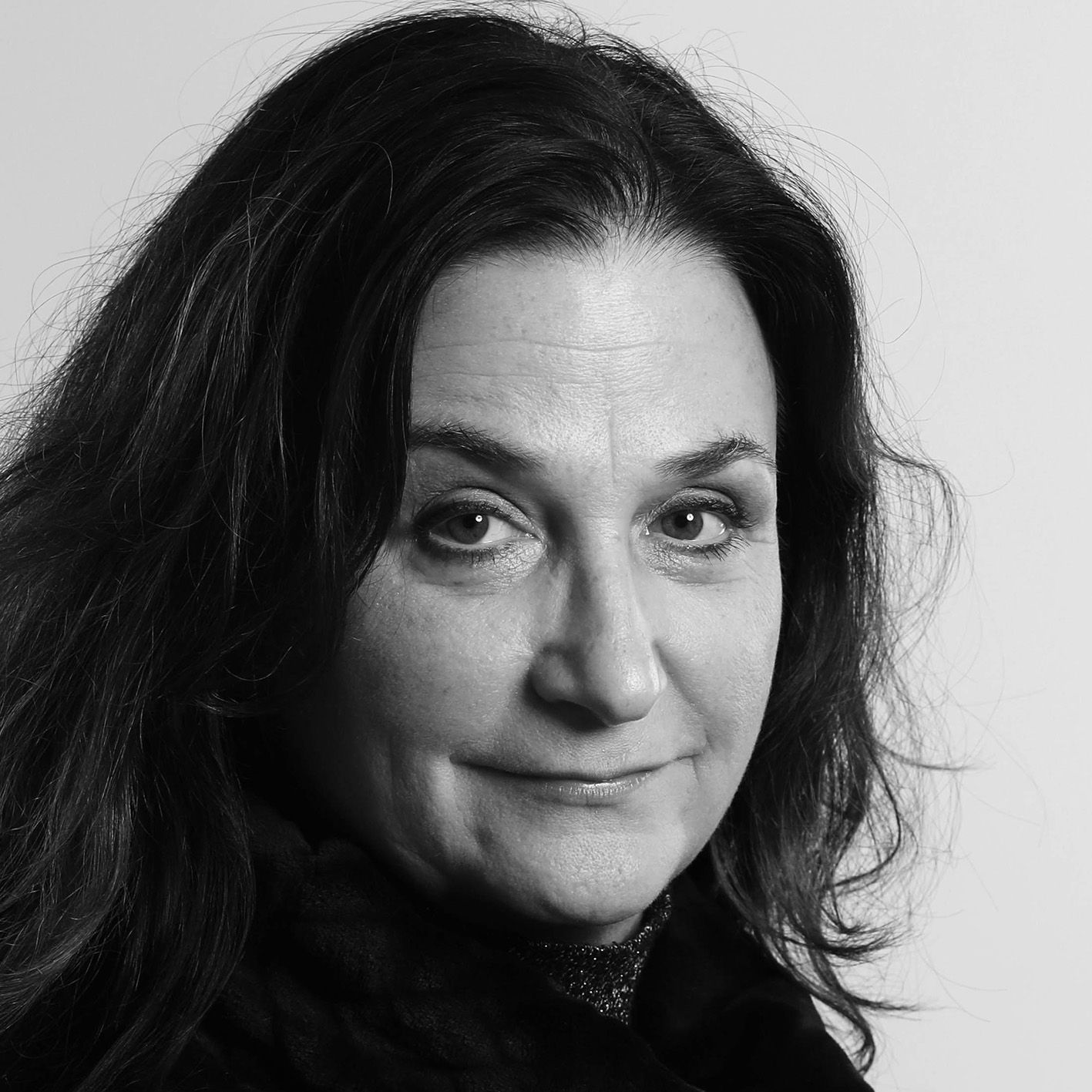

For four points, to what quiz question is “Natasha Kaplinsky” the unexpected right answer? There are, possibly, a few correct responses, but the one I have in mind asks: Which former news reader and Strictly Come Dancing winner now holds the position of Britain’s official film censor? Since 2022, as sharp-eyed cinema-goers will have spotted, it has been Kaplinsky’s signature on the ratings certificate that pops up before any public film screening.
From this month on, however, Kaplinsky will have a new resource to call upon when rating films, television shows or cartoons. Aside from her team of “compliance officers” at the British Board of Film Classification (BBFC), she has been joined by a freshly developed AI film censor.
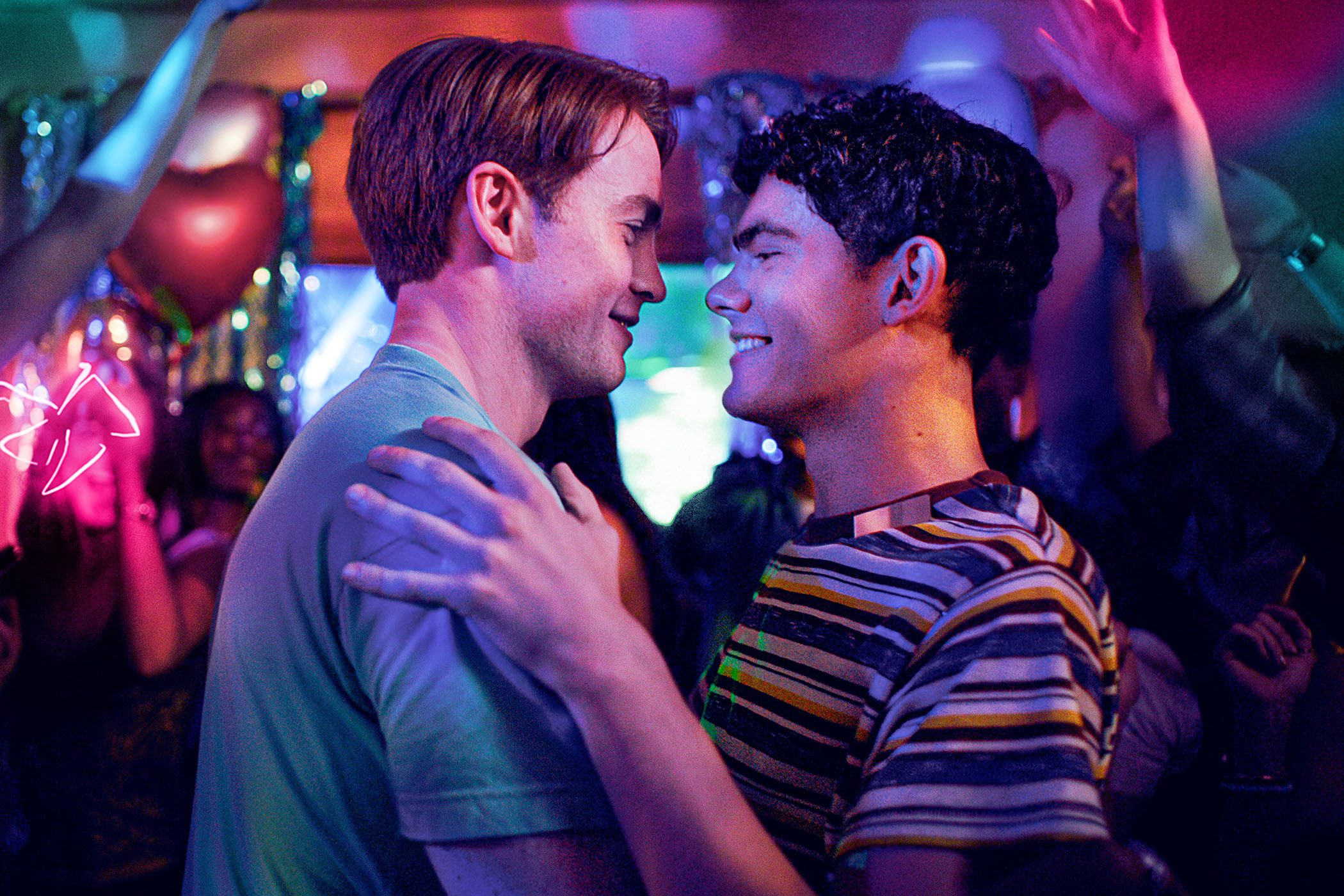
The BBFC has confirmed the successful deployment of its first AI tool, helping it to classify the whole of HBO Max’s library of entertainment for the UK. The bot has already aided its officers in sticking on BBFC age ratings and drawing up “bespoke” content advice, along classification guidelines.
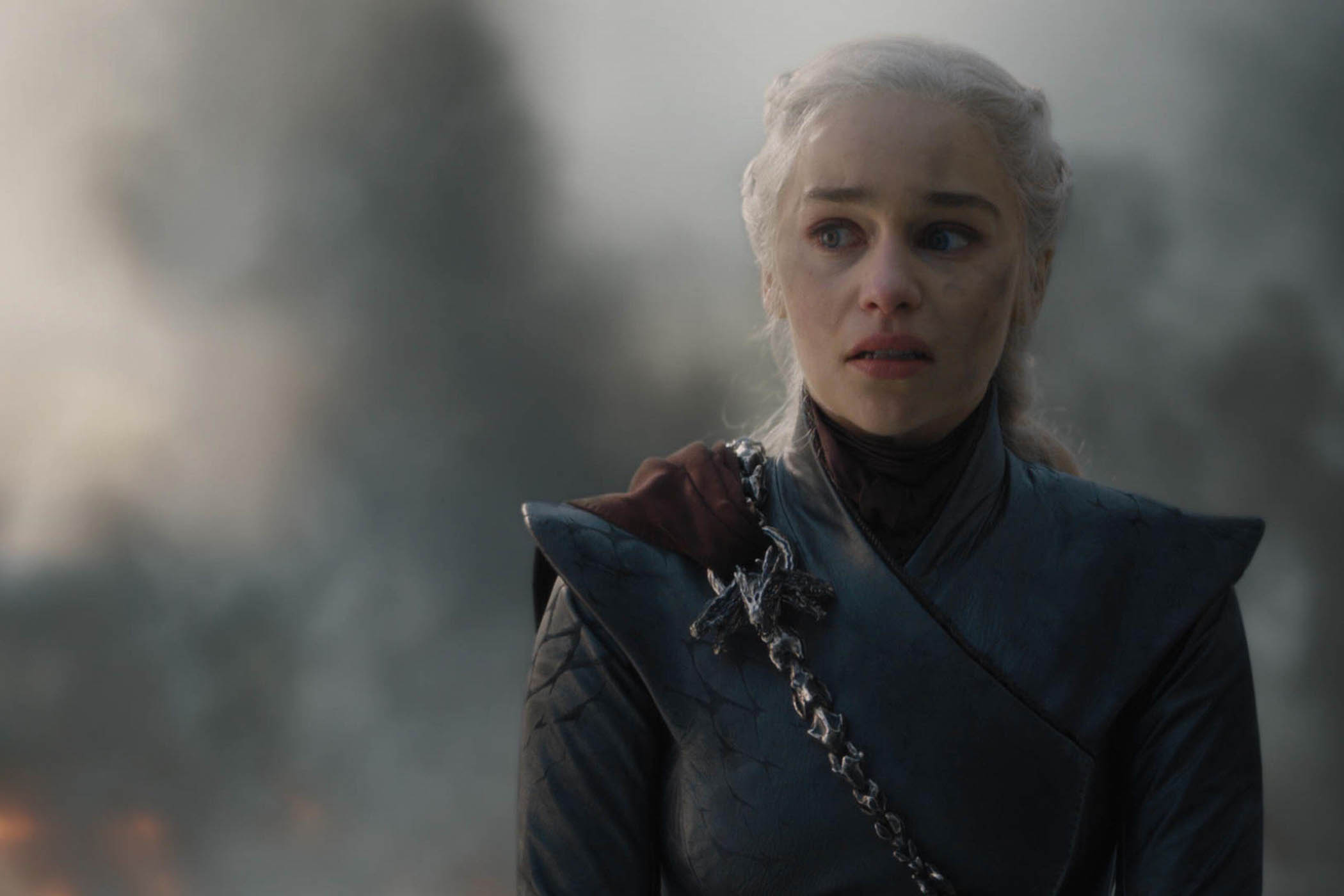
By using AI, the BBFC says, it has dealt with the streamer’s entire new UK catalogue, from Game of Thrones to Succession, in only six months. It says the same volume of content would probably have taken an officer 1,570 working days to process. David Austin, chief executive of the BBFC, sees it as “a major step forward in how we support families to make safe and informed viewing decisions”.
The AI tool works by highlighting each compliance issue in a film, show or documentary, including scenes of violence, nudity or bad language, so human officers can review the sequence. The BBFC is emphasising that the final age ratings and the advice it hands down will still be decided by trained officers, and that classification standards should not change.
Film censorship arrived in Britain with the 1909 Cinematograph Act, a reaction to rocketing audience numbers and to the fact that “flea pits” were not always safe places. When local authorities began to license premises, they also took an interest in what was being screened. A national board began standardising the rules and by 1916 there were 43 established grounds for deleting a scene, including showing mixed bathing, “scenes set in disorderly houses”, scenes “likely to bring into disrepute British prestige in the Empire” and the “materialisation of the figure of Christ”.
During the boom days of the 1970s, the board excised sequences from more than a quarter of all films. But it’s not all about cuts and bans. Just as important in recent years have been insipid warnings that a children’s film “contains infrequent mild threat” or perhaps the presence of dangerous “imitable techniques”.
The cuts that a BBFC examiner wants to make are styled merely as “requests”. There is no “forbidding” any more, although failing to issue a certificate is still an effective ban.
All the same, there have been big fusses about Sam Raimi's cult classic The Evil Dead, as well as the horror classic The Exorcist and, in 1996, David Cronenberg's Crash. In fact, when Crash came out a coalition of Christian and Muslim fundamentalists urged video stores not to stock it. The film of JG Ballard’s novel should be banned, it argued, because of its perverse depiction of human sexuality woven into the violent imagery of road carnage. Back then, Ballard himself told me he welcomed the censor’s decision to release this “brilliant and original” film. “I applaud it and hope it's part of a new trend,” he said, adding: “This film does not assume that anyone would take it literally.”
The BBFC is now on the brink of fresh potential controversy as it embraces AI, but it’s keen to clarify it will not be using the content of the films it monitors to train its own AI tool. The move to technology is justified, it also argues, by research that shows 96 per cent of UK parents would like to see consistent age ratings across all media platforms, including streamer content.
Twenty-five years ago, a previous BBFC director, Robin Duval, predicted that the board’s role would gradually become more a matter of guidance. “We are pretty much the only country left to enforce a film rating system by law,” he said in a speech. “In most of northern Europe and the Americas, film regulation is advisory and not mandatory. How long will Britain keep this up? As the internet and new media become more available, everyone wonders why one medium is regulated by law and another isn't.”
In 1997, when the late Princess Diana controversially took an underage Prince Harry to see the 15-certificate film The Devil's Own, the Kensington cinema involved was threatened with prosecution under the 1985 Cinemas Act. That might have been over the top, but today’s parents, royal highnesses and commoners alike, tend to yearn for more rigid rules about content, not more relaxed.
Photograph by Landmark Media / Alamy
Newsletters
Choose the newsletters you want to receive
View more
For information about how The Observer protects your data, read our Privacy Policy