



Effi O Blaenau
(91 mins, 15) Directed by Marc Evans; starring Leisa Gwenllian, Tom Rhys Harries, Owen Alun
There’s not much to do if, like Effi (Leisa Gwenllian) and her mates, you are unemployed and living in Blaenau Ffestiniog, a small town nestled in the slate-grey scree-slopes of north Wales. In Effi’s hedonistic weekly binges, cornershop vodka is served by the mug-full and the hangovers are equally generous, stretching over three liver-shrivelling days at a time. Marc Evans’s bracing Welsh-language adaptation of Gary Owen’s acclaimed one-woman play, Iphigenia in Splott, is bookended by Effi’s truculent narration, but the main body of the film colourfully fleshes out this Greek tragedy transposed to working-class Wales.
The handheld camera is charged with Effi’s erratic, impetuous energy. Her main hobbies are picking fights with her nan and the neighbours, getting wasted with her bestie Leanne (Nel Rhys Lewis) and snaffling the drug supply of lovesick Kev (Owen Alun). Then one night in a club in a coastal town, she spots Lee (Tom Rhys Harries). He’s a former soldier with yellow hair and sad eyes. They spend the night together; Effi is smitten enough to think that this might be the moment when her life changes for the better. But Lee ghosts her and Effi is left to deal with the unanticipated consequences of their fling – a pregnancy, initially unwanted but soon the focus of all her hopes for the future. However, a critically overstretched health service fails Effi and her unborn baby when she prematurely goes into labour. What could have been a bit of a social realist slog is elevated by Gwenllian’s mercurial and expressive performance. We don’t always like Effi but we can’t take our eyes off her.
Familiar Touch
(92 mins, 12A) Directed by Sarah Friedland; starring Kathleen Chalfant, H Jon Benjamin, Rafael Hernandez
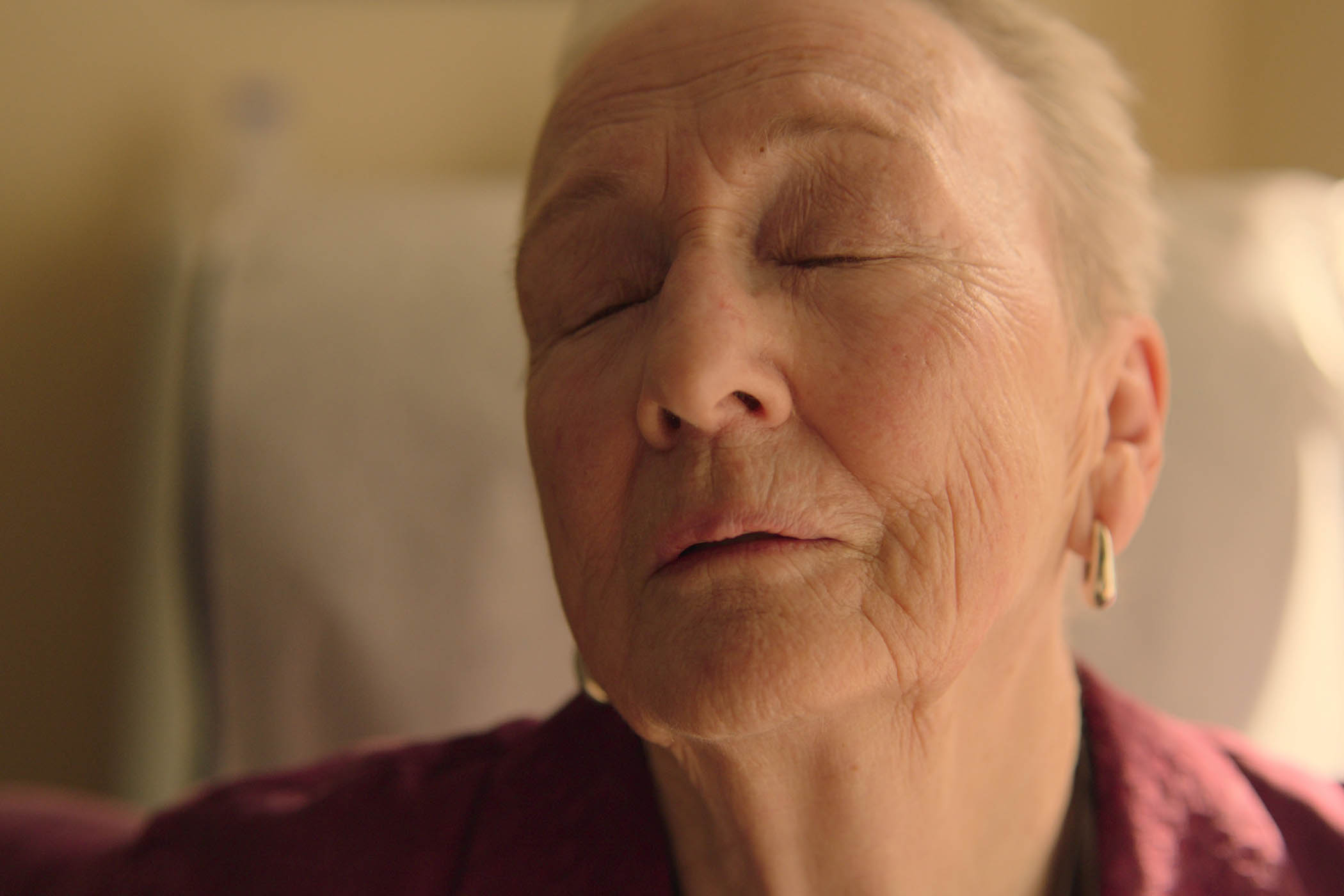
Films about dementia tend to be told from the outside, taking the point of view of the people who are mourning the gradual loss of their loved ones, as the memories that shape them slip away. But Sarah Friedland’s superb drama Familiar Touch flips the perspective, showing us the experience of Ruth (a remarkable performance by Kathleen Chalfant), an elderly woman living in an assisted living facility in New York state. Ruth has dementia. But as anyone who has known someone with dementia will attest, memory loss is not a straight line. There are moments in which Ruth snaps back into focus and we see the capable, articulate woman who wrote cookbooks and ran her kitchen with precision. At others, she’s blurred around the edges, groping through the haze of her memories to make sense of her surroundings. It’s a sensitive and profoundly affecting piece of film-making that draws on Friedland’s experiences as a careworker for the elderly and as a choreographer: Ruth’s sense memories dictate the way she navigates the world, even when she no longer recognises it.

Nino
(97 mins, 15) Directed by Pauline Loquès; starring Théodore Pellerin, William Lebghil, Salomé Dewaels
Certain performers effortlessly elevate any role they touch. And the 29-year-old French Canadian actor Théodore Pellerin is one such artist. He was wrenching as an emotionally vulnerable drag performer in Solo; mesmerisingly creepy as the obsessive, intrusive fan in Lurker; and now he is devastating in Pauline Loquès’s Paris-set debut, Nino, in which he plays a young man reeling after a cancer diagnosis. Overstretched medical facilities seem to be a recurring theme in films this week: in this case, a breakdown of communication means a hospital nurse assumes Nino had already been told that he has throat cancer. Nino learns of his diagnosis in the most brutal way imaginable; not surprisingly, he is stricken. It’s a low-key performance compared with some of Pellerin’s previous work. Nino’s muted anguish over the weekend following his diagnosis is largely internalised, relying on subtle shifts in the character’s numbness. It’s a remarkable performance in a sensitive, empathetic picture.
Newsletters
Choose the newsletters you want to receive
View more
For information about how The Observer protects your data, read our Privacy Policy
Virginia Woolf’s Day and Night
(95 mins, 12A) Directed by Tina Gharavi; starring Haley Bennett, Timothy Spall, Lily Allen
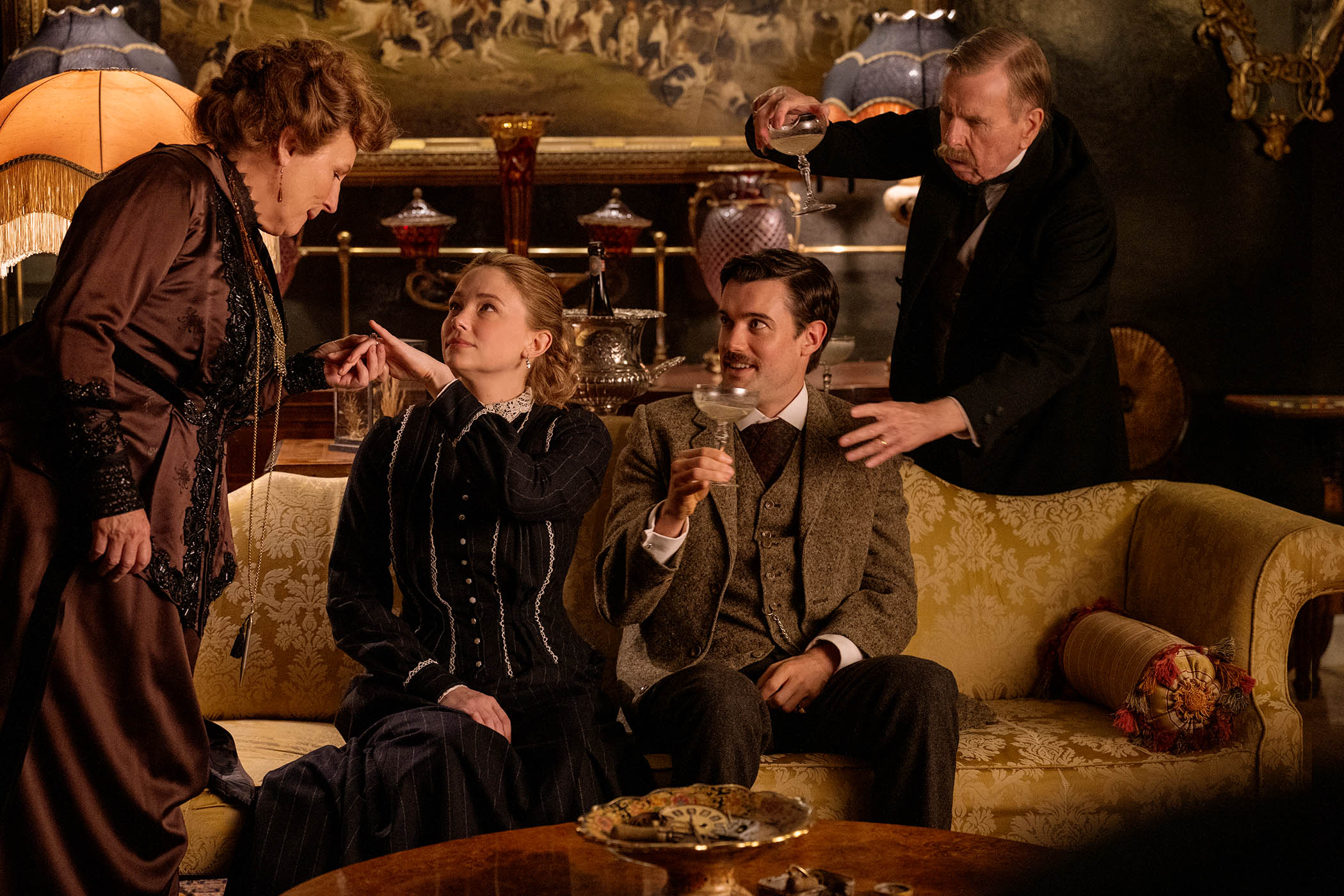
London, 1910. Katherine Hilbery (Haley Bennett, shining with a fresh, natural and utterly disarming performance) is being not-so-subtly nudged towards a convenient marriage to her harmless but buffoonish childhood friend, William (Jack Whitehall). But Katherine, a keen astronomer with a brilliant mind, has other ambitions. She dreams of studying physics at Cambridge, an aspiration that is met with braying incredulity by the male university establishment and much harrumphing and disapproval from her pompous and overbearing father (Timothy Spall). But this loose adaptation of Virginia Woolf’s novel unfolds at a time when young women are starting to shape their own destinies. A chance encounter with a group of suffragettes led by Mary (Lily Allen, somewhat miscast) prompts Katherine to aim for the academic stars. Directed by British Iranian film-maker Tina Gharavi, this is a delight: a spirited and slightly quirky tale of female empowerment.
Cactus Pears
(113 mins, 15) Directed by Rohan Kanawade; starring Bhushaan Manoj, Suraaj Suman, Jayshri Jagtap
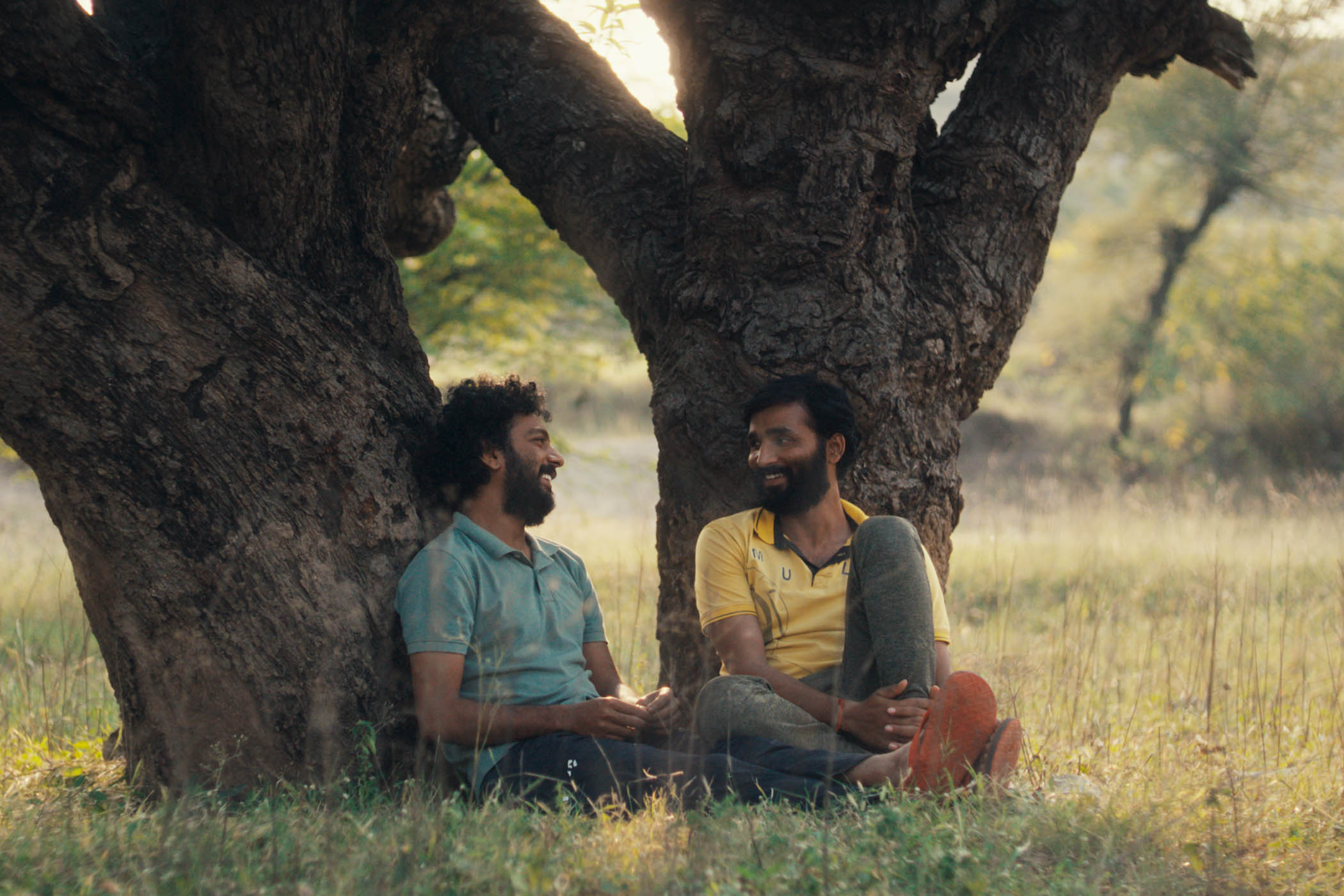
Thirtysomething, single and gay, Anand (Bhushaan Manoj) has made a life for himself in Mumbai, a world away from the conservative rural village of his birth. But when his father dies, Anand must return and negotiate his grief and the rigid expectations of his role in the community. The sharp-tongued aunties nag him to find a wife in the village, but Anand is drawn to his childhood friend, Balya (Suraaj Suman). This subdued but quietly powerful Marathi-language drama is an assured debut from Rohan Kanawade, whose perceptive lens taps into the tacit tensions between Anand and his extended family. A tender performance from Manoj anchors the picture.
Photographs courtesy Christelle+Co, Rathaus Films, Blue Monday Productions, Vue Lumiere, Cactus Pears