
Related articles:
I was primed to love Top Gun. I grew up believing my dad was a pilot. He was born in 1924, so he would have been 17 when the US entered the second world war. He joined up the following year. Eventually, he flew B-29s, the most sophisticated heavy bomber of its day, in the Pacific. How did I know all this? I just did, the way you know things in your family. He didn’t talk about the war. But then, plenty of people didn’t.
After he died, I discovered that none of the above, apart from the year of his birth, was true. It was a strange discovery, to say the least. My father was a wonderful man, kind and generous and essentially truthful. But my mother wanted him to be a certain kind of hero. Somehow, he went along with it. He was also Jewish: I grew up believing he was not. One story of commission and one of omission. (I type “story”: my husband, who loved my dad, uses the word “lie”, which is of course correct.) My parents are both long gone; my mom died of grief, essentially, not long after my dad died. It’s too late to ask anyone anything.
But when I went to see the 40th anniversary screening of Top Gun (and its sequel) at the BFI Imax on London’s South Bank last week, some of those thoughts were in my mind. Four decades on, the relentless charm of the young Tom Cruise still blows you away like jet wash. The weird, cold war optimism shimmers in the original movie, burnished by director Tony Scott’s commercial gloss: in fact, the flying seems almost secondary to the sweat-sheened beauty of its American heroes. And watching the two films back to back, you see very clearly the call and response between the two, the lines and themes repeated like offerings to the gods of the sky. Talk to me, Goose. There will be others. Rivals who are allies in the end. Ultimate risk and ultimate reward. These are the rhythms the epic poets understood.
Maverick is too old in the second film Top Gun: Maverick. Everyone knows it. Everyone knows he has, in a very real sense, failed. His peers have left him in the dust. Mortality shadows the film. And we might consider whether it is possible that all but the first 11 minutes of the movie never “happen” at all.
In those first 11 minutes, Mav flies at Mach 10 (!) in the Darkstar, a super-supersonic jet. His survival, when the plane explodes, is perhaps the most unbelievable event in a movie full of unbelievable events. Watching again, I wonder what if in fact Maverick has died, and the rest of the film is a wish-fulfilling death dream? From his reunion with the dying Iceman; to Mav finding love and vowing to settle down. This moves beyond a Hollywood happy ending into a kind of spiritual fantasy. Death comes, but the story goes on. Questions are answered; old wounds healed.
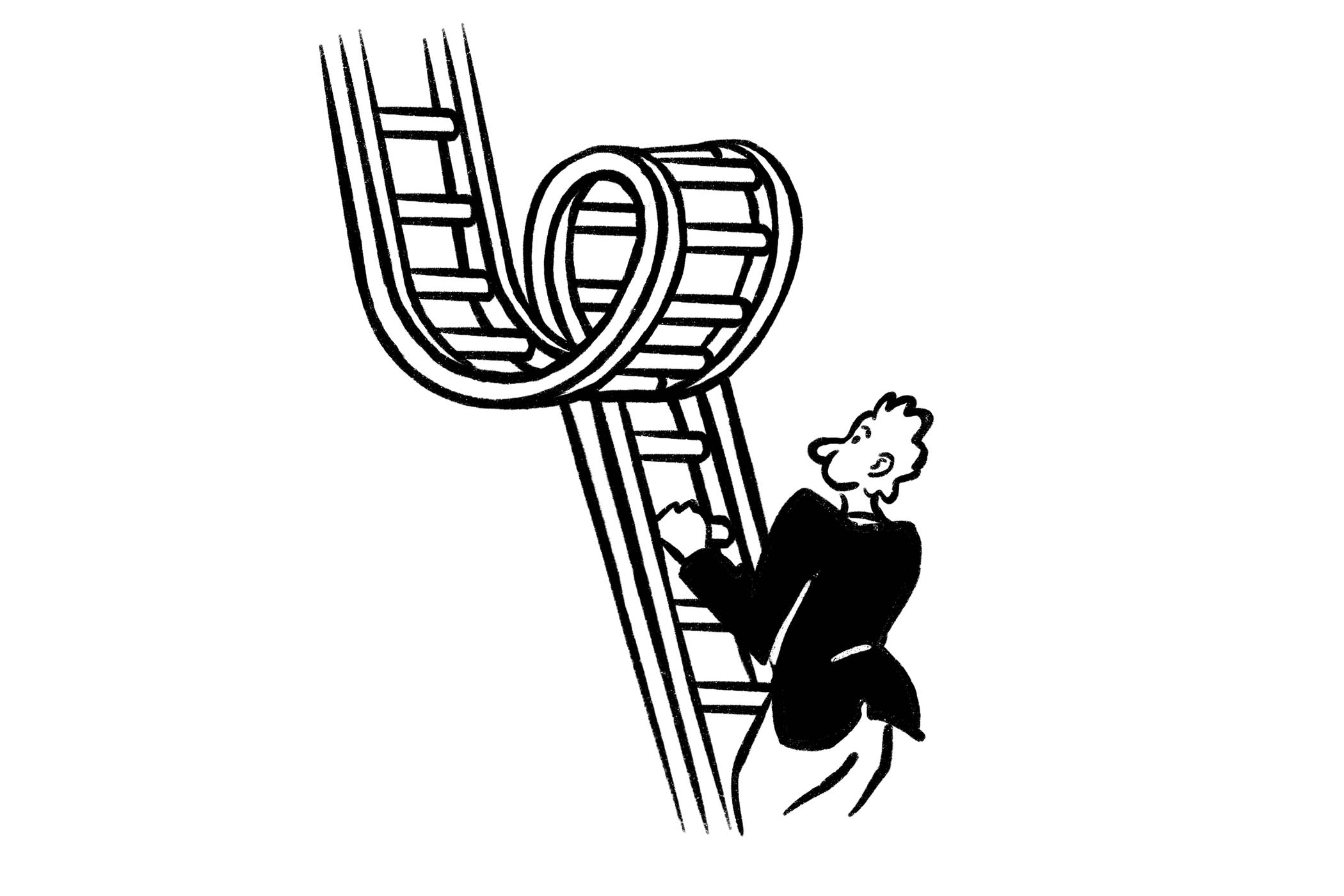
And I’m struck by something else: that the wish to take the air – to have taken to the air – is the oldest story of aspiration and transformation. My dad would have recognised that. If we can soar, we can be anything we want to be; we can escape our relentlessly earthbound selves. Top Gun taps into that ruthless dream as plain Pete Mitchell remakes himself as Maverick, the naval aviator who won’t play by the rules.
As in our oldest tales, these two films are stories about fathers and sons, love and loss, myth and reality. Tom Cruise knows, perhaps better than anyone else alive, that the movies allow us, purely and absolutely, to be who we need to be at least while we’re in thrall to the big screen. My father – the pilot he never was. Me – the son my father never had. It’s all true for as long as it lasts. We fly in hope.
More In Real Life: