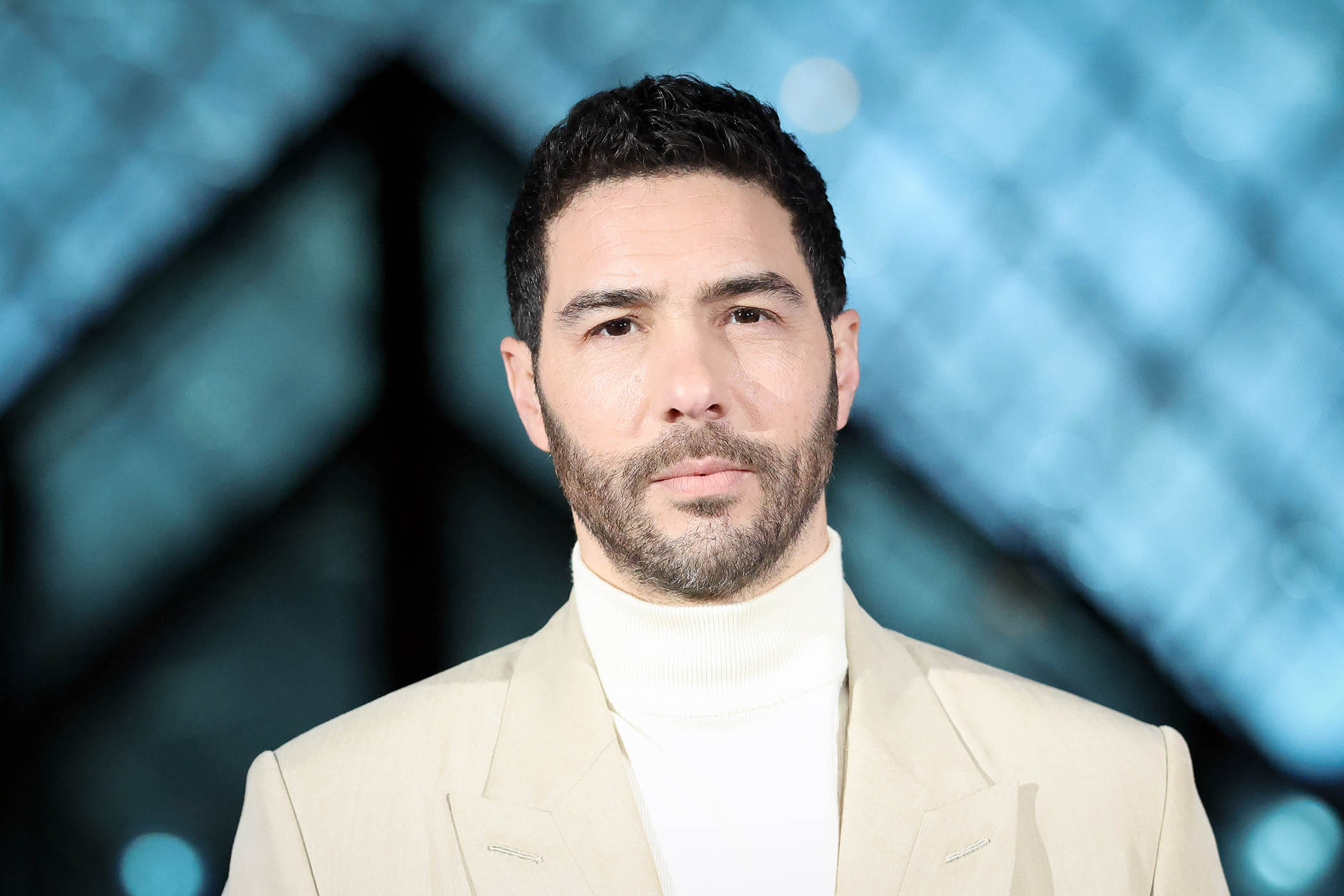
Tahar Rahim was born in Belfort, France, in 1981 and studied film in Montpellier then drama in Paris. His lead role in Jacques Audiard’s explosive prison drama A Prophet brought him to international attention in 2009, earning him two César awards and a Bafta nomination. Since then he has starred in The Looming Tower, The Mauritanian and as French serial killer Charles Sobhraj in The Serpent. He is married to French actress Leïla Bekhti. Rahim stars as a notorious contract killer on the run in Sky’s new thriller series Prisoner, from 30 April.
Film
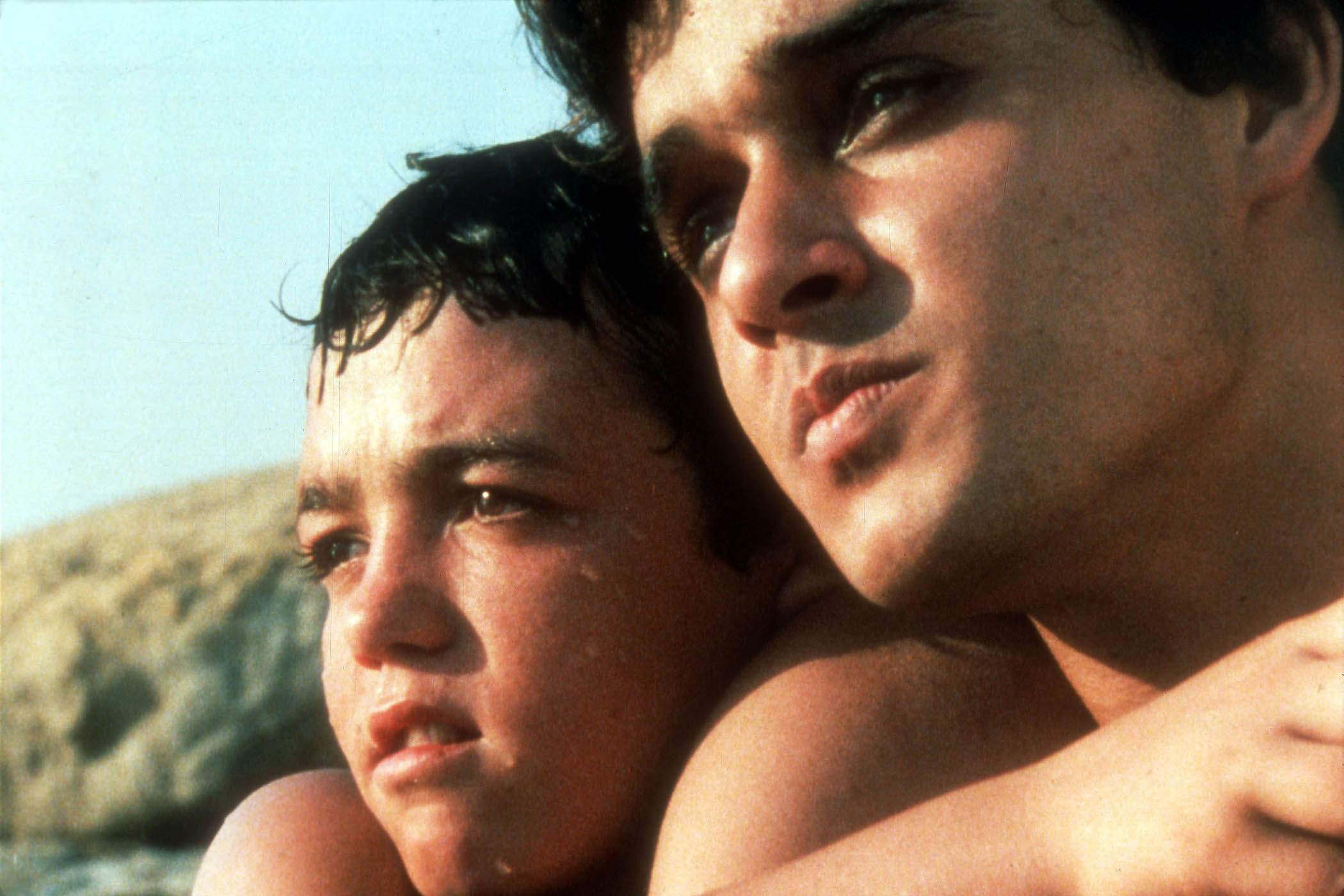
Pixote (1980, dir. Héctor Babenco)
This film is a masterpiece. It’s about a 10-year-old kid who escapes a juvenile detention centre in São Paulo and falls into a life of drugs and petty crime. Babenco cast children from real favelas and that creates this uncomfortable space between fiction and documentary where you can never really tell which you’re watching. There’s no sentimentality, no redemption arc, no adult that shows up to save anyone. It’s tough, but there’s also a tenderness in it. For me it’s one of the most essential films in movie history.
Restaurant
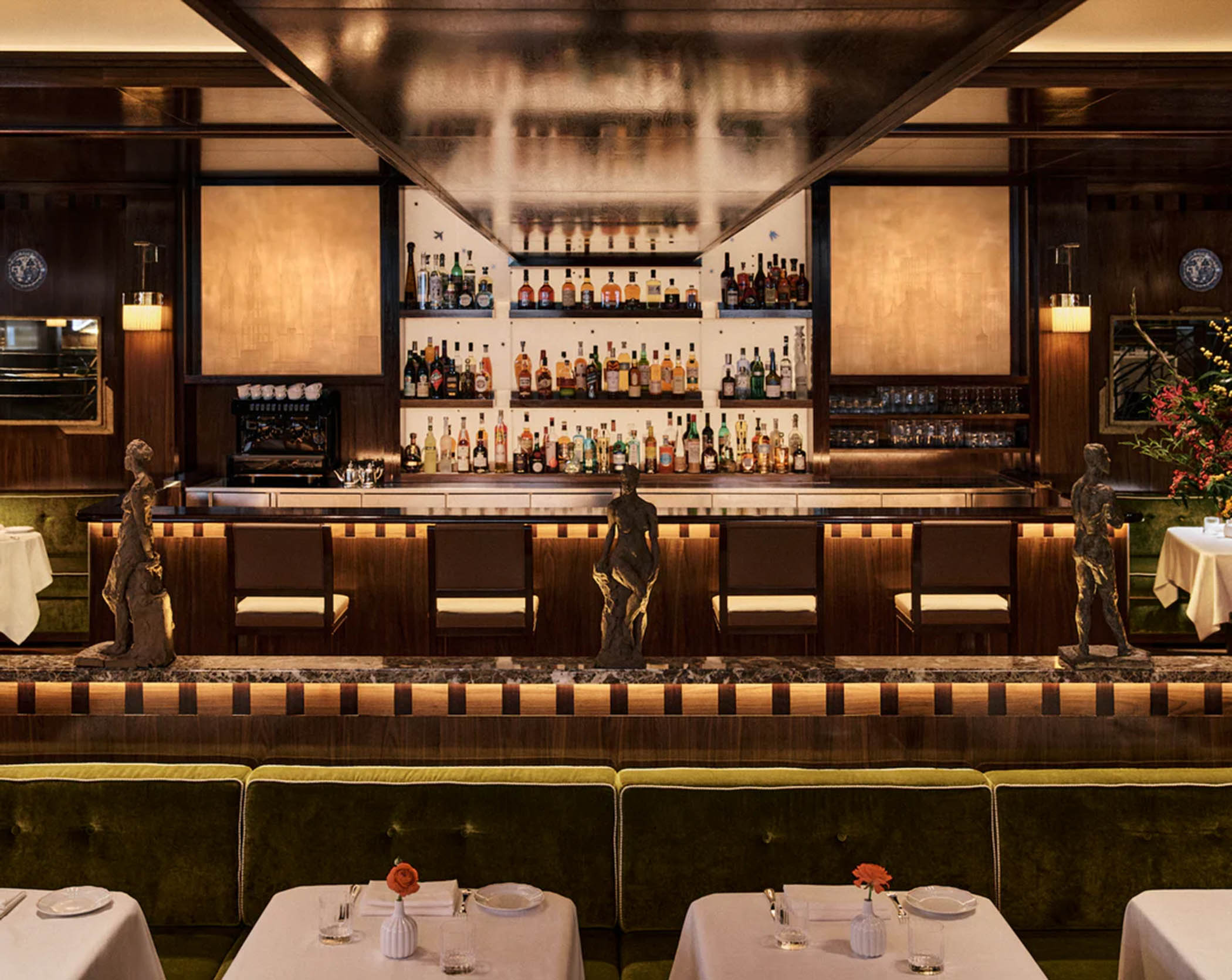
Sant Ambroeus, Paris
I spend a lot of time in New York and always end up going back to Sant Ambroeus. When I heard they were opening a branch in Paris, I was curious to see if it would feel the same, and it really does. The design is just amazing, with dark wood and green velvet seats. The food is amazing too: Milanese classics and delicious pastries. I love the rhythm of it: you can go at eight in the morning for breakfast or coffee, and it works just as well at night. Having this just around the corner [from where I live] in Paris is pretty special.
Podcast

The Infinite Monkey Cage
I’m a big fan of astronomy. I loved it as a kid and I wish I could have been an astronaut or a science communicator like Carl Sagan, but I’m just an actor. I recently listened to an episode of this podcast about black holes. I came across it by accident and there was something about the tone that stuck with me. It’s super smart but never feels heavy. They get into these very wild, crazy, complicated ideas, like time dilation, and somehow make it pretty easy to understand. This playful way of talking about deep and complex topics felt really fresh and different to me.
Book
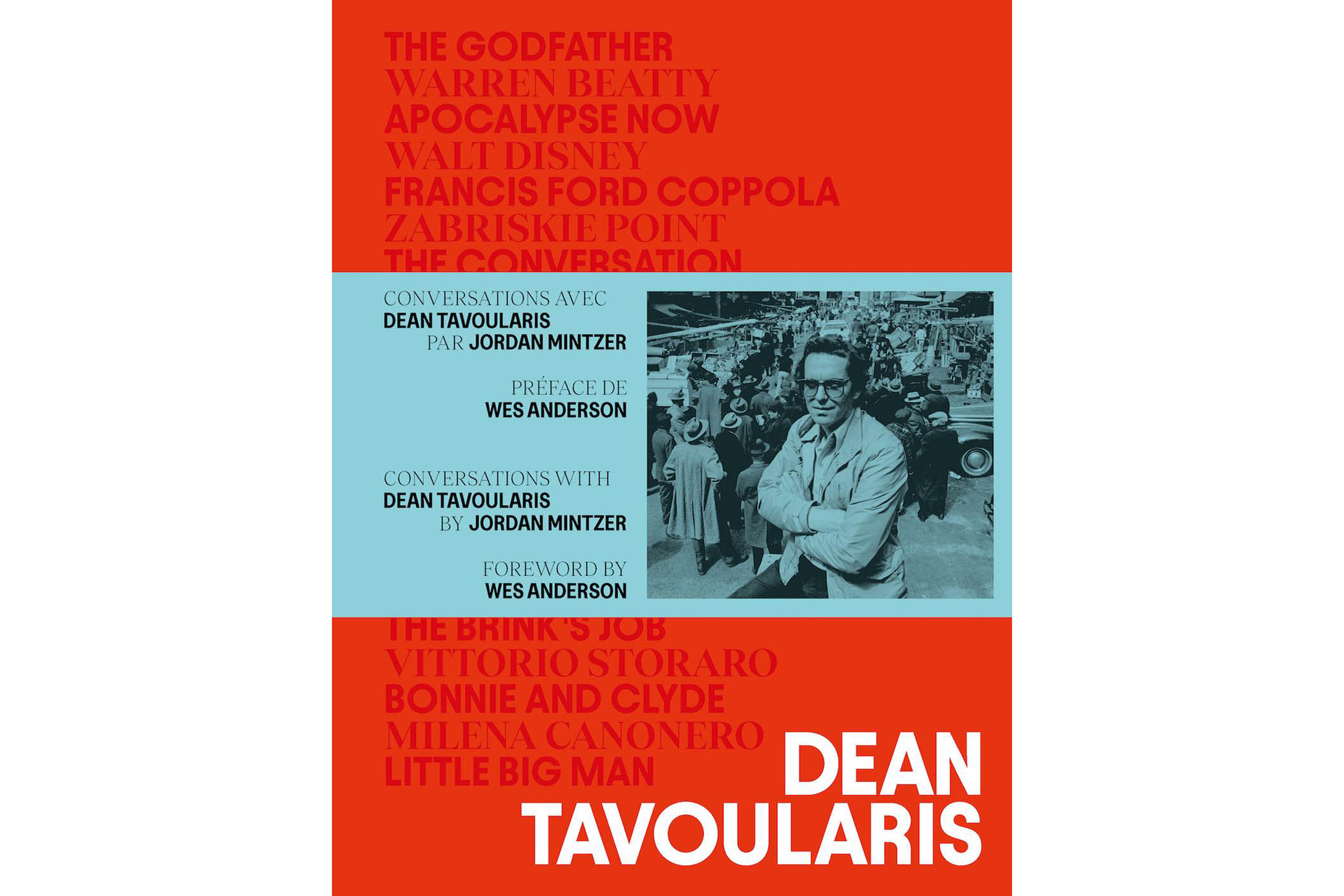
Conversations with Dean Tavoularis by Jordan Mintzer
Synecdoche is a small Parisian publisher that puts out long, serious conversations with people who are making movies. It’s not about stars or directors, though they have one with James Gray. The one with the set designer Dean Tavoularis is the one to have. He designed the movies that inspired me most: The Godfather, Apocalypse Now, The Conversation, Bonnie & Clyde. What comes through is how much a production designer is thinking about the story, not just decoration. You can find his drawings, set photos, storyboards and more here.
Audiobook
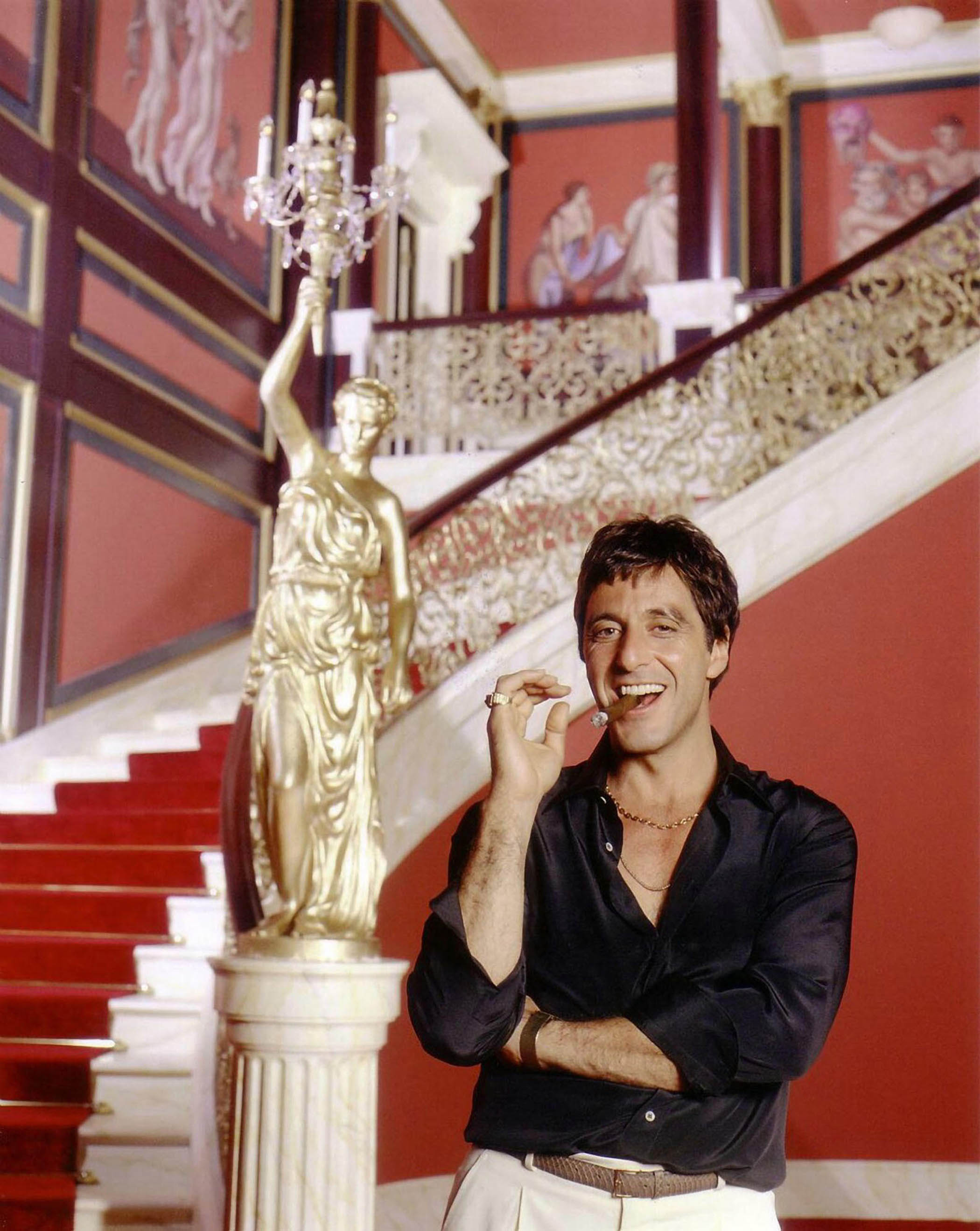
Sonny Boy by Al Pacino
You forget about most actor memoirs quickly. Here, it’s not the case. Al Pacino wrote his with the help of Dave Itzkoff and it reads the way he talks: funny, revealing, intimate. I recommend the audiobook read by Pacino himself. It’s like sitting in front of him in a restaurant and he’s just decided to tell you everything. He talks about his childhood; his family; his friends, who mostly ended up dead or in jail; and about how being noticed by a teacher at performing art school saved his life.
Photography
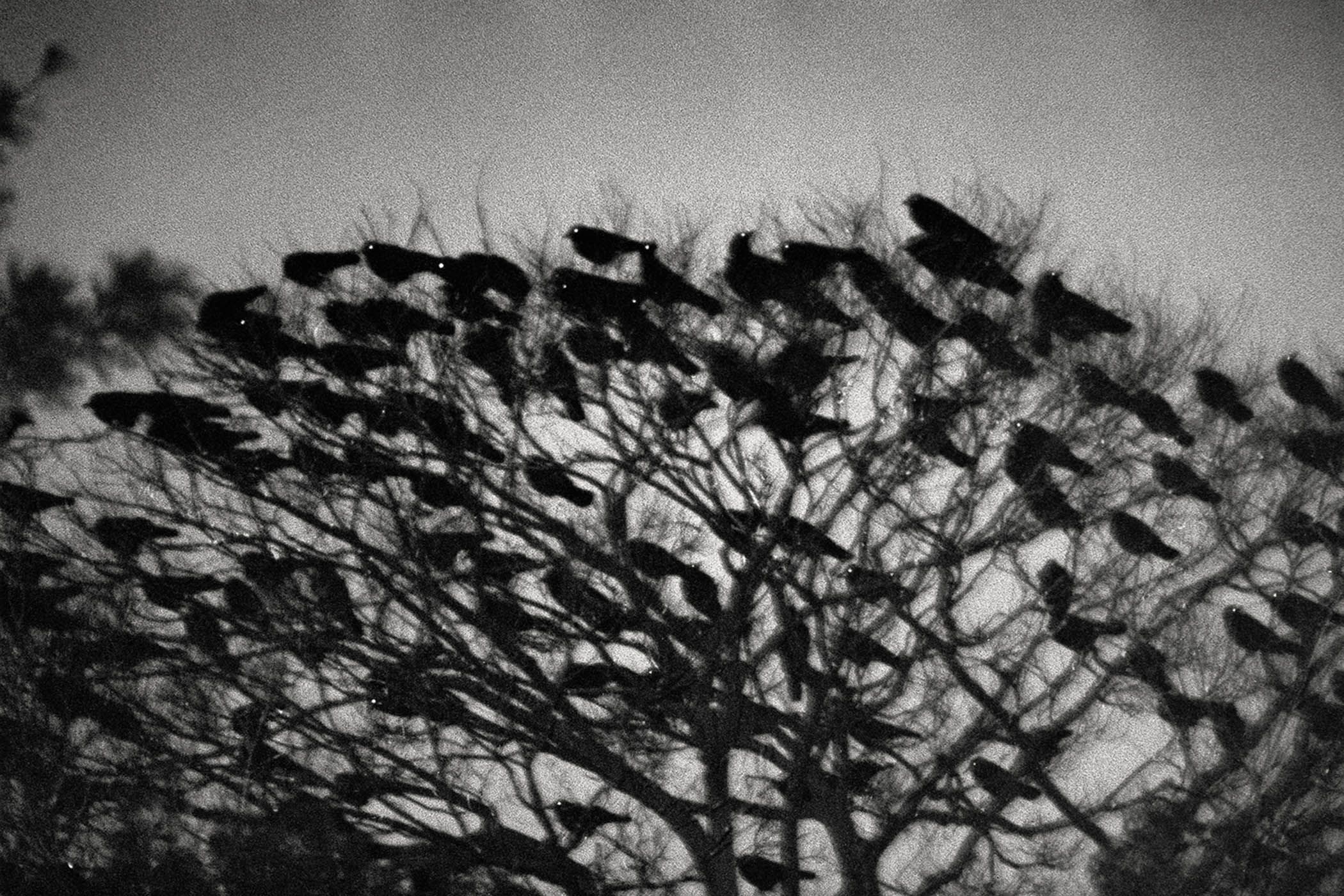
Ravens by Masahisa Fukase
I picked up this photography book at a friend’s house and didn’t put it down for half an hour. Masahisa Fukase became obsessed with photographing ravens – on telephone wires, snow fields, against grey skies. They’re always black and white, very dark, almost abstract. It feels like a man pouring his sadness into a single image over and over, till it becomes something bigger – an allegory for loss, for life in postwar Japan, for what happens when you let an obsession consume you. It carries you to the edge of yourself.
Photographs by Aurore Marechal/Getty Images, Universal Pictures/Album