
Related articles:
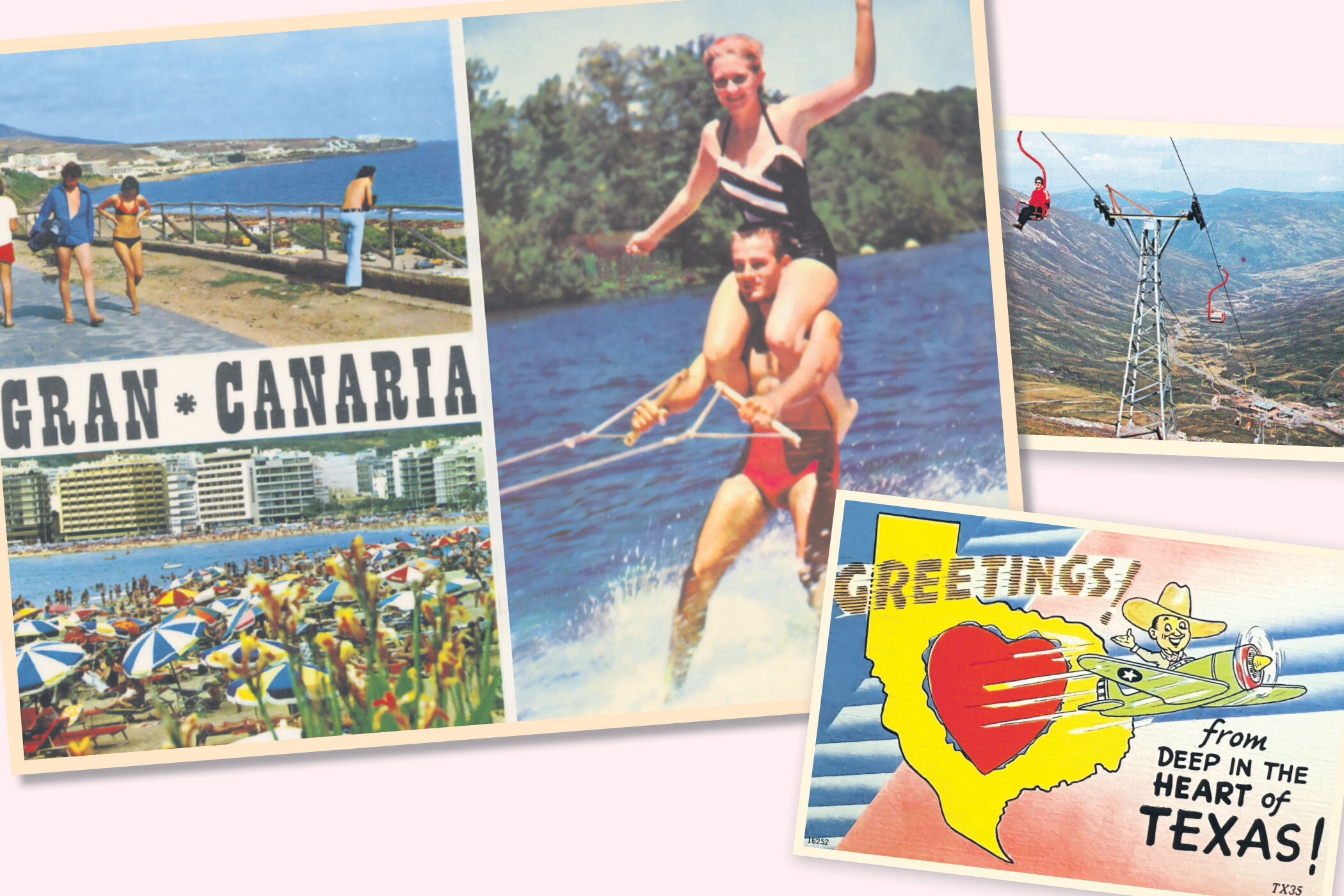
In 2012, I called Martin Parr to ask him a favour. I had just interviewed the British photographer for a magazine I was editing at the time, and though the conversation had gone very well, I was in a pinch: I needed to place one of Parr’s photos on the cover, but which one? So much of his portfolio was already very well known to so many people, and almost all of his pictures were considered classics of his particular genre of social documentary. How might we stand out?
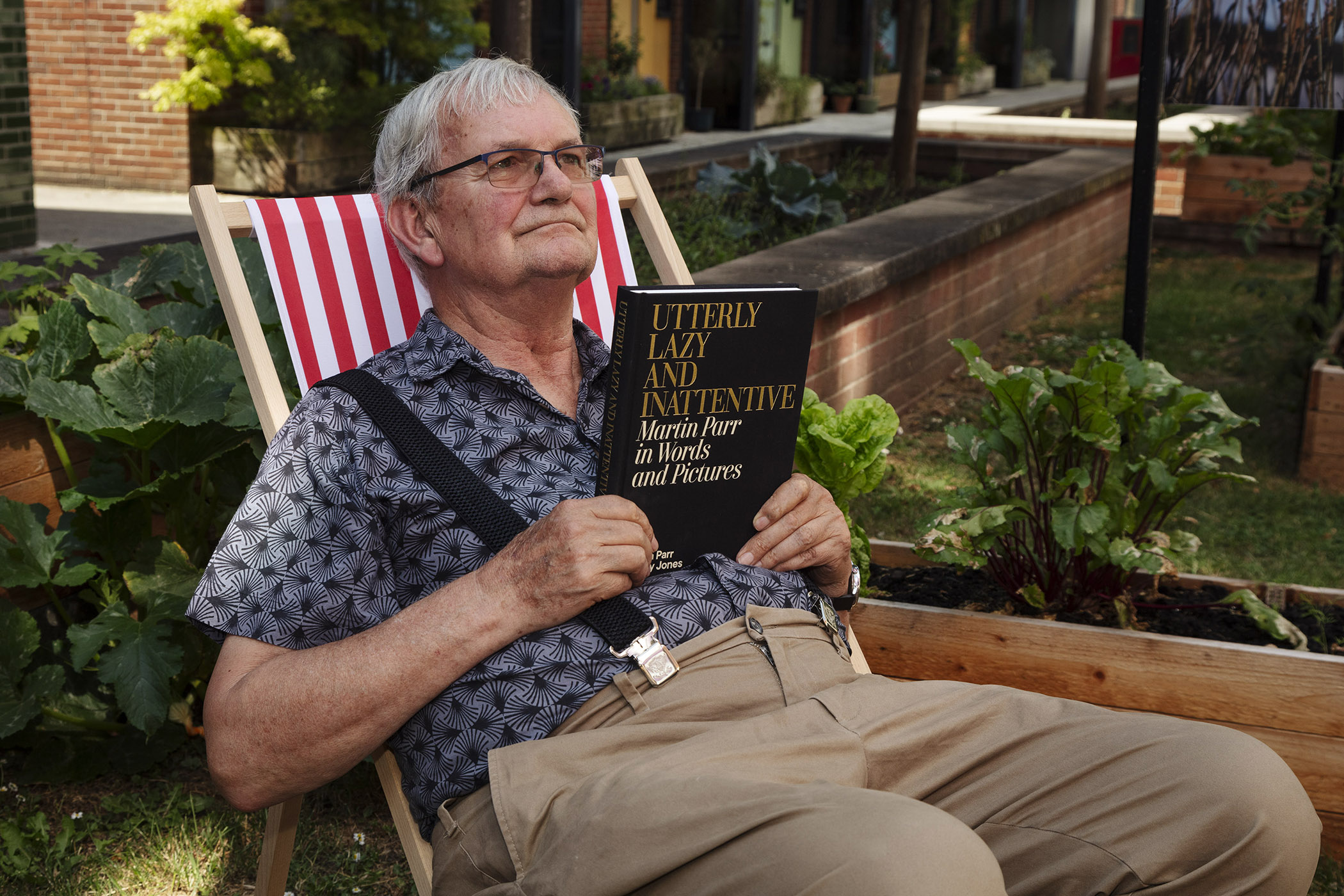
Back then, Parr was already presenting in much the same way he did until he died on Saturday at the age of 73: a pleasant looking older gentleman with white hair and a benign expression. But he had a reputation for being, on occasion, ornery, and I was apprehensive. The favour I had to ask him was difficult.
Parr had sent over a selection of photographs from which we could choose a cover image. One, of a young woman showering on a Rio beach and, just behind her, a much older, much more rotund man doing the same thing, caught my eye. The power of the photograph lay in the contrast of the two very different bodies, but I wanted to remove the woman entirely, honing in on the man, who I thought looked like Santa on holiday and would make a terrific cover star.
Though I was very green to magazine making, even I knew the suggestion was audacious. It was the kind of request that would make an amateur photographer blanch – a complete shift in the image’s intention. But it was the only way I could see us doing something almost original.
Parr picked up the phone in a grump. He knew an ask of some sort was coming. But when I told him of the magazine’s intended plan, he seemed thrilled, and we went ahead. I always wondered why the reaction had been so positive. Perhaps he valued an old picture being given new meaning. Maybe he was more focused on making new work, which he was doing until at least a few weeks ago. Perhaps, given we were only a small magazine, he didn’t care.
Whatever the reason, I ended up working with Parr a number of times over the following decade, interviewing him and commissioning him. He said yes to whatever request I had, mostly happily, which he also did to many of my peers, particularly younger photographers, offering advice and guidance freely.
On one occasion he photographed the artists Paul Wood and John Harrison for me. He had them standing halfway up a stepladder in their Bristol studio, which was not far from Parr’s own. Wood and Harrison, terrific artists in their own right, told me later that the experience had been an honour, which I presume is what most people felt having been photographed by him. Parr himself told me he had had an OK time. The photograph cost me £200.
For that first interview, I commissioned a new portrait of Parr to run alongside the text. Given he was one of the world’s greatest and most important photographers, I had imagined he would do it himself. But his wife Susie took the picture instead. When the image came in, I was thrilled: there was the great Martin Parr, standing upright in plain clothes in front of his plain brown front door. With all the respect in the world, it looked like it had been taken only a few minutes before it was emailed over. It was not at all lit and not at all posed, and nothing about it seemed fabricated in any way. It was as if he were just leaving his home for a new day of taking pictures. “Would you just stand there,” I imagined Susie to have said. And snap. Perfect.
Related articles:
Photographs courtesy Martin Parr Foundation
Newsletters
Choose the newsletters you want to receive
View more
For information about how The Observer protects your data, read our Privacy Policy