Related articles:
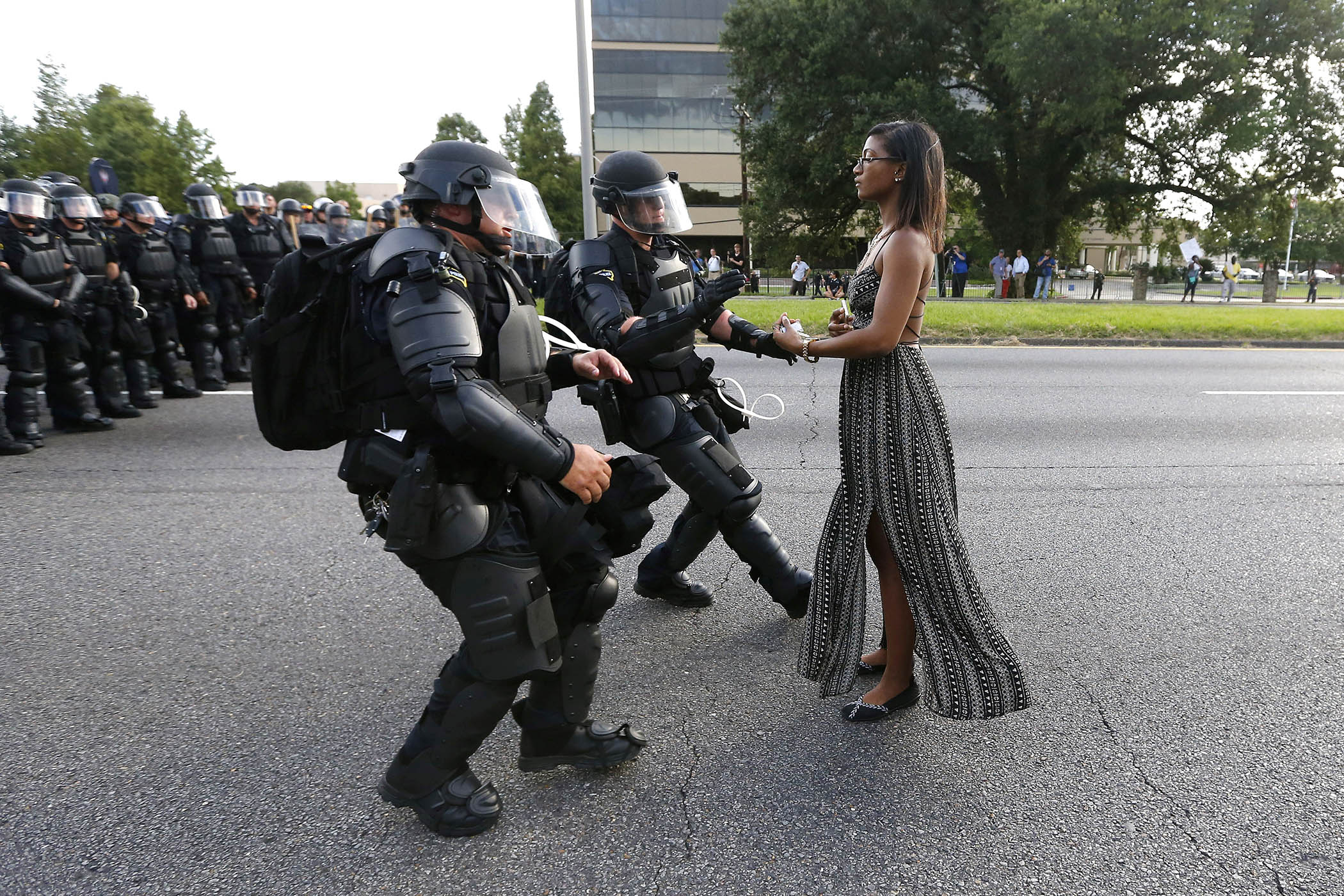
The criteria for choosing the 25 most outstanding photographs of the century so far will always tilt towards photojournalism, the genre in which a single image can come to define an event, a conflict or a seismic political moment. Thus the images included here, capturing the drama of Black Lives Matter protests, the despair of ordinary Palestinians in Gaza and the torture inflicted on detainees in Abu Ghraib prison, need no justification.
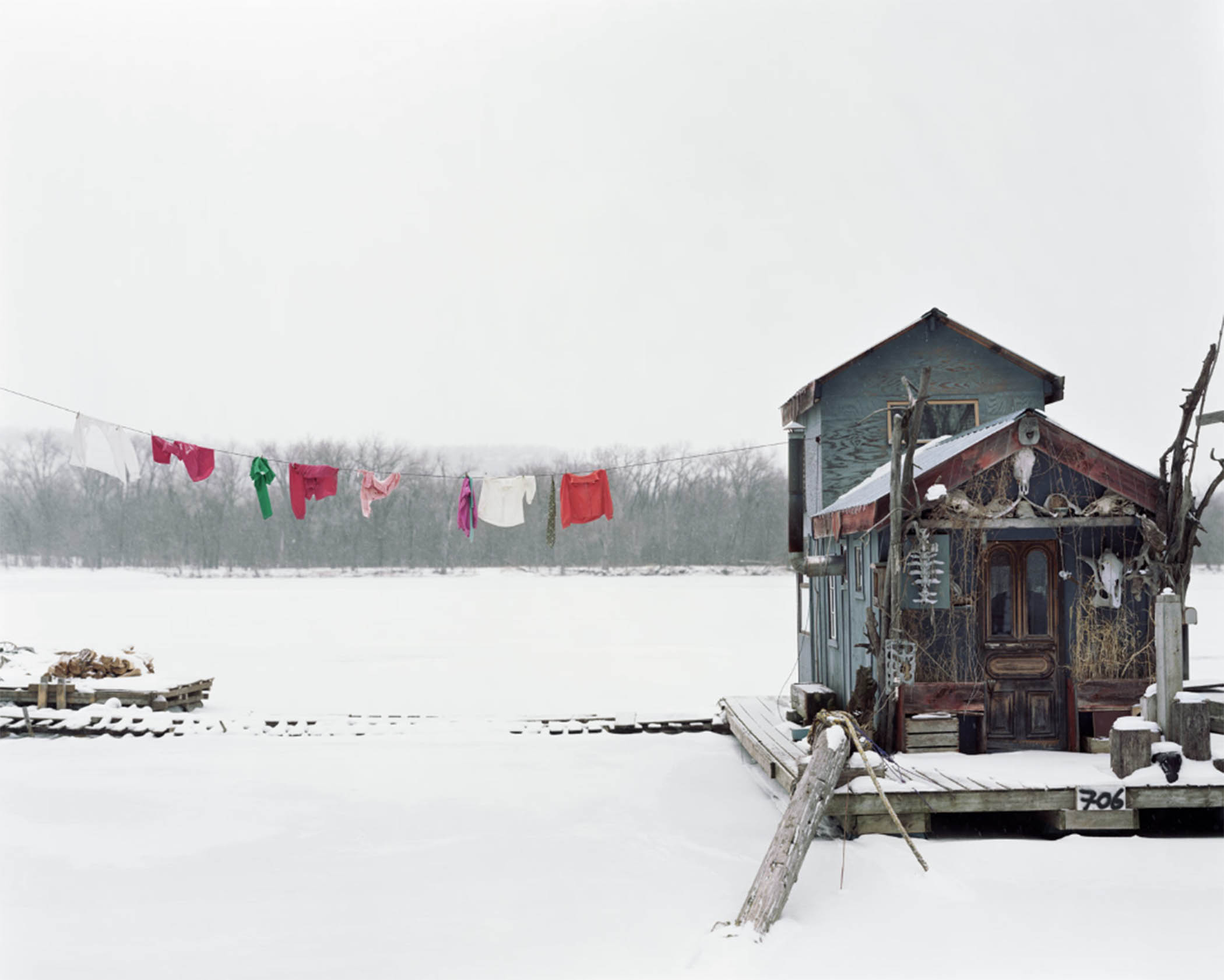
We also wanted to include photographers who invigorated certain genres with a body of work rather than a defining single image; both Alec Soth and Rinko Kawauchi are included for their different kinds of quiet observation.
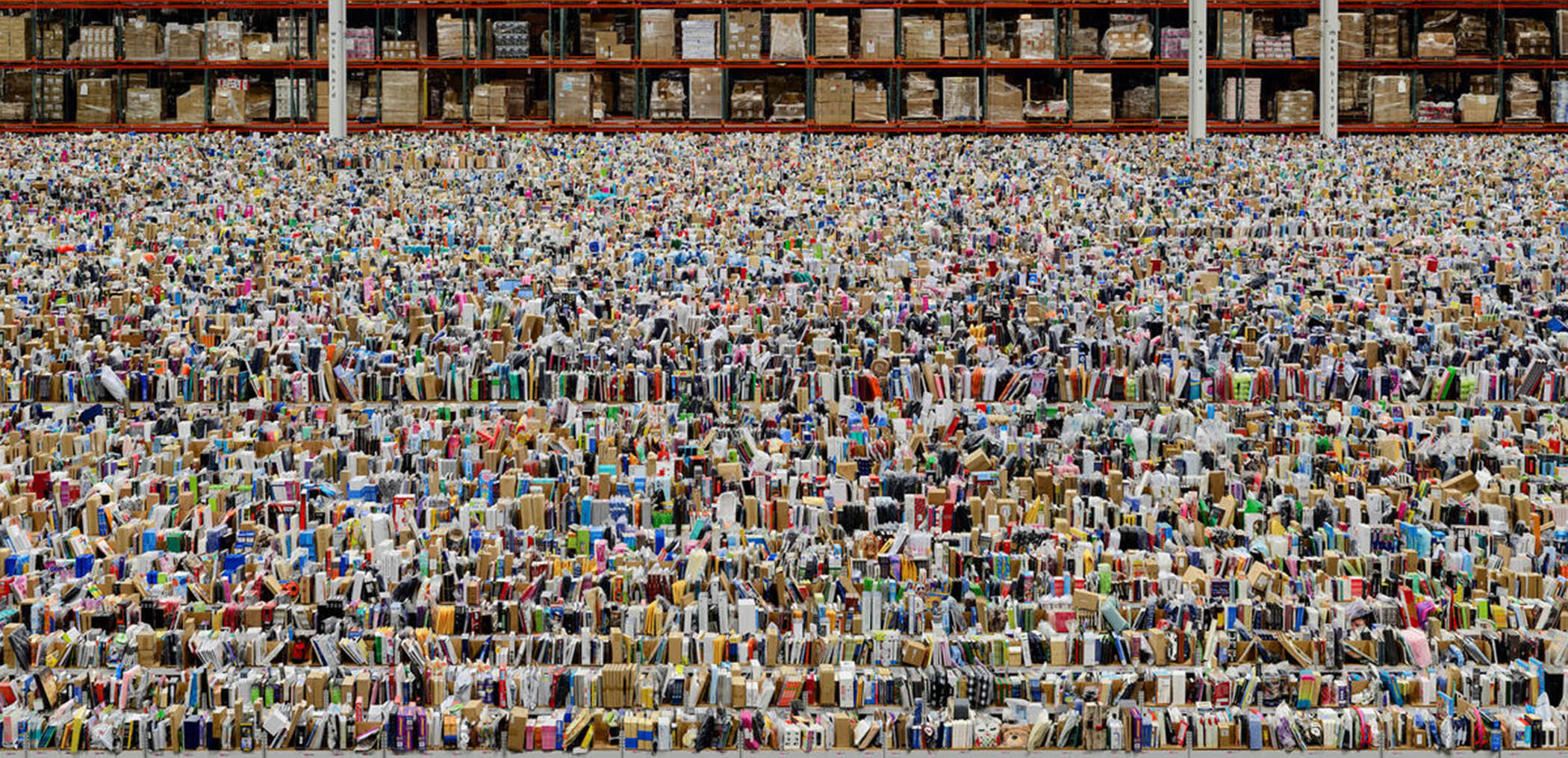
In contrast, Viviane Sassen’s consistently vivid image-making has re-energised fashion photography as a 21st-century art form. And there is Zanele Muholi’s dramatic self-portraiture, which continued their epic journey of activist image-making. Andreas Gursky was a shoo-in for his ability to reflect, in ways that question the very definition of photography, the scale and pace of the globalised digital economy that determines our lives.
But, as The Observer panel – our photography critics and picture editors – realised pretty quickly, reaching a consensus on the remaining selection proved much trickier. In the end, it inevitably came down partly to personal taste and to compromise: having reluctantly to accept defeat when photographers we admired were not included. It was always thus.
No doubt there will be much argument over the selection. Where is Edward Burtynsky or Richard Moss? Why Thomas Hoepker’s deceptive image of 9/11 and not the visceral horror of The Falling Man? Why no street photography, given that Eamonn Doyle undoubtedly reanimated the genre this century? Why not a selfie or Google Street View photo?
The simple yet complicated answer is that they could all have been included, but we had to pick 25 and they had to reflect the broad church and changing nature of contemporary photography – and include a few surprises. In that at least, I hope we have succeeded. Let the debate begin. Sean O’Hagan
Getty Images Reportage
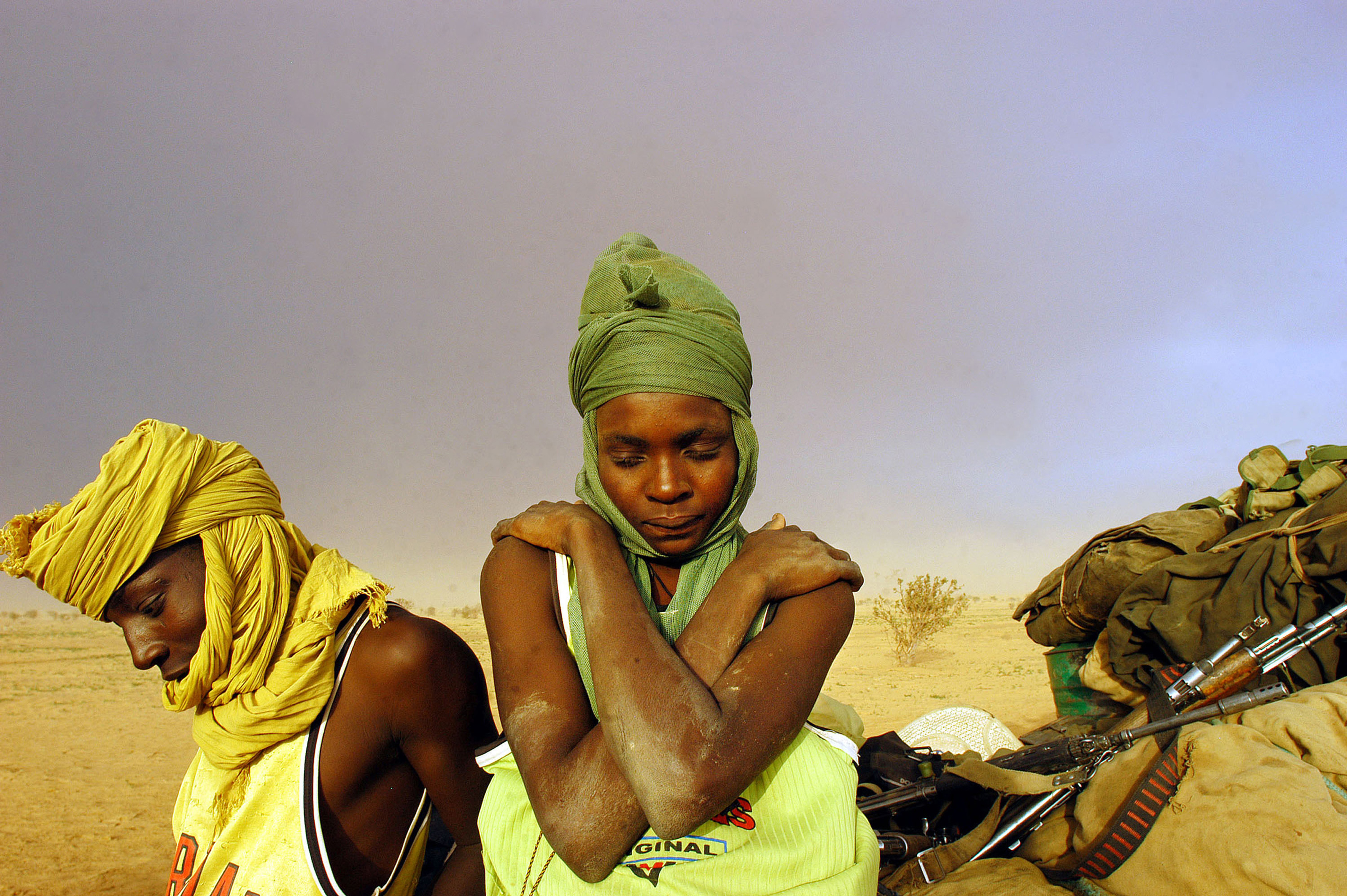
Darfur, Sudan by Lynsey Addario, August 2004
Lynsey Adarrio is the pre-eminent photojournalist of our time, with her reportage from conflict zones in Afghanistan, Iraq, Libya, Somalia and Syria earning her several awards including two Pulitzers. This image shows soldiers from the Sudanese Liberation Army sitting by a truck that has stalled in the mud in Darfur. It is characteristic of her work, which moves effortlessly from the cinematic to the intimately observational, emphasising the importance of traditional photojournalism at a time when the visceral immediacy of citizen reportage threatens to render it redundant. SOH
Related articles:

Dead albatross chick by Chris Jordan, 2009
Bottle caps, toothbrushes, fishing nets, a cigarette lighter. These are a few of the objects found in the guts of dead albatross chicks on Midway Atoll by the photographer Chris Jordan, who travelled to the tiny stretch of land in the middle of the Pacific in 2009 to document the impact of plastic pollution on marine birdlife. The crisis continues – a 2022 WWF report expected global plastic production to more than double by 2040 – but Jordan’s work drew worldwide attention to it, distilling a vast, urgent problem into brilliantly simple images. Killian Fox
Newsletters
Choose the newsletters you want to receive
View more
For information about how The Observer protects your data, read our Privacy Policy
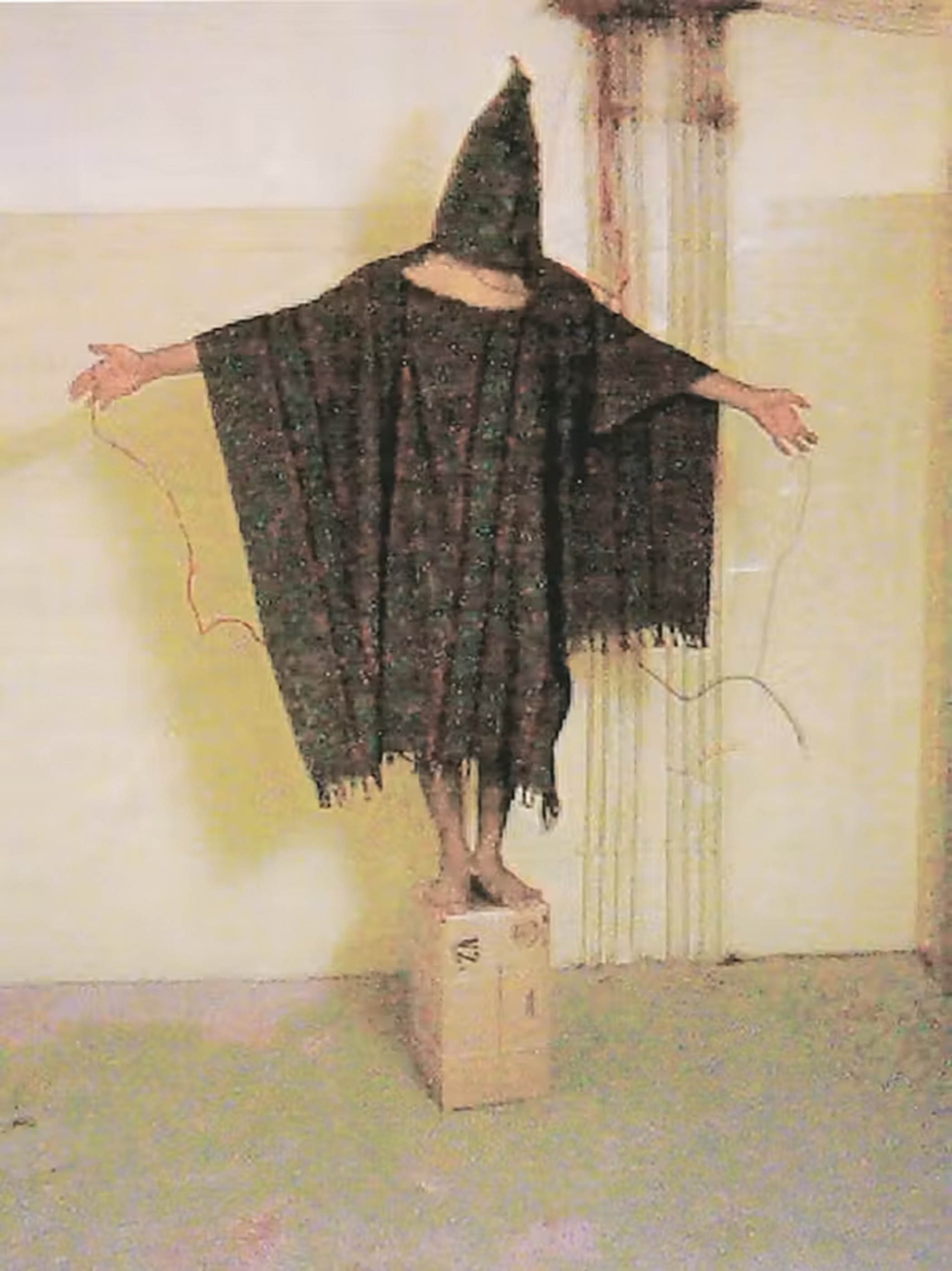
The Hooded Man, Abu Ghraib prison, 2003
Of the many disturbing photographs that emerged of the torture of Iraqi detainees in Abu Ghraib prison in 2003, the image known as The Hooded Man became the most prominent. Abdou Hussain Saad Faleh stands on a box, his head hooded, with electrical wires attached to the fingers of his outstretched hands, his Christlike posture accentuating the sense of abjection. The picture became a symbol of protest against American military oppression, reproduced on posters, walls and artworks. SOH
© Tim Hetherington for Vanity Fair/ IWM
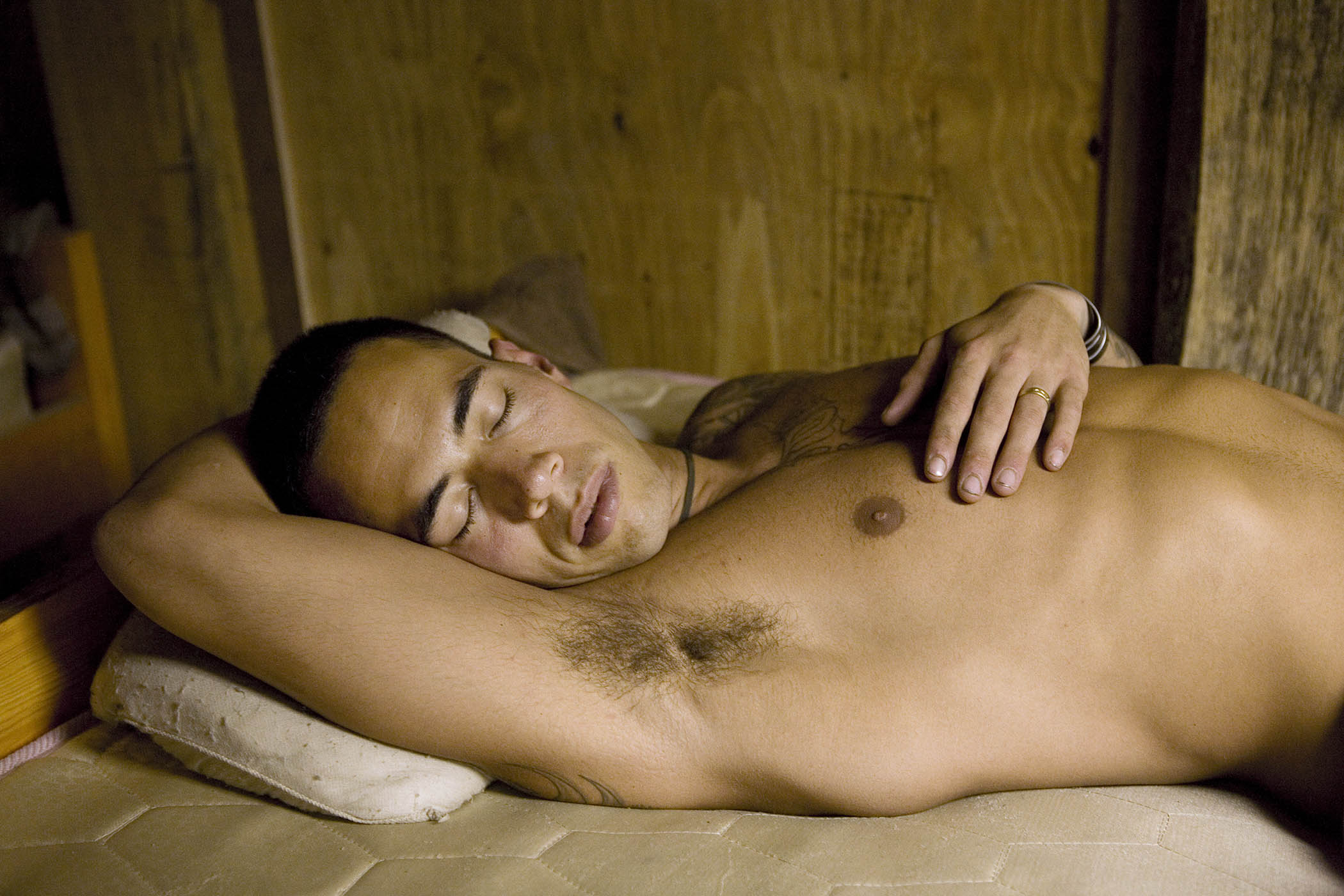
Sergeant Elliot Alcantara sleeping. Korengal Valley, Kunar Province, Afghanistan (main image, above) by Tim Hetherington, July 2008
America’s long war against the Taliban in Afghanistan began in 2001, and did not end until the chaotic retreat from Kabul in 2021. Tim Hetherington documented the US Airborne Infantry at one of its most dangerous postings. His Sleeping Soldiers series was an attempt to get beyond the entrenched responses to the war to capture the human reality of life on the ground. He suggested of the subjects of those pictures that “this is how their mothers see them … unguarded”. Hetherington, one of the great photojournsalists of his generation, was killed by a mortar shell in 2011, aged 40, while covering the civil war in Libya. Tim Adams
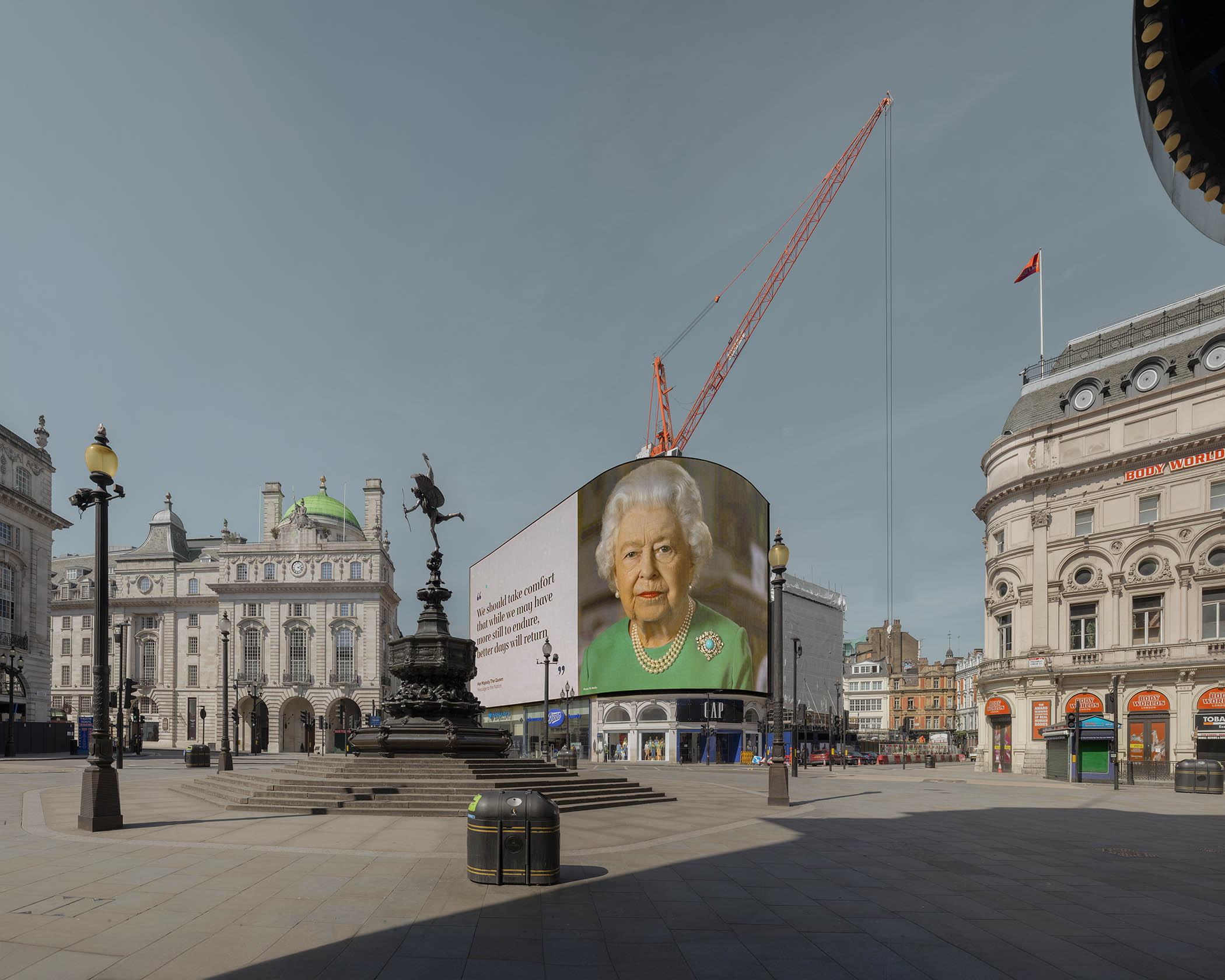
Piccadilly Circus, 27 April 2020 by Chris Dorley Brown
The early months of the Covid pandemic produced a new genre of dystopian image: city centres emptied by lockdowns. The British photographer Chris Dorley Brown was among those to capture the disturbing spectacle in London. He took this picture at Piccadilly Circus at the end of April 2020, when Covid deaths were peaking and there was no prospect of a vaccine. To see Eros firing his arrow at no one and the monarch looming alone over the deserted streets alongside her “We’ll meet again” wartime sentiment is a stark reminder of that profoundly surreal moment. TA
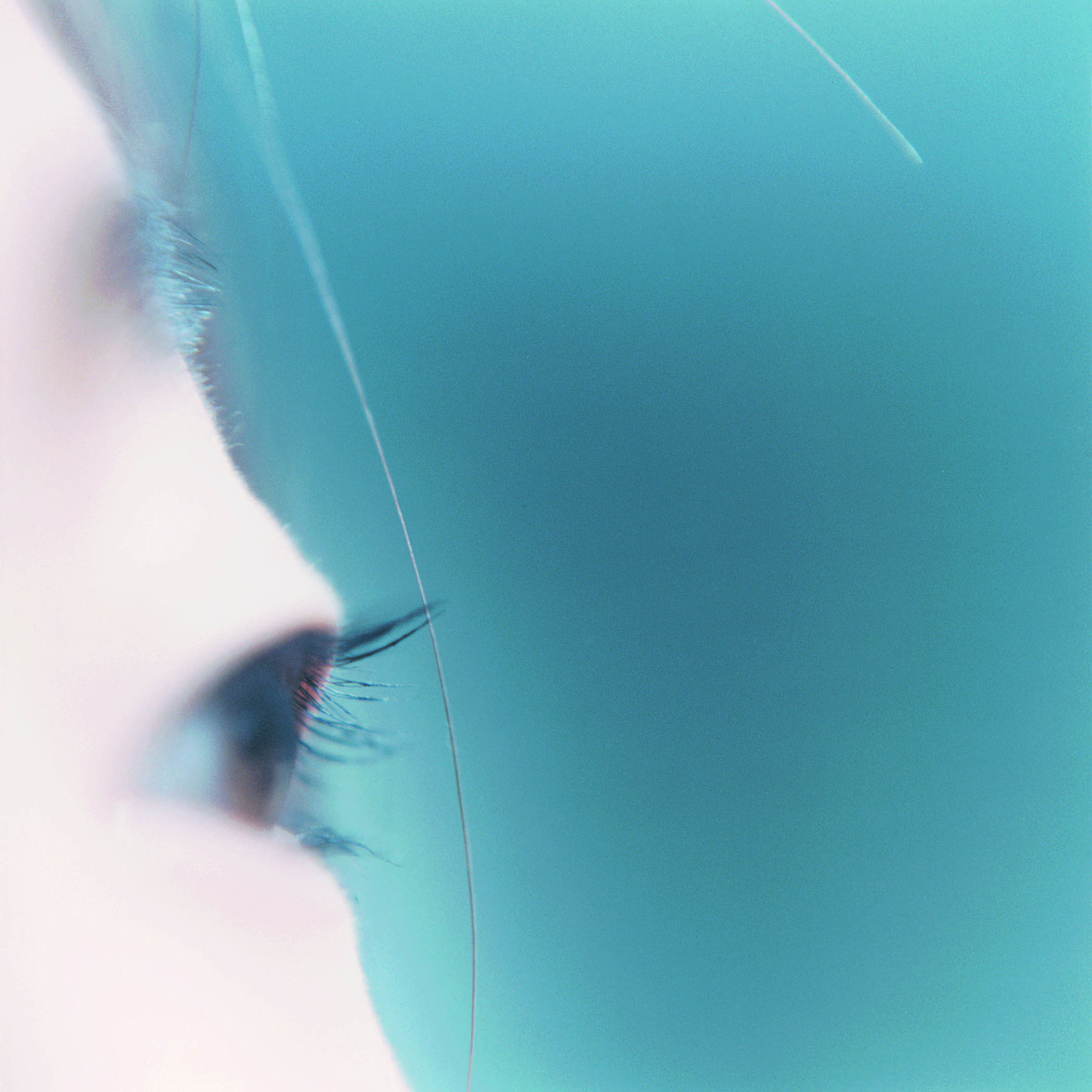
Untitled, from The Eyes, the Ears by Rinko Kawauchi, 2005
Quiet, closely observed photography is often overlooked and undervalued, but Kawauchi’s stillness and lightness of touch is an antidote to the incandescent banality that defines our image-profligate culture. Kawauchi is a consummate photobook creator, her singular gaze emerging in transcendent glimpses of the everyday sublime: clouds, children’s features, insects, rainbows, fireworks and latterly the mythical landscapes and ancient rituals of her homeland, Japan. The title of one of her books, Illuminance, could apply to her entire oeuvre. SOH
Alec Soth / Magnum Photos
Peter’s Houseboat, Winona, 2002 by Alec Soth
Almost any photograph from Alec Soth’s first book, Sleeping by the Mississippi, could have made it into this selection, so consistently evocative is his vision of what he called “a worn and faded” America. Describing himself as someone who “photographs optimistically,” Soth pictures a country that is both metaphorical and mythical, a dreamily melancholic landscape infused with glimmers of hopefulness that seem even more plaintive in the light of all that has happened since. SOH

Colleen at St Patrick’s Day celebration, Lexington, Kentucky, 17 March 2012 by Vanessa Winship
Some 80 years after Dorothea Lange reimagined depression-era America in images that had all the nation’s anxieties etched on individual faces, the British photographer Vanessa Winship embarked on a similar road trip through the US Rust Belt in search of the portraits and landscapes that evoked today’s struggles. There is an uncanny stillness about the resulting pictures, collected in her book She Dances on Jackson, and a sense of a gathering storm: “young heart, old soul,” the girl’s tattoo reads, which might be a motto for the provocative edge and deep roots of the whole project. TA
Jonathan Bachman/Reuters
Taking a Stand in Baton Rouge by Jonathan Bachman, 2016
Jonathan Bachman’s dramatic shot shows Ieshia Evans in a flowing dress, arms crossed, confronting a phalanx of riot police during a Black Lives Matter protest against the police killings of Alton Sterling and Philando Castile. It echoes other historic moments of lone protest, most notably the photograph of a man standing before a tank in Tiananmen Square in 1989. That it was the first protest Evans attended – she was arrested and detained overnight – and the first that Bachman photographed make it even more resonant. It remains an iconic image of the protests. SOH
© Andreas Gursky / DACS, 2025, Courtesy Gagosian
Amazon by Andreas Gursky, 2016
Gursky’s epic digitally manipulated panoramas have made him arguably the most important image-maker of the 21st century. This composite photograph of an Amazon warehouse is a case in point: a glimpse of a single day’s algorithm-generated demand for goods, many of which would be delivered within 24 hours. Gursky’s composites pay scant regard to traditional ideas of photographic authenticity, but brilliantly capture the hyper-real nature of our market-driven world. SOH

@ amivitale
Joseph saying goodbye to Sudan by Ami Vitale, 2019
Ami Vitale first photographed Sudan, the last male of the world’s eight surviving northern white rhinos, in 2009. That same year, conservationists airlifted four of the rhinos from a zoo in Czechia to their natural habitat in Kenya in the hope that it might encourage them to breed. Vitale tracked their transportation. In 2018, she returned to Kenya to capture the last days of Sudan, who was 45 years old and had become a symbol of the plight of the white rhino, whose lineage is more than 50m years old. Just moments before his death, Vitale made this poignant portrait in which he is comforted by Joseph Wachira, one of his protectors. SOH
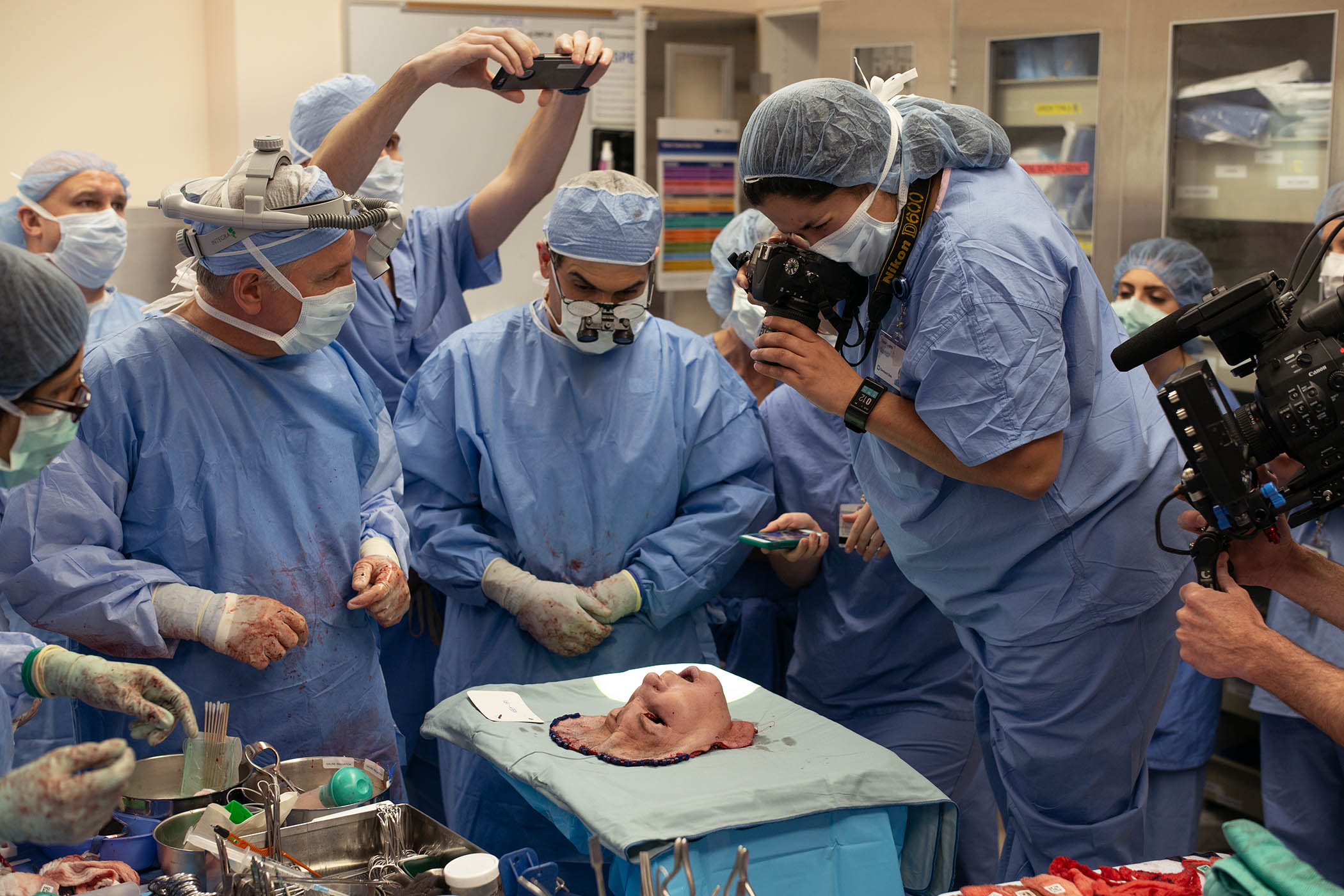
Kate’s New Face by Lynn Johnson, 2017
On 4 May 2017, Katie Stubblefield became the youngest person in the US to undergo a successful face transplant at age 21. The surgical procedure involved dozens of medical personnel and took 37 hours. The photographer Lynn Johnson was on hand throughout, tracking the complex journey from “surgical harvest to painstaking reconnection”. This extraordinary image captures what she calls the “moment inbetween… when the face was without an owner”. SOH
Tom Kiefer/Redux/eyevine
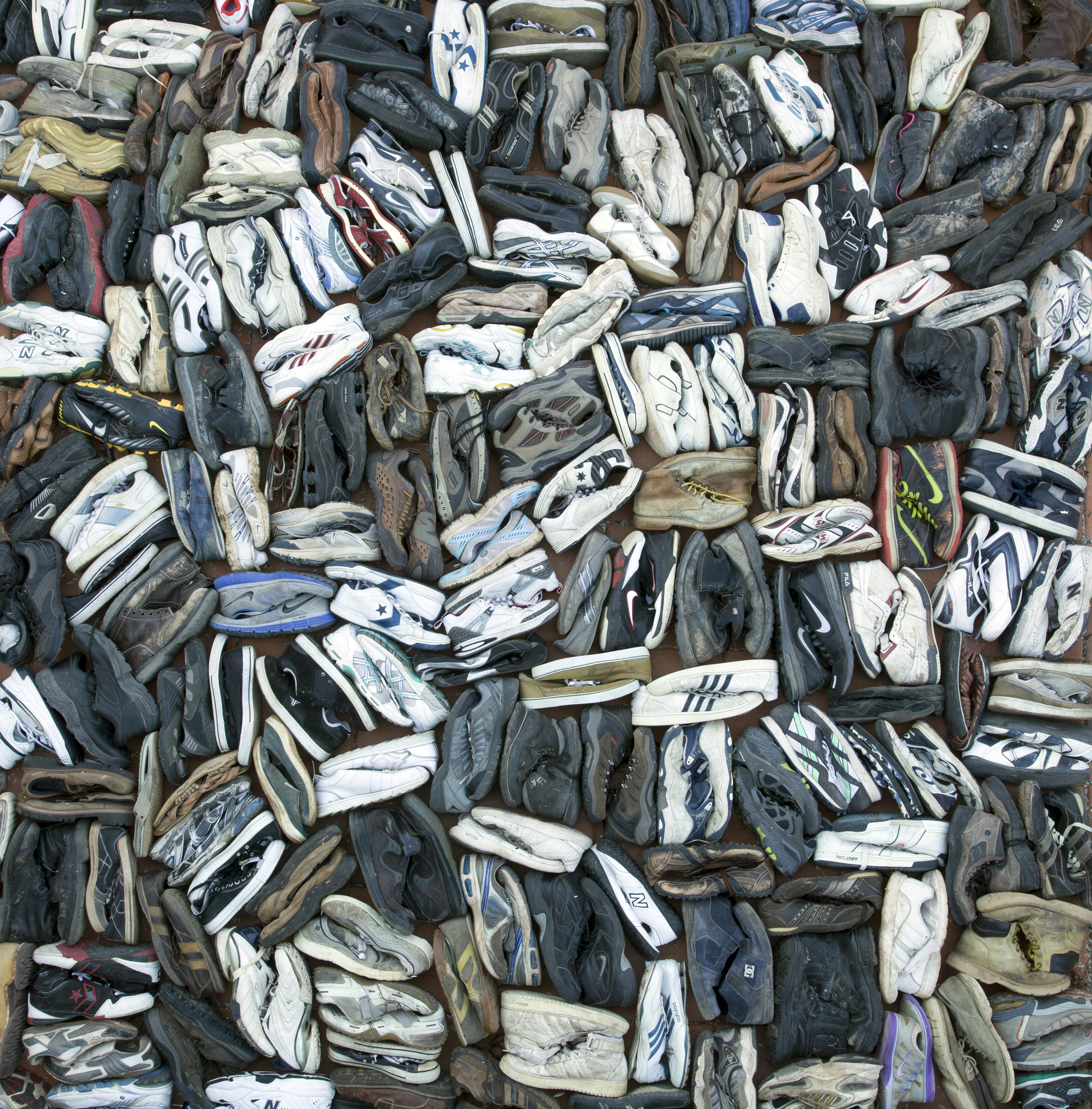
Shoe Assembly by Tom Kiefer, 2016
These shoes are just a fraction of the personal items retrieved by Tom Kiefer during his 11 years working as a janitor for a US border patrol station in Arizona – belongings seized from migrants crossing over from Mexico that would otherwise have been thrown in the trash. After resigning in 2014, Kiefer sorted the items into categories – shoes, bibles, soap, toothbrushes – and created his series El Sueño Americano/The American Dream, an indictment of the cruelty the US inflicts on those seeking a better life within its borders. Since this photo was taken, the cruelty has only become more extreme. KF
© Zanele Muholi/ Courtesy of the artist and Yancey Richardson, New York
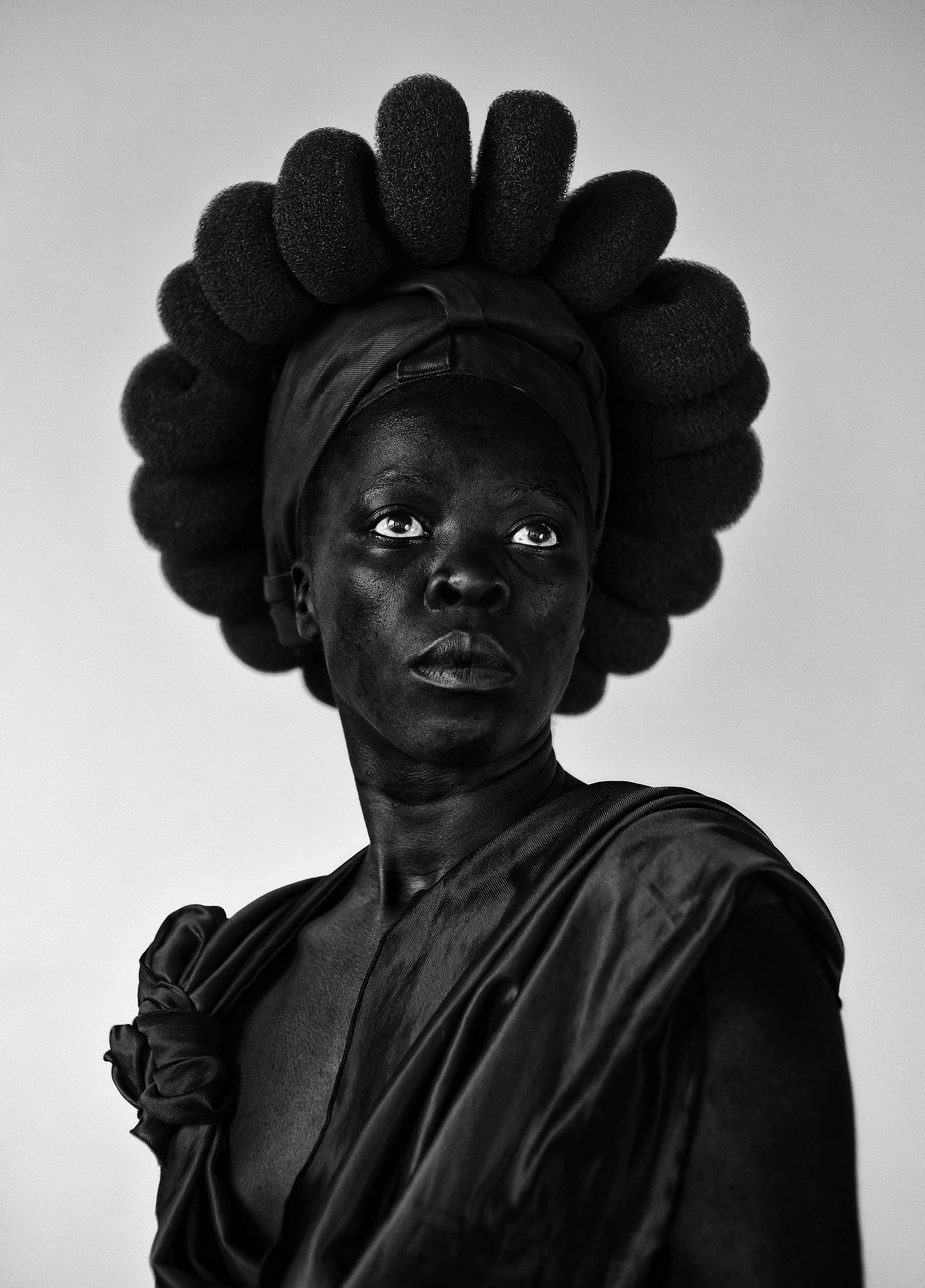
Ntozakhe II (Parktown) by Zanele Muholi, 2016
The activist-photographer Zanele Muholi, who uses they/them pronouns, documented the black lesbian and trans community in South Africa for their epic series Faces and Phases (2006-16), before producing a series of intriguing self-portraits using unlikely props and disguises. Here, Muholi’s torso is regally draped in fabric and their head ringed with a crown of scouring pads. The image, which alludes to the unsung domestic labour of generations of black South African women, was exhibited as a 9ft-high print and is emblematic of Muholi’s consistently audacious approach. SOH
© Courtesy Luc Delahaye /et Galerie Nathalie Obadia, Paris/Bruxelles
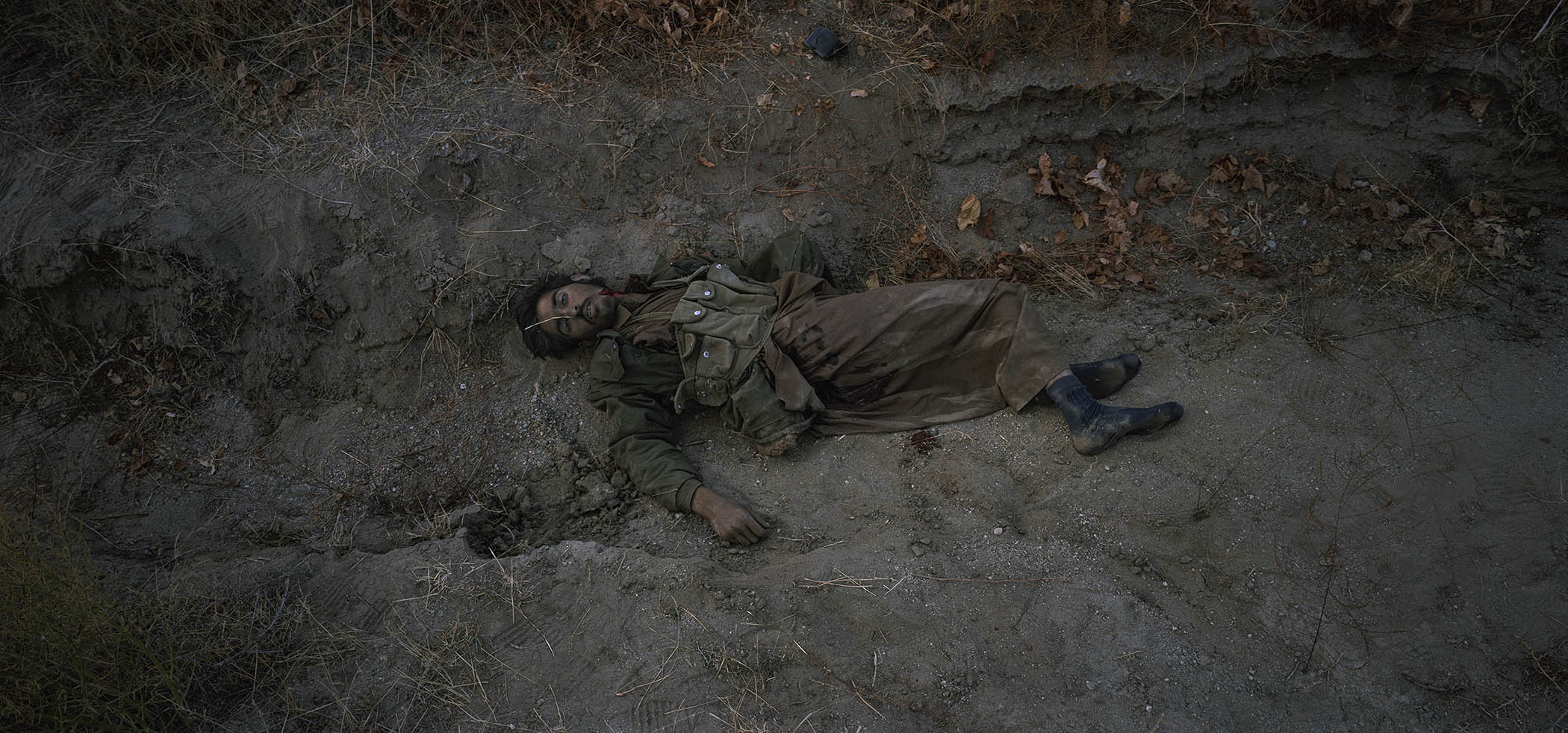
Taliban by Luc Delahaye, 2001
Should war reportage ever be considered art? The question looms large over Luc Delahaye’s deftly composed, large format photograph of a dead Taliban fighter lying in a ditch. An example of aftermath photography, it caused considerable controversy when first exhibited in a commercial gallery in New York in 2003 with a $15,000 price tag. The scale, artful composition and detachment of the image, alongside the anonymity of the subject, raised uncomfortable moral questions about the merging of art world values and the ethics of war photography. SOH
© Omar Ashtawy, APA Images
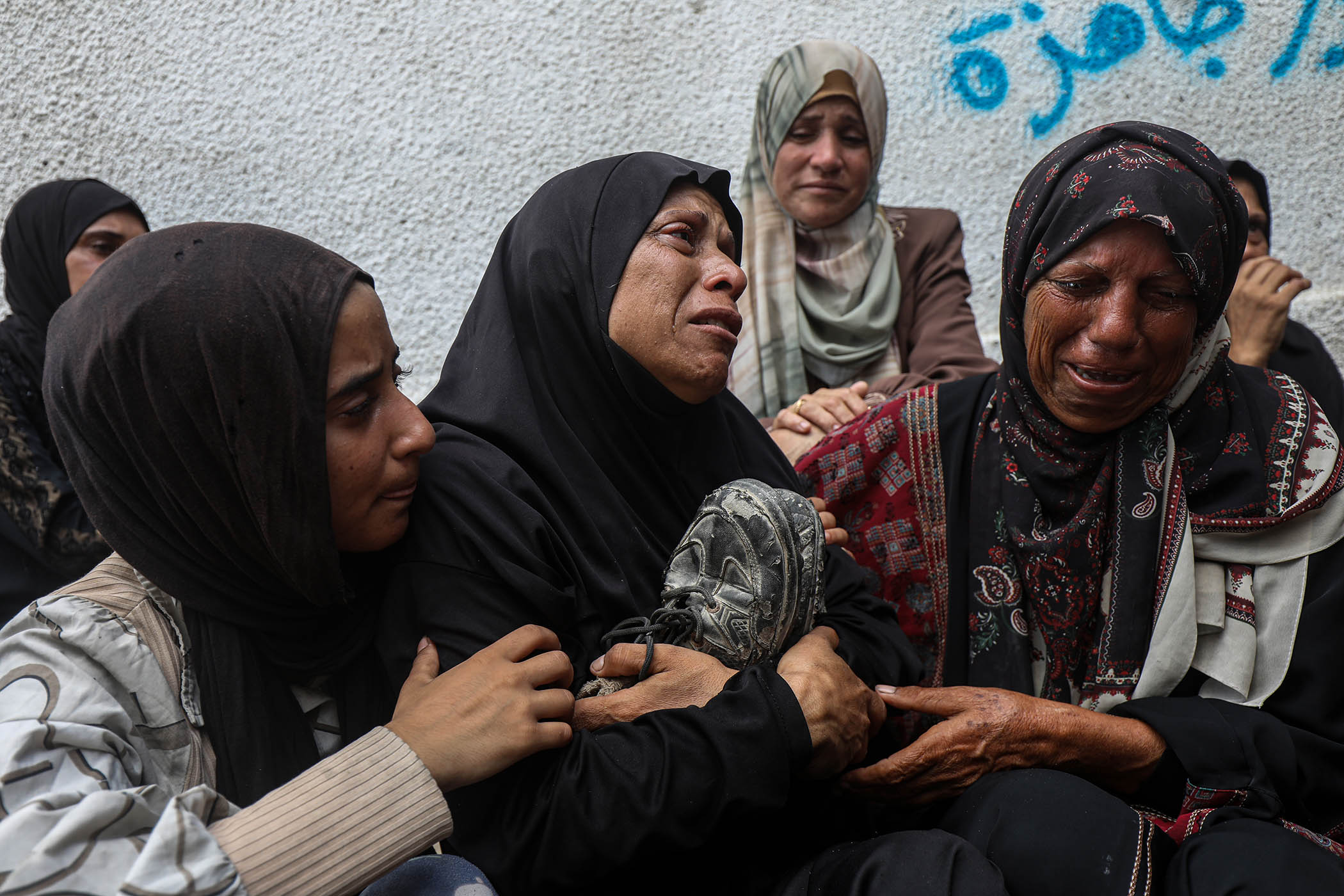
Mother of Khaled al-Shinbari, a Palestinian teenager killed by Israel while seeking aid in northern Gaza, holds his shoes during his funeral at al-Shifa hospital in Gaza City, August 2025 by Omar Ashtaway
Twenty-year-old Omar Ashtaway was the recipient of the 2025 Ian Parry photojournalism grant for his series Fragments of Gaza: War, Hunger and Displacement, which distils the suffering and trauma of thousands of ordinary Palestinians in unforgettable single images. It's an achievement made all the more impressive given that Gaza is now the single deadliest conflict zone for journalists in history, according to the Costs Of War project. This powerful image of a distraught mother clutching her dead son’s shoes surrounded by other grieving women on 28 August last year has an almost holy aspect redolent of certain classical religious paintings. SOH

Getty Images
Donald Trump speaks on the phone with Vladimir Putin, January 2017 by Drew Angerer
Certain images of Donald Trump tell you exactly who he is. This picture in the Oval office was taken a week after he began his first term. Three of the staff in the picture – Reince Priebus, Sean Spicer and Steve Bannon – had gone by the summer. Vice-president Mike Pence stuck it out until Trump supporters were calling for him to be lynched. Meanwhile, General Michael Flynn (seated), the president’s first national security adviser, was forced to resign a couple of weeks after this picture was taken having failed to declare multiple private meetings with the Russian ambassador over US policy in Syria. (He re-emerged in 2020, urging Trump to declare his election defeat void and institute martial law.) TA
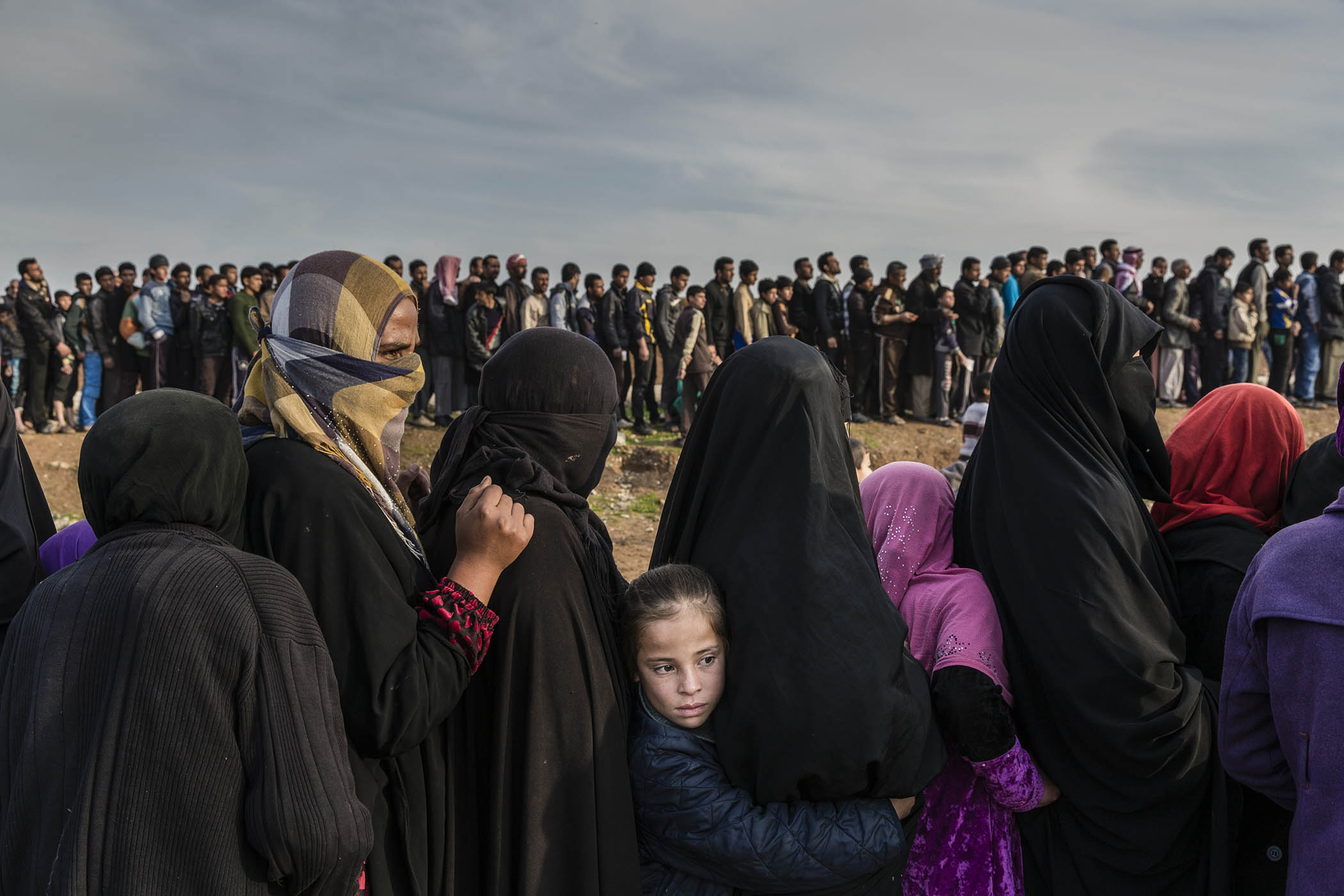
The New York Times
End of the Caliphate by Ivor Prickett, 2017
“It was incredibly brutal fighting,” said the photojournalist Ivor Prickett of the battle to defeat Islamic State in Mosul in 2017, “and hundreds of thousands of people were caught in the middle of it.” This photograph, taken in March of that year, shows civilians from the embattled western part of Mosul lining up for aid distribution – men and boys in one line, women and girls in the other. Later included in his book End of the Caliphate, it is, as Prickett put it, “a reminder of the power of people to endure and survive no matter what”. KF
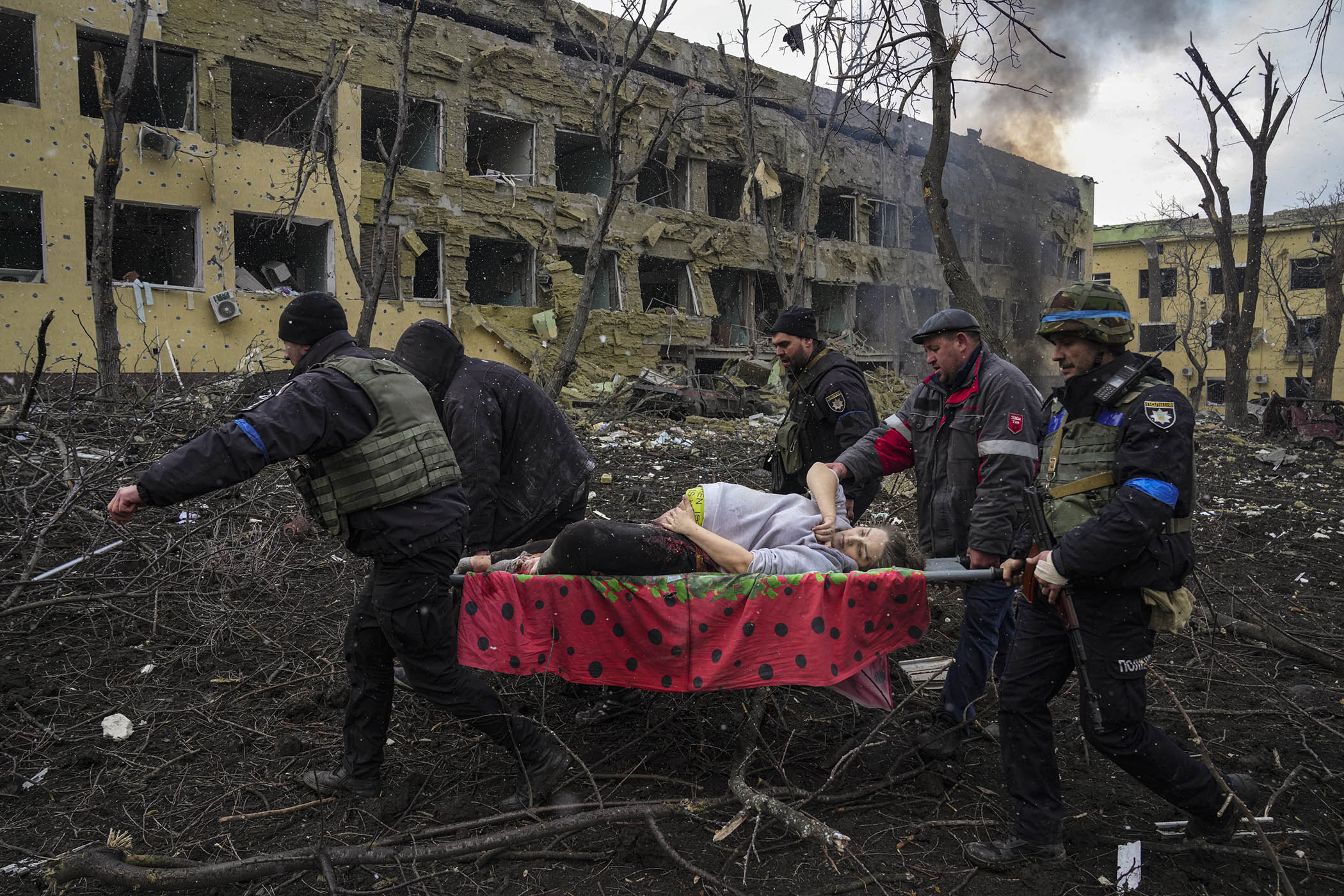
AP Photo
Russian airstrike maternity hospital, Mariupol, March 2022 by Evgeniy Maloletka
The mercy dash from bombed hospitals has became a horribly familiar sight in the past two decades as medical facilities have increasingly been targeted in violation of international law. There have been more than a hundred strikes on maternity units alone since the start of wars in Ukraine, Gaza and Sudan. This picture by the Ukrainian journalist Evgeniy Maloletka won a World Press award. The woman on the stretcher, Iryna Kalinina, 32, died half an hour after giving birth to her stillborn baby. Her child was named Miron, or “peace” . TA
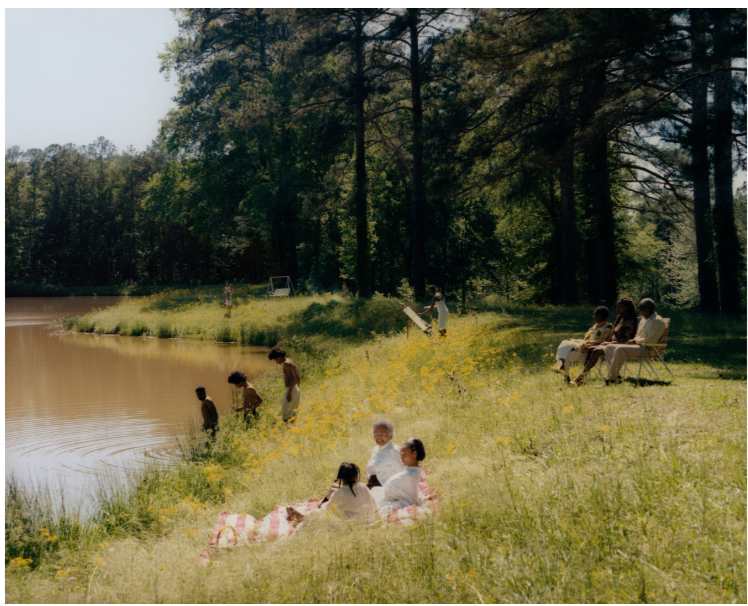
© Tyler Mitchell/Gagosian
Riverside Scene by Tyler Mitchell, 2021
Tyler Mitchell was born in Atlanta, Georgia, in 1995 and taught himself photography after buying a camera when he was 14 to make skateboard videos. In 2018, when he photographed Beyoncé, he became the first black photographer to shoot the cover of American Vogue in the magazine’s 125-year history. His work is not afraid of lightness. Some of Mitchell’s pictures, like this one, conjure bucolic visions of his home state that recast its violent racist past and create, instead, scenes inspired by impressionist painters in which African Americans lounge and laze in the soft focus of a beguiling alternative history. TA
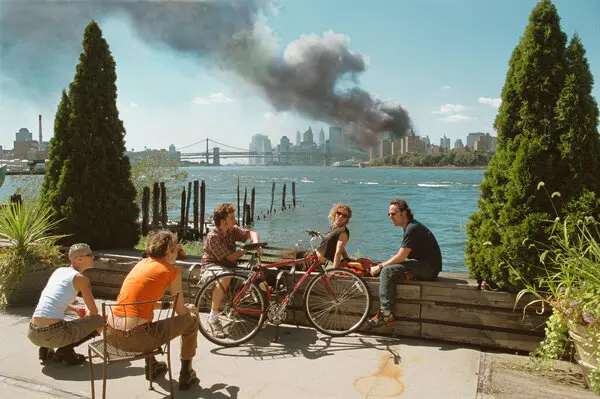
©Thomas Hoepker / Magnum Photos
View from Williamsburg, Brooklyn, of Manhattan, 9/11 by Thomas Hoepker
Thomas Hoepker’s shot of a group of young New Yorkers chatting in a riverside park in Brooklyn while the twin towers burned in the distance briefly became one of the most controversial – and misunderstood – images of the terrorist attacks on the World Trade Center on 11 September 2001. The sense that they were blithely ignoring the horror was undercut when it later emerged that Hoepker had snapped them without their knowledge while they were, as one of them put it, “in a profound state of shock and disbelief”. As a glimpse of a seismic moment in time, it nevertheless remains complex and unsettling. SOH
©Myriam Boulos / Magnum Photos
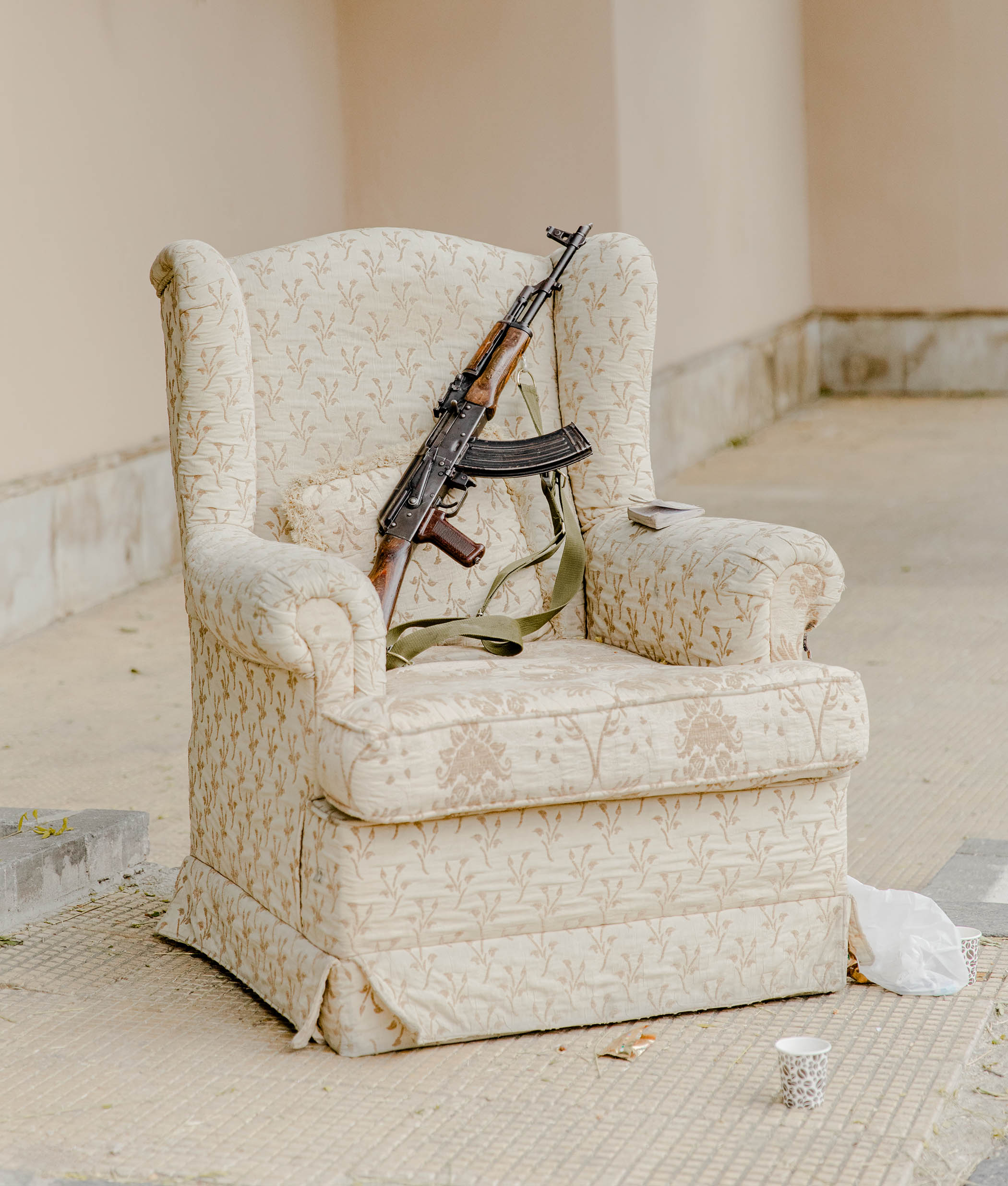
Syria, 11 December 2024 by Myriam Boulos
In December 2024, the Beirut-based Magnum photographer Myriam Boulos travelled to Damascus on assignment to cover the days after the fall of President Bashar al-Assad’s government. She photographed marooned tanks and families searching for traces of their relatives in the notorious Sednaya prison. This ambiguous image is a study in contrast: the dreary, abandoned interior – stained walls, worn floors, the detritus of recent occupation – and the rifle perched on the faded armchair next to a tiny book. A tableau that seems to have been awaiting her arrival. SOH
©Thomas Struth
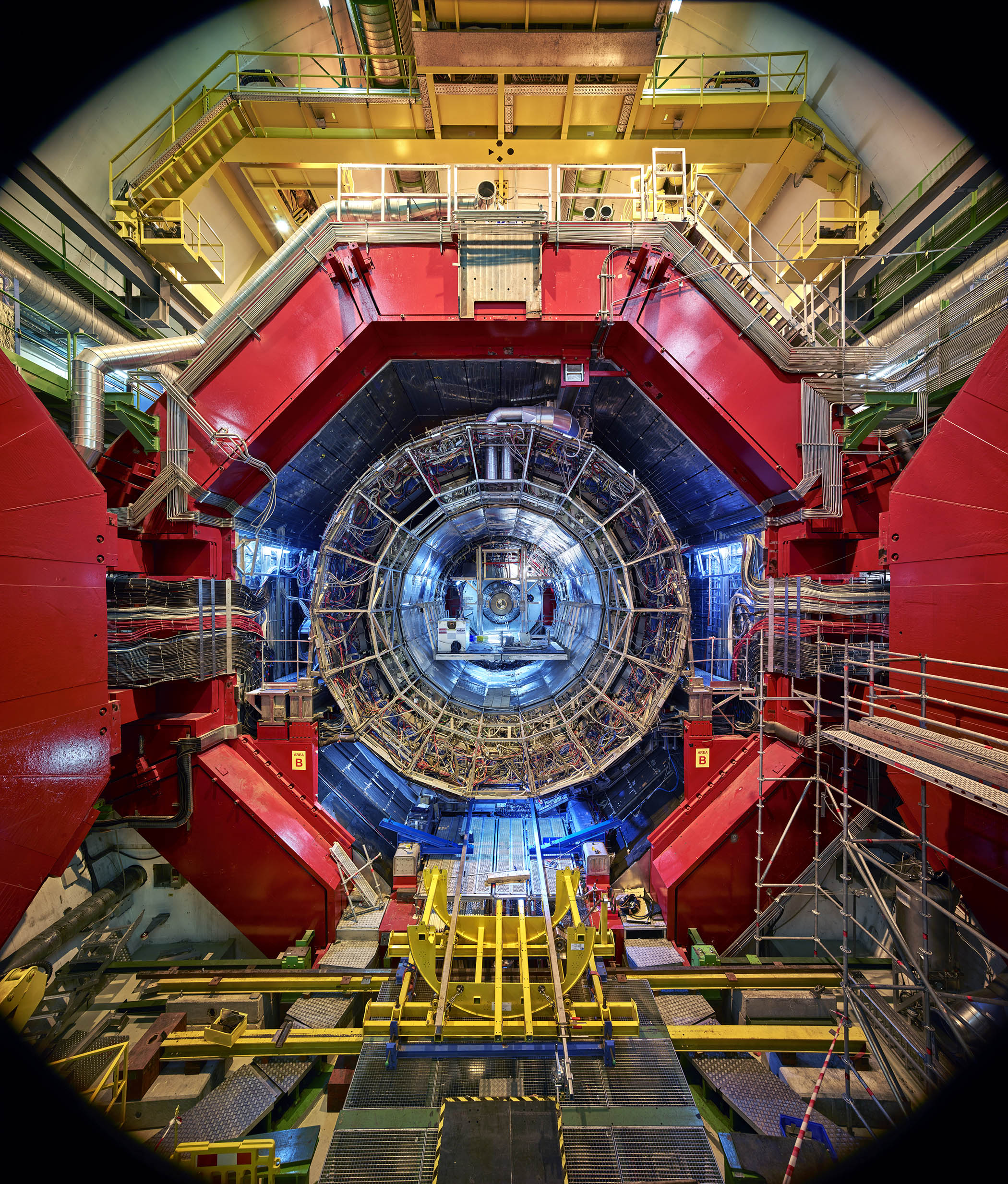
Alice, Cern, Saint-Genis-pouilly by Thomas Struth, 2019
Thomas Struth is a master of extraordinarily detailed large format photographs. At 2.7 x 2.3 metres (8.8ft x 7.5ft), this image gives some sense of the colossal scale of Alice (A Large Ion Collider Experiment) at Cern (the European Organisation for Nuclear Research) in Switzerland. It is a study in advanced technology that looks like it could have been created for a vaultingly ambitious Stanley Kubrick sci-fi film. SOH
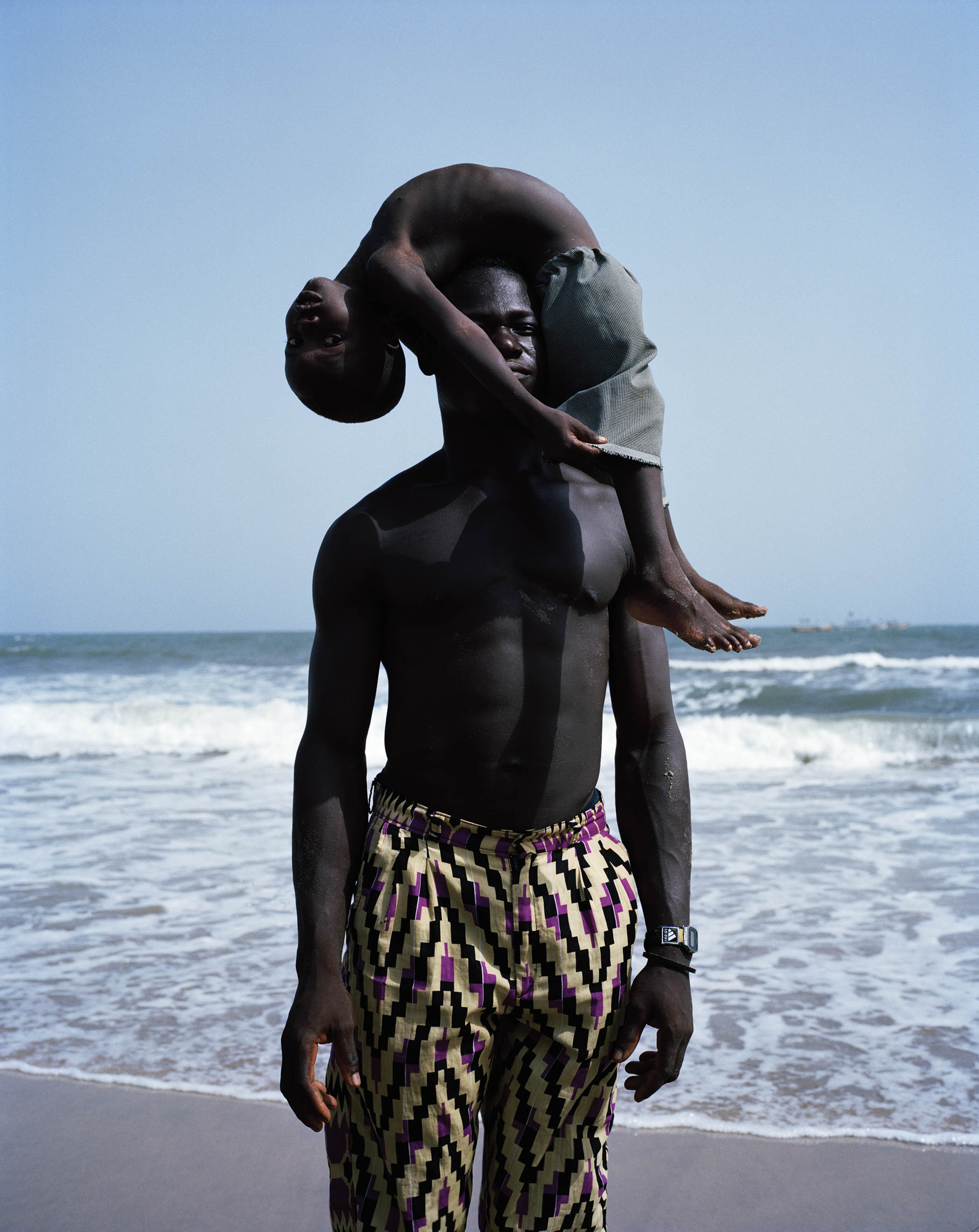
DNA by Viviane Sassen, 2007
As a child, Netherlands-based Viviane Sassen lived in a Kenyan village where her father was a doctor. The natural light, vivid colours and dark shadows of the landscape inform her always daring approach to photography, making her one of the few contemporary image-makers to successfully straddle the worlds of art and fashion. In series such as Umbra, Flamboya and Parasomnia, her playful experiments with high-contrast colour tones result in tantalising pictures. Throughout, as in this image, the human body becomes a sculptural form. The results are dramatic, highly personal and provocative. SOH
Reuters
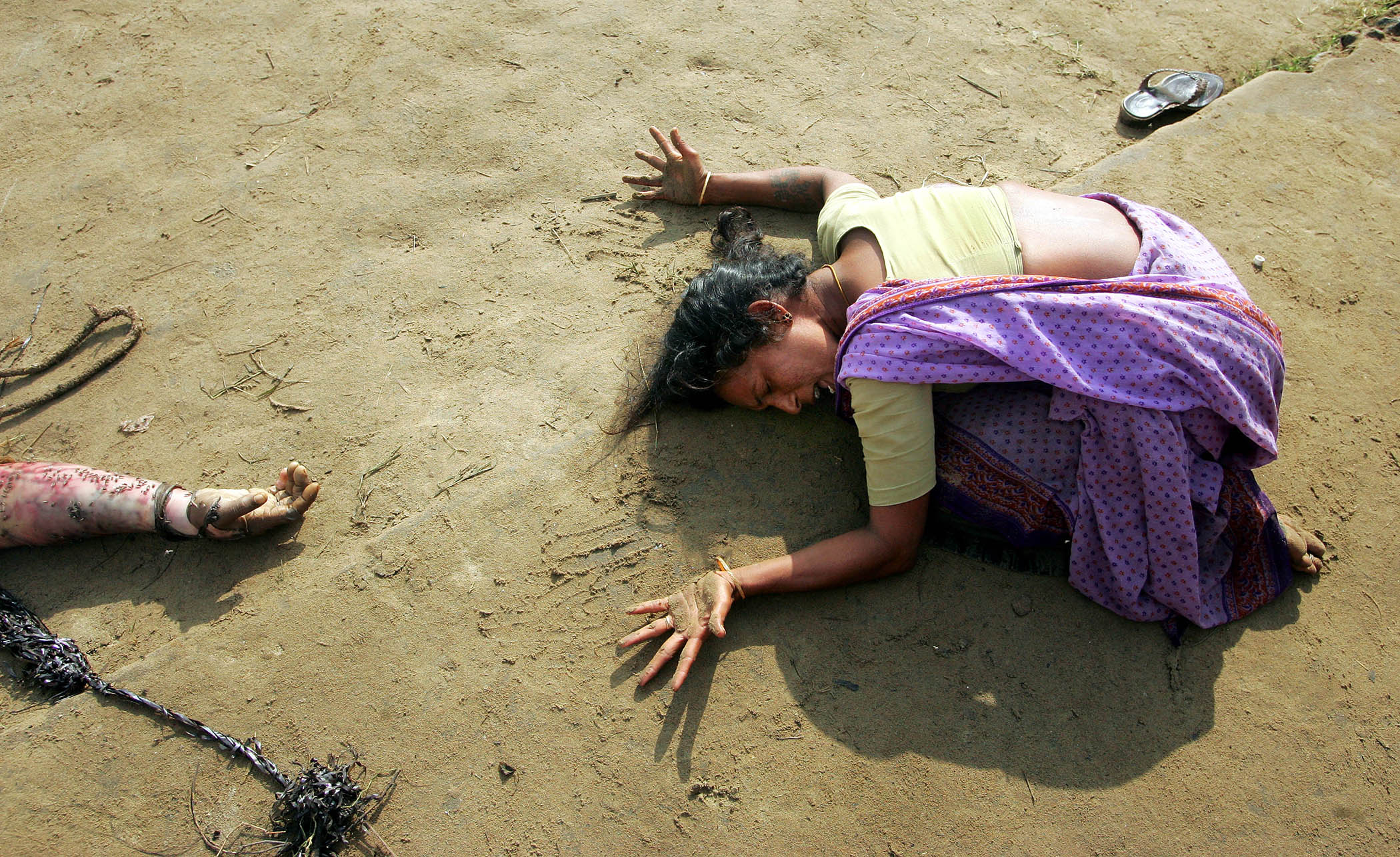
A woman mourns a relative killed during a tsunami by Arko Datta, 2004
It was two days after the December 2004 tsunami swept across the Indian Ocean, devastating coastlines and killing more than 220,000 people in 14 countries – the deadliest natural disaster of the 21st century so far. In Cuddalore, southern India, the photojournalist Arko Datta came upon a woman’s body being carried off a boat. The dead woman’s husband and sister-in-law recognised her and Datta captured the scene, focusing more on the stricken sister-in-law than the body. “It was not the death itself that was touching me, but the grief of the survivors,” Datta recalled. KF