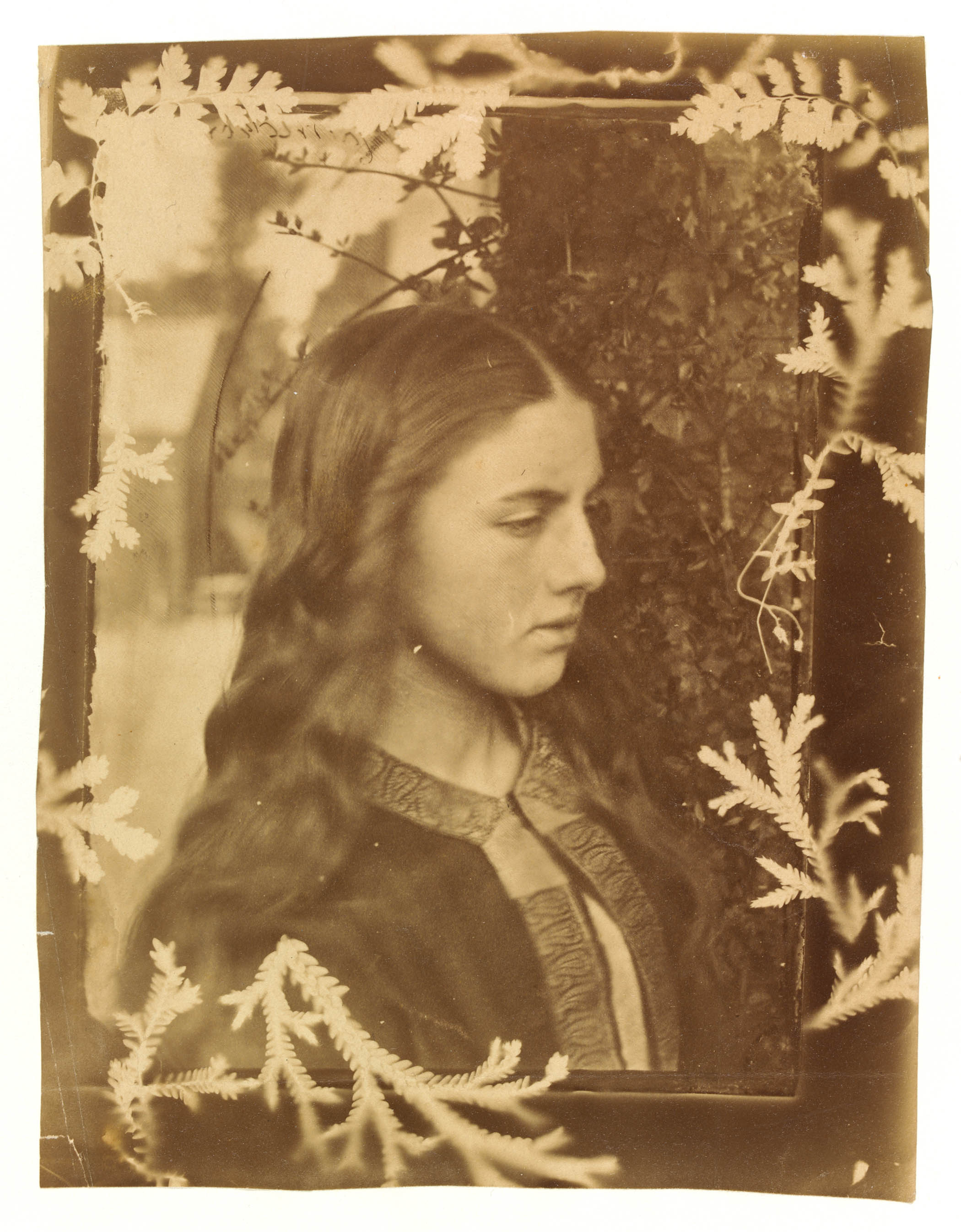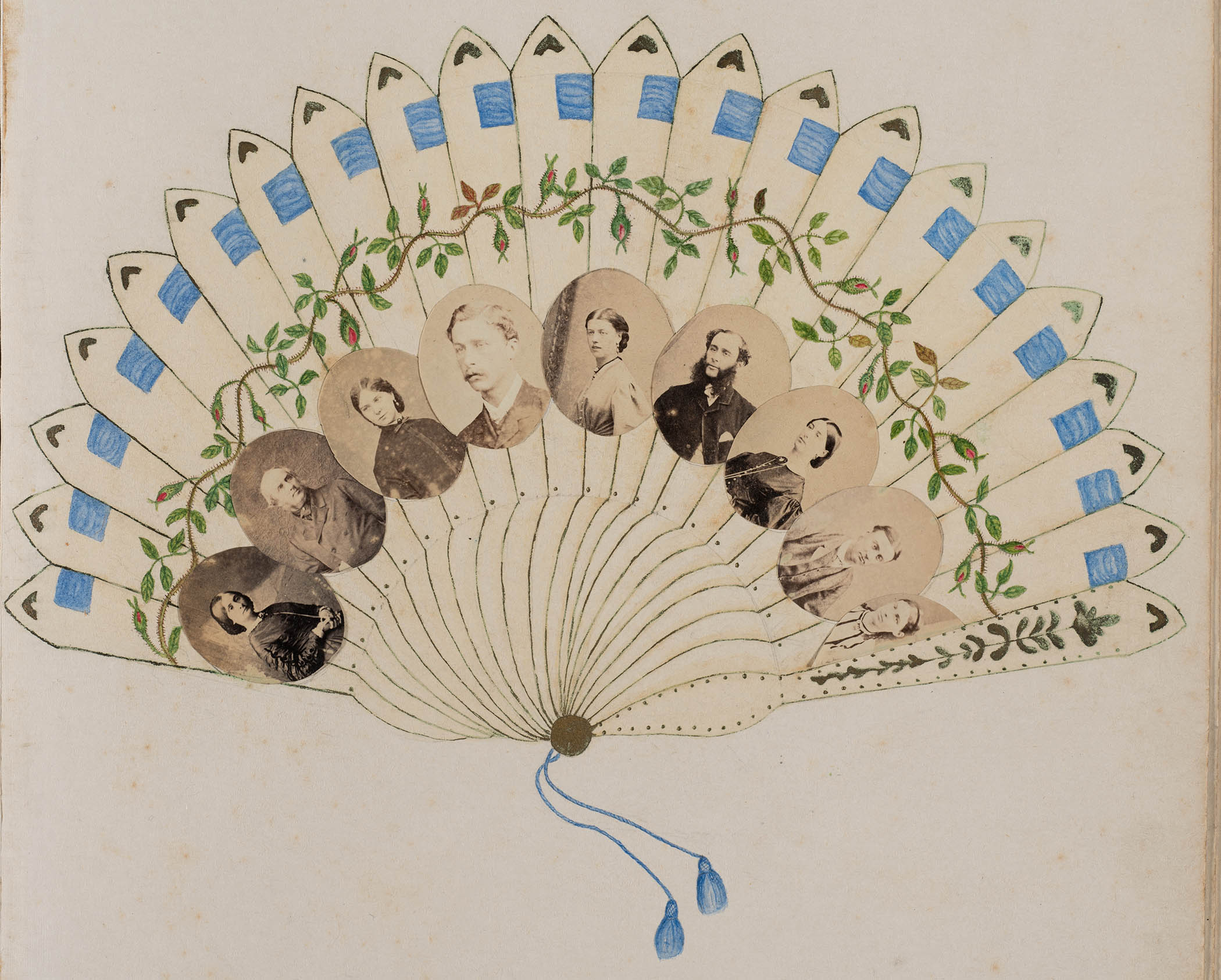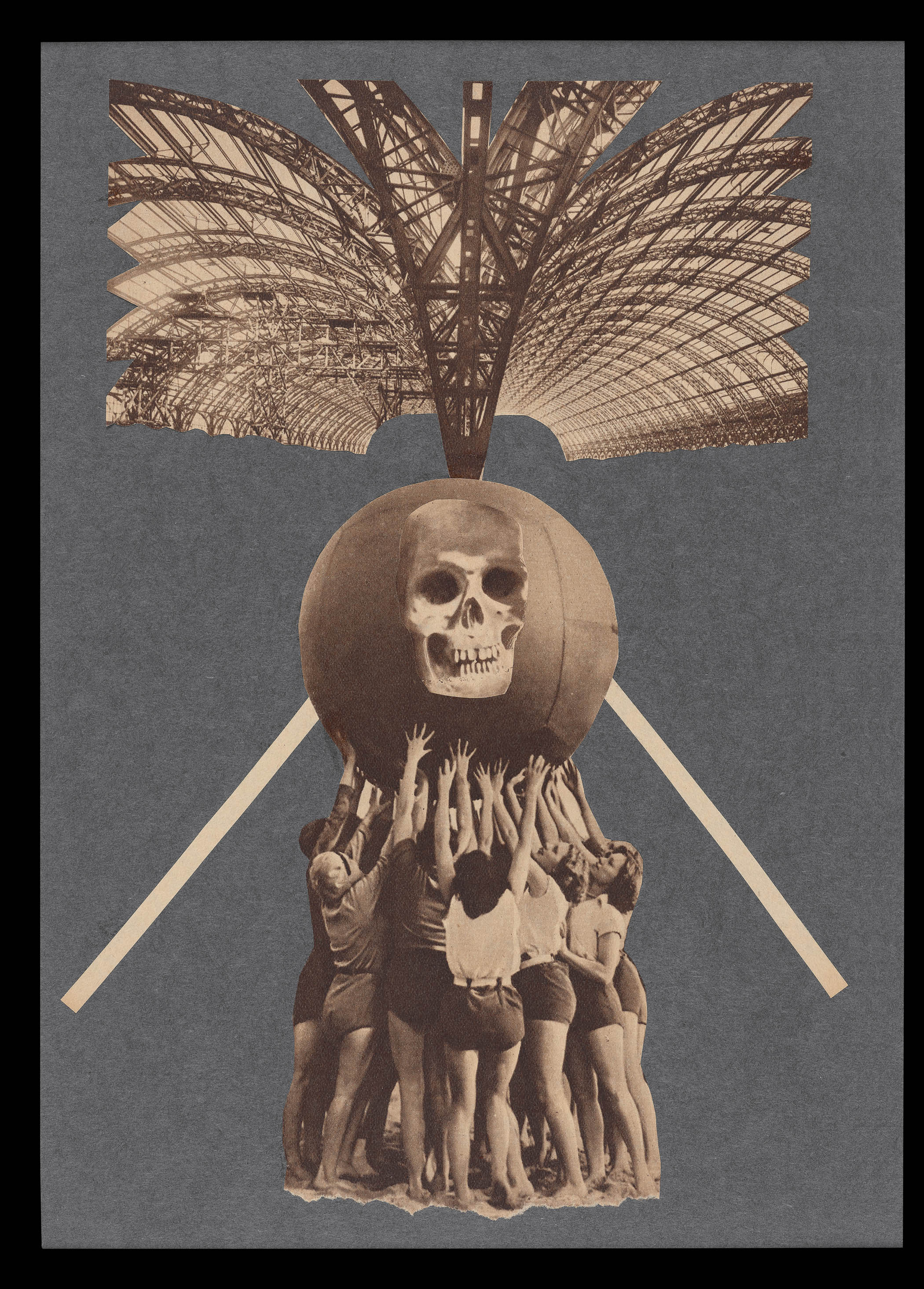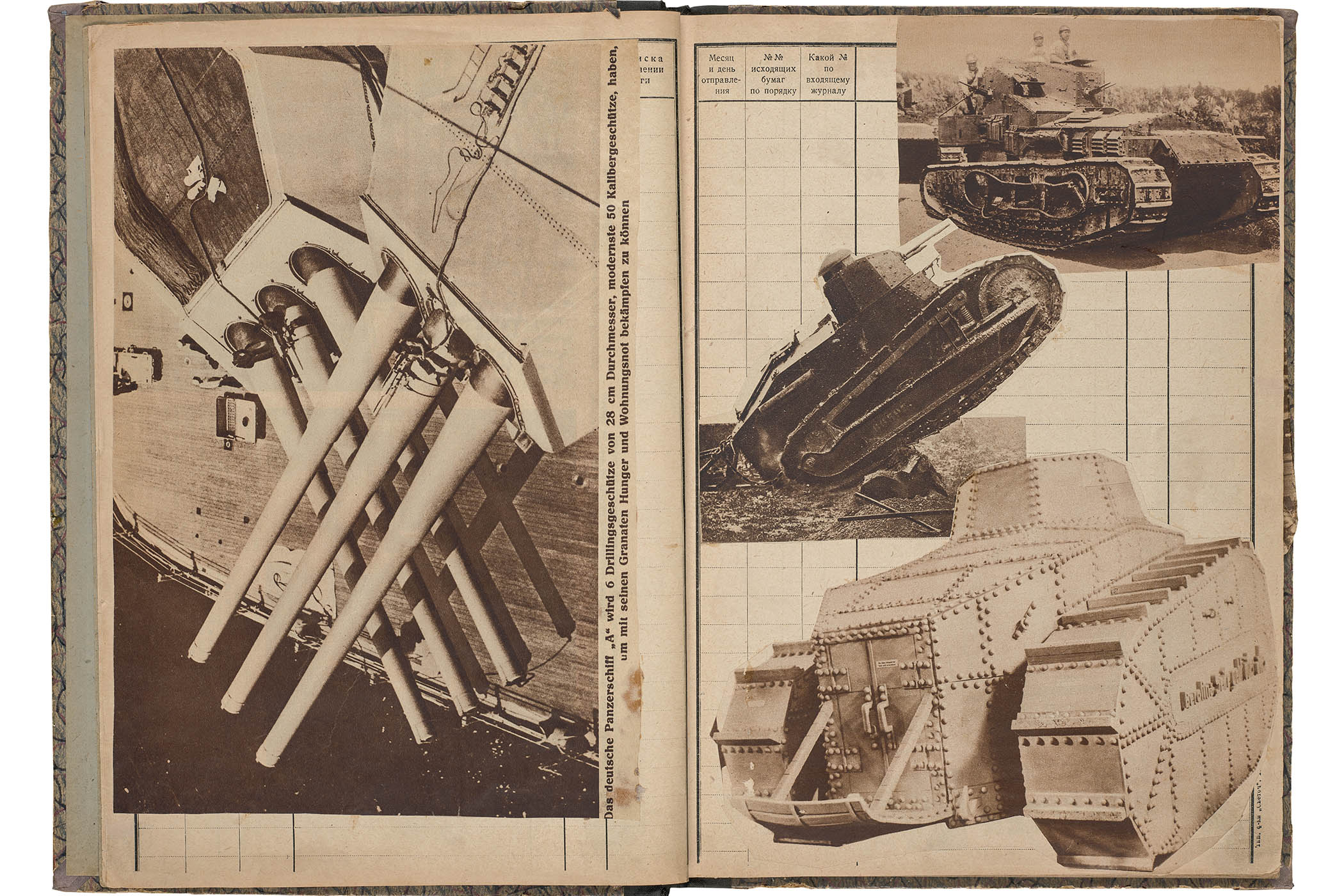

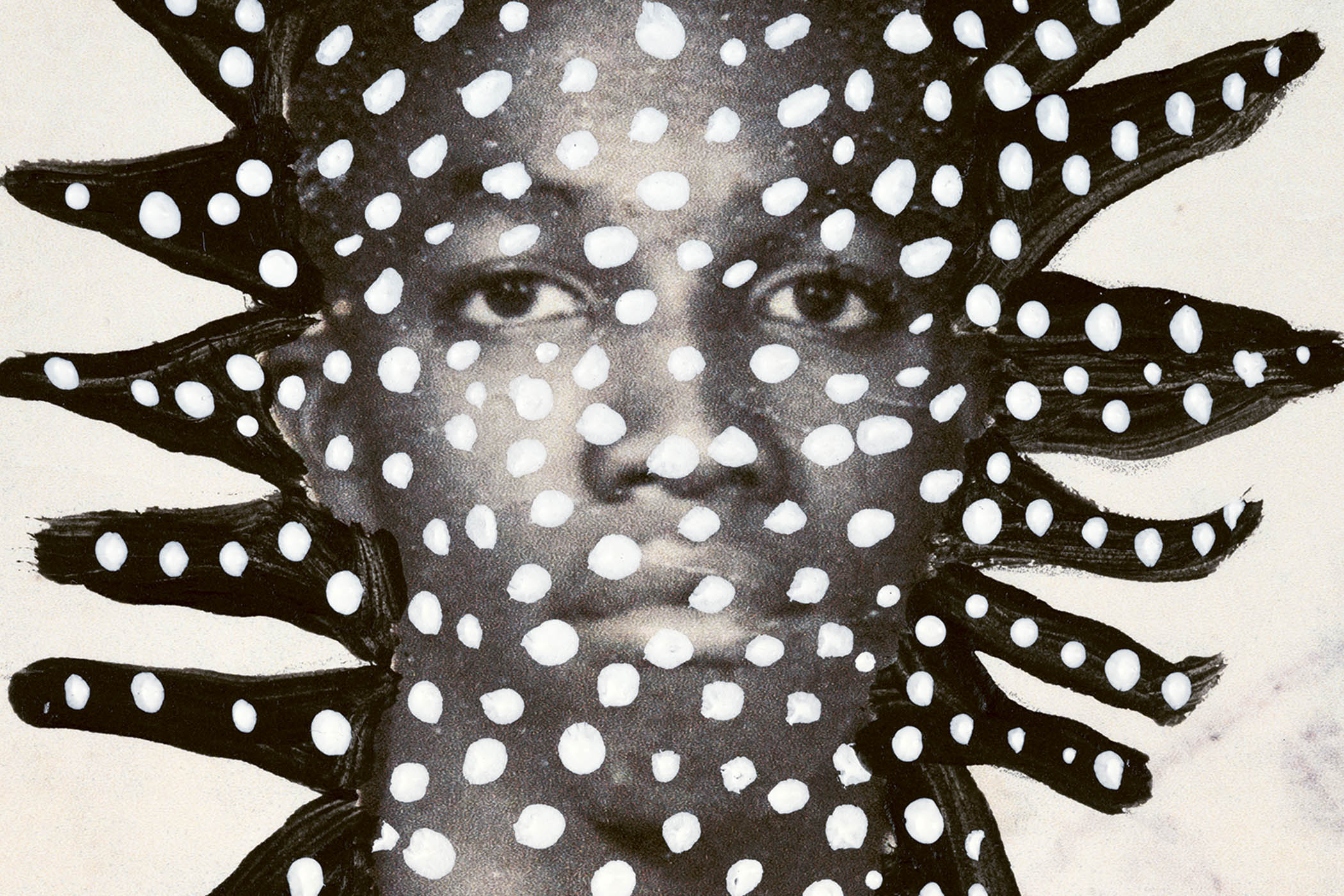
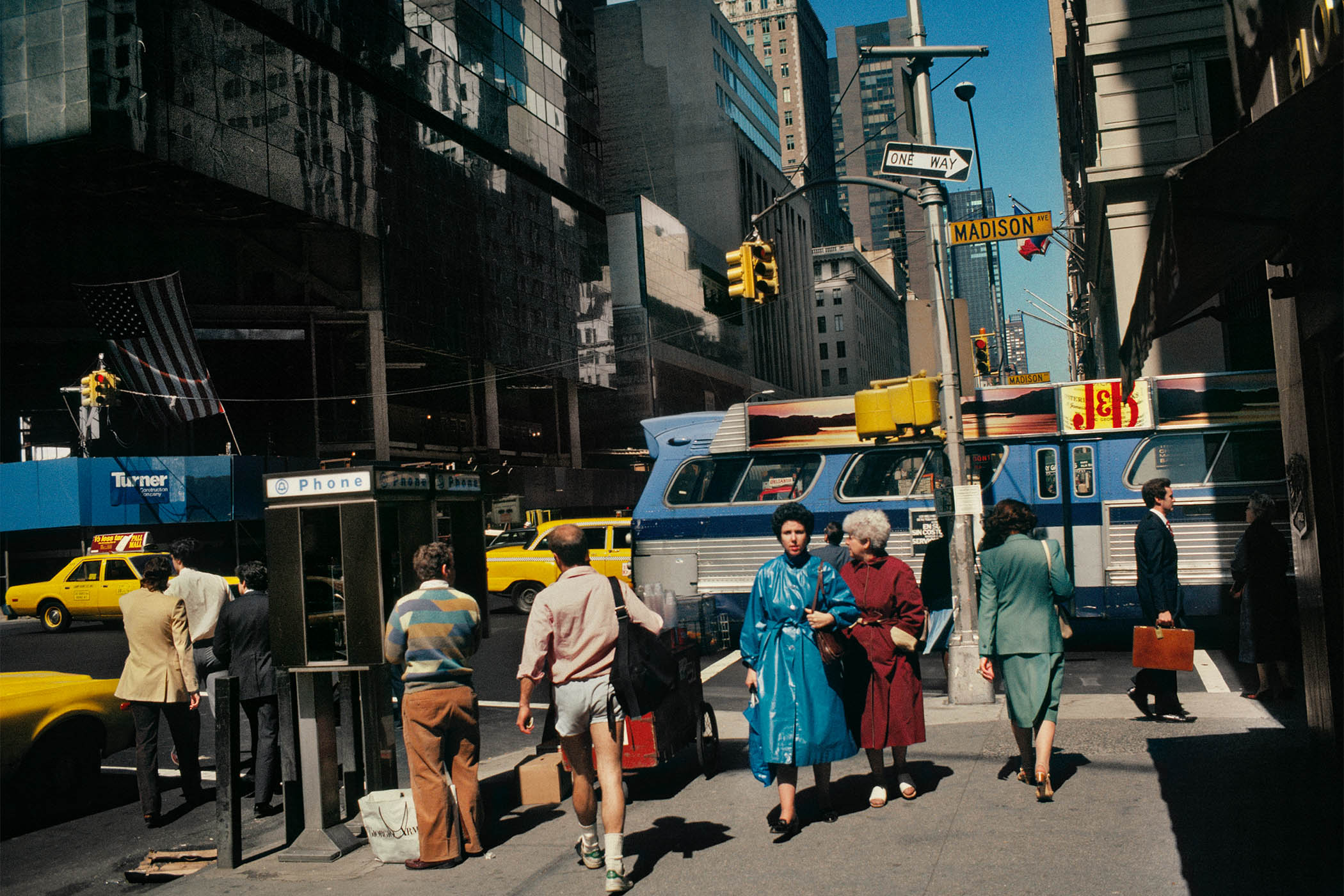
Family albums, scrapbooks and feminist pamphlets are not typically the preserve of art history books, which is what makes Cut Out by Fiona Rogers so fascinating. It examines photo collage and montage through the lens of those erased from the canon because of the perceived inferiority of decorative arts.
“The history of art tells us that collage began in 1912, but women, indigenous and folk artists practised collage techniques for generations,” says Rogers, a curator of women in photography for the V&A’s Parasol Foundation. “Photography is also awash with the erasure of women’s contributions, and this book seeks to combine those two histories to celebrate the relationship between women, collage and photography.”
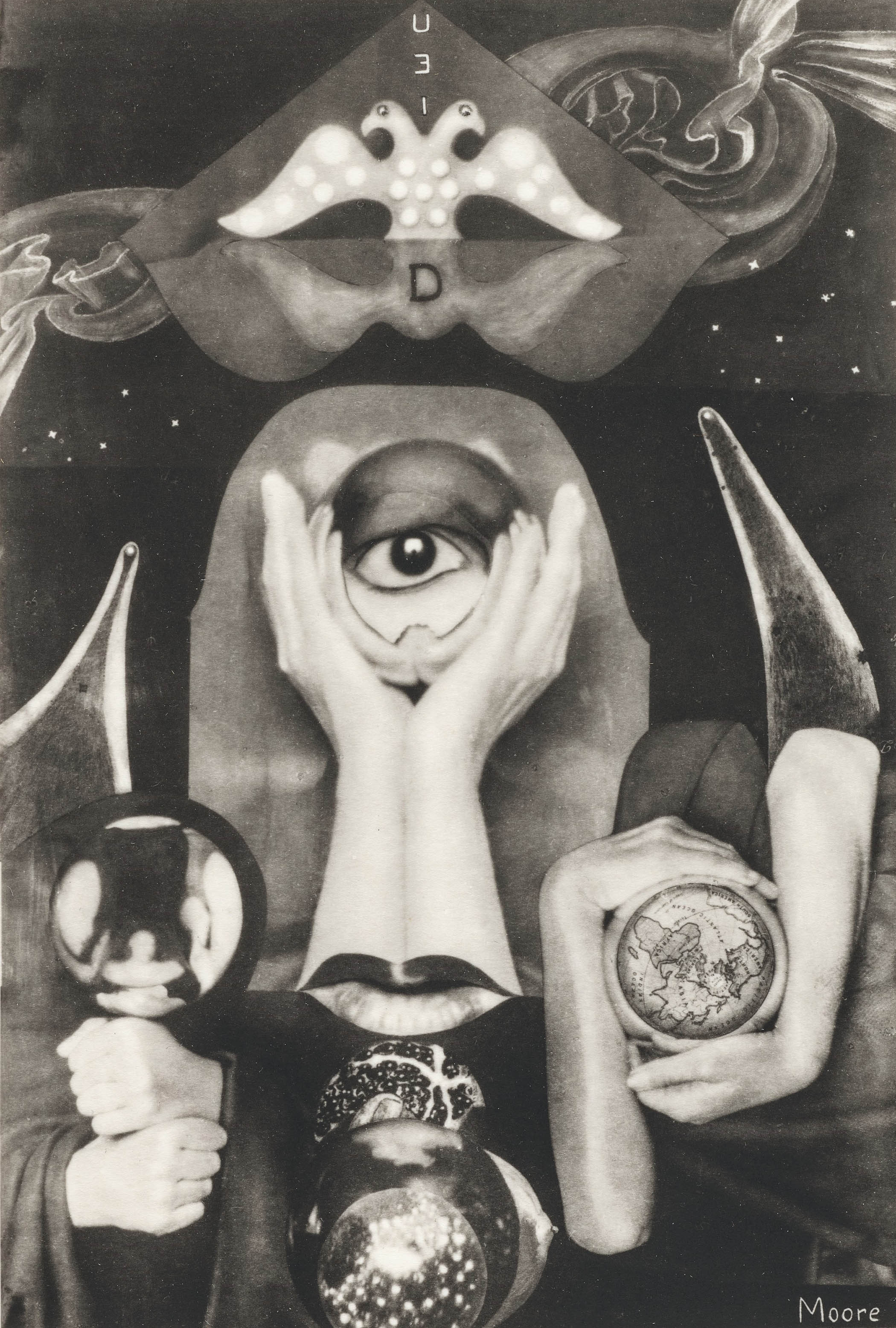
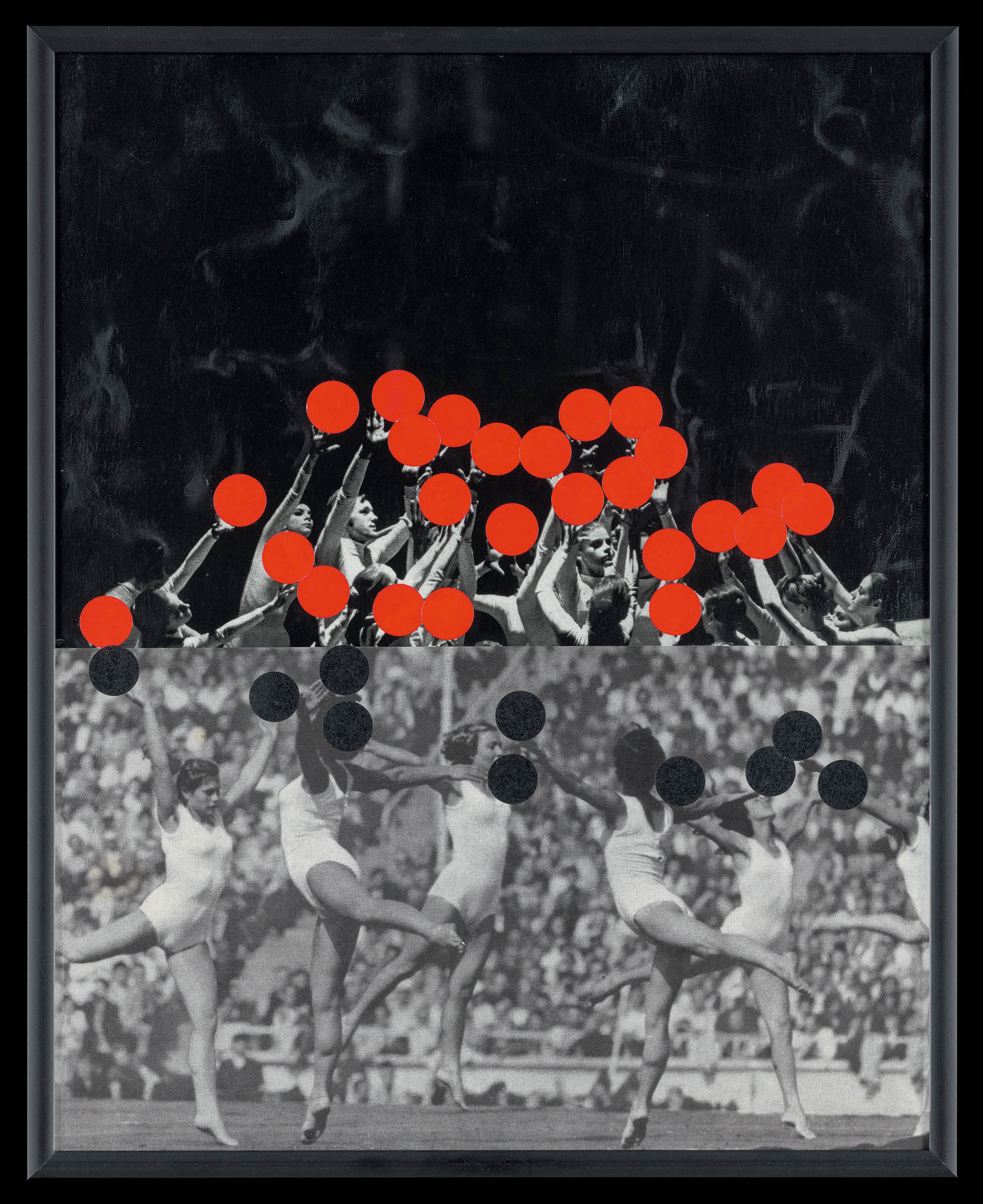
Rogers has collated works from the 19th century to the present day, conveying how forms from Victorian découpage to digital art have used the tools available for radical subversions. Cut Out was inspired by Waste Not, Want Not, a 1977 text by artists Miriam Schapiro and Melissa Meyer, which posited that women collected things out of necessity, recycling them because “leftovers yielded nourishment in new forms”.
“These fragments are a metaphor for women’s lives,” says Rogers. “At a time when art and photography histories are being reappraised, Cut Out reminds us of the political power of montage.”
Cut Out: A Feminist History of Photo Collage, Montage and Assemblage by Fiona Rogers is published by Thames & Hudson