Is Euphoria now controversial for all the wrong reasons? Put it another way: how did Sam Levinson’s magnificent – flawed but exhilarating – show about dysfunctional California high schoolers become so very, very bad? Arriving in 2019 on Sky Atlantic and Now, it exposed the dark side of American youth culture in all its druggy, seedy, nihilistic, dick-pic-infested glory, becoming HBO’s second most-watched show after Games of Thrones. The talented, now-returning leads – Zendaya (who won two Emmys for her portrayal of drug addict Rue), recent Oscar nominee Jacob Elordi (as sociopathic jock Nate) and Sydney Sweeney (Nate’s miserably obsessed girlfriend Cassie) – evolved into big Hollywood stars.
After a four-year delay, the third series arrives mired in grubby controversy. The opening episode features Cassie, now Nate’s fiancee, making kinky online content while dressed up as a puppy, lapping at a dog bowl. But it’s a trailer for a forthcoming episode that’s sparked uproar. In it, Cassie, dressed as a toddler with pigtails and a dummy, is wearing a see-through top with what appears to be a nappy as she faces the camera and holds up her spread-apart legs. It’s grim but also confusing, because this isn’t Euphoria’s usual style. As much as the drama was out to shock, it was also imbued with atmosphere and led by character.
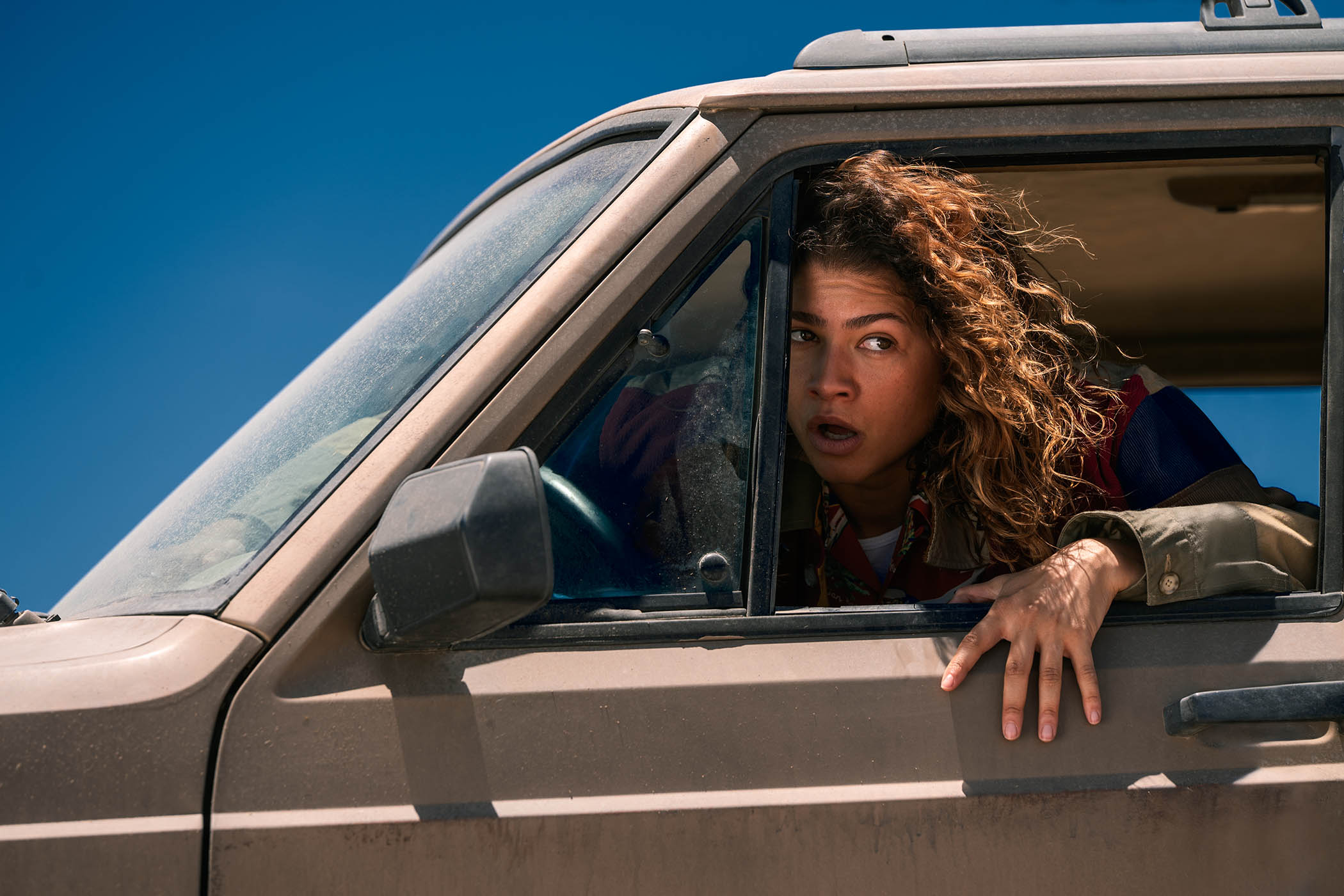
By contrast, the start of the new series, set five years after the previous outing and stripped of its high school backdrop, feels more like a half-baked Breaking Bad. Rue, still estranged from her family, is a drug mule, travelling across the Mexican desert, gulping down lubed-up, balloon-wrapped balls of fentanyl and bantering with strip club overlord Alamo (Adewale Akinnuoye-Agbaje), who seems unable to converse without using the word “pussy”; as in: “I’m the motherfucking king of pussy”, and so on.
It isn’t cool to rewrite Zendaya’s lesbian character Rue to become as exploitative as a man
It isn’t cool to rewrite Zendaya’s lesbian character Rue to become as exploitative as a man
Rue, a lesbian, follows suit, leering at the undulating strippers around her – a boorish departure for her character. Similarly, if Cassie was always blankly eroticised, she was also depicted as struggling under Nate’s influence. Here, though, she vacuously schemes to post pictures of herself on the adult content platform OnlyFans to pay for their $50,000 wedding flowers. Nate, previously a chilling alpha, is reduced to whinging about his construction business and griping over Cassie’s proposal.
Of course Euphoria could yet improve (Sharon Stone and pop star Rosalía are set to appear), but with the nods to toddler-themed pornography, a line has surely been crossed. It isn’t “transgressive” to depict the vilest thing you can think of. It isn’t cool to rewrite a lesbian character to become as exploitative as a man. Nor is it clever to waste major talent on lurid, vapid and dull storylines. Euphoria didn’t just cheaply sensationalise its wild teenagers, it understood them: how they thought, felt and suffered. This series, so far, doesn’t even try.
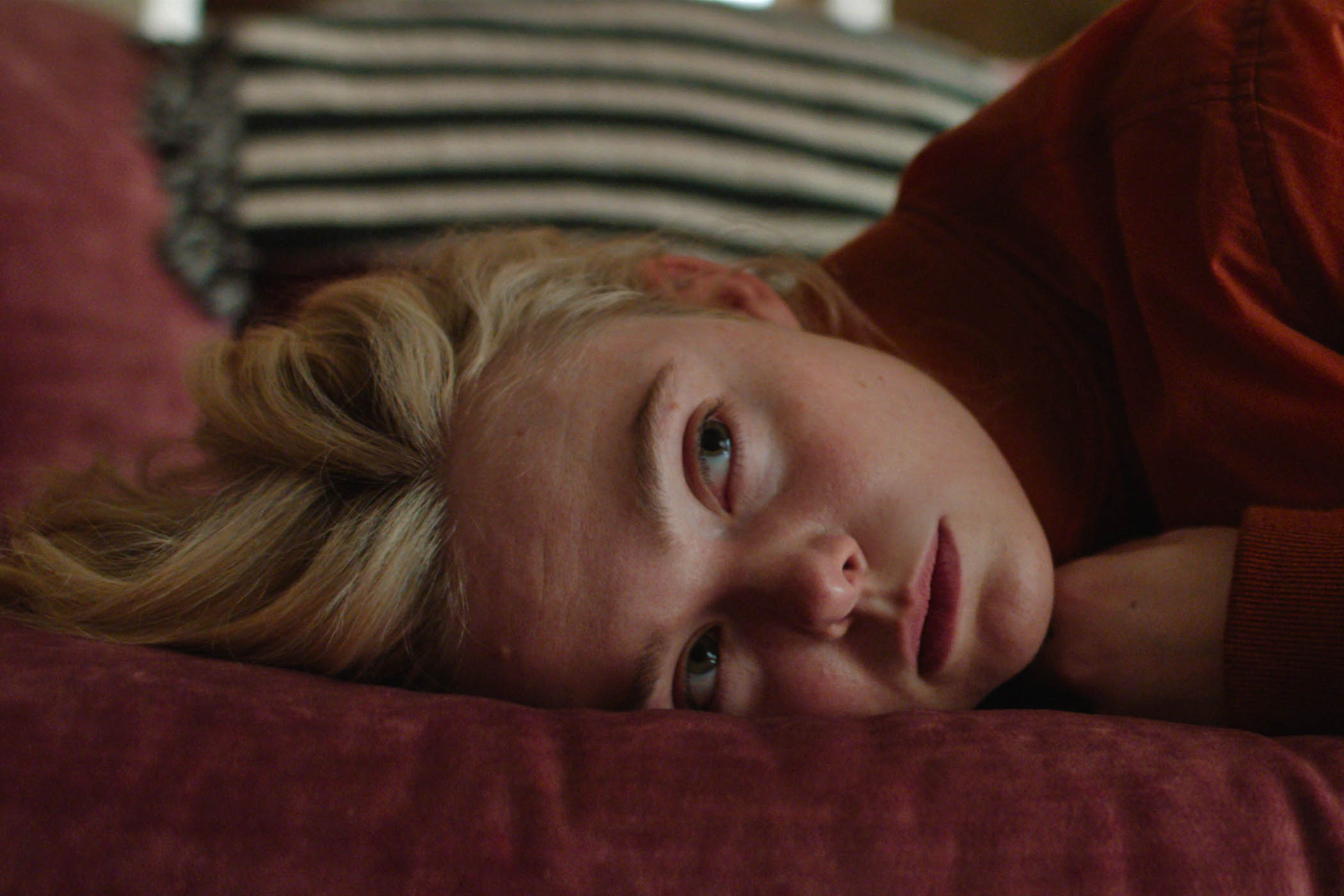
New eight-part comedy drama Margo’s Got Money Troubles (Apple TV+) is based on Rufi Thorpe’s 2024 novel and created by David E Kelley, who delivered The Undoing, Big Little Lies and a myriad more. Margo, played by Elle Fanning (below), is a wannabe writer and student based in LA. After a fling with her college professor, she gives birth to a baby boy. Her horrified mother, Shyanne (played by Kelley’s wife, Michelle Pfeiffer), is a former Hooters waitress trying to turn respectable by marrying prim youth church director Kenny (Greg Kinnear). Margo’s father, Jinx, an ex-professional wrestler and junkie, portrayed by Nick Offerman, emerges to help, along with Margo’s quirky flatmate Susie (Thaddea Graham).
As Margo sinks further into financial disarray, she turns to – you guessed it – OnlyFans, first to earn money artfully critiquing photos of genitalia (“Your penis is filled with quiet menace”) and then cavorting as a sexy alien called Hungry Ghost. Margo’s Got Money Troubles juggles many themes: unsupported pregnancy, single motherhood, family relationships, online sex work, stress and thwarted dreams. If it barely addresses the darker side of OnlyFans, the script crackles along – “It’s kind of crazy they just let you leave with him. Newborn human being. No instruction manual” – and the performances are well observed.
Pfeiffer is superb, veering between eye-rolling reluctance and streetwise brio: “No grandchild of mine is riding in a boring-ass stroller!” Offerman plays against type as a psychologically unravelling wrestler, while Fanning is perfect as the young woman stumbling through skint motherhood without a roadmap. I end up thinking of Margo as an updated Juno, with a different outcome. The show pulls it off beautifully.
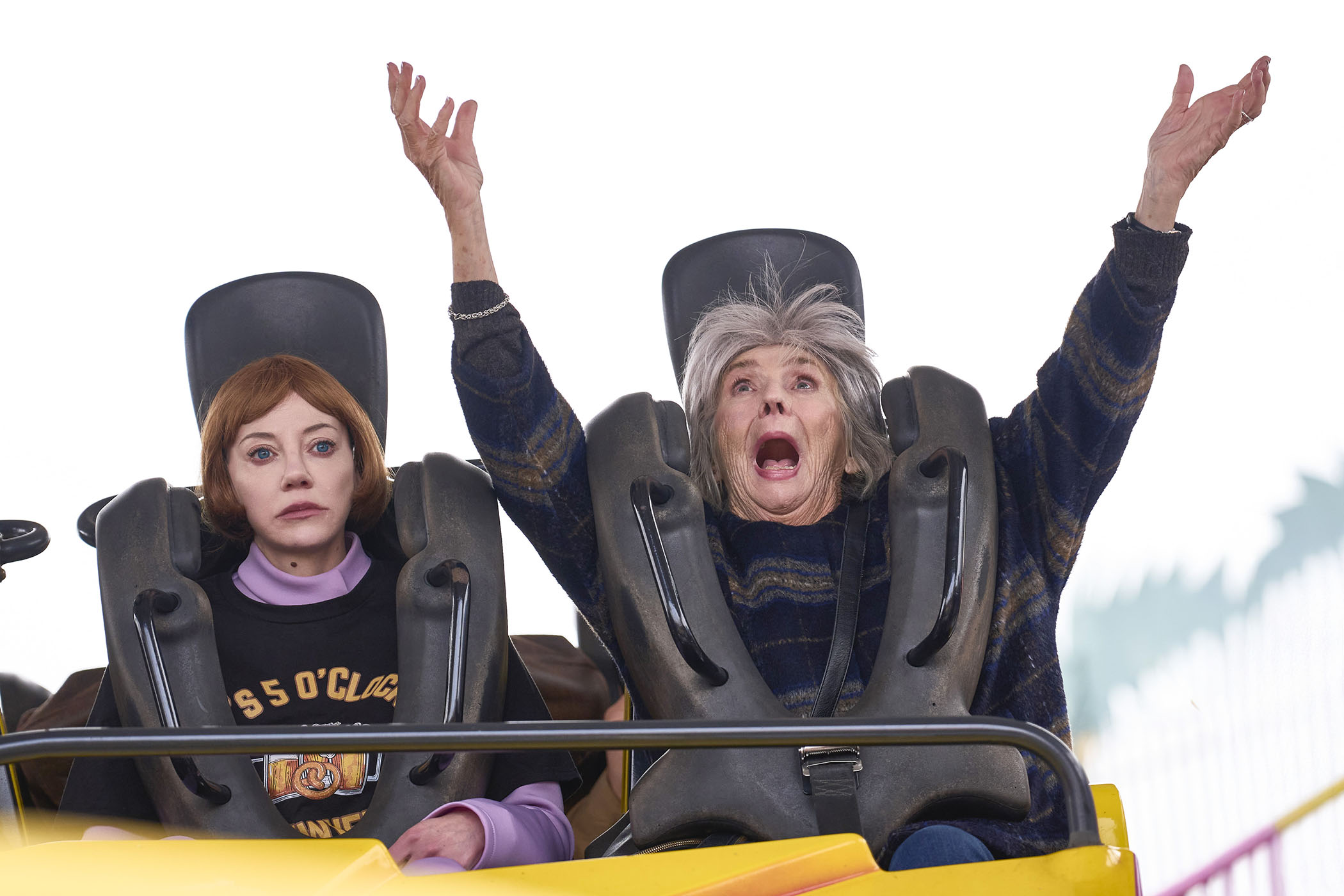
In 2024, Camilla Whitehill’s Big Mood stood out from other dramedies about the mental health of young women. A cult hit for Channel 4, it was a deeper, funnier and more poignant exploration of often difficult subject matter. Nicola Coughlan (Bridgerton, Derry Girls) excelled in the role of Maggie, whose bipolar disorder sent a wrecking ball through her life and relationships, particularly her cherished friendship with Eddie, played by Lydia West.
As the second, six-part series begins, Maggie and Eddie are estranged but thrown together at a dreadful wedding. Not only does Eddie prefer to remain estranged, she’s fallen under the spell of dreadful grifter Whitney (Hannah Onslow), who specialises in new age woo-woo: “I’ve been put on this Earth to spread light and eradicate darkness.”
Newsletters
Choose the newsletters you want to receive
View more
For information about how The Observer protects your data, read our Privacy Policy
Mischievously camp, Big Mood thinks nothing of deploying Rupert Everett, as himself, to get Maggie’s friends into a drag club: “I’m Rupert fucking Everett, darling!” Robert Lindsay also appears, playing Maggie’s neglectful and damaging father.
The main plot focuses on Maggie and her increasingly desperate attempts to resurrect her bond with Eddie. Maggie is now doggedly micromanaging her medication and her health, even to the point of toiling on an exercise cycle (“I don’t like you using that thing,” cries her mum, played by Niamh Cusack. “That’s how Mr Big died”). But are her efforts too late? “Being your friend is hard fucking work, Maggie,” Eddie says. Big Mood cleverly subverts the crisis of a romcom and makes it about female friendship. At once wickedly funny and defiantly serious, it doesn’t let the viewer off the hook.
Photographs by 2026 Home Box Office, Inc