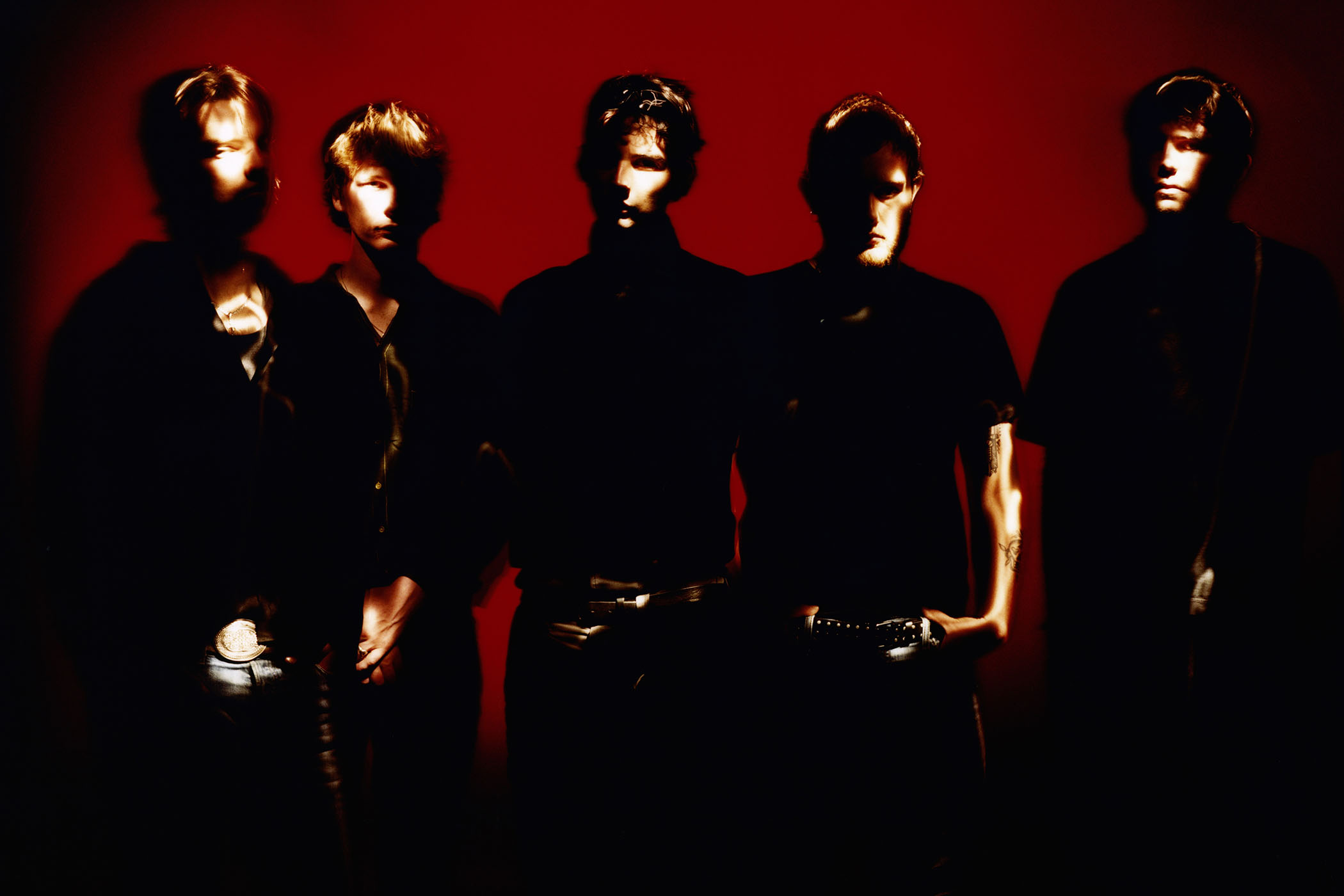


Masquerade
Cardinals
(So Young)
Of all the guitar bands coming out of Ireland in the wake of Fontaines DC, Cardinals are the outfit most hymned by that band’s frontman, Grian Chatten. They were invited on to the bill at FDC’s headline gig in London’s Finsbury Park last summer, and their debut album shares common ground with Fontaines’ own first record Dogrel – namely in its bruised storytelling and an Irishness devoid of nostalgia but rooted in place (“Dublin City” for Fontaines; Cork for Cardinals).
Cardinals’ default setting is tuneful but brooding indie rock, elevated by variations in pace and flashes of the unexpected: Finn Manning’s accordion, for example, which avoids obvious applications – Pogues-ish knees-ups, Lankum-esque drones – and instead provides a destabilising background thrum. Both the yearning title track and the more roustabout Anhedonia benefit.
Singer Euan Manning, brother of Finn, juggles a cast of flawed protagonists and supporting characters who swing from rueful self-knowledge to violence. While the swaggering Barbed Wire has “banger” status, Euan’s best writing is saved for the closing track: “I need another name that isn’t hopeless or ashamed or unholy.” He at least has Chatten’s blessing. Kitty Empire
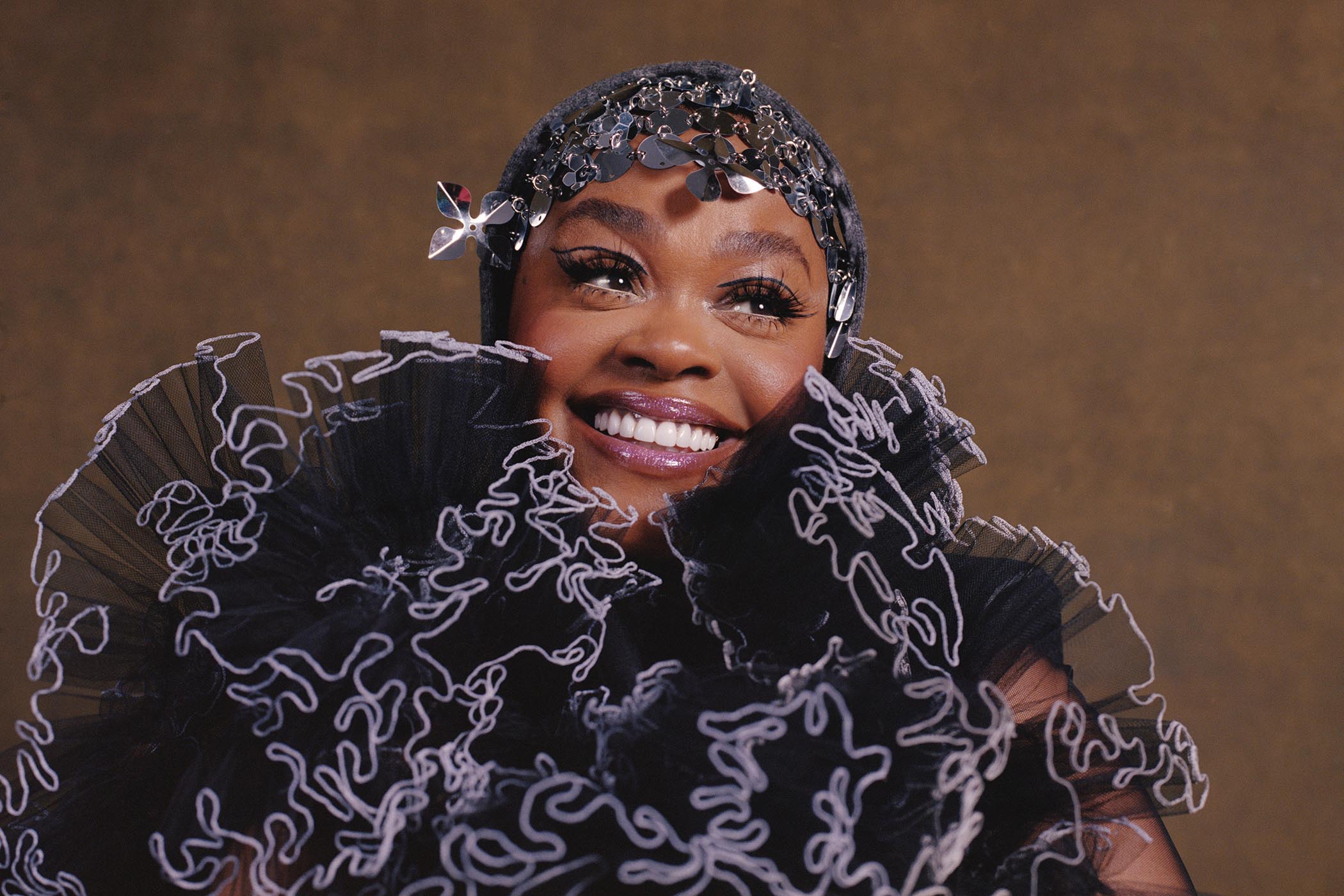
To Whom This May Concern
Jill Scott
(Blues Babe)
Jill Scott’s first two albums, Who Is Jill Scott? and Beautifully Human, are touchstones of the short-lived neo-soul movement of the early 2000s. Full of hushed vocals and drum rimshots, they offered a more literate and forthright counterpoint to Erykah Badu’s dreaminess. But the three albums that followed found the US artist struggling to settle on a sound. This, her first record in 11 years, is similarly varied: on the first five of these 19 tracks alone, Scott flits from rapturous braggadocio (Be Great) to astute Afrocentrism (Offdaback) and spirited hip-hop (Norf Side).
Like her other albums, To Whom This May Concern is long and would benefit from losing tracks such as the potty-mouthed lounge jazz of Pay U on Tuesday and the dated Right Here Right Now. Happily, though, Scott is more invested in her performances here than on her last album, 2015’s Woman, and her voice is commanding – deeper and fuller than in her youth but still with a Minnie Riperton quality. She shines on the groovy Liftin’ Me Up, and on the standout cut Pressha, she rails against the expectation to be “pretty and cosmetic, elementary, alphabetic”. There is far more to Scott than that. Lewis Huxley

Do You Still Love Me?
Ella Mai
(Interscope )
On her third album, the British singer-songwriter Ella Mai contemplates the highs and lows of a grownup kind of love – following the birth in 2024 of her child with long-term partner, the US basketballer Jayson Tatum. It’s another record on which Mai channels R&B nostalgia, but this time she’s really found her voice, and her silky singing is gilded with harmonies.
Her lyrics are candid and striking, covering fears about love (“Don’t want nothin’ from somethin’ I could lose,” she sings on the opening track There Goes My Heart) along with an appreciation of the mundane duty of care (“I’ll warm up your plate when you arrive,” she offers on Little Things). On Luckiest Man she demands respect, then on Might Just she spirals after dreaming about her partner sleeping with someone else. There are familiar gripes about co-habitation, too, on the swoony No Angels, featuring Kirk Franklin: “Is that why you leave the sink like that?”
This is a gorgeous listen – deep, frank and earnest. It is Mai’s best album to date. Tara Joshi

Ten One Two
Shake Stew
(Traumton)
Influenced by the hypnotic rhythms of Kraftwerk and Krautrock, this Austrian seven-piece are often labelled Krautjazz, though the group have grown into a subtler and more accomplished outfit than that lazy tag suggests.
A double album celebrating their 10th anniversary, Ten One Two maintains their polyrhythmic approach in impressive style. Often using two drummers (one for each stereo channel), and sometimes doubling up on bass parts, they are led by the bassist and composer Lukas Kranzelbinder, who knows his way around Afrobeat, funk and even log drums from Guinea. Alongside the shifting backdrops there are elegant solos on alto and tenor sax, flute and trumpet. The last, from Mario Rom, is particularly fine.
The first album is the more structured, with a number such as Bakunawa grafting an Ellingtonian brass part to skittering flute and deep rhythms. The second continues with a salute to jazz pioneer Don Cherry on Cherry Pie before breaking into smaller, more improvisational units. King of Thieves is essentially a three-minute bass solo, and Cabanes/Castellon an exercise in atmospherics. Sweet stuff from Vienna. Neil Spencer
Photographs by Steve Gullick/Kennedi Carter/ Jordan Perez/Victoria Nazarova
Newsletters
Choose the newsletters you want to receive
View more
For information about how The Observer protects your data, read our Privacy Policy