
My New Band Believe
My New Band Believe
(Rough Trade)
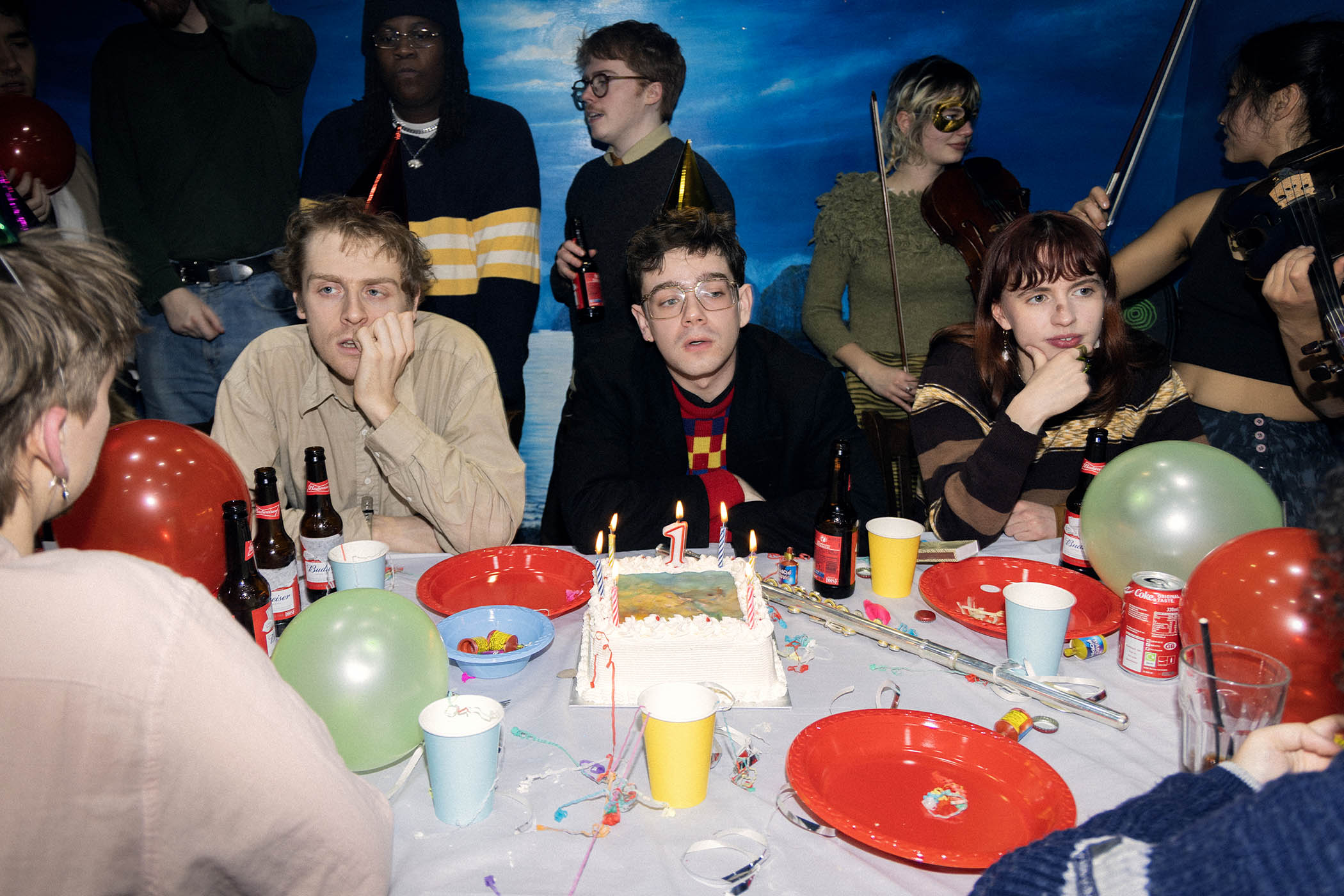
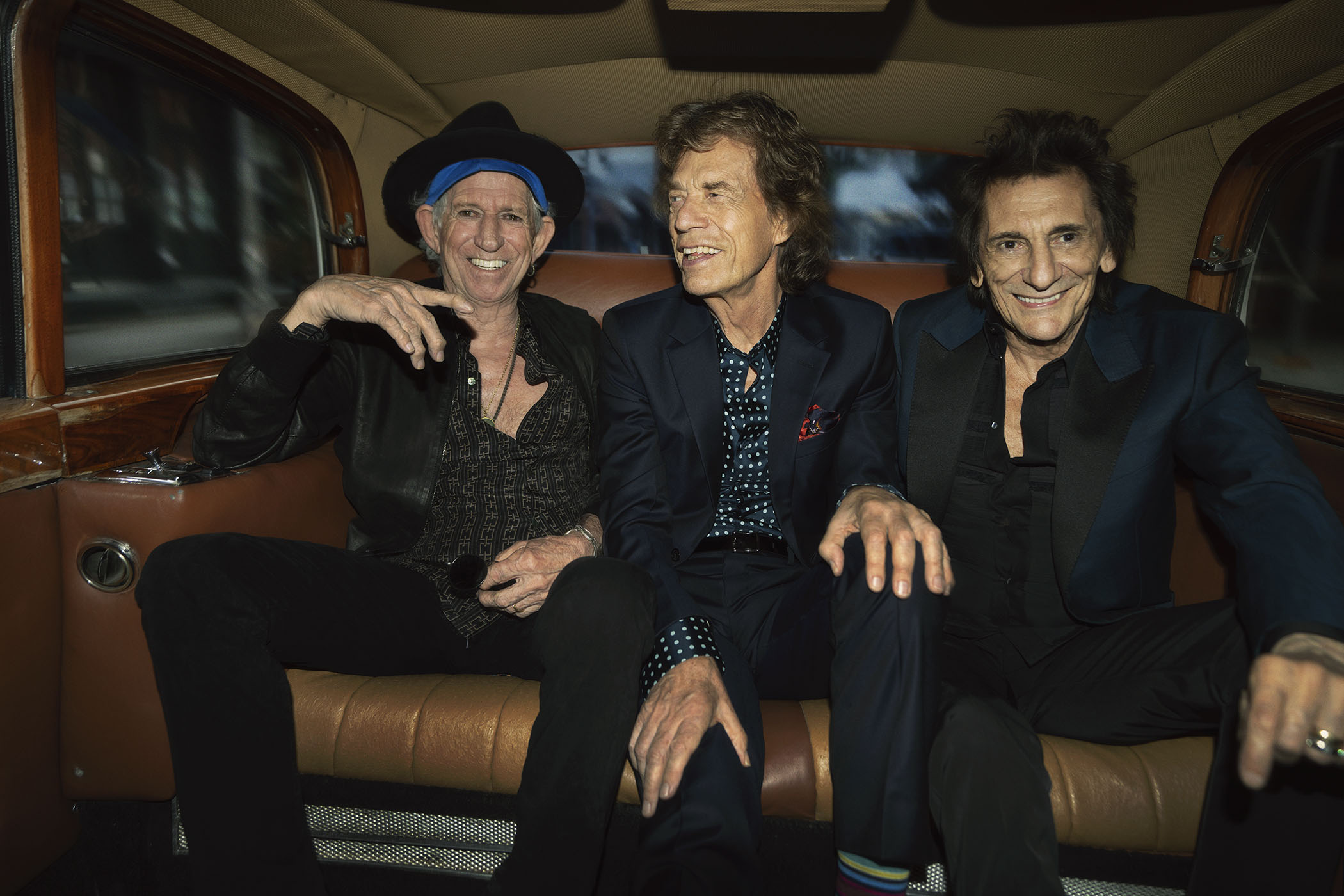
Black Midi were a gnarly guitar band who often sounded like they were about to implode. Their hiatus has so far produced a solo career for maverick frontman Geordie Greep and a project by the bassist and singer Cameron Picton.
Picton’s new vehicle, My New Band Believe, retains Black Midi’s fizzing energy but transposes it on to largely acoustic instruments. Redolent of Bert Jansch, there are experimental folk roots at work: the eight-and-half-minute Heart of Darkness has a lush, beatific centrepiece full of arpeggiating guitar.
The album is at times fantastic, privileging something closer to elegance than Black Midi’s harsh handbrake turns. The sound often recalls that of London-based post-rock eight-piece Caroline, some of whom guest here, adding classical instrumentation. But the vision is distinctly Picton’s, conceived, he says, in a fever dream in China while touring with BM.
Occasionally, there’s a surfeit of whimsy, but get past the opening track Target Practice – a fictional revenge fantasy operetta designed, perhaps, to test the listener’s loyalty – and soon the band carve out the heartfelt shapes of Love Story or the more assured Actress. Kitty Empire

Cruel WorldHolly Humberstone
(Polydor)
Childhood relics – ballet shoes, friendly ghosts – form the emotional backbone of Holly Humberstone’s Cruel World, a second album that leans into nostalgia while striving for reinvention. Having left her “haunted house” in Grantham and rejected her record label’s attempts to make her pop’s next big thing, Humberstone has rebuilt her life in London with her sisters and best friend. As she sings in the festival-ready To Love Somebody: “It all works out, it always does.”
Newsletters
Choose the newsletters you want to receive
View more
For information about how The Observer protects your data, read our Privacy Policy
Humberstone won the Brit Rising Star award in 2022 with breakout hits such as Scarlett, which paired gothic imagery with polished pop. Her confessional tone invites comparisons to Gracie Abrams, with hints of Phoebe Bridgers and Ethel Cain. Still, her delivery remains distinctly British, whether in references to Telegraph Hill or her straightforward takes on love’s contradictions.
The album is most compelling in its diaristic moments. Die Happy reinterprets the Smiths’ romantic fatalism with a pop-goth twist, while Lucy sketches the importance of friendship. Closing track Beauty Pageant is the most affecting, tracing ambition and self-worth with theatrical poise. These songs confirm she is a distinctive pop voice. Georgia Evans
Forever Ends Someday
Wesley Joseph
(Secretly Canadian)
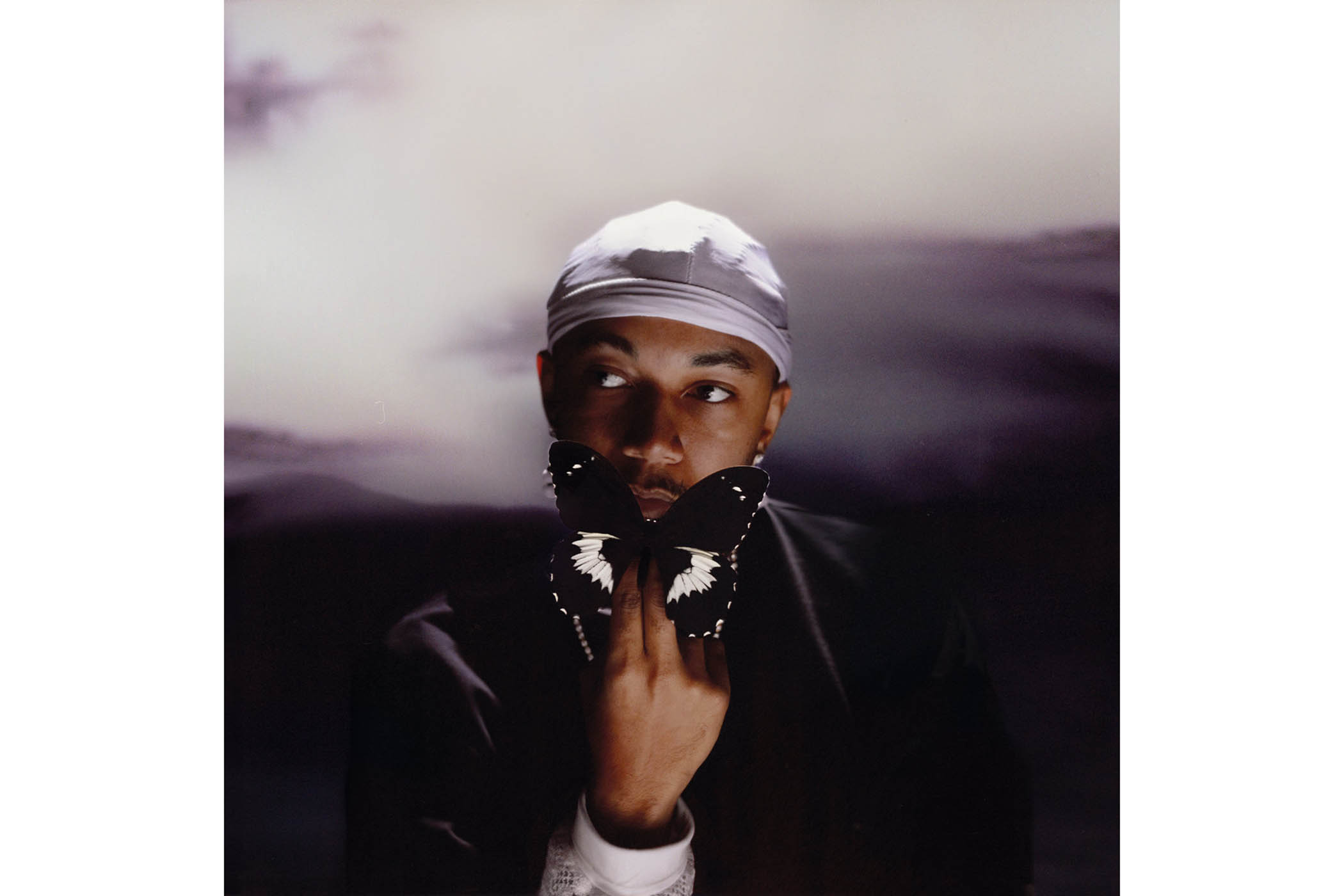
“I take pride in making 15 [tracks] and working on them for two years until they’re amazing,” Wesley Joseph told the NME recently. He should be proud. The soundworld the English singer-songwriter has constructed over the past decade is a heady combination of imagistic, self-questioning lyrics that are sung, spoken or rapped over complex, layered songs that flit from psychedelia to electronic soul to road rap. Occasionally this debut might remind you of OutKast, Frank Ocean, Bon Iver, Sampha, Prince or Loyle Carner, but mostly Forever Ends Someday sounds like nothing but itself.
It isn’t perfect. There isn’t always the melodic umami of previous tracks, such as Glow or Ghostin’. The best songs are those with front-foot rhythms, such as Distant Man and its anxiety-attack percussion. But Joseph’s voice has improved noticeably, switching in seconds from engaging croon to chest-prodding bars. This is an album that expands the possibilities of what British black music can be, and knows its own timelessness – all his lyrics would make sense whether sung 50 years in the past or future. Damien Morris
Brasiliano
Lucas Santtana
(No Format)
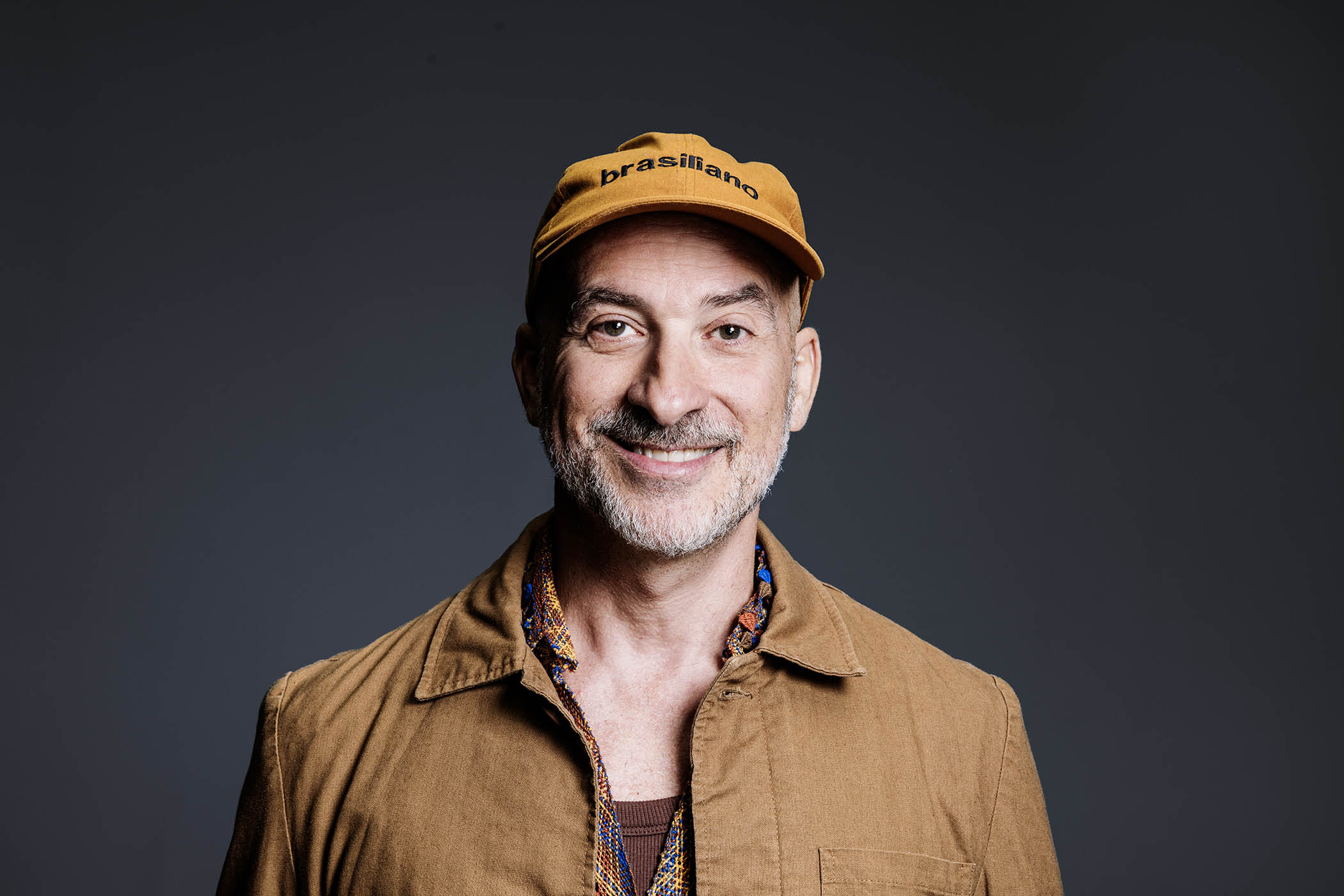
For Lucas Santtana, Portuguese is not the real language of Brazil – the nation’s true lingua franca is “Brasiliano”, a hybrid where the Latin roots of Portuguese come laced with the remnants of indigenous languages, alongside African imports and street argot. On the opening track of this, his 10th album, Santtana and national treasure Gilberto Gil rattle through linguistic history using a vocabulary you won’t find in Lisbon: Itapuã, Ipanema, Maracanã, Capoeira, etc. The rest of the album roams through Brazilian culture using a variety of languages and voices: indigenous singer Tainara Takua performs in the main language used in the country during its first two and a half centuries, before European colonisation took over. There is Occitan, Galician, Italian, French, and singers who straddle nationalities.
Behind all is the ingenious musical hybrid of Bahia-born Santtana, crisscrossing between analogue and digital, here leaning to lilting acoustic guitar rather than the oddball electronica of earlier releases. Occitan duo Liga and Galician poet Maria Lado provide languid summer delights, while Chico César offers a taste of carnival and Guinea-Bissau’s Karyna Gomes flies the flag for Brasiliano’s independence. Neil Spencer

One to watch: Fiona-Lee
It makes sense that producer Thom Lewis – the man behind the desk for Sam Fender’s debut, Hypersonic Missiles, and its stratospheric follow-up, Seventeen Going Under – wanted to work on Yorkshire-born Fiona-Lee’s second EP, Every Woman. Across its six tracks of raw, urgent storytelling, the 26-year-old marks herself out as a talent cut from a notably similar cloth to the North Shields superstar: one where grit and struggle sit readily alongside undeniable melodies and sky-soaring hooks. As she told Rolling Stone UK last year: “I have always wanted it to sound really big… I don’t want it to be background music.”
There’s audible ambition here, helped by an expressive voice that spans a steely lower register to passionate belt. But it’s Fiona-Lee’s readiness to lay out her experiences without mystery that will find her a true fan tribe. Early single Nothing Compares to Nineteen spoke of a teenage depression diagnosis and a friend who took his own life. On the title track she sings directly about sexual assault, while the rest of the record tackles topics from broken friendships (Erin, Victim) to imposter syndrome (Imposter).
Fender’s everyman tales might be an obvious reference point, but Every Woman wears its difference in its title. Fiona-Lee’s are songs built for girls to find their own specific catharsis. Lisa Wright
Every Woman is out on Friday via Gravity/Capitol
Photographs by Daisy Ayscough and Tomos Ayscough/Phoebe Fox/Jose de Holanda/Tatiana Pozuelo