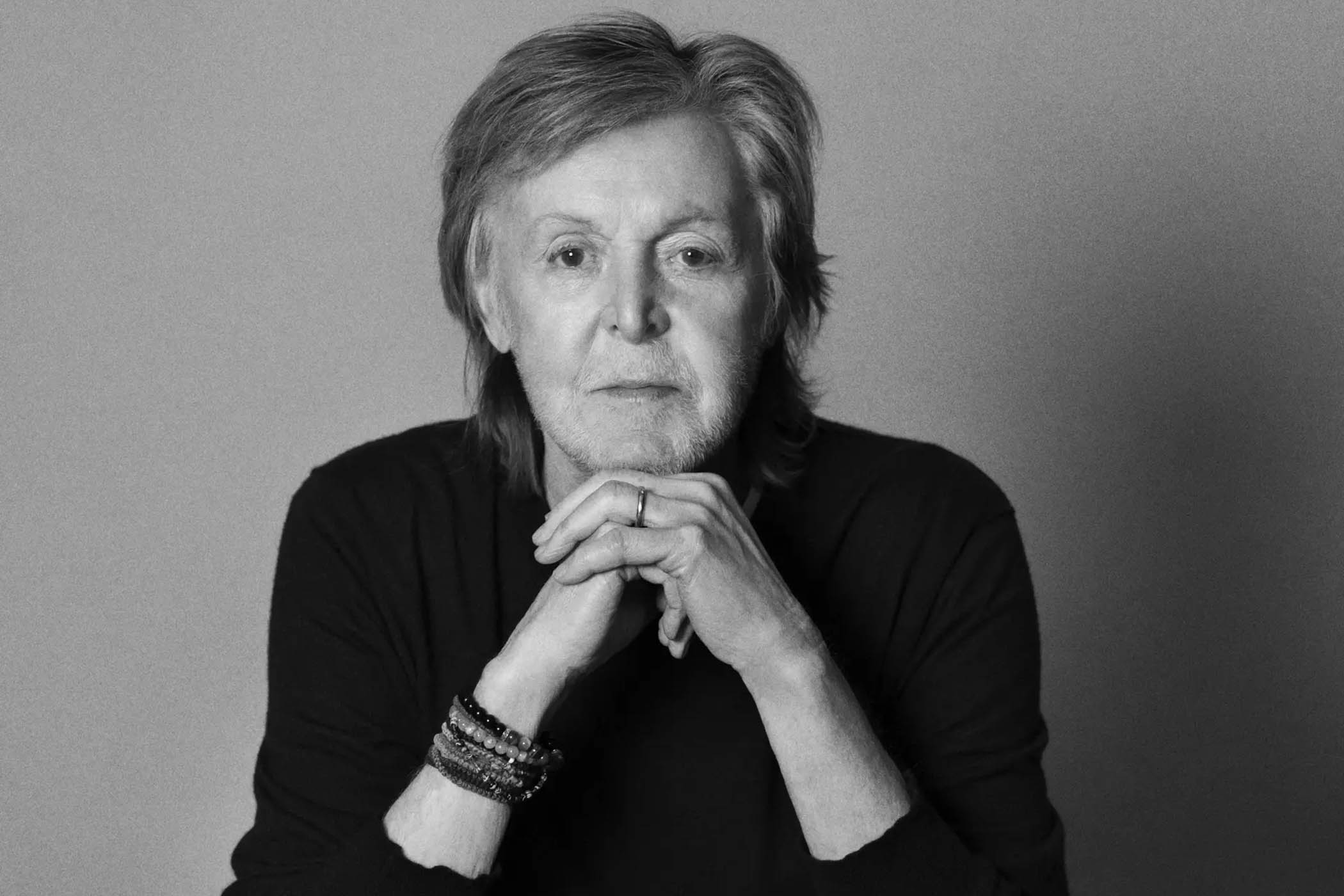

The Boys of Dungeon Lane
Paul McCartney
(MPL/Capitol)
Dungeon Lane – a road in Speke, Liverpool – sets the scene for Paul McCartney’s 20th solo album, on which his youth takes centre stage. We’re back on Forthlin Road, his childhood address, for Days We Left Behind; on Home to Us, a song about having little in postwar Liverpool, he performs a vocal duet with Ringo Starr for the first time. The overwhelming impression here is of a man counting his blessings in the company of LA producer Andrew Watt, the 35-year-old who has cornered the market in latter-day albums by 1960s and 70s titans, including Elton John and the Rolling Stones.
Some lyrics veer towards the prosaic – lines such as “reminders of my past” heavy-handedly tell rather than show. But unexpected epiphanies dot the many elegantly arranged meanders down memory lane. Down South, a pithy, easy-going acoustic guitar bromance, tells of hitchhiking with George Harrison “before we learned to twist and shout”. McCartney’s parents are vividly immortalised, with Salesman Saint featuring swinging jazz and trumpet melodies in tribute to his father’s instrument.
Boards of Canada
Inferno
(Warp)
The world is burning; we all know it. Experimental electronic Scottish confrères Boards of Canada’s last album, 2013’s Tomorrow’s Harvest, was pregnant with future fear and Inferno, their first album in 13 long years, suggests – after Dante – that hell is here.
That bad news is a joy to hear at first, coming in by-now familiar form with Michael Sandison and Marcus Eoin’s curdled analogue synth washes lapping at either ambient arrangements, ominous breakbeats or arpeggiating Doppler rhythms. Much-copied, never equalled, Boards remain magnificent watercolourists across these 18 tracks, conjuring fresh, queasy beauty out of silted electronics, like Kraftwerk’s Jungian shadow (especially in the opening chords to Into the Magic Land).
Their chosen samples are more problematic. Inferno seems to be concerned with religion, the first notes of alarm sounding on Prophecy at 1420 MHz, with a pitch-shifted scary voice claiming to be God, “the ultimate resonance”. The messaging doesn’t get any less heavy-handed, as Hare Krishna chants vie with informational samples about embryo development (Naraka and The Word Becomes Flesh, respectively). The duo have always sounded knowingly dated, but this approach has had its day. Far better are the sadder, more liminal and ill-defined tracks that rearrange Boards of Canada’s key components in discomfiting but more free-associative ways.

Now More Than Ever
Brian Jackson
(BBE Music)
When Brian Jackson encouraged Gil Scott-Heron to put his politicised poetry to music, he probably didn’t expect the result to remain relevant for 50 years. Yet the pair’s 1971 song, The Revolution Will Not Be Televised, is credited with creating hip-hop. On this collection of reworked tracks from throughout Scott-Heron and Jackson’s catalogue, it is brought up to date by Black Thought, MC of the Roots. Out go Xerox and Spiro Agnew and in comes the modern world: “You will not be able to block, unfollow, mute or swipe left to disengage with the revolution.”
Other guest vocalists include Omar (The Bottle) and multiple Grammy winner Lisa Fischer (Home Is Where the Hatred Is), while house producers Masters at Work sand off the grit of the original recordings. Their club-ready takes on Lady Day & John Coltrane and Winter in America emphasise Jackson’s compositions over Scott-Heron’s firebrand lyrics. And though it is damning that the injustices he wrote of are still so familiar, there is plenty to enjoy in hearing the tunes afresh. Much of the music Jackson made with Scott-Heron is not available on streaming services, so Now More Than Ever is a welcome reminder of their considerable talents. Lewis Huxley
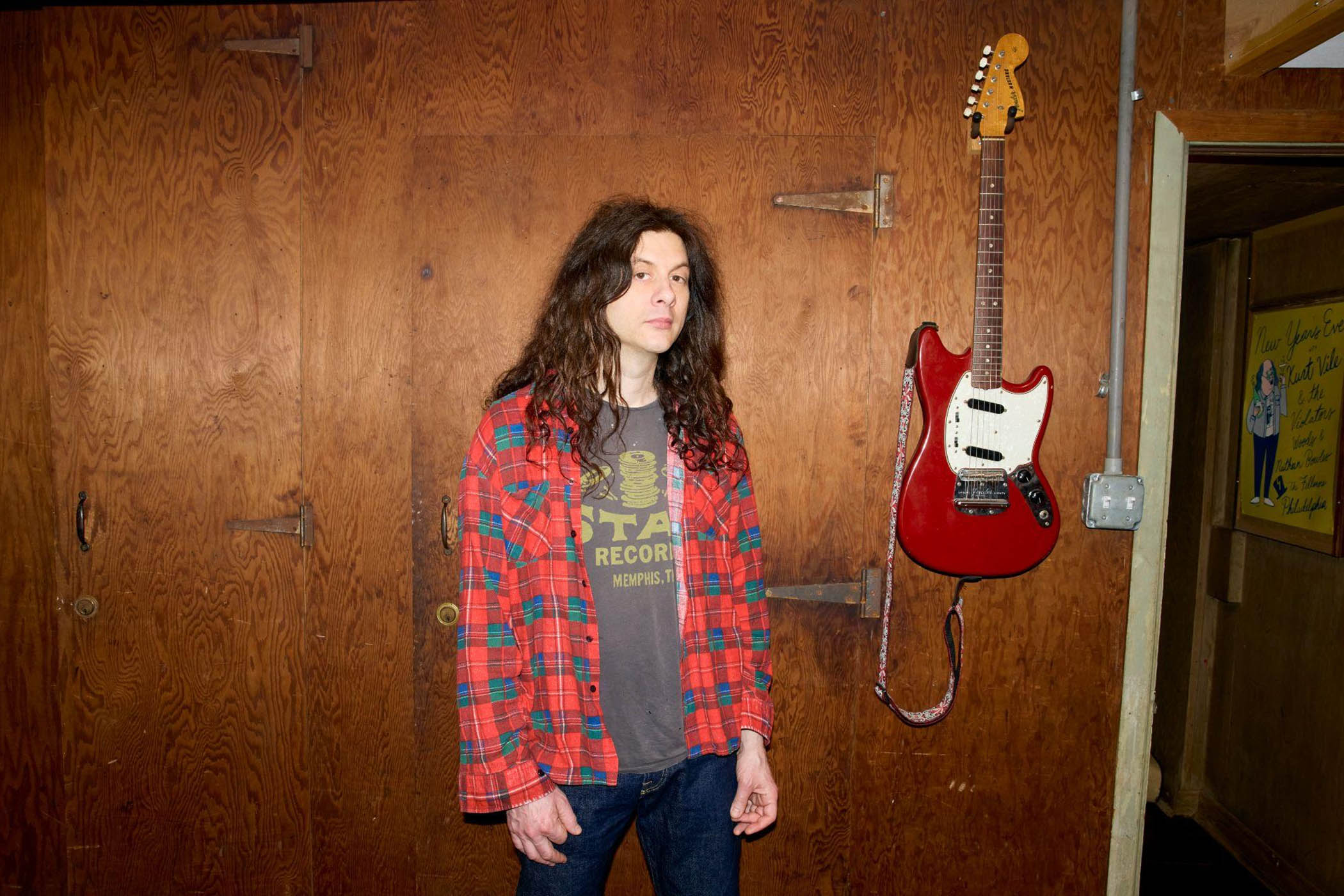
Philadelphia’s Been Good to Me
Kurt Vile
(Verve)
Kurt Vile’s drawled vocals, delivered as if he is permanently on the brink of falling asleep, have long epitomised the slacker ethos. When they work along with his unhurried, hypnotic guitar, the effect can be sublime: 2013’s Wakin on a Pretty Daze made you realise how much effort goes into sounding so shiftless. At other times, however, Vile has pushed the disengagement too far, and listening has started to feel like a chore.
His 10th album, Philadelphia’s Been Good to Me, for the most part lands on the right side of that fine line. A love letter to his home city, the 12 tracks here celebrate Vile’s quotidian life, whether it’s driving his car to the centre of town along Lincoln Drive (Zoom 97) or shovelling snow on Christmas Eve (Avalanches of Snow). “Don’t fall into the Schuylkill River, that’s the river that’s polluted as hell,” he advises on the title track: “But it runs through my town and I ain’t putting it down.”
Vile is at his most animated on standout track Chance to Bleed, while 99th Song may be 10 minutes long but is such a delight that it feels more like four. Phil Mongredien
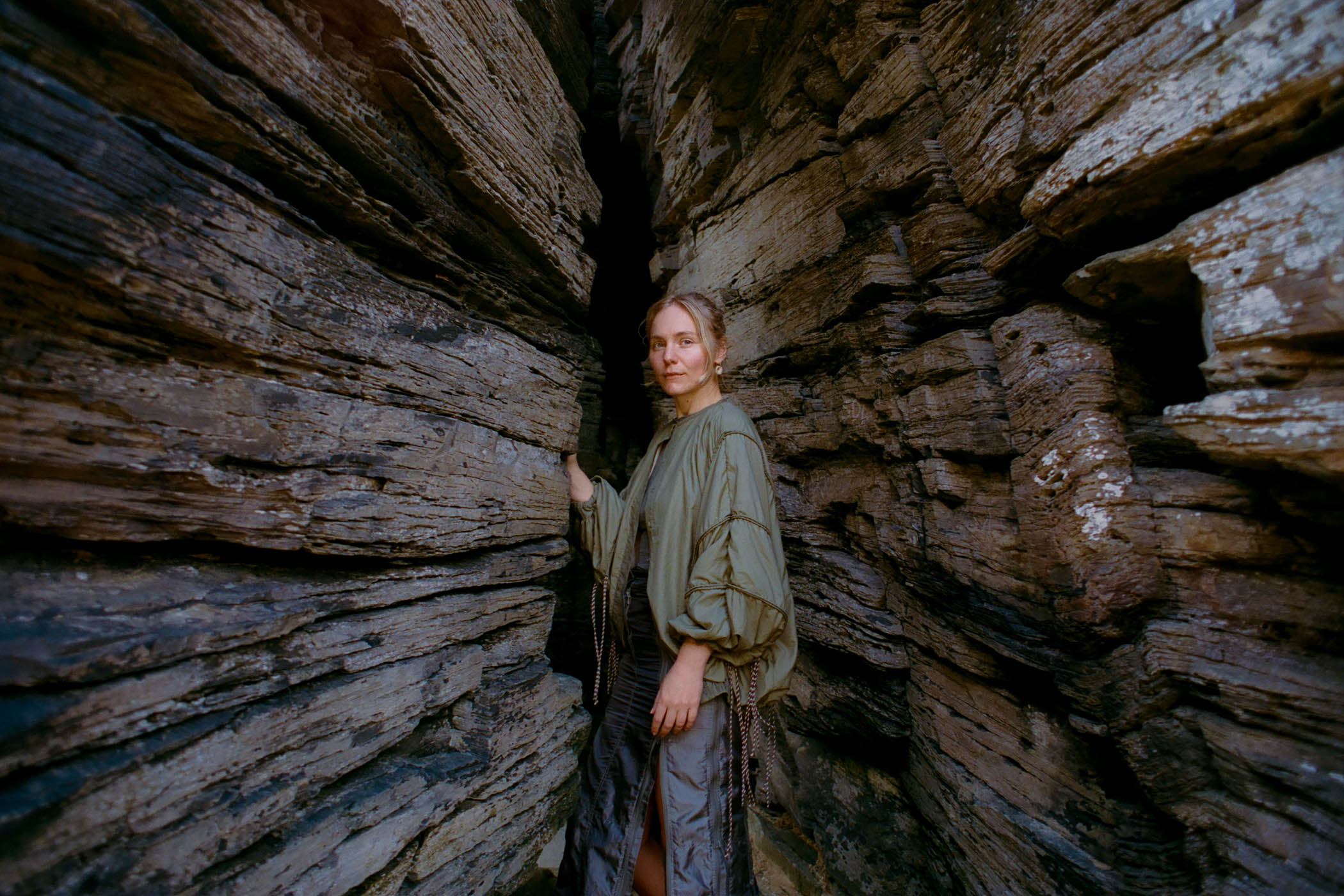
Lithic
Laura Misch
(One Little Independent)
Nature is a key collaborator of the composer Laura Misch. Her 2023 debut Sample the Sky combined textural field recordings from London’s wild spaces with softly bubbling electronic beats and husky vocal melody, while her latest release, Lithic, takes its inspiration from recordings made in caves, quarries and on cliff edges.
The resulting 12 tracks have an air of the sublime about them: on Breathing, wispy bass tones and cavernous reverb reflect gusts of wind, while overlapping saxophone phrases evoke tidal waves on Echoes, and layered harp lines tremble like rustling leaves on For(r)est.
Misch creates an ambient, new age atmosphere, bringing to mind the unobtrusive electronica of contemporaries such as Rhye. Yet her ear for the strange stops her music from settling in “chill playlist” territory. Chopped vocalisations create fractal melodies on Siren, while sweeping cello phrases swirl through folk-influenced vocals on the plaintive Shell. Such off-kilter textures prevent the record from dissolving into background pleasantness and instead reflect a darker, more unpredictable side to Misch’s natural muse. Ammar Kalia
One to watch: Violet Grohl
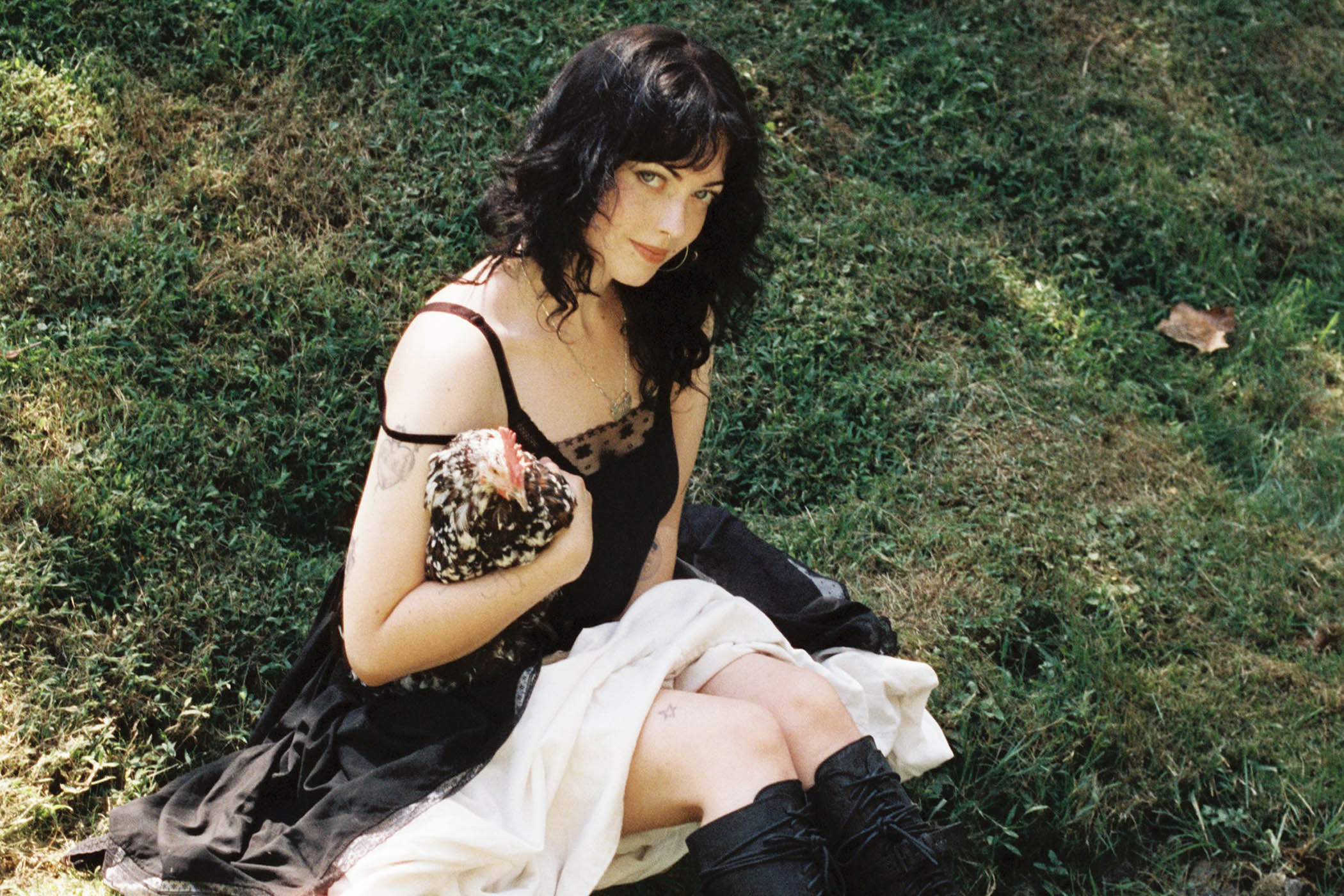
The best antidote to accusations of nepotism isn’t to change your surname or be defensive about the advantages of your upbringing; it’s to be good at your job. At 20, Violet Grohl, whose first professional appearance onstage was with her Foo Fighter father Dave eight years ago, already gets that.
Violet started off singing soul and jazz, more Billie Eilish than Nirvana. This is still apparent in her laidback yet powerful voice, but now there are hints of something grungier.
Appearing on Jimmy Kimmel’s show in 2021, Violet and Dave Grohl covered punk band X’s Nausea (with Krist Novoselic on bass and Slayer’s Dave Lombardo pounding drums) and that spiky fury fuels her excellent debut. Be Sweet To Me is a crunching collision of 1980s and 90s alt-rock styles, spanning new wave, slowcore and grunge pop and topped off with “sludge and crazy reverb”, as she puts it.
She shows a flair for eerie atmospherics, such as on What’s Heaven Without You, a tribute to David Lynch written with her friend and fellow rock daughter Persia Numan. Her best work blends weirdness with a thumping pop sensibility: Applefish and witty sex bop 595 are particularly exciting, crammed with nervous energy and catchy melodies. Damien Morris
Be Sweet To Me is out now. Violet Grohl plays Leeds and Reading festivals on 28 and 30 August