

Shortly after 9/11, sales of lipstick spiked – so much so that Mac cosmetics factories laid on extra shifts to keep up with demand.
It was hardly a surprise, pointed out Leonard Lauder, then-chairman of the cosmetics giant Estée Lauder. “When lipstick sales go up, people don’t want to buy dresses,” he said. His point was that people always want to buy themselves things, it’s just that when they don’t have much money, those things get smaller.
It was in this vein that “treatonomics” has gained traction over the past few years – the idea that, when times are bad, consumers reward themselves with “little treats” rather than bigger purchases. A dopamine-fuelled cottage industry has grown up around it: from artisanal bakeries providing “little moments of joy” to upmarket candles for those interested in self-care, “little treat culture” has become increasingly mainstream.
But, in 2025, those “little” treats became, well, bigger. With costs continuing to rise, ordinary adult milestones continued to remain frustratingly out of reach, so consumers chose to deploy disposable income on “inchstones”. Research from Kantar shows that 36% of consumers are prepared to go into short-term debt to spend on these tiny rewards.
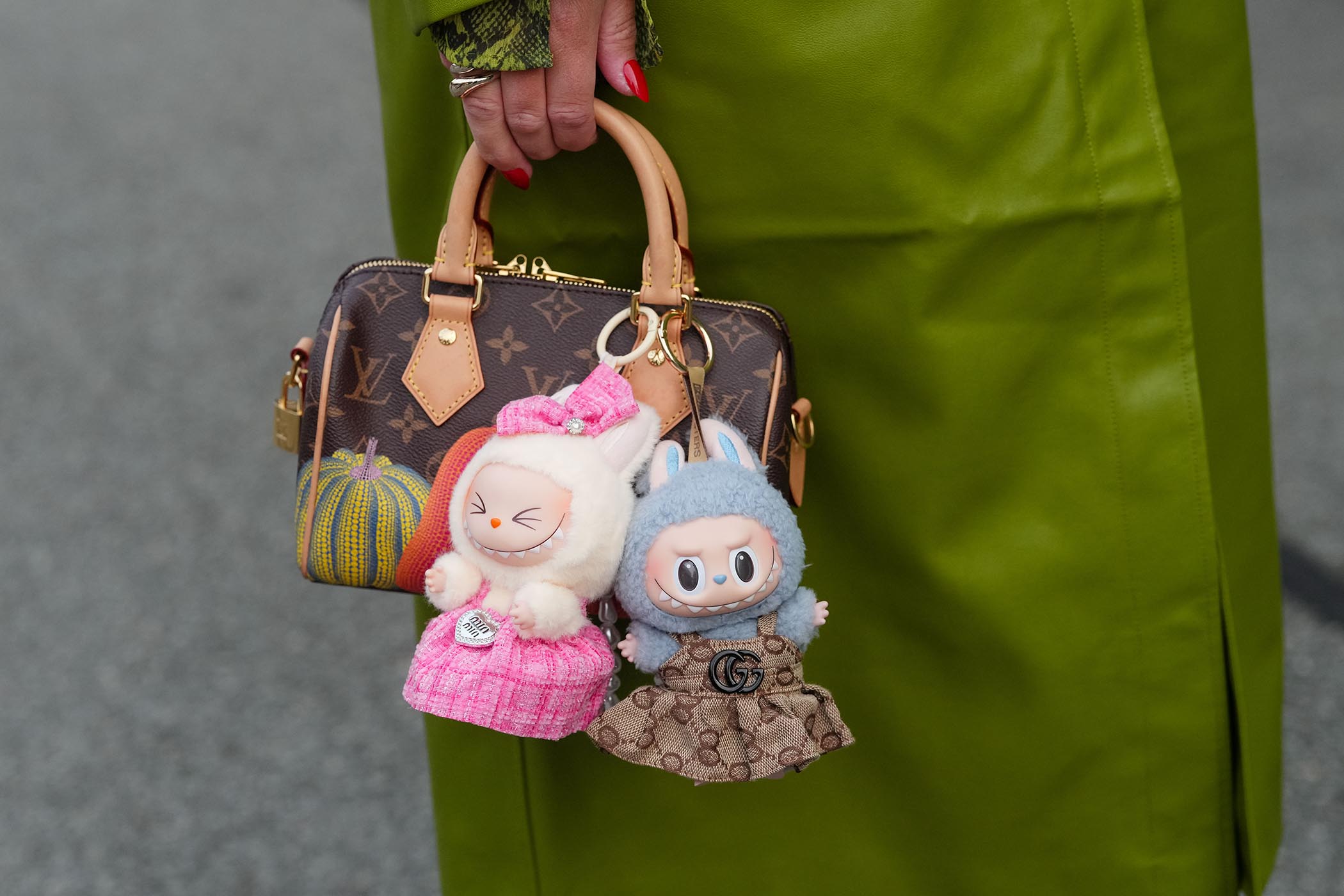
Take, for example, the craze for Labubus, the deliberately ugly bag-charm dolls which went viral over the summer: they retailed at £18, but rare versions became so highly sought-after, some are currently selling at almost £1,000 on Ebay. Or Jellycats, the stuffed toys whose range now extends from £12 cuddly rabbits to £200 plush Christmas trees, and which increasingly appear aimed at adults with cash to spare (and large social media followings).
Admittedly, little treat culture thrived at both ends of the price scale this year. On one hand, the average price of a takeaway coffee edged closer to £5, but the number of coffee shops in the UK was still expected to grow 2.7% by the end of this year. On the other, although concert-goers complained bitterly about the triple-digit “dynamic” pricing of Oasis tickets, they forked out up to £350 a pop for them anyway – and the band’s reunion tour sold out.
People think, why save? I should spend money on things that will make me happy right now
People think, why save? I should spend money on things that will make me happy right now
Bia Bezamat, cultural insights strategist
What became increasingly clear this year was that, contrary to Lauder’s theory, consumers were no longer switching out large purchases for little moments of joy; they were choosing the big, one-time purchases and the small treats.
This may be a sign that the younger generation has given up on adult milestones, suggested Bia Bezamat, a cultural insights strategist and an associate director at Kantar. Wage growth remains low and though inflation is at its lowest in eight months, it continues to squeeze incomes.
Meanwhile, this year the average deposit on a UK home rose to just above £75,000, according to MoneySupermarket. Giving up little treats seems pointless: foregoing a £5 flat white every weekday would save roughly £1,200 a year; it would still take around 58 years for that to amount to a deposit on an average home. Why bother?
“People are thinking, what is the point?” said Bezamat. “What is the point of me trying to save for the house and doing all these things that are expected of me? I should spend my money on things that are going to make me happy right now.”
Newsletters
Choose the newsletters you want to receive
View more
For information about how The Observer protects your data, read our Privacy Policy
This search for immediate joy, sometimes referred to as the “emotion economy”, might explain why Papier, an online stationery retailer whose £23 customisable notebooks have become de rigeur for journalling-obsessed TikTokers, is expected to generate more than $50m (£37.2m) this year. Taymoor Atighetchi, the company’s founder, said his millennial and gen Z customers buy an average of £30-£40 of goods every time they visit, and added that its 2025 advent calendar, which retailed at £140, sold out for the third year in a row.
Nostalgia-obsessed adults are also driving sales of expensive toys. Research by consumer data company Circana shows that adults were responsible for £1 out of every £3 spent on toys – £1.2bn in total – in the year to June, up 5% on the year before. One of the most popular brands is Lego, whose website has an “18+” section which includes both little and big treats, from a £22.99 Red Bull Formula 1 car to highly collectible sets like the Lego Death Star (£899.99), a model of the Titanic (£589.99) and a 39-inch, fully functioning Liebherr Crawler Crane (£579.99 – and alas, currently sold out).
Happily for those cashing in on this phenomenon, “treatonomics” isn’t going away: research by Kantar suggests it will persist for between three and five years.
However, Cathrine Jansson-Boyd, a professor of consumer psychology at Anglia Ruskin University, has a hunch that it might stick around for longer. “It will be driven by the economy,” she said.
“It’s very easy to be cynical but the reality is, if you can afford a little doll that costs £200, then why not? Why is that so bad, if it makes you smile?”
Photograph by Edward Berthelot/Getty Images