


For Jon Lake, the managing director of quick serve restaurant (QSR) chain Chopstix, the last quarter of 2025 has proved oddly unpredictable. Like the hit show Stranger Things, UK hospitality seems to be living in the “upside down”.
“Trading has been incredibly volatile,” says Lake. “In the past, weekends were strong and weekdays soft and it’s been turned on its head.” Another CEO of a 200-site business notes that Saturday trading is down more than any other day of the week year-on-year. It’s not clear why.
How is the hospitality industry faring in 2025? Newspaper headlines suggest it’s all gloom. But one word dominates conversations with industry leaders: uncertainty. And investors like nothing less.
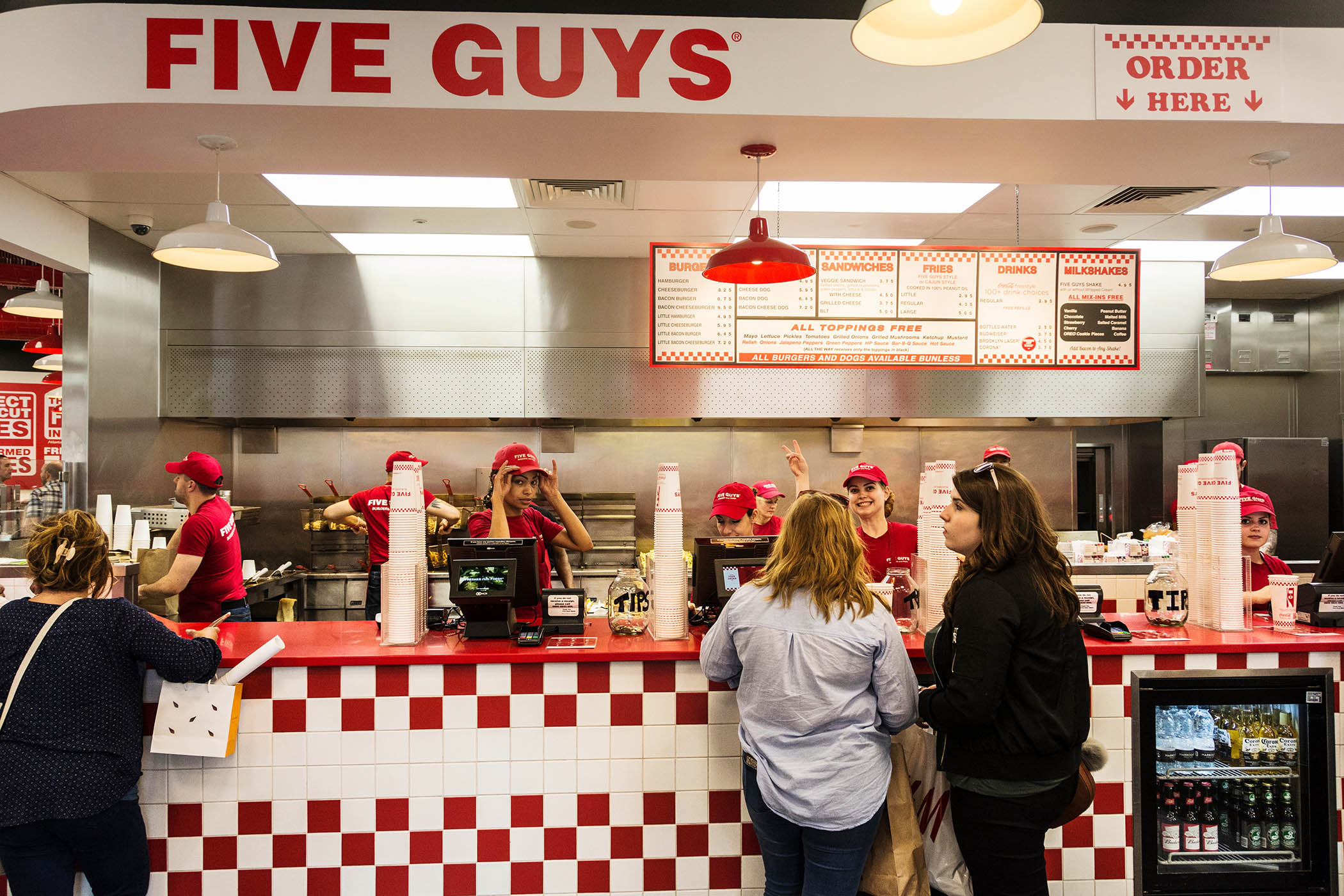
QSR is the fastest expanding segment within hospitality. Players win by offering low prices, lean operating models and TikTok vibes for digital-native customers. Wendy’s, Five Guys, Dave’s Hot Chicken, Popeyes, Wingstop and Chick-fil-A are on a nationwide march and the Americanisation of UK hospitality is now seen by many as a secular trend.
In other segments, bakery brands such as Cake Box and Lola’s offer innovative, high-margin, low labour-cost models, with a tight focus and multichannel distribution. Cake Box, founded in 2008 generates £7.8m “Ebitda”, a measure of operational profitability”, on £42.8m of sales and has £6.3m cash in the bank. All from celebration cakes.
While QSR and cake-makers are merrily on high, the UK’s casual dining sector is mostly in the bleak midwinter. Last week, TGI Fridays entered its third administration and margins are declining across the sector.
The pub trade is mixed. Busy urban pubs yield 20% margins and a respectable return on capital but for pubs in the provinces, particularly single-site free houses, any margin is challenging. For many, Christmas 2025 will be their last. Sceptics say that publicans have cried wolf before but with 12p profit on a pint and rateable values on small properties up by 13%, the wolf may actually be at the bar.
“Larger, well-capitalised operators – the quoted pubcos and managed chains – can absorb costs and acquire distressed assets cheaply. Independents and family businesses cannot. We lose diversity and character; we gain homogeneity,” said Peter Backman, a leading food services analyst. And big pub groups may be Christmas winners with the listed Fuller’s, Young’s and Marston’s all reporting bookings well up on last year.
And so to the budget. The Observer spoke to several leaders and could find none who believed the government’s manifesto commitment to helping hospitality. Indeed, there was widespread anger that the chancellor’s statement on reducing business rates was the opposite, with rateable values up and the loss of 40% rate relief. UKHospitality reports a Welsh hotelier whose rates will rise from £63,000 to £179,000.
Steve Holmes, CEO of the Azzurri Group, says labour costs are now the industry’s biggest challenge. Many operators are worried about increasing minimum wages for younger workers. According to the Office for National Statistics, 702,000 16 to 24-year-olds are unemployed – up 40,000 year on year – but many operators are looking at ways to reduce manpower, rather than hire young staff.
Newsletters
Choose the newsletters you want to receive
View more
For information about how The Observer protects your data, read our Privacy Policy
For Alan Morgan, CEO of the Big Table Group with 200 restaurants and 4,500 employees, the budget offered nothing to ease business rates, NI increases and VAT rate for hospitality.
“This is short-sighted, given hospitality’s role as one of the most inclusive employers, offering opportunities nationwide to young people, those returning to work, students, and many others,” Morgan said. “We contribute £93bn to the economy and employ 3.5 million people and failing to support us undermines opportunity for economic growth.”
Is Rachel Reeves listening? One investor thinks MPs seldom venture beyond the thronged Red Lion pub in Westminster.
“It’s death by a thousand cuts” was the gloomy conclusion.
Photograph by Jansos/Alamy