

Demis Hassabis, the chief of Google’s DeepMind, suggested last week that he thinks parts of the AI industry are “bubble-like” and that “multibillion-dollar seed rounds in new start-ups that don’t have a product” are unsustainable.
Is he deflecting? Are startup valuations really the worry? Or is it the hyper-scalers themselves? The infamous investor Michael Burry recently claimed that companies, including Meta, Google, Oracle, Microsoft and Amazon, are artificially boosting earnings by extending the useful life of their data centre assets. The argument is predicated on the assumption that Nvidia, the key supplier of data centre chips, is innovating at a pace that shortens the “useful life” of data centres, rendering them obsolete.
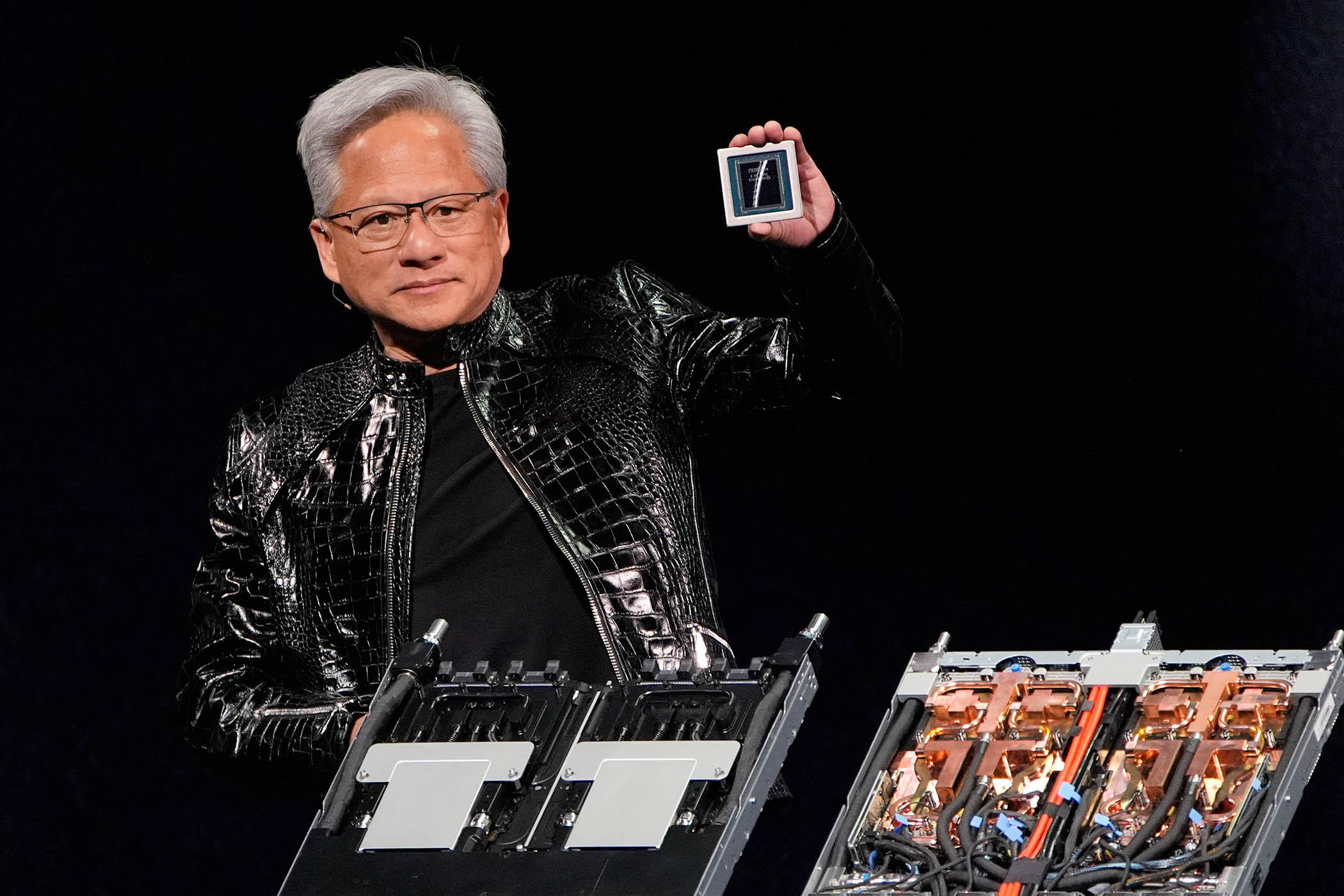
Take this example laid out by one tech expert: Nvidia is now bringing out a new generation of chips every 12 to 18 months. Blackwell chips came out the first quarter of 2025, and Vera Rubin will be launched in Q3 of 2026. However, the way the industry is currently set up means that the prices of previous generation chips can drop by up to 50% the moment a new generation of chips comes to the market.
This is a headache for data centre providers. At the moment, servers have a useful life of four to five years by book value. Under a normal depreciation cycle, that would mean 20% write-down in value. But if chips devalue over two years, a $10bn data centre would have to write off $5bn a year, meaning the data centre needs to generate about $20bn in revenue.
If it turns out tech firms are having to replace AI equipment more frequently than they’re letting on, this would cut into profits and would make it more expensive for them to raise capital, analysts say.
The upshot, says one source, is that providers “are having to find creative ways to monetise assets”.
But making precise calculations about how depreciation could affect values is difficult. The AI boom has been happening since 2022. There is no real track record for how long chips last compared with other types of heavy equipment that businesses have been using for decades.
Photograph by AP/John Locher
Newsletters
Choose the newsletters you want to receive
View more
For information about how The Observer protects your data, read our Privacy Policy