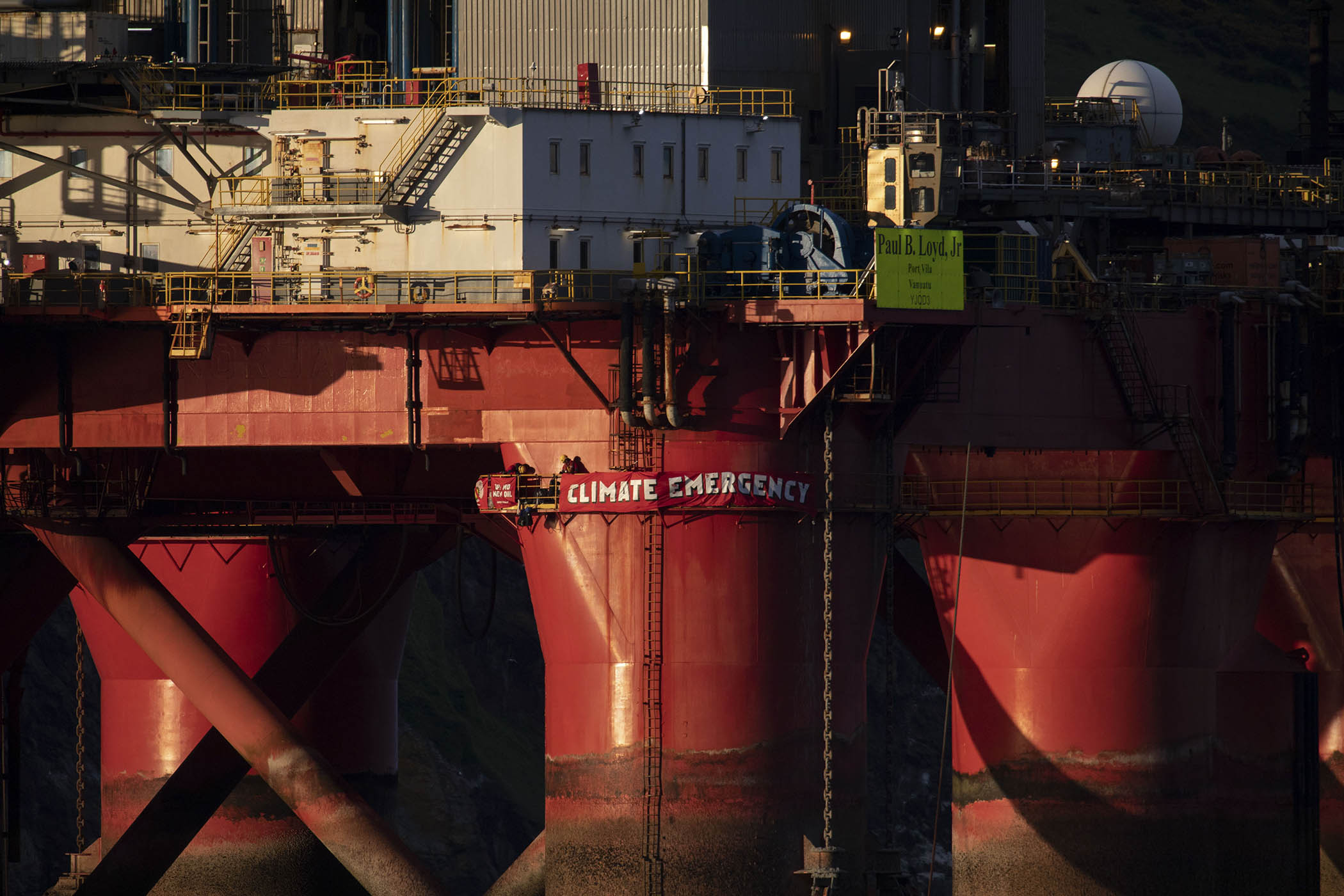



Nest, the UK’s biggest workplace pension scheme, is pushing BP to provide more “clarity and confidence” over their pivot back to oil and gas after an investor revolt against management at the energy giant’s annual meeting last week.
Diandra Soobiah, director of responsible investment at Nest, said investors were becoming increasingly concerned about shareholder rights at BP, especially after the new chair Albert Manifold declined to meet the pension fund.
Last year, the company announced a return to its fossil fuel roots with increased investment in oil and gas, including more production in the US and the development of giant oilfields in northern Iraq. BP shares are up more than 30% so far this year.
Soobiah said shareholders are not asking BP to scrap its new strategy, but to provide evidence that it will be “value-accretive for long-term shareholders”.
The reversal for BP signals renewed investor appetite to confront management over climate change, which could spell trouble for NatWest and HSBC ahead of their annual meetings in the next few weeks. Both banks face pushback from investors and campaigners over financing for oil and gas.
A resolution co-filed by Nest and activist group ACCR pushing for disclosure on how BP takes a “disciplined approach to capital expenditure” for new oil and gas projects won more than 25% support from shareholders.
Under the UK’s corporate governance code, this level of dissent means BP is expected to give shareholders a response within six months.
Soobiah said: “We are keen to continue giving them feedback, because BP has shown leadership in its sector for many years. This year we felt there was a shift away from that, we weren’t able to meet the new chair, there’s been a change in tone in the way they have been engaging with shareholders.”
BP was also defeated on a resolution asking shareholders to revoke some climate-related reporting, as well as a move by management to hold virtual-only annual meetings. In a sign of shareholder disquiet, more than 18% voted against the election of the chair.
Manifold, who was appointed in October, said in a statement that all of the board’s decisions relating to resolution at this year’s AGM were made “with an aim to build a more valuable BP for our shareholders”.
Newsletters
Choose the newsletters you want to receive
View more
For information about how The Observer protects your data, read our Privacy Policy
Ahead of the meeting, BP declined to table a resolution filed by activists Follow This, focusing on the financial risks of declining oil and gas demand.
Mark van Baal, chief executive of Follow This, said: “This was all far beyond our expectations. I think BP is in a governance crisis and they are completely in denial.”
Van Baal urged the company to “listen and apologise” to shareholders. “The first thing to recognise is that they made a big mistake by blocking a shareholder resolution, trying to go to online meetings, and trying to scrap climate targets.”
The unruly shareholder meeting marks a bumpy start for new leadership at BP, under chief executive Meg O’Neill, who was appointed this month. She previously led Woodside Energy, an Australian oil and gas producer, where she also faced a major investor backlash over the company’s climate plan.
Photograph by Kristian Buus / Getty Images