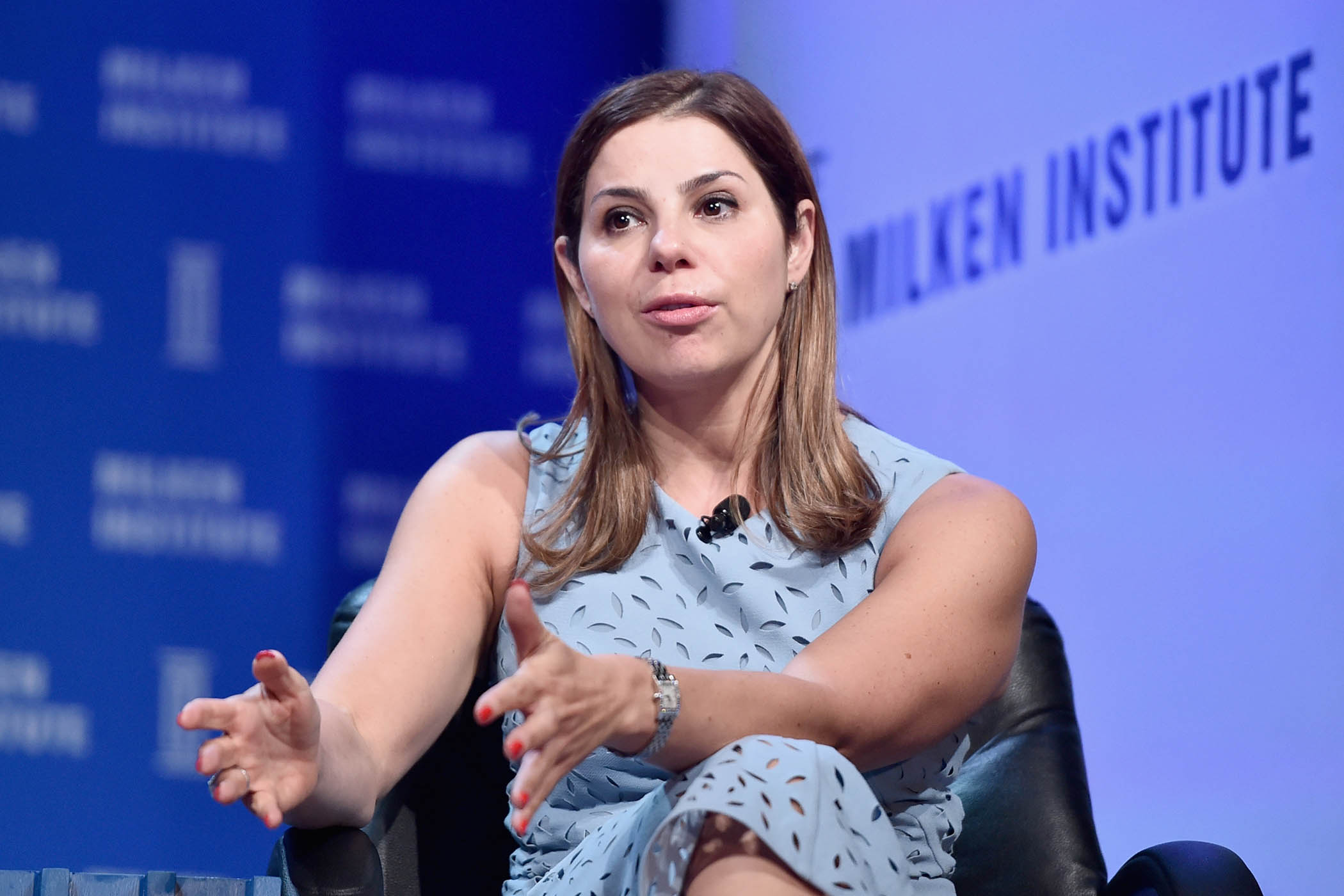

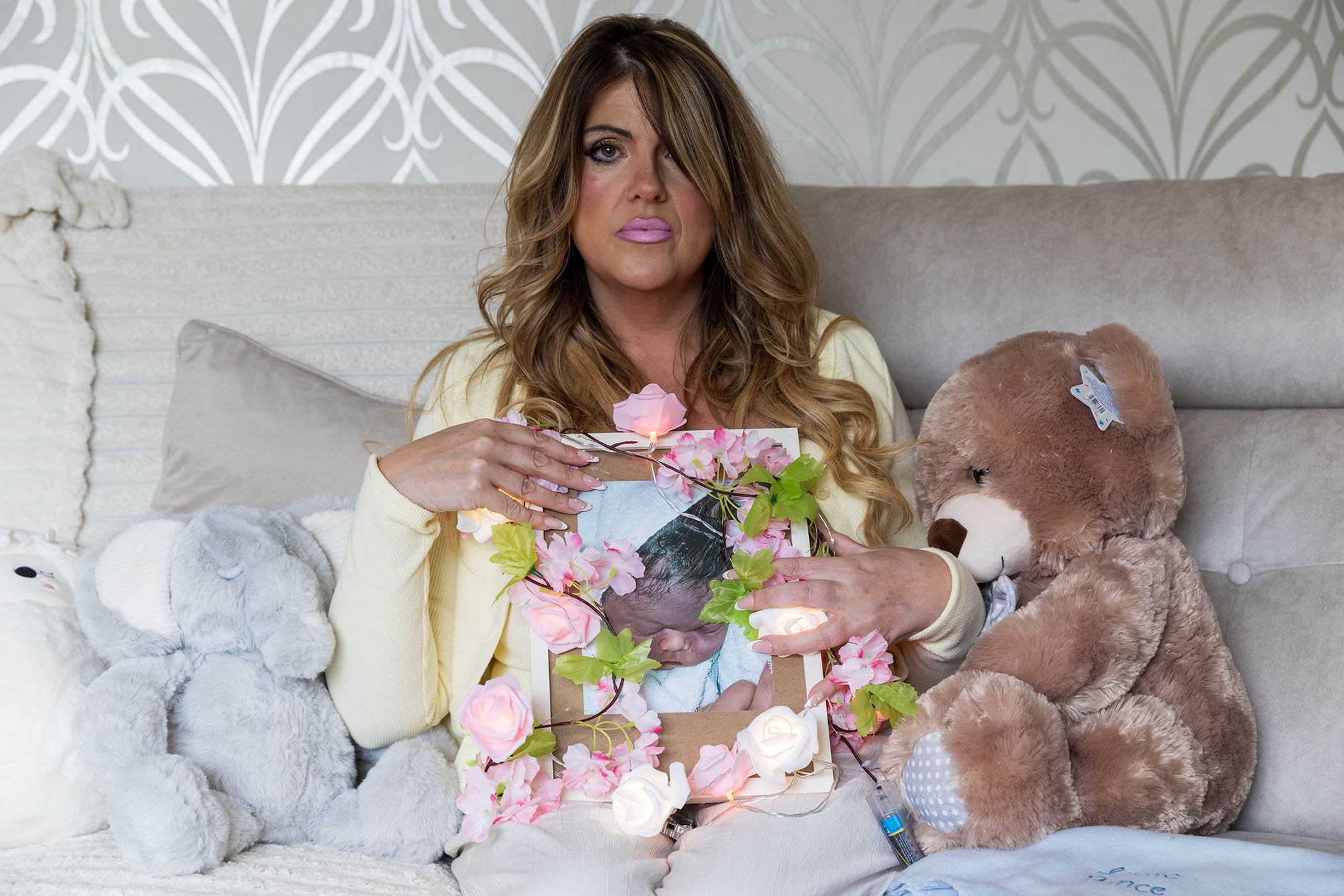
Pauline Paterson, a founder of the successful skincare company Dr PawPaw, would have preferred to pitch to female investors. The men Paterson encountered while attempting to raise money understood little about her business, and seemed more interested in her personal life. One group of investors asked Paterson and her co-founder (and husband) Johnny if they planned to have more children, and if the money they raised would fund their children’s private education. They eventually passed on the opportunity to invest. “Trying to break through to them was really difficult,” Paterson says.
Such experiences are familiar for firms led by women, and may explain why the UK has one of the lowest rates of female entrepreneurship in the developed world, lagging behind the US, Canada and the Netherlands.
New data from the government-backed Invest in Women Taskforce (IWT) suggests that average deal sizes for women-led businesses dropped from £700,000 in 2024 to £500,000 this year. While the overall investment market has cooled this year, the data suggests that women are receiving a smaller proportion of a smaller pot. Businesses with only female founders received just 1.8% of all venture capital funding, a figure that fell from 2.5% in 2023.
The IWT is seeking to change that. Considered the first female-led and largest initiative of its kind, in December, it announced a £635m investment pool to help women-led businesses to grow. Admittedly, this is a drop in the ocean – the total amount of equity investment in the UK is thought to be £15bn.
“The UK and European ecosystem for female tech founders is atrocious,” says Amelia Miller, the co-founder of ivee, a job site for people returning to their careers. Miller faced countless rejections from investors before raising £225,000 in 2024. This year, the company was valued at £6.5m after raising £87,000 on Dragons’ Den and signed more than 70,000 users.
The key, suggests Debbie Wosskow, the co-founder of IWT, is more female venture capitalists. “It’s women who back women, and women who understand the potential of female-led businesses.” A prolific entrepreneur and angel investor, Wosskow knows about raising capital. She co-founded PR consultancy Mantra and home-exchange platform Love Home Swap (sold for $53m in 2017), as well as boutique investment firm WJV.
Research from the VC investor network Kauffman Fellows found that the return on investment for women-led enterprises is 35% higher than their male-led counterparts.
By 2020, Dr PawPaw was known as the lip balm brand that sold every minute. The next year it received a £2m funding package from HSBC to drive international growth. As of March 2024, 5m original balms had been sold.
While putting more capital in the hands of women will lead to more investment into female founders, investors say the rest of the venture capital ecosystem needs to be part of the change to dismantle barriers. “Venture capital circles are so siloed, and so closed, that unless you come from the industry and you have access to these networks, you go in cold and receive very low results,” says Triin Linamagi, the chief executive of early stage female investors Sie Ventures.
There are signs that consumers want to spend their money with women-led brands. Sahar Hashemi, founder of one of the UK’s first coffee chains, Coffee Republic, launched her Buy Women Built kitemark in April 2023 to help businesses led by women to gain visibility. Hashemi began with an online directory of 35 founders in 2002, a figure that has risen to more than 2,300. “You can’t invest in brands you can’t see, and you can’t scale what the market hasn’t discovered yet,” she says.
Newsletters
Choose the newsletters you want to receive
View more
For information about how The Observer protects your data, read our Privacy Policy
The UK’s women and equalities committee is attempting to address the low rates of female entrepreneurship. “So far, measures to address gender inequality in business have failed to shift the dial on investment or growth,” says Sarah Owen MP, the committee chair.
“We are calling for an ambitious programme for women that includes a mix of incentives, targets and mandatory reporting if it is to be effective and tackle the entrenched biases holding back this country’s female entrepreneurs.”
Success stories
£37.5m
The sum Olivia and Chloe, co-founders of health tech firm SheMed, secured in Series A funding in October 2025
£50m
Katie Wigdahl as CEO of Speechmatics saw this Series B cash raised in June 2022
£100m
Karma Kitchen, the rental kitchen startup founded by Eccie and Gini Newton, secured this PE funding in January 2022
£272m
Anne Boden’s Starling Bank reached unicorn status in March 2021 after a £272m funding round led by Fidelity Investments
£72m
Marcia Kilgore’s cosmetics brand Beauty Pie, received this in a Series B round in September 2021
Photograph by Alberto E. Rodriguez/Getty