

The potential for AI agents to trade directly in financial markets is attracting increasing attention from investors – and from regulators.
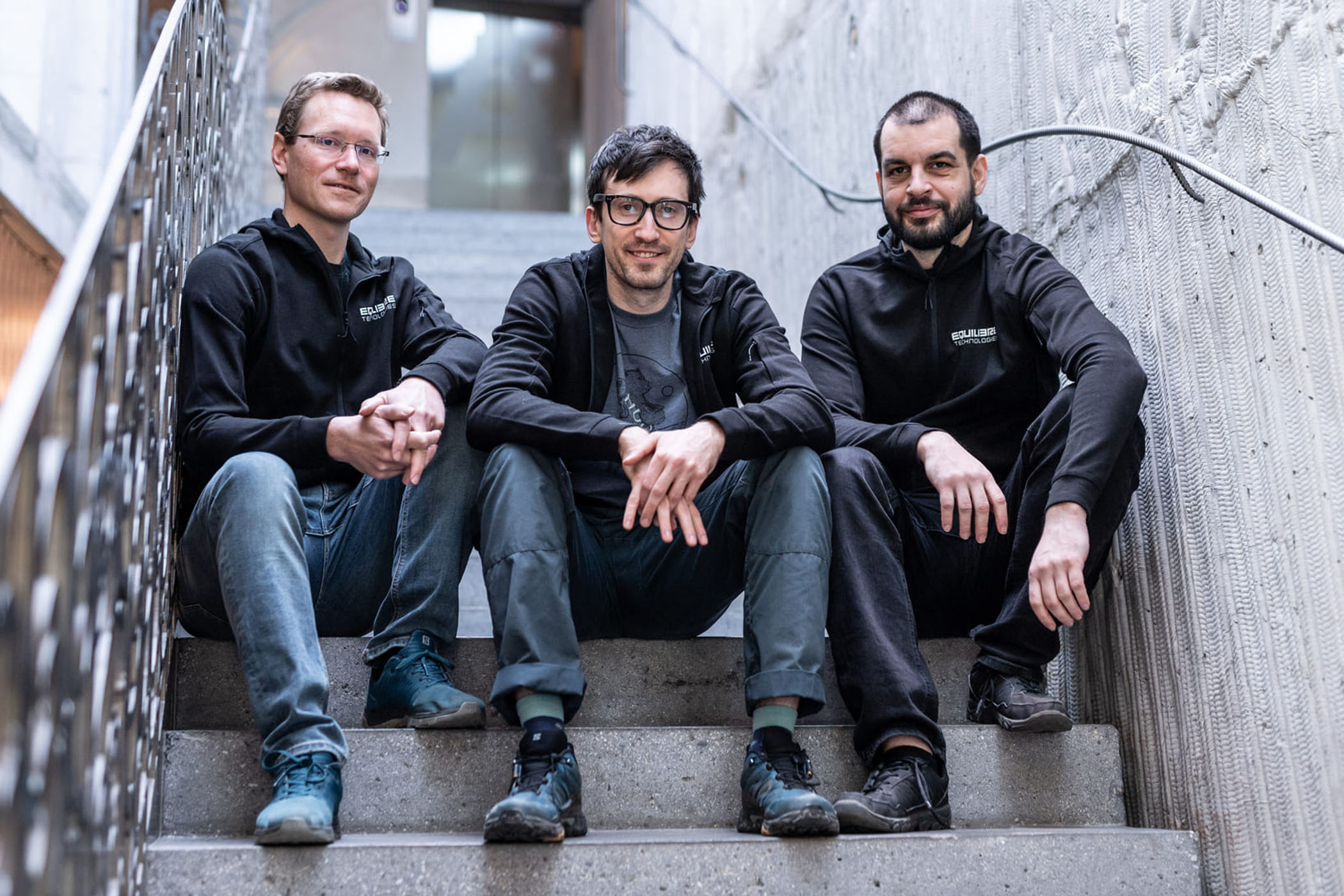
EquiLibre Technologies, a firm established by a trio of former Google DeepMind researchers in their native Czechia, has taken methods previously used to train poker algorithms and applied them to the stock exchange. The startup, valued at $500m after a recent funding round, told TechCrunch that its AI agents – which devise and execute trading strategies without human supervision – have “a perfect record of zero negative months since inception”. In other words, they have made a profit in each and every month.
Meanwhile, Moment, a New York-based firm founded by former staff of trading giant Citadel, is building infrastructure to allow wealth managers to deploy AI trading agents in fixed income and equity markets.
Until now, AI agents have been used primarily for operational tasks, such as research and data analysis, and do not tend to operate autonomously or without supervision, according to the Financial Markets Standards Board. But financial regulators are braced for that to change.
Sarah Breeden, deputy governor of the Bank of England, told a central banking conference in Portugal last week that agentic trading poses a threat to financial stability.
Of particular concern is the potential for large numbers of AI trading agents to respond in similar ways to the same events and triggers. Such “herding behaviour” could amplify volatility in the market at times of stress. Some sort of “kill switch” could be required to “limit or stop trading… if faulty AI models cause market meltdown,” Breeden said.
Bank of England officials are working with the German Bundesbank and the Basel-based Bank for International Settlements to develop a policy response.
Breeden also warned of the threats of AI cyber capabilities to the UK’s financial system. Such concerns have advanced in recent months, following Anthropic’s release of its new “Mythos” model, deemed too dangerous for general use.
“In malicious hands, [these models] materially increase the chance of attacks that could harm financial stability,” she said, stressing the need for rapid patching of cyber vulnerabilities and more use of scenario planning.
Photograph by EquiLibre Technologies
Newsletters
Choose the newsletters you want to receive
View more
For information about how The Observer protects your data, read our Privacy Policy