
Advertisers and agencies attending Cannes Lions festival last week were underwhelmed by OpenAI’s frantic sales pitch, which offered the company’s technology platform both as a medium for advertising and a tool to research and build campaigns.
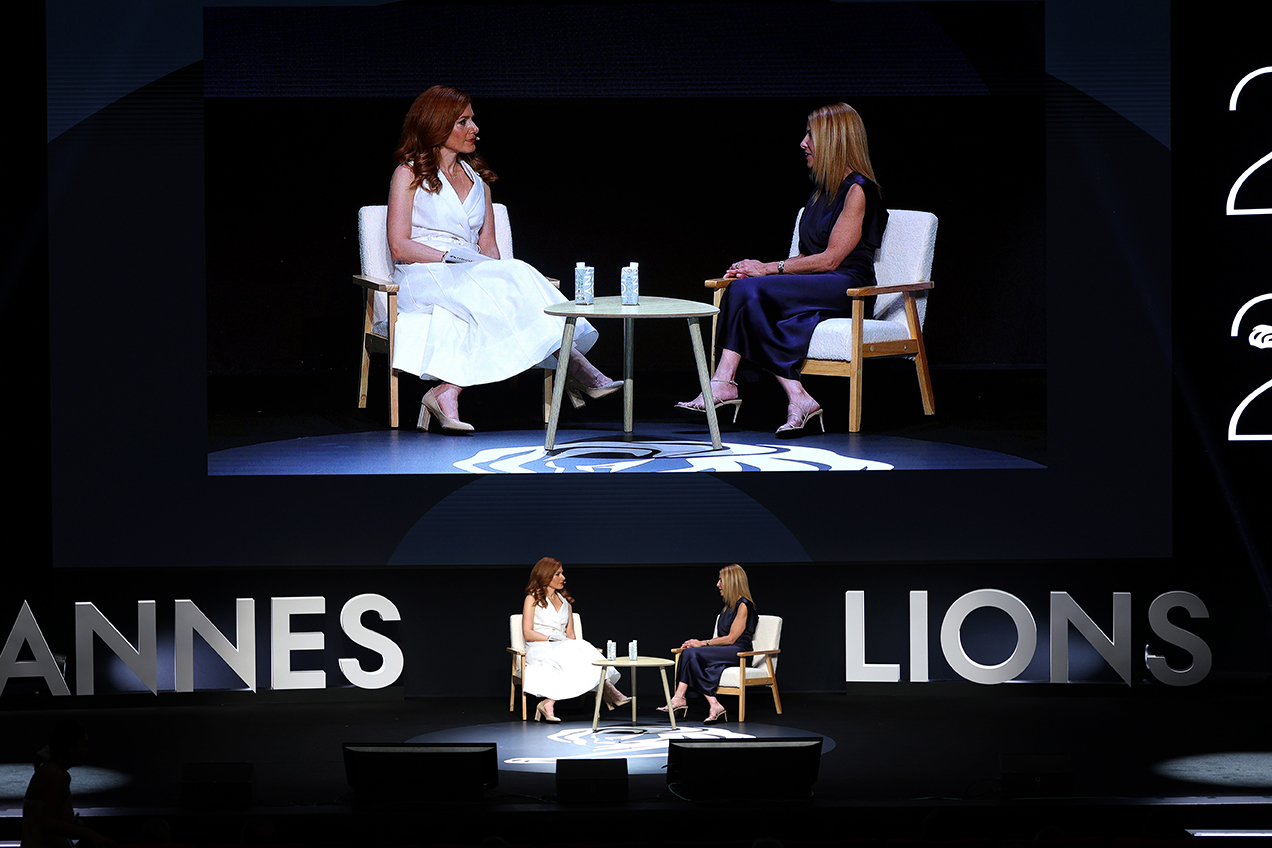
OpenAI’s chief revenue officer, Denise Dresser, spoke twice at the annual festival of advertising creativity, as the creator of ChatGPT makes its first steps towards founder Sam Altman’s ambition to take $102bn in ad revenue by 2030.
“Altman is scaling his cash product and realises subscriptions are not going to make for a profitable business as he heads towards an IPO,” said strategic marketing consultant James Hankins. “Anthropic has the corporate business, so he’s trying to maximise his greatest asset – consumer engagement and attention. The problem is, he’s looking to hit Google’s ad revenue numbers, and Google took 10 years to get there. OpenAI is looking to do it in a couple of years and it ain’t gonna happen.”
Dresser said advertising in ChatGPT could not interrupt users and would have to be relevant to the conversation. “I think it needs to be useful,” she told the conference. “Less attention grabbing, more useful, more intelligent.”
Sean Betts, chief AI and innovation officer at Omnicom Media, was unimpressed. “OpenAI’s current approach is exactly how we approached social ads 15 years ago and we’re not really moving things forward or taking advantage of today’s technology,” he said. “AI definitely can be an ad medium, but we should be using the intelligence available to make the ads more relevant in a transparent way.”
But other incumbents aren’t ready to write it off just yet. Where OpenAI could gain is in monetising the way large language models (LLMs) are already affecting consumer behaviour.
“In the last six months, LLMs have started to change the way consumers buy things at a speed we’ve not really seen before,” says Jane Holding, chief client officer at Publicis Media UK. “Historically, a consumer might visit a few different websites and brand sites, window shopping before they make their decision. What we’re seeing now is that the volume of web traffic to advertisers’ sites to brands’ websites is dropping quickly but the proportion of people who arrive and buy something is increasing because LLMs are recommending it.”
The problem is working out how to insert advertisers into the shortened consumer journey without alienating them. If Altman is hoping for $100bn from ads by 2030, while OpenAI struggles to convert consumers to subscribers and rivals win the corporate world, his problem, according to one agency boss who has worked with him, is his poor collaboration skills. He explained: “At the moment he’s just not coming up in conversations.”
Perhaps unsurprisingly, OpenAI’s flotation – initially planned for the third or fourth quarter of this year – is reportedly being pushed back into 2027 as Altman seeks ways to push up the value of his company.
Thank you for reading. Tell us what you think by writing to letters@observer.co.uk
Newsletters
Choose the newsletters you want to receive
View more
For information about how The Observer protects your data, read our Privacy Policy
Photograph by Shane Anthony Sinclair/Getty Images