In August 2021, a huge fire ripped through the 18-storey Torre del Moro in Milan. Within minutes, the whole façade of the residential tower block was ablaze, the fire spreading along and through the external walls and cladding. The comparison with the horror of Grenfell Tower four years earlier was immediate. Unlike in Grenfell, though, where 72 people lost their lives, thankfully no one perished in the Milan fire.
One reason was that the Grenfell inferno was at night, with most residents asleep, while Torre del Moro caught fire on a hot August afternoon, with not many people home. Those remaining inside were quickly evacuated. At Grenfell, the residents were told to stay in their flats while the fire brigade tackled the blaze. By the time the authorities realised the fire was uncontrollable, it was too late for those still left inside.
There is another difference, too, between Grenfell and Torre del Moro. In Milan, the police took barely a year to complete their investigation. Thirteen people were charged, including executives of the Spanish cladding firm Alucoil. In March, nine were convicted and jailed for up to three years.
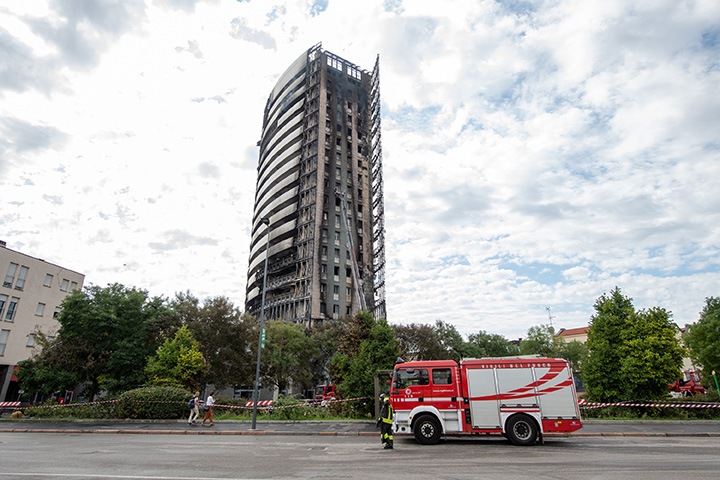
Torre del Moro in Milan
With Grenfell, if there are any criminal charges – and we still don’t know if there will be – the first defendants won’t face a jury until at least 12 years after the blaze. The Metropolitan Police announced on Tuesday that it would, by the end of September, submit to the Crown Prosecution Service evidence files for the possible prosecutions of up to 57 individuals and 20 companies. A final CPS decision may not come till June 2027, and any trials until at least 2029.
The Grenfell fire was far more devastating than the one in Milan and the investigation more complex. The main reason for the delay, though, has been the public inquiry that the then prime minister Theresa May announced the day after the fire. The inquiry opened three months later. Its final report was published in September 2024, more than seven years after the fire.
Across those seven years, the inquiry exposed the depth of the corruption, malfeasance and indifference that led to the fire, a corporate world that displayed, in the words of Peter Apps, one of the most tenacious journalists in search of the truth, “an almost psychopathic disregard for human life”, and “a callous indifference to anything – morality, honesty, life safety – that was not related to the bottom line”. The inquiry exposed how companies rigged tests, concealed results and knowingly marketed potentially deadly products. “What. We lied?” texted an employee of Kingspan, some of whose insulation was used on Grenfell. “All we do is lie in here”, responded another.
Also exposed was collusion between the state and the private sector, and the desire of both to keep a tight leash on the truth. When in 1991 a fire broke out in Knowsley Heights, a tower block in Merseyside, spreading in a gap behind the “combustible” cladding”, a memo from the Building Research Establishment (BRE), the national research laboratory, noted “a request” from the government press office “to play down the issue of the fire”.
A series of fires in other newly clad buildings followed, the most serious before Grenfell being at Lakanal House, in south London, in 2009, in which six people died. The government refused to publish the report into the disaster to “avoid giving the impression that we believe all buildings of this construction are inherently unsafe”. Brian Martin, the official responsible for building regulations guidance on fire safety, dismissed the coroner’s concerns about inadequate protocols as “pointless”, insisting the government should “not kiss her backside” and that more regulations were not in the “interests of UK Plc”.
Too many in authority appeared sanguine about warnings because any disaster was likely to befall only poor people. It illustrates the contempt for working-class communities and the powerless that shapes much decision-making.
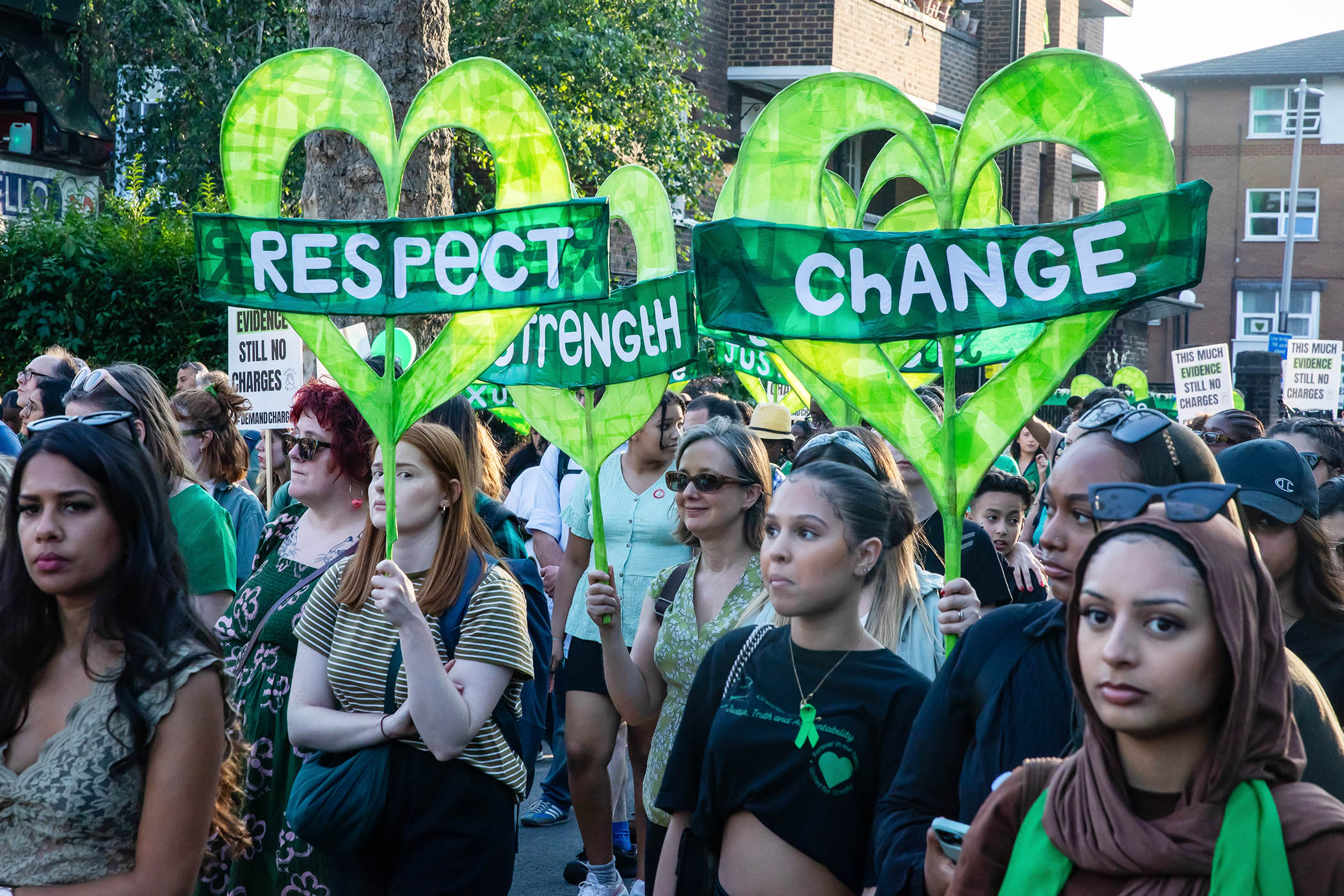
Grenfell campaigners, while welcoming what the inquiry exposed, deplore the delay in justice. “We were promised the inquiry would not get in the way of justice,” observes Kimia Zabihyan of the Grenfell Next of Kin group, “but, so far, no one has been held accountable.” She questions why May launched the inquiry so quickly – according to notes of a private meeting between the Met and bereaved families in October 2022 “DAC Cundy [Deputy Assistant Commissioner Cundy, who was then leading the Grenfell Inquiry] has been clear that he has never known a situation before where a public inquiry is conducted at the same time as a criminal investigation and examining the same issues. Normally a public inquiry is conducted after the conclusion of criminal proceedings.” The Met has confirmed that it was not consulted before the public inquiry was announced.
Newsletters
Choose the newsletters you want to receive
View more
For information about how The Observer protects your data, read our Privacy Policy
Campaigners question the claim that the inquiry has delayed but not damaged justice. “We wait to see what charges are still capable of surviving after years of delay, disclosure and procedural wreckage,” Zabihyan says.
The inquiry revealed the need for just what the inquiry delayed: justice and accountability. It revealed, too, a world in which those without power are treated with indifference, even contempt, while those with power possess the means to evade accountability for that power. We can see this not just in the Grenfell story but in a host of other scandals from Hillsborough to the grooming gangs, from Windrush to contaminated blood. “The legitimacy of our society,” Zabihyan observes, “depends on ordinary people believing justice is possible. We are no longer sure it is.”
Photographs by Mark Kerrison / Getty Images and Matteo Rossetti / Getty Images