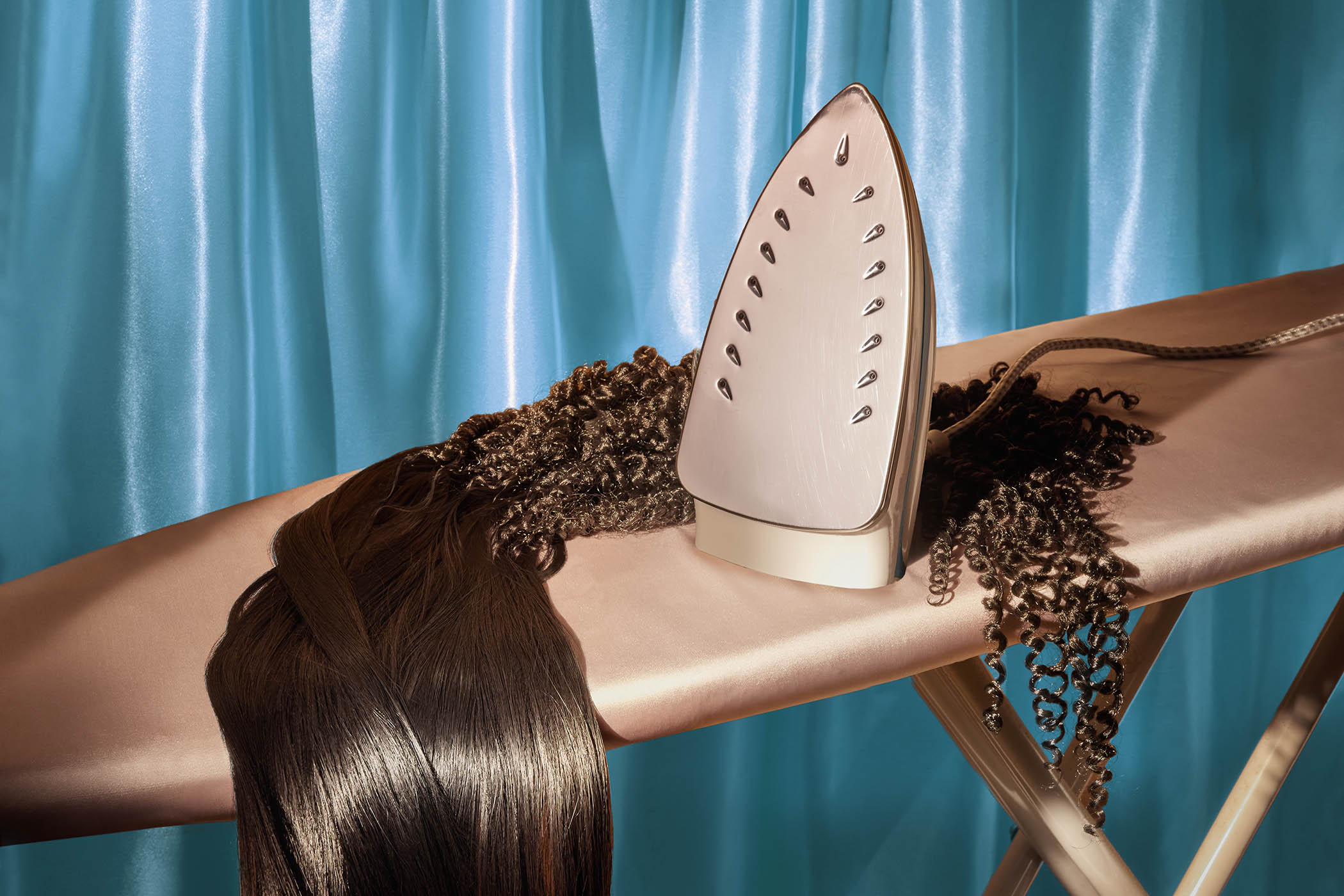



My interest in the damage done by the beauty industry tends to focus on psychic injury. This is the stuff that grips me, largely because I feel it acutely myself, the severity for me depending on hormones, or the shape of the internet I’ve seen that day, or the mean cast of a bad mirror. This damage pivots on the idea that, unless you are thin, clear-skinned, hairless, etc, you are unlovable and unwelcome in the world, that the value of your humanity decreases as your weight and age increases, that perfection is not only achievable but its pursuit compulsory.
The idea was not invented by the beauty industry, but the beauty industry has merrily perpetuated it by exploiting anxiety about ageing and our perceived flaws and then profiting from its invented solutions. We see an ad for (horror remover) then, looking in the mirror, realise we have (horror) and then, frantically and with relief, buy the product – we will be cured, hooray, and have kept death at bay for one more night. The spiritual impact of this industry and the culture around it includes anxiety and depression, but it’s the physical damage, the end result of that anxiety, that’s easier to quantify.
It’s been reported that dermatologists routinely recommend patients bin their expensive products because they’re harming their skin barrier. Injectable fillers can lead to tissue death. Skin-lightening creams (the global market of which is expected to reach $15.7bn by 2030) can lead to kidney damage and birth defects, including neurological damage in early childhood. There’s more, of course: there’s the shocking mortality rate for the Brazilian butt lift (one in every 3,000); there’s the rise of young kids causing long-term harm to their skin as the dystopian children’s beauty market grows; there are the gel manicures that lead to increased cancer risk… It’s funny writing all this down, because I keep waiting for it to really sink in. I keep waiting for the facts, the evidence, to crush my lingering desires to look pretty, thin, wealthy, young, but among all those facts, the biggest thing I’ve learned is how difficult it is to untangle yourself from an industry that wields so much power. Which is why an inquiry into this industry is so necessary.
I’ve learned how difficult it is to untangle yourself from an industry that wields so much power
I’ve learned how difficult it is to untangle yourself from an industry that wields so much power
The House of Commons Science, Innovation and Technology Select Committee is inviting us to fill in a survey about our experiences of beauty products and treatments. It will “respond to recent research which has led to concerns about the current scientific evidence base and regulation for these products, as well as the required training and qualifications of specialists performing treatments”. It will also investigate the growing concern “that certain products that are commonly used by marginalised groups, such as creams to ‘relax’ Afro-type hair and synthetic hair, can contain harmful chemicals”.
A submission to the committee from feminist campaigning organisation Level Up focuses on toxic chemicals in hair relaxers. The inquiry is “recognition that the current beauty and cosmetic regulatory framework in the UK isn’t doing enough to protect consumers,” says co-director Seyi Falodun-Liburd. “It leaves all of us, particularly Black women and children, overexposed to toxic chemicals that risk our health.” A growing body of research “has linked the endocrine-disrupting chemicals found in hair relaxers and other products to uterine and ovarian cancer, fibroids and early onset puberty. Subsequently, these chemicals, a lack of corporate accountability and gaps in the UK’s regulatory infrastructure leave Black women and children vulnerable to life-threatening illnesses.”
Since learning that hair relaxer containing sodium hydroxide, or “lye”, was linked to a 30% increased risk of breast cancer in Black women, Level Up has called on beauty brands to remove it from Black women’s hair products who have, instead, removed only the word “lye” from boxes, leaving sodium hydroxide in the ingredients. “Ultimately, we know multinational corporations won’t change unless they are forced to, but our existing regulatory infrastructure is full of contradictions and ill-equipped to do that.” Something must change.
The damage done by the beauty industry relies on other ancient foundational damages, including the racism that leads to a thriving skin-lightening market and contributes to Black women relaxing their hair with products that cause harm. There is infinite joy to be had in playing with beauty, but until there’s real regulation in place and the industry held accountable for the pain it can cause, that joy will always cast a shadow. The House of Commons survey closes this week – if you’ve ever experienced adverse reactions from beauty products, or if you want to push for better industry regulation, or if you care about the way the beauty industry exploits its customers by romanticising youth and glamorising whiteness, and damages not just our skin or hair but possibly also our wrinkled, lumpen souls, then I recommend filling it in.
Newsletters
Choose the newsletters you want to receive
View more
For information about how The Observer protects your data, read our Privacy Policy