
Sometimes, when I want to feel bad about the world, I search an influencer’s name along with “Tattle Life” and watch the worst of the internet unravel before me. Gossip sites like Tattle Life are home to an underbelly of millions of monthly users posting about thousands of typically female celebrities across a variety of dedicated threads. Comments range from middle-of-the-road misogyny – she’s fat, she’s ugly, a bad mother, a slut – to the more alarming: here’s her son’s school, her daughter’s swim class, her home address – information triangulated through reflections in mirrors or even in the celebrity’s eyeballs.
If you spend enough time on these forums, which I don’t recommend you do, you start to notice certain usernames appear again and again. They are people who claim to be fully employed, parents to children the same age as the celebrity. And yet here they are – at 2am, or during work, for hours a day – committed to picking apart a famous person they say they really know and uniquely despise, a person they’ve never met.
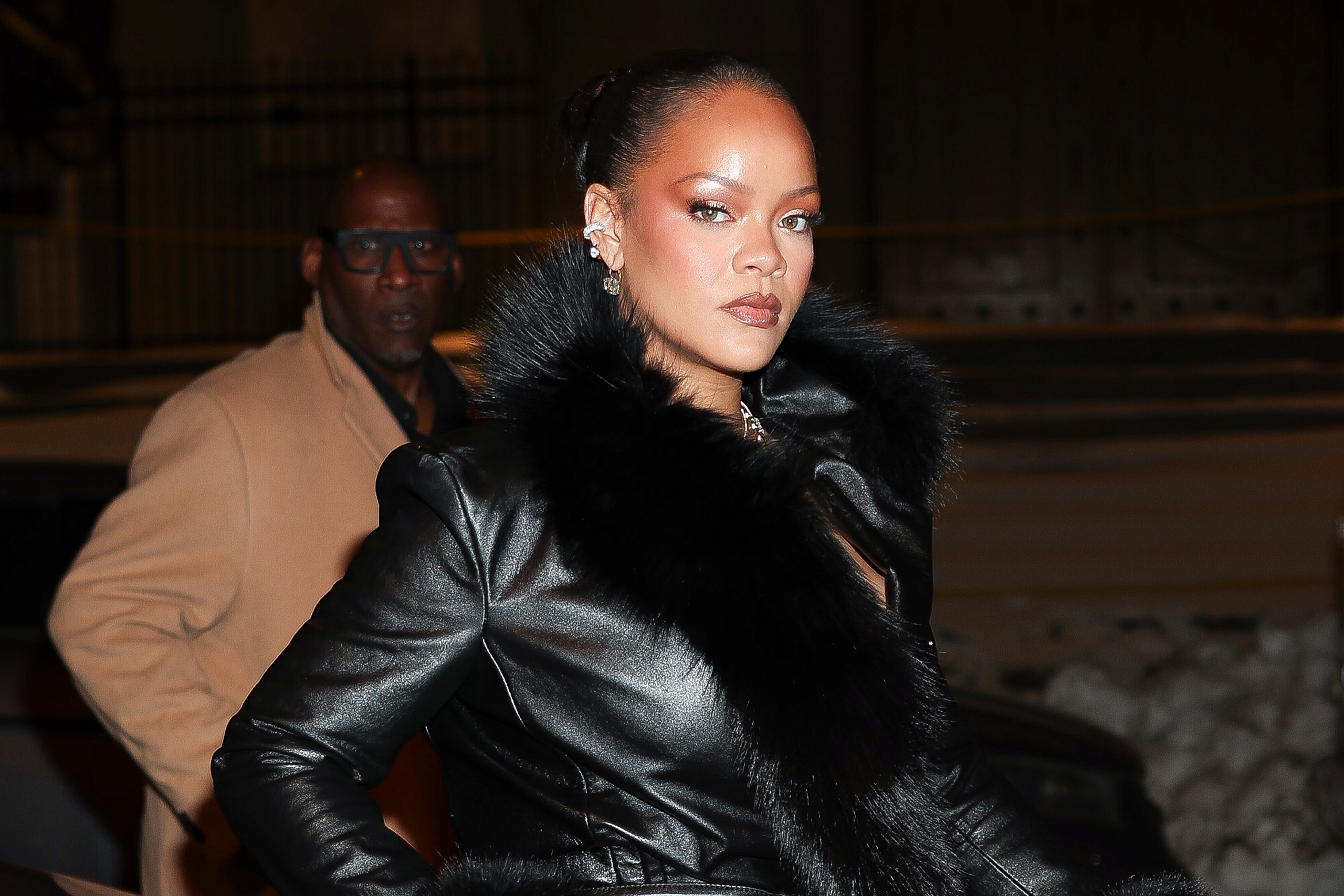
This week, Ivanna Lisette Ortiz, a 35-year-old woman, was charged with attempted murder having being accused of shooting at the singer Rihanna’s Beverly Hills mansion with a semi-automatic rifle. Ortiz allegedly pulled up in her Tesla and fired 10 rounds before driving off. She was arrested eight miles away. (Rihanna was home, but no one was injured.) Once Ortiz’s name was released publicly, reporters soon discovered the attack wasn’t random: she had a reputation for posting aggressive hate comments about Rihanna online.
Here they are at 2am, or during work, for hours a day committed to picking apart a famous person they uniquely despise
Here they are at 2am, or during work, for hours a day committed to picking apart a famous person they uniquely despise
Much has been said about social media’s role in the parasocial relationship: how the internet has augmented fan obsession, how it has made millions of people believe they are personally connected to their idols.
Influencing is founded on making strangers think you are friends, and several celebrities have capitalised on this idea. It’s not hard to look around online at a sea of borderline delusional fans, posting multiple times a day about their outsized devotion and full-time dedication to their fave, and not think some people’s brain chemistry has been permanently changed. This, we know, is a new risk that comes with modern fandom. But what about the new risks that come with being a modern full-time, devoted hater?
An under-discussed aspect of the parasocial relationship is the rise of the fanatical anti-fan: obsessives who dedicate large parts of their lives to investigating and attacking their anti-idols. Many are former fans who later felt spurned or neglected as their chosen celebrity became more popular. And, as with regular fans, they are often moved by delusion. Undoubtedly, Ortiz appears to have been on the extreme end of anti-fandom. Her comments were more conspicuous, more deranged and were posted under her real name. Most anti-fans in crisis are more difficult to find. They share via anonymised accounts, protected by gossip-site owners who profit from users feeling like they’ll never be caught.
Many anti-fans present as entirely normal in their public lives, making it even harder to determine when someone has tipped from indulging an unhealthy but mostly harmless habit into something darker, which poses a real, physical threat. Most obsessive hating doesn’t lead to violence. Anti-fan violence also isn’t new. A grim volume of celebrities have been attacked and even killed by parasocial detractors in the past, well before social media ever existed. But Ortiz’s case begs the question: has the internet begun to augment this kind of danger, too?
Anti-fandom can no longer be dismissed as an online phenomenon without offline impacts. But, really, the potential harm doesn’t stop there. Even without physical violence, it’s hard to suggest that spending so much of life viciously attacking anyone, especially a stranger, isn’t also some form of self-harm. That these anti-fans haven’t been at least in some part lost to addiction. Moments like this shooting may force us to contend with how the parasocial relationship is changing and presenting new danger in the real world. But we shouldn’t kid ourselves into thinking a glimpse at these forums doesn’t already unveil large-scale damage.
Photo by Aeon/GC Images
Newsletters
Choose the newsletters you want to receive
View more
For information about how The Observer protects your data, read our Privacy Policy