

The Disappearance of the Great British Holiday. That is the glum title of a new report by the New Economics Foundation, which finds that fewer people are holidaying in the UK.
If I had been the foundation, I would not have launched this report in February. It’s cold, dark and frankly miserable out there – as anyone who has entertained children this half-term can testify (along with anyone who hasn’t). It is hard to make the case for staying in Britain this month, rather than seeking out Egyptian sun, or snowy ski slopes.
But the foundation has a point: we spend less time here, even in summer. It suggests solving this by reducing business rates, and adding another £13 tax on flights to the sun. With the best will in the world, I doubt this will save the UK holiday industry.
Our domestic tourism industry wants the government to scrap plans to allow local authorities to tax overnight stays. I doubt the government will listen. It will point out that most other countries allow exactly this. Anyhow, with more adults needing social care, and more children needing additional support, councils will soon be going bankrupt left, right and centre. The government doesn’t want that, so a local tourist tax seems inevitable.
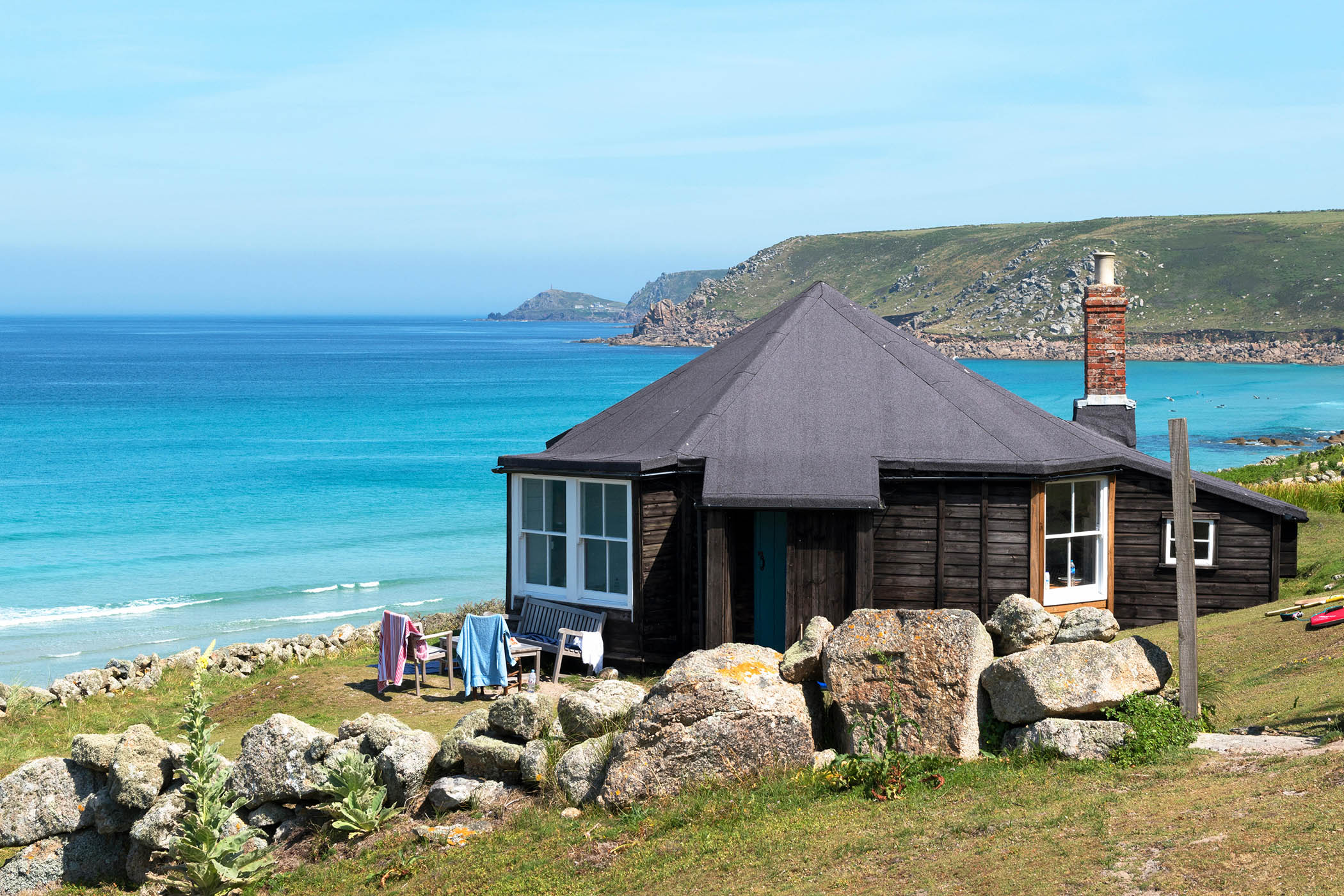
The best way to get more people to holiday in Britain would be to follow the Nordic example. Over the years they have built enough houses that the majority of people in Sweden and Finland either own or, through family and close friends, have access to a second home in the countryside. Even today, one-bed homes in the Finnish countryside sell for less than £35,000. This being Finland, the house has its own sauna, and a five-acre wood – useful for heating the sauna. And, being Finland, it has fibre optic internet and solar panels. Buying one on a mortgage would cost about £180 a month on a typical UK rate.
The majority of people in Sweden and Finland either own, or through family and friends have access to, a second home
The majority of people in Sweden and Finland either own, or through family and friends have access to, a second home
With so many second homes, lots of Nordics go away locally, particularly on weekends. Once you have somewhere free to stay, the economics of holidaying like that are unbeatable. Get in the car, buy some provisions en route, eat at the local pub, and support the local economy. For those who don’t own a second home, huge supply means they are cheap to rent. Airbnb lists more than 1,000 for less than £500 a week even in August.
Of course the Nordics live in a more sparsely populated part of the world, while Britain has a host of land constraints and planning limits. But the figures are stark: across Europe, about 25% of homeowners have a second property, compared with just 3% in the UK.
It has been a long time since houses cost £35,000 in places where people want second homes, but it was once the case. In 2000, two-bedroom flats in the southeast seaside town of Margate sold for about £30,000 in today’s money. Today they are worth five times as much, with similar price rises elsewhere. If we build enough houses, prices will be lower, more people will buy second homes and either use them regularly themselves, let them out, or do both.
Of course, the main reason Britain should build lots more houses is to make life better for those who struggle to pay the rent, and would like to afford a decent place of their own. That is sufficient reason. But more people owning a second home would help the domestic economy, because people would then spend more money here, and less money abroad.
Our climate means Brits will always want time in the sun. And there is a wonderful world to see out there – whether that is the Eiffel Tower, Venice, or seeing the Grand Canyon. We will never stay at home all the time, and nor should we. But we could become a nation in which far more people own second homes, and in which it is far cheaper to go away locally. Let’s build more houses.
Newsletters
Choose the newsletters you want to receive
View more
For information about how The Observer protects your data, read our Privacy Policy
Tim Leunig is chief economist at Nesta, the innovation agency
Photograph by Kevin Britland/Alamy