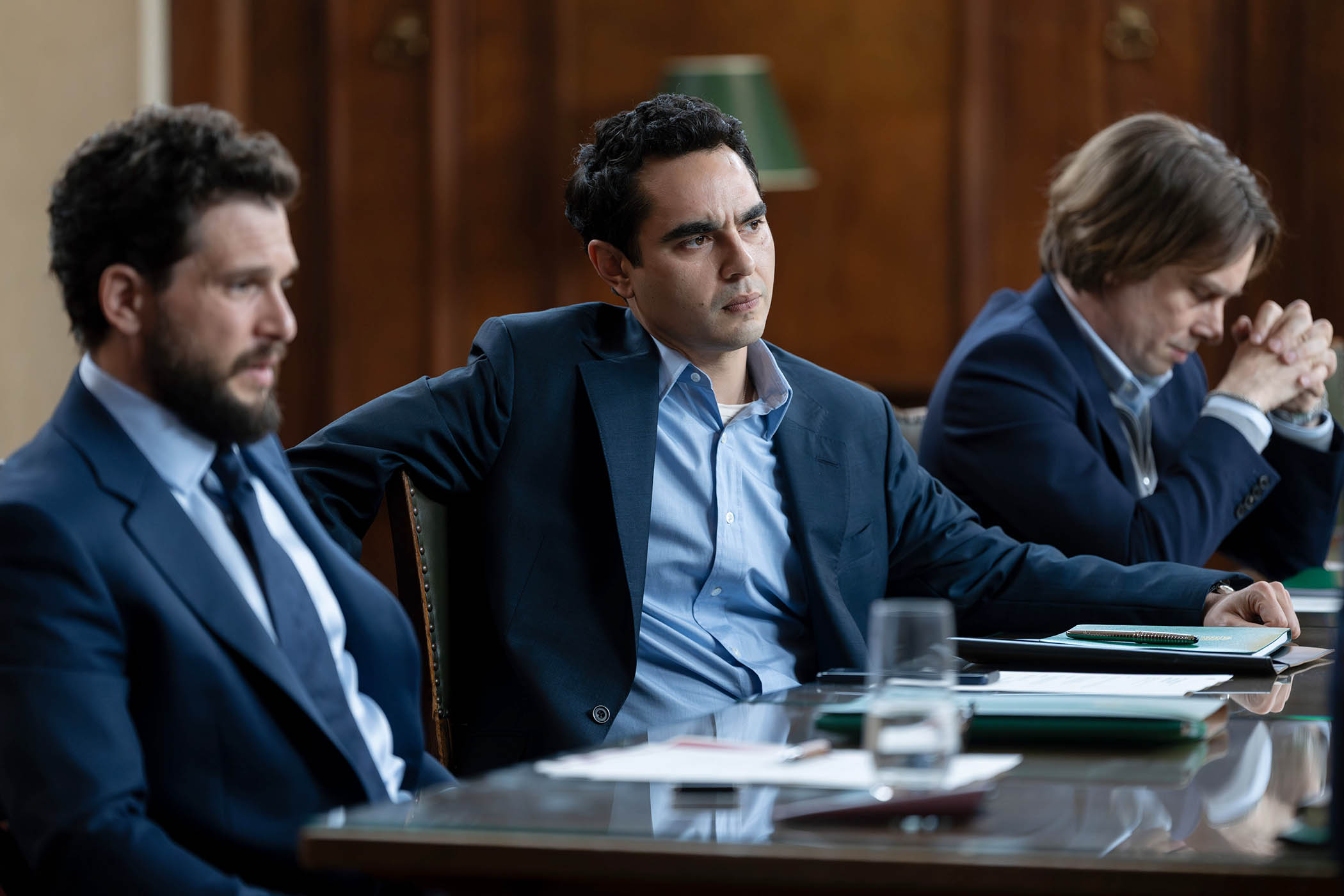
Eighty per cent of the film and television I’ve watched recently has been stress-inducing. The never-ending deaths in Spanish thriller Sirat. Timothée Chalamet trapped inside the pressure cooker that is Marty Supreme – a film about the world of competitive table tennis that is so intense my friend had to take a break mid-screening. I watch almost every iteration of the Real Housewives franchise – a constant loop of rich women shouting at each other – and am so desensitised I even routinely find myself falling asleep to it. Then there’s the latest season of Industry: just when you think its world of high finance can’t become more distressing, it does. On the surface, there is nothing relaxing about any of this.
And yet so many of us turn to chaos in our downtime. The world is burning, but we’re watching the most heightened, emotionally destabilising films and shows for entertainment. We often talk about TV as escapism, but this feels like the opposite; an invitation into pressure, panic, collapse. As viewers, we choose to throw ourselves inside the claustrophobic power structures the characters exist within – be it Hollywood, excessive wealth, or other forms of public scrutiny. In these spheres, you are constantly available for judgment and humiliation. Rather than romanticising ambition, these shows and films expose its psychotic side. They meet the world as it is: work never ends, success feels fragile, failure feels permanent.
It’s as though watching something equally relentless creates a kind of calm, as if there’s a comfort in not being lied to. This is why I could watch Real Housewives forever. In fact, I probably most turn to the housewives for comfort when my world is spinning out of control. Their endless conflict reminds me that maybe my life isn’t so bad.
Perhaps Industry has the same effect. Stress is embedded in its structure: there is no version of this world where people thrive without harming others. Success requires domination over everything and everyone. The writing team does a masterful job of unpacking the poison that is power, demonstrating how no amount of wealth brings happiness. But the characters keep trading, scheming and manipulating because to stop would mean facing this reality. The show doesn’t build towards relief, rather towards collapse.
The reason we’re drawn to stories that present the world as treacherous is that they confirm what we already know to be true: that the systems that govern us are morally corrupt. We watch rich, powerful or famous people suffer not out of cruelty but relief. Take the women of the Real Housewives franchise: they must defend their status constantly. Their relationship to power is emotional as much as it is financial. The fights repeat because the structure they exist within never changes.
We don’t watch stressful television because we enjoy suffering. We watch because it articulates a truth about the moment we’re living in. These shows don’t promise growth. They most certainly don’t insist things will work out. But they allow us to witness the effects of our stressful world at second hand. As we watch, the darkness of the world becomes more legible.
Photograph by BBC/HBO
Newsletters
Choose the newsletters you want to receive
View more
For information about how The Observer protects your data, read our Privacy Policy