Donald Trump’s Venezuelan coup is part of a long history of American imperialism in South and Central America. In the course of researching the background to my two cold war spy novels, Gabriel’s Moon and The Predicament – the first two novels of a trilogy set in the 1960s – I became very aware of the covert efforts of the USA to effect regime change.
The first instance was in 1961, when President Dwight D Eisenhower authorised the assassination of the democratically elected prime minister of the Congo, Patrice Lumumba. With the help of MI6 and the Belgian secret service, Lumumba was arrested and shot by a firing squad, and his body was dissolved in a vat of sulphuric acid. After this sordid CIA operation, Joseph Mobutu – “our man” – took over for the next few decades.
The postwar history of Guatemala was even more interesting. This sovereign country was regarded as the fiefdom of the United Fruit Company. This massive US conglomerate was far and away the country’s largest land-holder, with millions of acres of banana plantations – Guatemala was the original “banana republic”. However, when the members of the board of United Fruit grew unhappy with the political scene as it developed – in other words, when Guatemala showed signs of being progressive and socially concerned – they turned to Washington.
And so in 1954 the CIA trained an invasion force designed to topple the government of President Árbenz, who was advocating agrarian reform. Again, the regime change was authorised by Eisenhower, though plans had been initiated by his predecessor, Harry Truman. Guatemala City was bombed. A CIA-run radio station broadcast propaganda and floated the idea of a US invasion.
It was called Operation PBSuccess. Under pressure, Árbenz resigned and a new ruler, President Armas, was installed.
However, Armas began to drift leftwards politically and was assassinated in 1957 by a “lone gunman” – who then conveniently shot himself. Case closed. It is most likely that this was a CIA operation run in collusion with the mafia. Strange to say, Armas’s assassination almost looks like a dry run for what happened in Dallas in 1963.
Armas was succeeded by another soldier, General Ydígoras, who was very pro-US. He helped train thousands of anti-Castro Cubans for the disastrous 1961 Bay of Pigs invasion of Cuba. This was one American-backed attempt at regime change that went seriously wrong, prompting undying enmity from some rogue elements of the CIA towards President Kennedy and his brother, Robert.
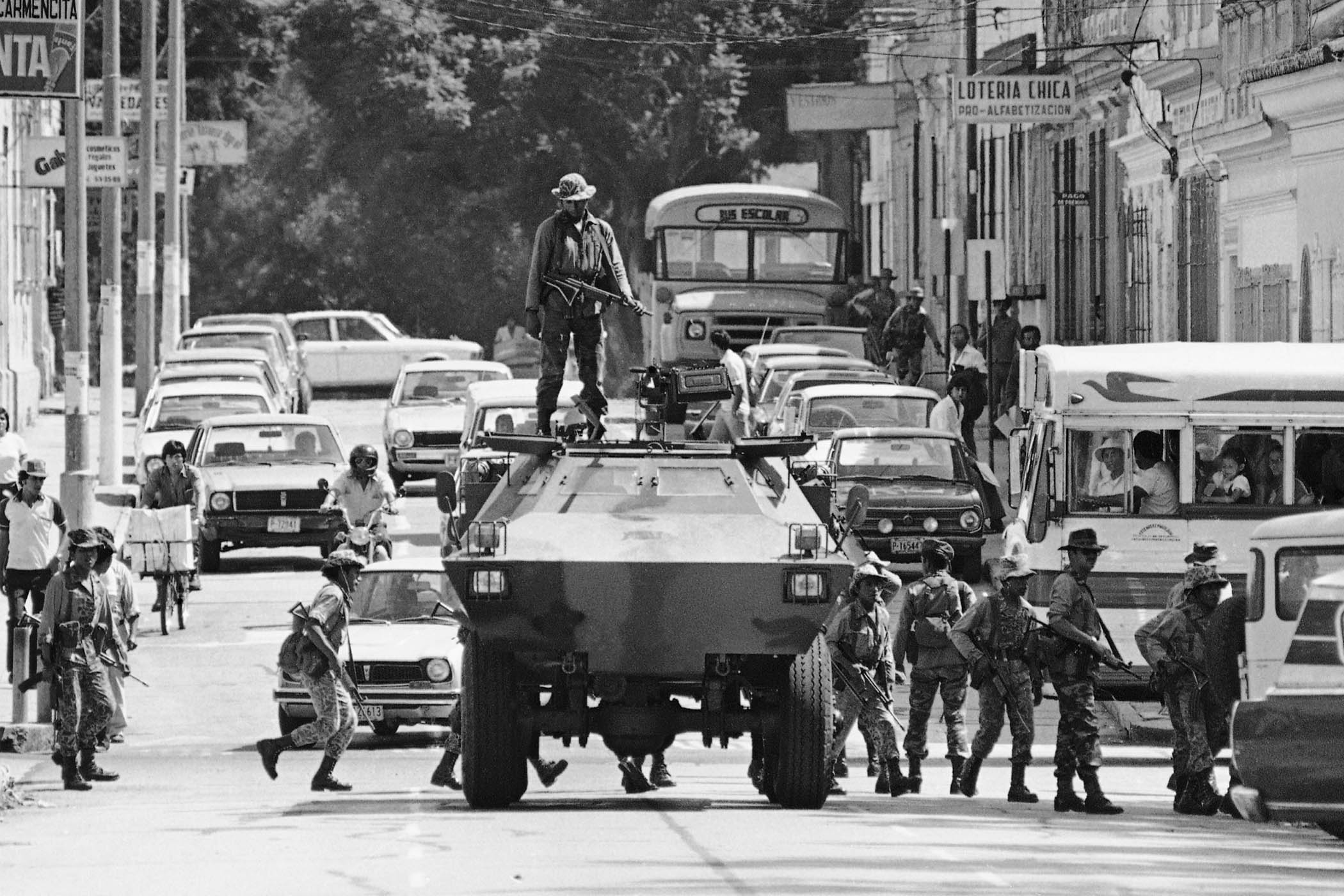
When Ydígoras announced that there would be free and open elections in early 1963, it was Kennedy himself who authorised a military coup to depose him. He was replaced by another compliant soldier, Colonel Azurdia, who ratcheted up the campaign against leftwing guerrilla armies in the countryside. This was the beginning of the bitter and brutal Guatemalan civil war, with its harsh litany of rightwing death squads, widespread abuse of civil rights, mass killings, disappearances, torture and the genocidal deaths of tens of thousands of Mayan people. It finally ended in 1996.
The 20th-century history of Guatemala is a bleak illustration of what tends to happen when one powerful country decides to meddle and interfere in the affairs of another. All history, so the old saying goes, is the history of unintended consequences. What will be the repercussions of the audacious special forces’ “snatch” of Nicolás Maduro from Caracas in Venezuela – regime change or Guatemalan-style chaos? One thing is for sure, as the sorry story of Guatemala’s recent history demonstrates all too vividly: they won’t be the consequences that Donald J Trump is expecting.
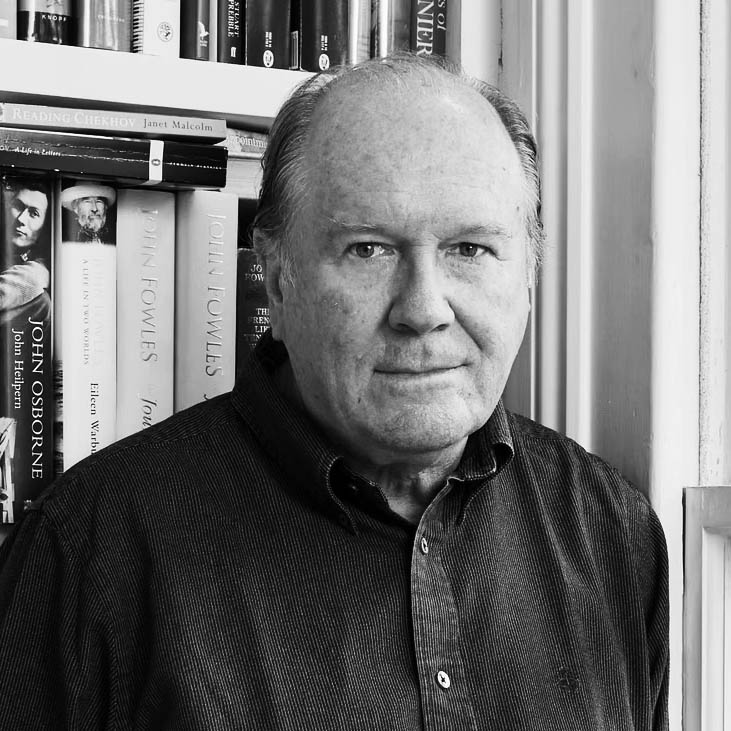
The third novel in William Boyd’s cold war spy trilogy, Cold Sunset, is published in September
Newsletters
Choose the newsletters you want to receive
View more
For information about how The Observer protects your data, read our Privacy Policy
Photograph by P.W. Hamilton/AP