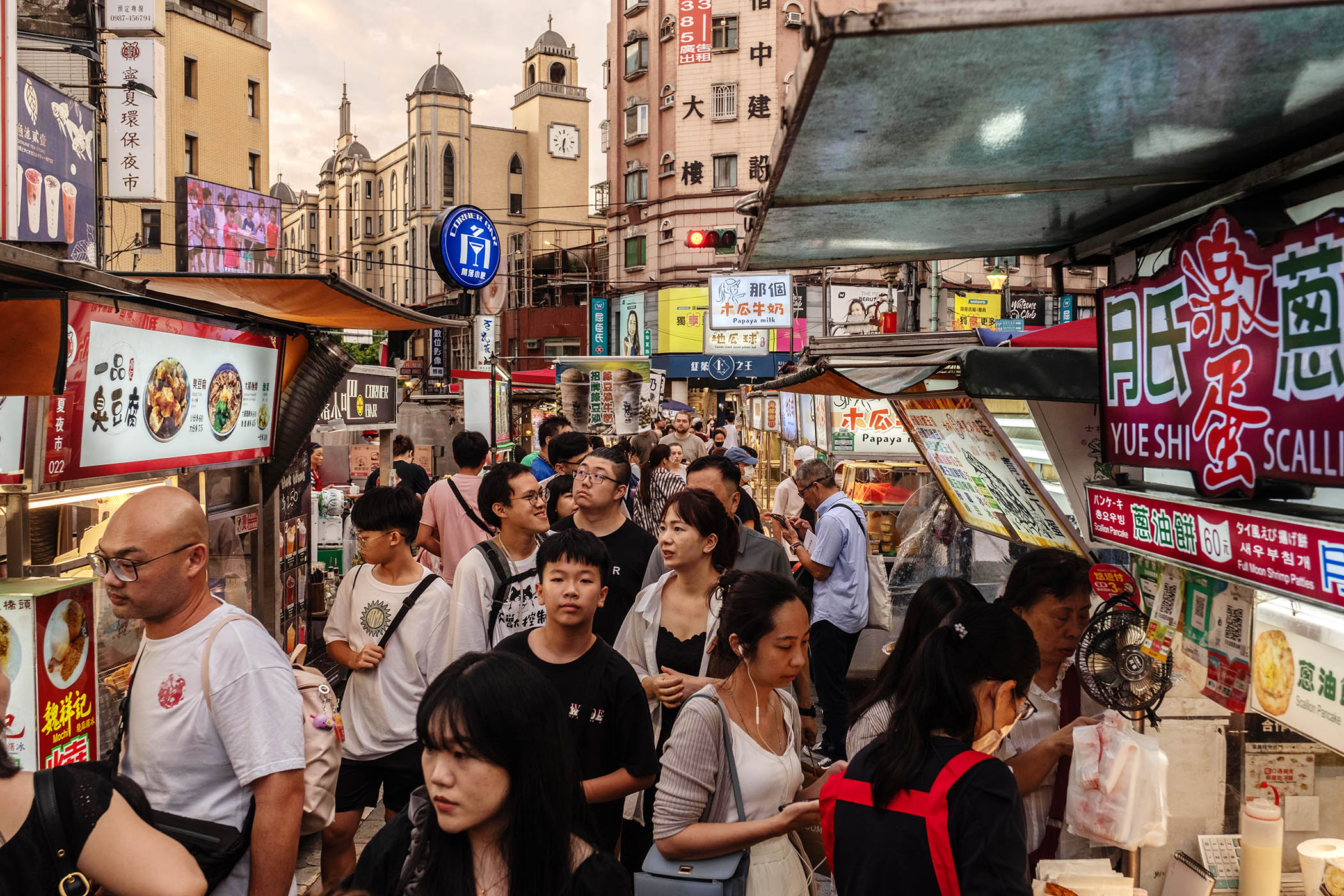

Many in the west are shocked by the Trump administration’s seizure of Venezuela’s president, Nicolás Maduro, and no shortage of commentators are asserting that the US president has given China a green light to invade Taiwan. The response in the latter country, however, has been a collective shrug.
On 5 January, the first day of trading after Maduro’s capture, Taiwan’s stock market continued to rally to a new record high. Meanwhile, much of the media coverage here has giddily focused on the apparent failure of the Chinese-made air defence systems that Venezuela was using. There is no sense of panic from the government either: Taiwanese officials told Bloomberg they saw the US raid on Caracas as having a deterrent effect on an expansionist Beijing.
Few in Taiwan care about any erosion of international law that may or may not have occurred on 3 January. And why should they? After all, the international order has never had time for Taiwan. Look at it today: it is a sovereign, democratic country, yet is recognised by only 12 governments in the world.
Taiwan is not a member of the UN, and China, because of its sway over the international organisation (and its security council veto, which once belonged to Taiwan’s government), can block Taiwanese membership. What is more, since the signing of secret agreements with Beijing in the 00s, the UN has taken things a step further by referring to Taiwan as “Taiwan, province of China”, despite the fact that Taiwan has never been part of the People’s Republic of China.
Non-membership of the UN also means exclusion from UN organisations. This includes the World Health Organization (WHO); remember that it was Taiwan, not China, that had the most successful response to the Covid pandemic. Taiwan was repeatedly blocked from participating in the WHO’s annual World Health Assembly, where it could have shared its successful strategies for containing the virus. Lives around the world that could have been saved were lost to politics.
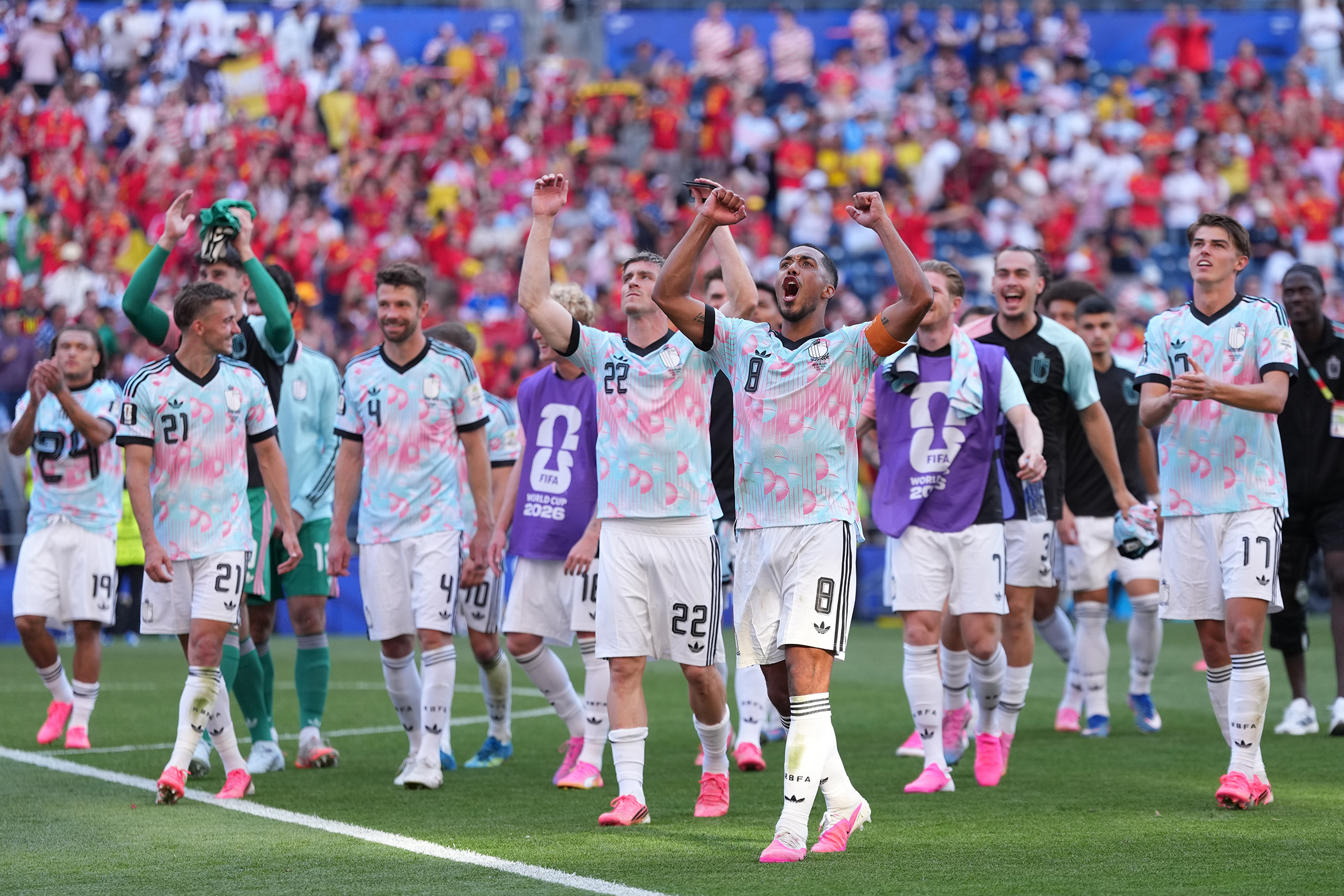
In the Olympics, Taiwan is forbidden from competing under its own name. Instead, Taiwanese athletes must endure the humiliation of wearing uniforms of a nonexistent place: Chinese Taipei. On countless government, non-governmental organisation and corporate websites, Taiwan is listed as part of China – even though it has its own government, military, currency and customs regime.
While this is indeed due to pressure and coercion from China, liberal democracies and their institutions and private sectors cannot pretend they lack agency. It is not China that is erasing Taiwan; it is we, Taiwan's supposed friends, who are doing it at Beijing’s behest.
It makes perfect sense then that although the Taiwanese certainly noticed what happened in Venezuela, nobody here is panicking about the erosion of an international order that has treated it like a nonexistent ghost nation. The Taiwanese know what the world expects of them: do not “provoke” your nuclear-armed stalker neighbour across the strait by asserting your sovereignty – and keep those semiconductors flowing, please.
The expectation outside Taiwan that its people should be concerned about international law highlights just how little the outside world understands what the Taiwanese have overcome to become today’s sovereign democracy, only to be treated as global diplomatic outcasts.
It is not China that is erasing Taiwan; it is we, Taiwan’s supposed friends, who are doing it at Beijing’s behest
It is not China that is erasing Taiwan; it is we, Taiwan’s supposed friends, who are doing it at Beijing’s behest
After the end of Japanese colonial rule in 1945, the Chinese Nationalist party, or Kuomintang (KMT), which ruled the Republic of China (ROC) at the time, arrived in Taiwan on American boats, having been granted temporary administrative control by the allied powers. Its inept and corrupt rule led to a violent Taiwanese uprising in 1947 that was followed by a month-long Chinese massacre of the Taiwanese elites who could have led an independent state.
Newsletters
Choose the newsletters you want to receive
View more
For information about how The Observer protects your data, read our Privacy Policy
The US provided the KMT with weapons and political cover while the UK and other American allies looked the other way. About 30,000 Taiwanese were murdered in three weeks.
After the KMT lost China to Mao Zedong’s communist revolution, the ROC government, headed by Chiang Kai-shek, relocated to Taipei, where it enacted martial law in 1949. Taiwan would remain under martial law for 38 years – longer than any country in history, until Syria broke that ignominious record in 2011.
In the early years of martial law, Chiang and the KMT focused not only on quashing any and all dissent from the 5 million Taiwanese who already lived on the island, but also on weeding out any potential communist agents or sympathisers among the 2 million Chinese who fled across the strait with them.
In the early days of Chinese martial law in Taiwan, executions were common, but eventually the KMT shifted to a more subtle strategy of military police knocking on unlucky people’s doors in the middle of the night, or gangsters killing “troublemakers”. Hundreds of thousands were imprisoned in inhumane conditions over those four decades, and thousands executed.
During this time, the US and UK-led anti-communist side in the cold war cynically praised Taiwan as “free China”. Chiang, and later his son and successor, Chiang Ching-kuo, delusionally claimed to be the legitimate rulers of China. The fact that Taiwan was neither free nor China did not matter; it was just a pawn in a bigger game being played by the Chiangs, Beijing and Washington and its allies.
Taiwan’s peaceful transition to democracy in the 1990s was the result of an intergenerational struggle stretching back to the 19th century, and the spilling of much Taiwanese blood. In a just world, Taiwan would have been brought into the family of nations after democratising, but as any Taiwanese person knows, this world is not a just one.
Taiwan is now ranked the freest country in Asia, has the region's most open media environment and was the first – and until recently the only – Asian country with legal same-sex marriage. Liberal democracies with their lofty ideals may praise Taiwan's astounding transition from pariah state to bulwark of democracy, but Taiwanese people know the real reason that most governments care about their sovereignty: semiconductors.
The Taiwan Semiconductor Manufacturing Company (TSMC) has a virtual monopoly on the world’s most cutting-edge chips, which are vital to AI, consumer electronics, cars and advanced weaponry.
After the semiconductor shortage at the beginning of the pandemic in 2020, the world woke up to the importance of Taiwan and the TSMC. Since then, international delegations have constantly been visiting the government in Taipei to try to ensure their countries have access to the chips that are crucial to a modern economy.
This has given leverage to Taipei – leverage that has done more to grant it a seat at the table than any democratic ideals. Taiwanese people know this. They see who we are.
The Taipei-based analyst Yang Kuang-shun summarised all of the above succinctly in an X post on 8 January: “Taiwanese already view international politics as great-power politics. We don’t romanticise international institutions as being very helpful because we’re just not that included. We see the world very differently because we already know it’s not a fair game for us from the beginning.”
Ghost Nation: The Story of Taiwan and Its Struggle for Survival, by Chris Horton, is published by Macmillan
Photograph by Lam Yik Fei/Bloomberg via Getty Images