
Too often, when left-leaning liberals look abroad for hope, for a leader who could inspire us, they turn their lonely eyes to the US. You probably watched Barack Obama’s Democratic national convention speech in 2004. You will no doubt have an opinion on Alexandria Ocasio-Cortez. You may even have your own favourite obscure House member, senator or governor who you’d like to see run for the presidency in 2028.
The US domination of culture in the UK plays a part, as does language. Far easier for most of us to read about Zohran Mamdani’s New York mayoral campaign than the race between Emmanuel Grégoire and Sophia Chikirou to be the leading leftwing candidate in Paris later this year.
That need for hope has never felt more urgent. A resurgent far right is on the rise across Europe. Its leaders may not hold office, but their ideas hold power. No more so than when it comes to the issue of immigration. Supposedly centrist politicians have aped the language of the far right, accepting the racist trope that immigrants pose a danger to women and girls.
“Ask your daughters,” said Germany’s chancellor, Friedrich Merz, when questioned last year whether he regretted his anti-immigrant rhetoric. “I suspect you’ll get a pretty loud and clear answer. I have nothing to take back… we have to change something.”
If we want hope, it is not coming from the US, where mainstream Democrats are still failing to meet the moment. Donald Trump has unleashed a masked, armed paramilitary force to round up foreigners – and those who may look like they’re foreigners – but the Democratic leadership still fears going too far in its opposition.
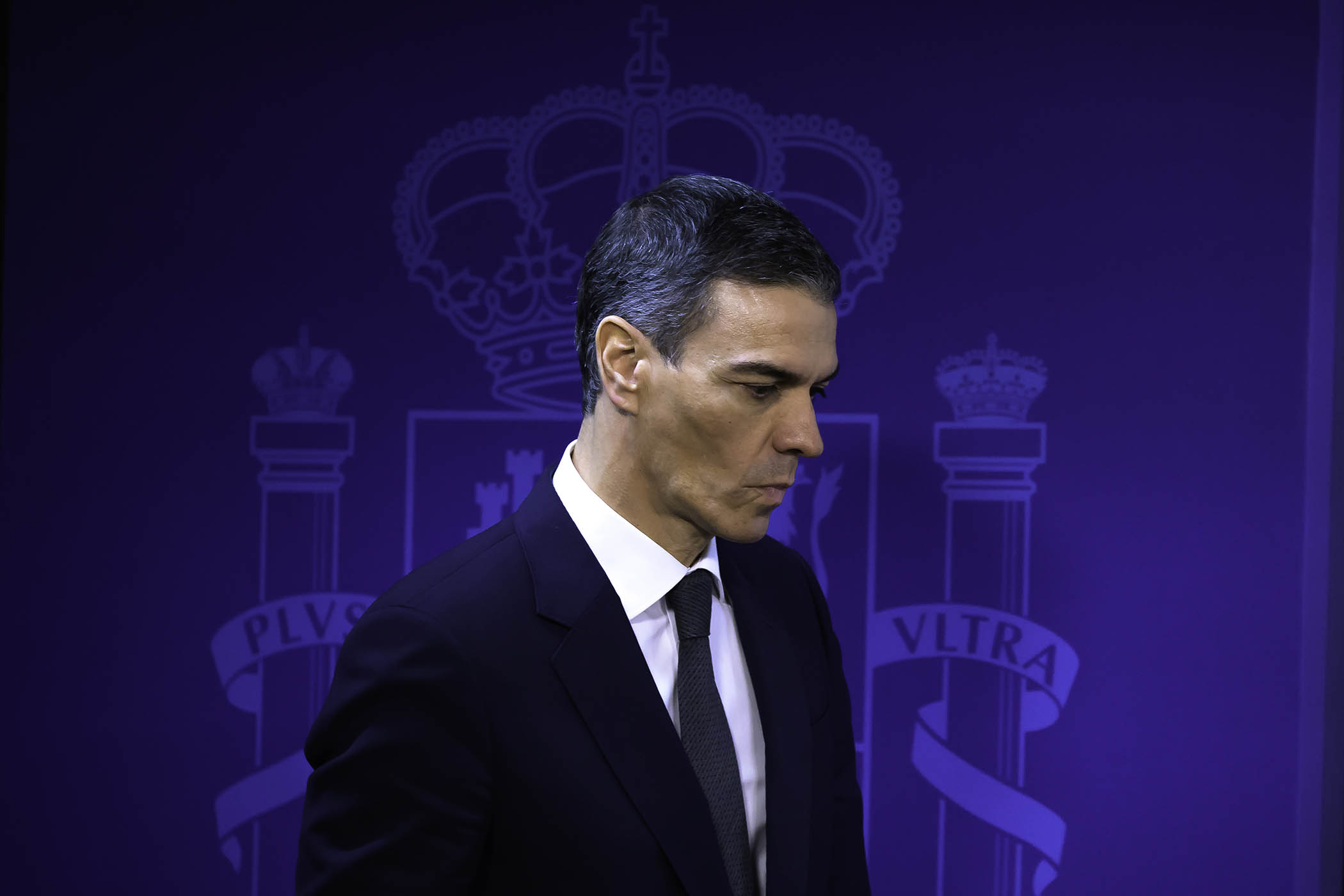
For hope, we need to turn to Madrid. Spain’s centre-left government has taken a radically different approach. The prime minister, Pedro Sánchez, last month announced that 500,000 undocumented migrants in Spain would be able to apply for legal residence permits.
It was not just the policy that offered hope – it was the language he used when promoting it.
European nations face two choices when dealing with the growing number of undocumented migrants, he said. The first is to “hunt them down and deport them through operations that are both unlawful and cruel”. The other is to offer them a path to legal status.
The reasons for the latter, he argues, are both moral and pragmatic. As a nation of emigrants, Spain now has a “duty to become the welcoming and tolerant society that our own relatives would have hoped to find on the other side of our borders”. But also, as he baldly puts it: “The west needs people.”
Newsletters
Choose the newsletters you want to receive
View more
For information about how The Observer protects your data, read our Privacy Policy
In a continent suffering from low growth, Spain is an economic success story. Unemployment is falling, inequality is decreasing and growth is rising. Spain’s rising immigration has helped these numbers, not harmed them.
Sánchez does not fear his nation will become an “island of strangers”. As he wrote in the New York Times last week, he believes that the choice is between “becoming closed and impoverished societies, or open and prosperous ones”.
Sánchez has been in power for eight years, thanks in no small part to a series of rickety coalitions and the mistakes of his rightwing opponents . During the past decade, his centre-left allies across Europe have fallen by the wayside – or can no longer be described as centre-left.
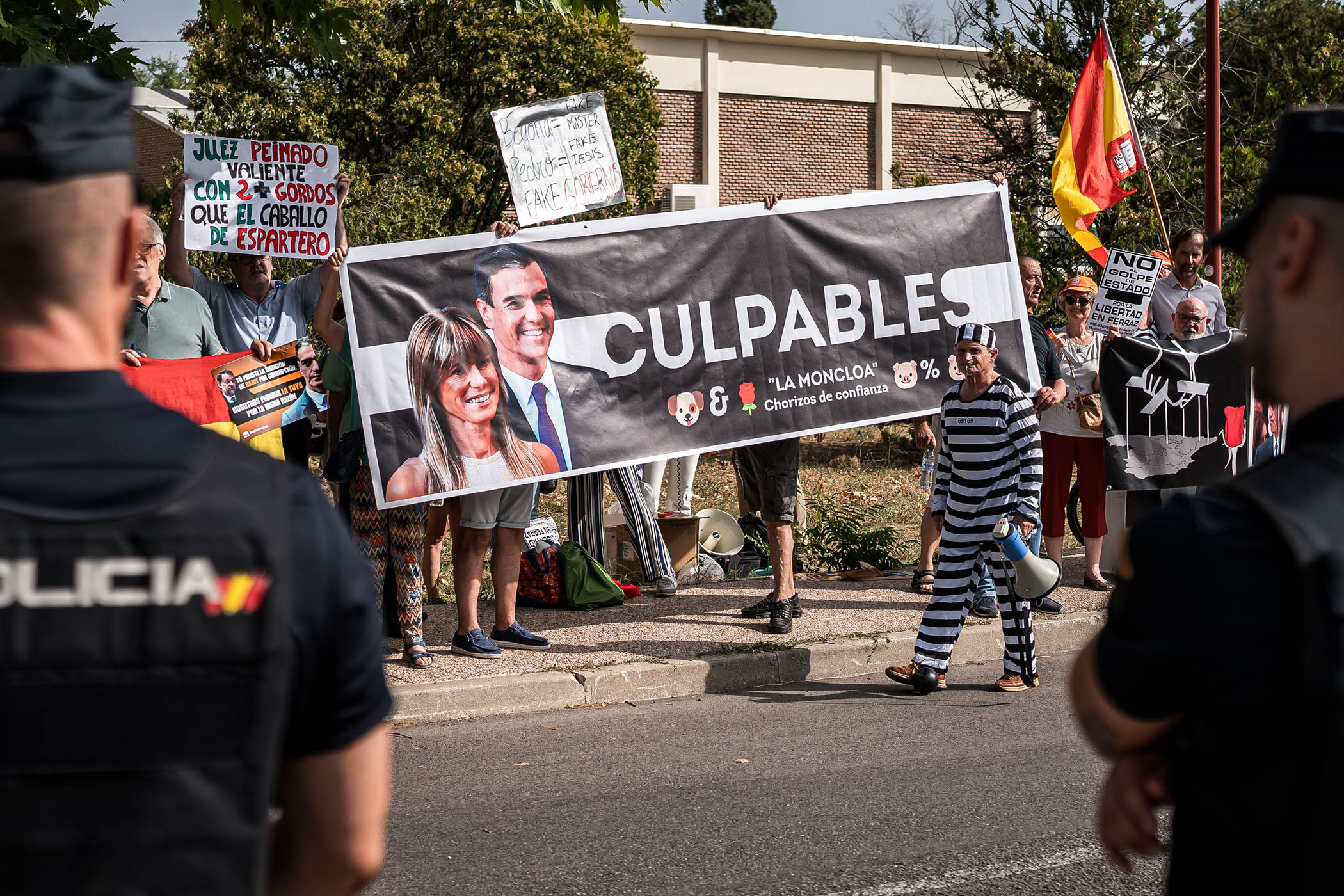
But Sánchez, whose popularity in Spain itself has been damaged by a series of corruption scandals and who also has to deal with a rising far right, has on the whole remained true to his principles. He was the only Nato leader who refused to go along with Trump’s insistence that every member should spend 5% of its gross domestic product on defence – Sánchez described the 2.1% the Spanish were prepared to spend as “sufficient and realistic”.
Nor did he equivocate on Trump’s UN-threatening “board of peace”, publicly refusing to join and saying: “The future of Palestine must be led by the Palestinians.” In the hours after the capture of Venezuela’s president, Nicolás Maduro – Keir Starmer was still insisting he needed to “establish the facts” - Sánchez condemned it as a “violation of international law”.
His immigration policy may fail. His government may fall. But for now, at a time when those who want a principled, liberal, left-of-centre leader feel bereft of hope, Sánchez provides an example of what that can look like.
Photograph by Jonathan Raa/NurPhoto via Getty Images