When Yann Guignon first tried ingesting the iboga plant, he had no way of knowing it would draw him into a direct confrontation with an executive order of the president of the United States.
He was more concerned at the time with his cocaine addiction and suicidal thoughts. The ibogaine’s effect on his addiction was immediate. The cravings vanished with three doses over two nights, Guignon says. The healing of his psyche took longer – a matter of years – but now he is a “totally changed person”.
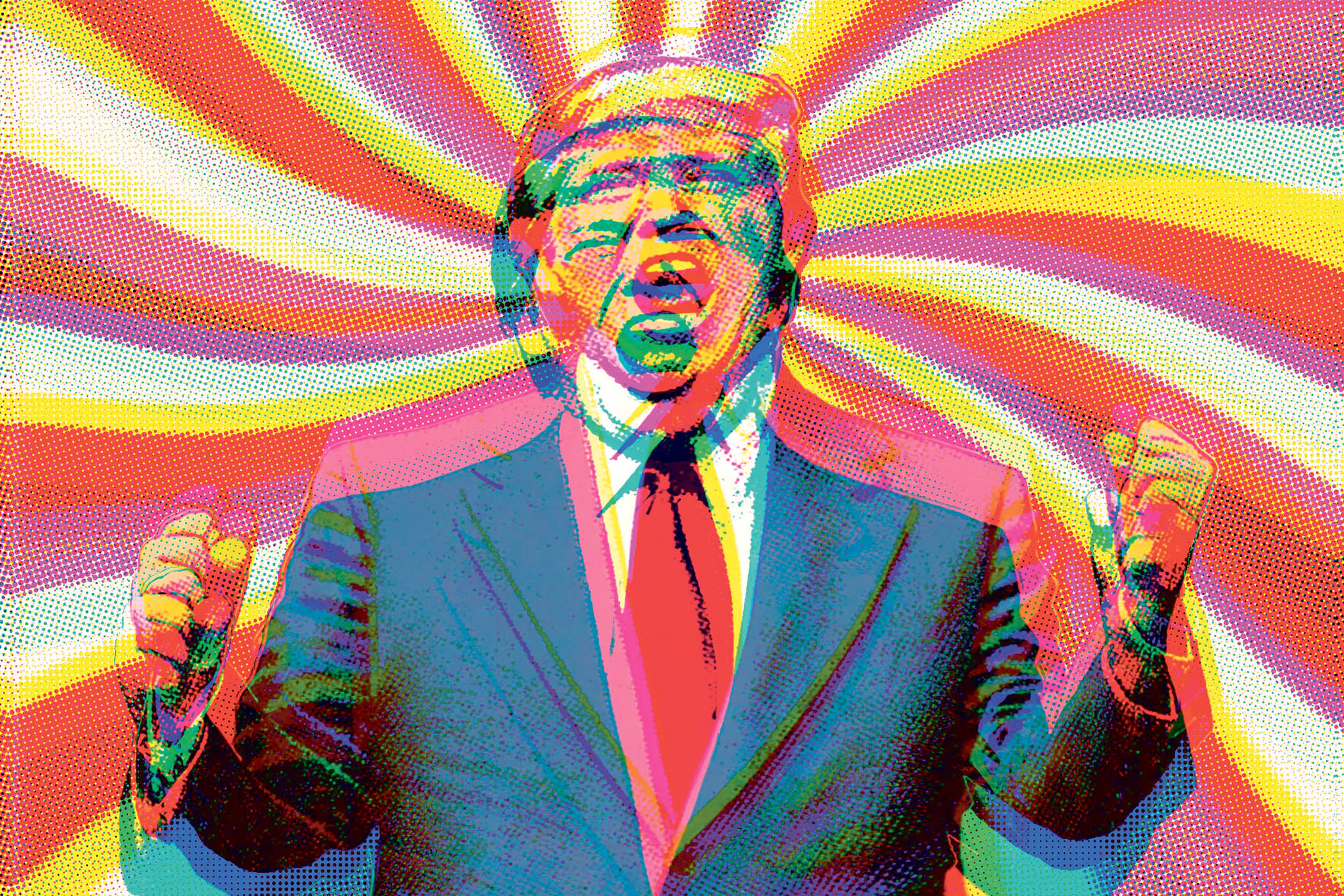
In that time, the world has changed too. Ten days ago, President Trump signed an order to fast-track federal drug development trials of ibogaine – a powerful natural hallucinogen – as a potential cure for opioid addiction and post-traumatic stress disorder among combat veterans in the US. With the podcaster Joe Rogan at his back, it was a triumph of new media over conventional policy making, and of plants over conventional medicine.
It was also politics in the raw: an unabashed play by Trump for reconciliation with Rogan’s millions of listeners – most of them right-leaning and male, many of them military and ex-military with a growing interest in psychedelics – a month into an unpopular war with Iran.
And all thanks to a slow-growing tree in Central Africa.
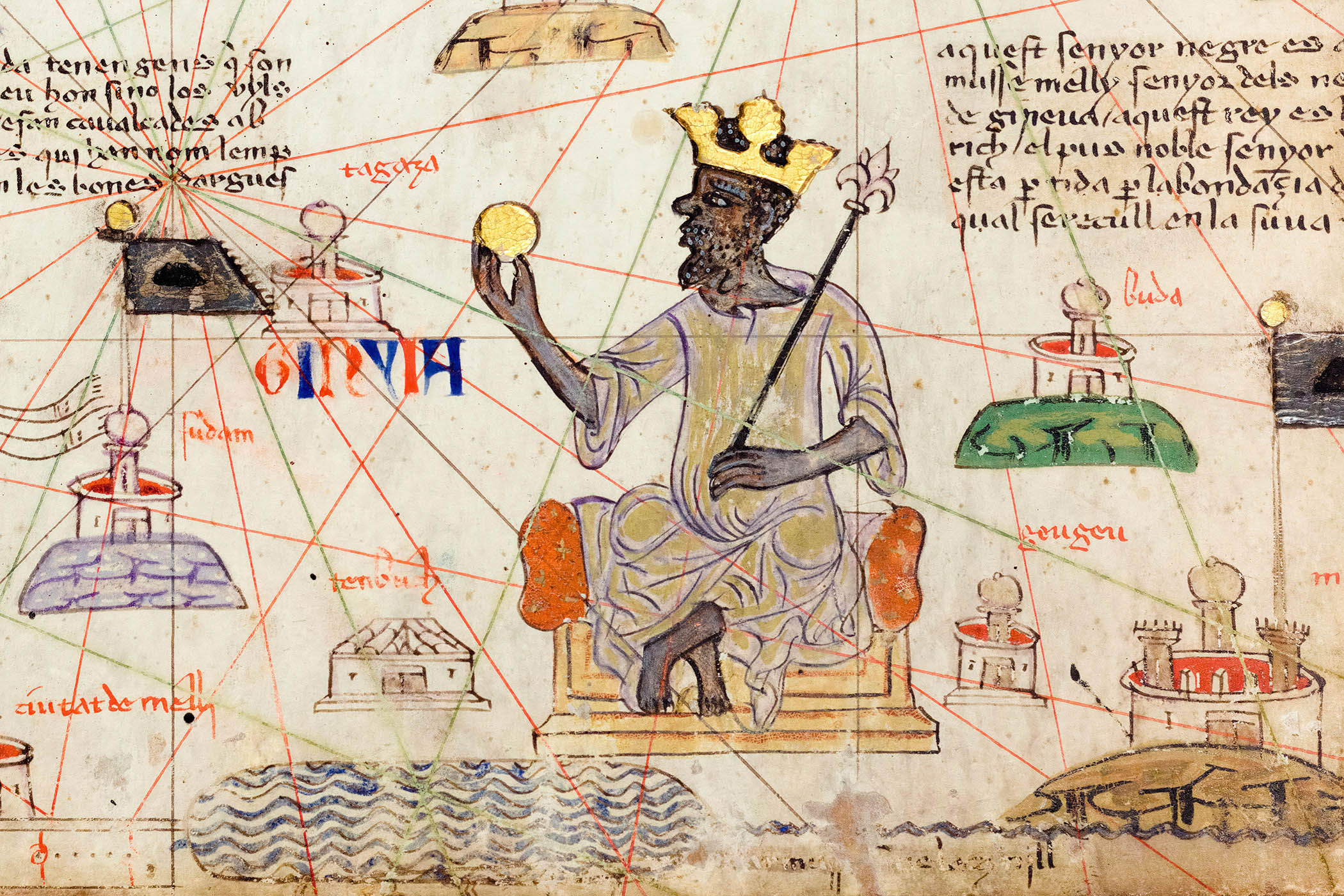
If ibogaine could be cultured in a lab, Trump’s order might be less contentious, but so far it can’t. For now, most of the world’s supply grows in the jungles of Gabon in central Africa, where it is revered as a holy sacrament and the foundation stone of Gabon’s Bwiti culture. It’s a natural hallucinogen of almost mystical power, or as one conservationist puts it, “a very pokey psychotropic”. One teaspoon induces “absolute euphoria,” this person says. A full “initiation dose” of 40 tablespoons takes a week to prepare for and two weeks to recover from.
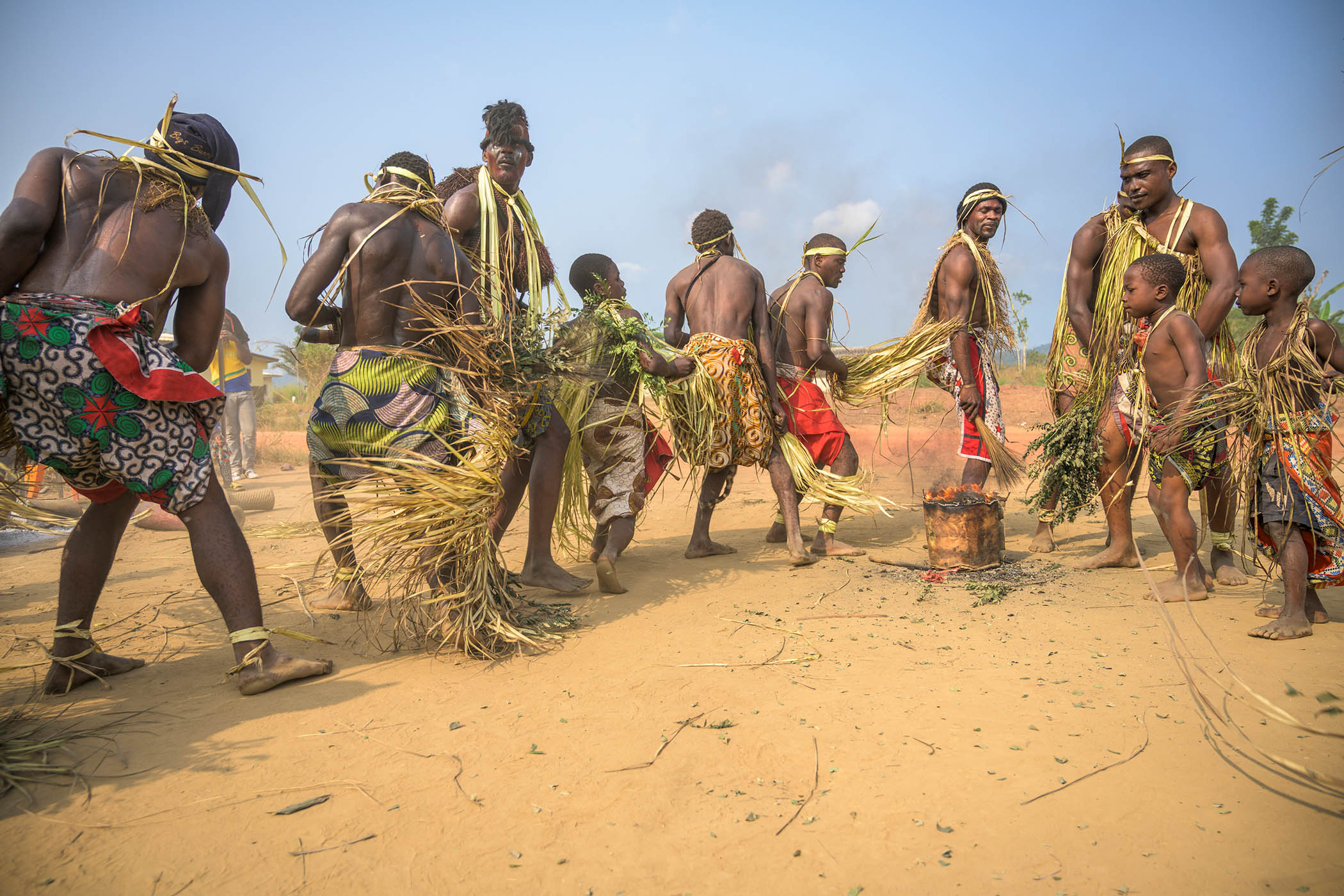
Dancers in Ngounié province, Gabon gather after an all-night Bwiti ceremony involving the consumption of iboga
Gabon’s wild iboga, from the Tabernanthe iboga shrub, is being plundered by poachers. By one estimate, they have taken 80% in the past 50 years. Now the country faces a choice: accept a US initiative that could turn a cottage industry into a mass market and bring enormous profits to private growers in Africa and specialist clinics across North America; or fight for the sake of a natural inheritance nearly as old as humanity itself.
Rogan and his allies see ibogaine as the answer to combat stress that leads to 6,000 suicides a year and an opioid epidemic that has killed more than 600,000 Americans in the past 10.
Moubeyi Bouale, a Gabonese lawyer and Bwiti grandmaster, takes a different view. He is not against worldwide access to ibogaine-based medicines, currently illegal in the US but not in the UK, Mexico or Canada. But the US approach is “biopiracy”, he said in a statement last year. “It’s as violent as war.”
The scene in the Oval Office on 18 April was peculiar, even by the standards of the second Trump administration. Seated at the Resolute desk, Trump signed an order that would have been unimaginable for most of America’s 50-year war on drugs, allocating $50m to help federal agencies “establish a pathway for eligible patients to access psychedelic drugs including ibogaine compounds”.
Newsletters
Choose the newsletters you want to receive
View more
For information about how The Observer protects your data, read our Privacy Policy
Rogan, whose audience of 12 million eclipses every other US TV network, told reporters he had texted Trump a few days earlier to say that 80% of opioid addicts who try ibogaine break their addiction with one dose and 90% with two. “The text message came back: ‘Sounds great. Do you want [Federal Drug Administration] approval? Let’s do it!’,” Rogan said. “It was that quick.”
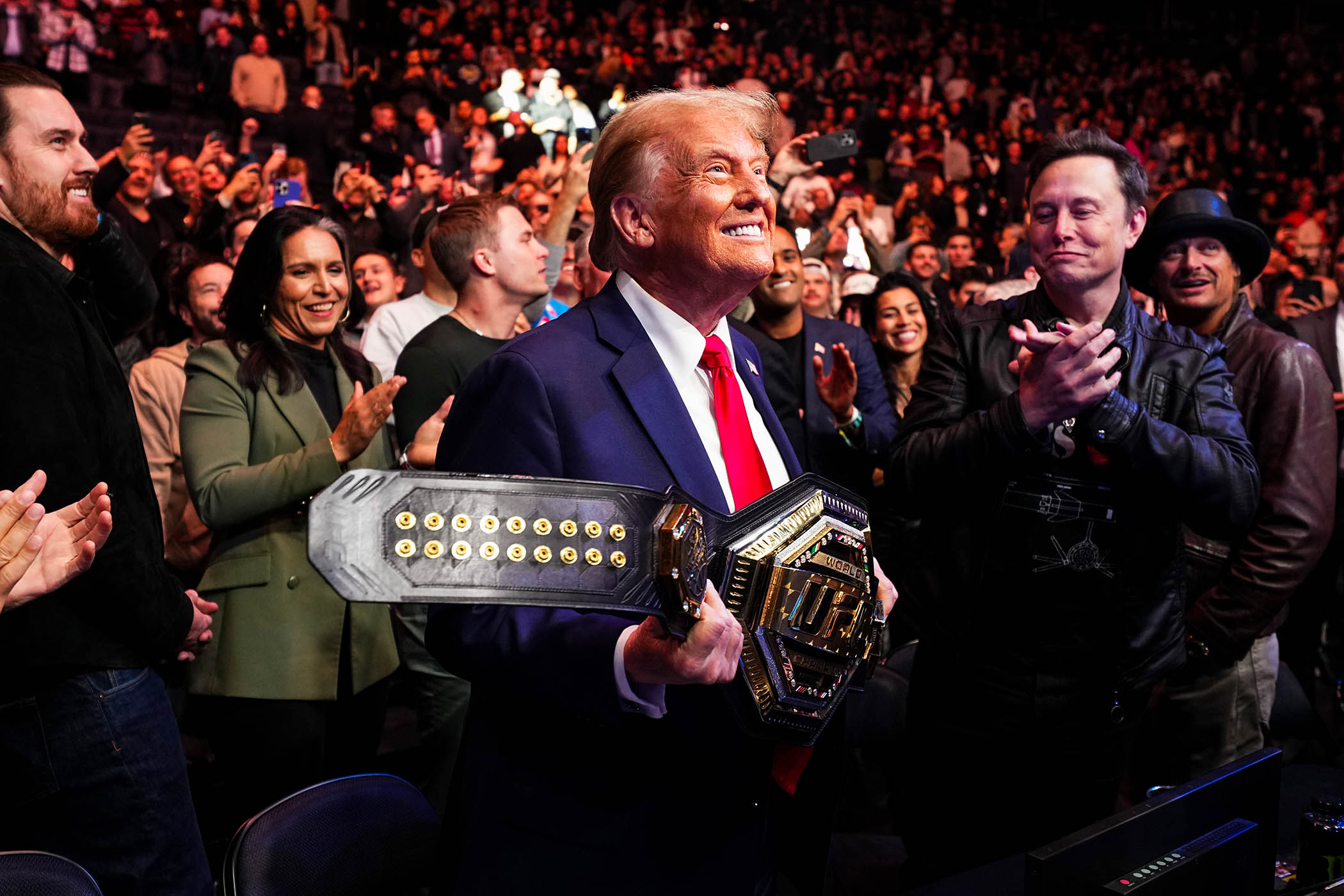
A third figure at the ceremony, W Bryan Hubbard of pressure group Americans for Ibogaine, said Trump’s agreement was in fact clinched at an UFC bout which the president and Rogan attended in Miami on 11 April – the day, as it happens, that talks to end the Iran war collapsed in Pakistan.
A week of to and fro followed between Americans for Ibogaine and US officials to produce a draft executive order, at the end of which “we got everything that was most important that we asked for”, Hubbard says. “From 18 April, the era of federal prohibition of psychedelic drugs is over.”
This is not necessarily true. Executive orders can be overturned by subsequent administrations without consulting Congress, and drug development trials don’t always work out.
Rogan sees ibogaine as the answer to an opioid epidemic that has killed more than 600,000 Americans in the past 10 years
Rogan sees ibogaine as the answer to an opioid epidemic that has killed more than 600,000 Americans in the past 10 years
In this case, there is little room for error. “With the right safety protocols in place, [ibogaine] is safe. Without them, it’s not,” says Juliana Mulligan, an ibogaine treatment specialist and formerly an opioid dependent person.
Her first experience of the drug involved receiving double the safe dose from a provider at a Guatamalan clinic who thought he had a “shamanic ability” to judge the dose by eye. Mulligan had six cardiac arrests in 12 hours as a result, and stresses that ibogaine is not recommended for those with a history of heart trouble.
Trump said that before signing the order he had the proposal “checked out” by federal officials, but establishing how ibogaine works is easier said than done. Its active molecule has been mapped and its efficacy in treating veterans with traumatic brain injuries has been demonstrated in a landmark 2024 Stanford University study. But one expert who has studied the compound for decades, Dr Kenneth Alper of New York University’s Grossman School of Medicine, says scientists understand barely 1% of what ibogaine can do.
In Libreville, the Gabonese capital, the White House announcement came as “an electric shock,” says Yann Guignon, a naturalised Gabonese citizen. He runs a local NGO called Blessings of the Forest and says he has been deputed to speak for several hundred Gabonese elders, although Hubbard disputes this.
Guignon believes his adopted country faces a binary choice between an “America first” approach based on the regulated use of semi-synthesised ibogaine in clinics across the US, and a negotiated agreement based on the Nagoya protocol – part of the 2014 UN Convention on Biological Diversity, designed to ensure indigenous peoples share in the proceeds of economic development. He takes his cue from Bouale, the Bwiti grandmaster, who said in his 2025 statement: “We are a tolerant and generous community, respectful of the primary purpose of ibogaine, which is to heal, regardless of ethnic or social origins… But we are against the post-colonial erasure and amnesia that wants to turn iboga and its potential into an American or European discovery.”
That is not the goal, Hubbard insists. He travelled to Libreville in January to host a conference and present his organisation to the Gabonese people as allies, he says. “We want to ensure that AFI helps Gabon lay the foundation for what will emerge as a global market for ibogaine medicine that will eventually reach their borders.”
Guignon says Hubbard should have done due diligence about who’s who in Gabon. Another critic says the AFI Gabon conference was a “total fiasco” – conducted in English even though Gabon is a francophone country and heedless of the idea that the Gabonese should have been hosting.
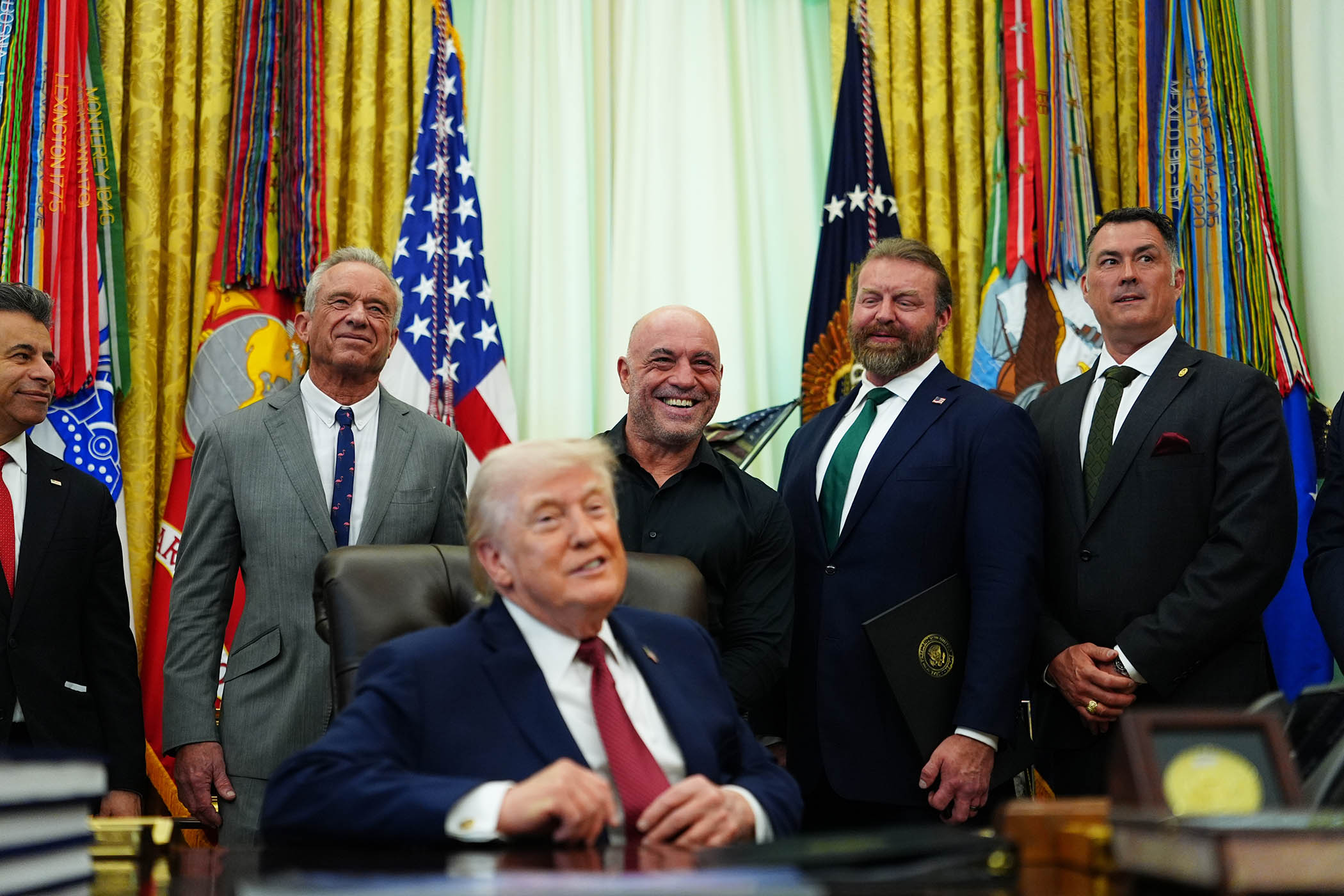
Donald Trump is joined by podcaster Joe Rogan (right) and health secretary Robert F Kennedy, Jr at the signing of his executive order regarding the use of ibogaine on 18 April
Hubbard calls Blessings of the Forest “a bunch of white-faced virtue-signalling”. Each claims the more authentic connection to Gabonese society, whose voices are at risk of getting drowned out in a street fight between rival NGOs. One of those voices belongs to David Mboussou, a Bwiti initiate and former aide to President Ali Bongo, who worked on the implementation of the Nagoya Protocol.
He wrote recently that Gabon has been hesitant to champion its iboga heritage, partly because of colonial-era Christian evangelism that saw “many local rites and systems of meaning reinterpreted not as forms of knowledge or spirituality but objects of suspicion, sometimes even as manifestations of evil”.
Bongo was thought to be in favour of a negotiated Nagoya-style agreement. His successor, Brice Nguema, is expected to make his position clear this week. Whatever he says, ibogaine is catching on. Clinics in Mexico and elsewhere charge around $15,000 for three-week residential treatments that the AFI hopes will be legal and covered by insurers in the US in a few years.
Even if no formal export deal is struck, Hubbard thinks enough ibogaine can be sourced elsewhere, and eventually made in labs, to meet demand.If that is the outcome of Trump’s order, Moughenda will be sad. He’s a Bwiti shaman and deputy in Gabon’s congress who will host an international ibogaine conference in Libreville in June.
Gabon alone has the wisdom to use iboga properly, he says. “And I’m not taking orders from anybody, especially an outsider trying to tell people how things should be We want to heal people without harming people. Humans are so good at sabotaging the good things God gave us.”
This article has been amended since publication
Photographs by Jorge Fernández/LightRocket via Getty Images, AP Photo/Julia Demaree Nikhinson