
A new police division tasked with tackling terrorism and organised crime has been announced as part of sweeping policies that represent the biggest changes to British policing in decades.
The new National Police Service (NPS) will be headed by a “national police commissioner” who will become the most senior officer in the country. The flagship policy will appear alongside plans for a huge reduction in the number of forces, a licence to police for all warranted officers, powers for the home secretary to intervene in failing forces, a graduate scheme for attracting high-achieving students and new mechanisms for parachuting experts and managers into senior roles.
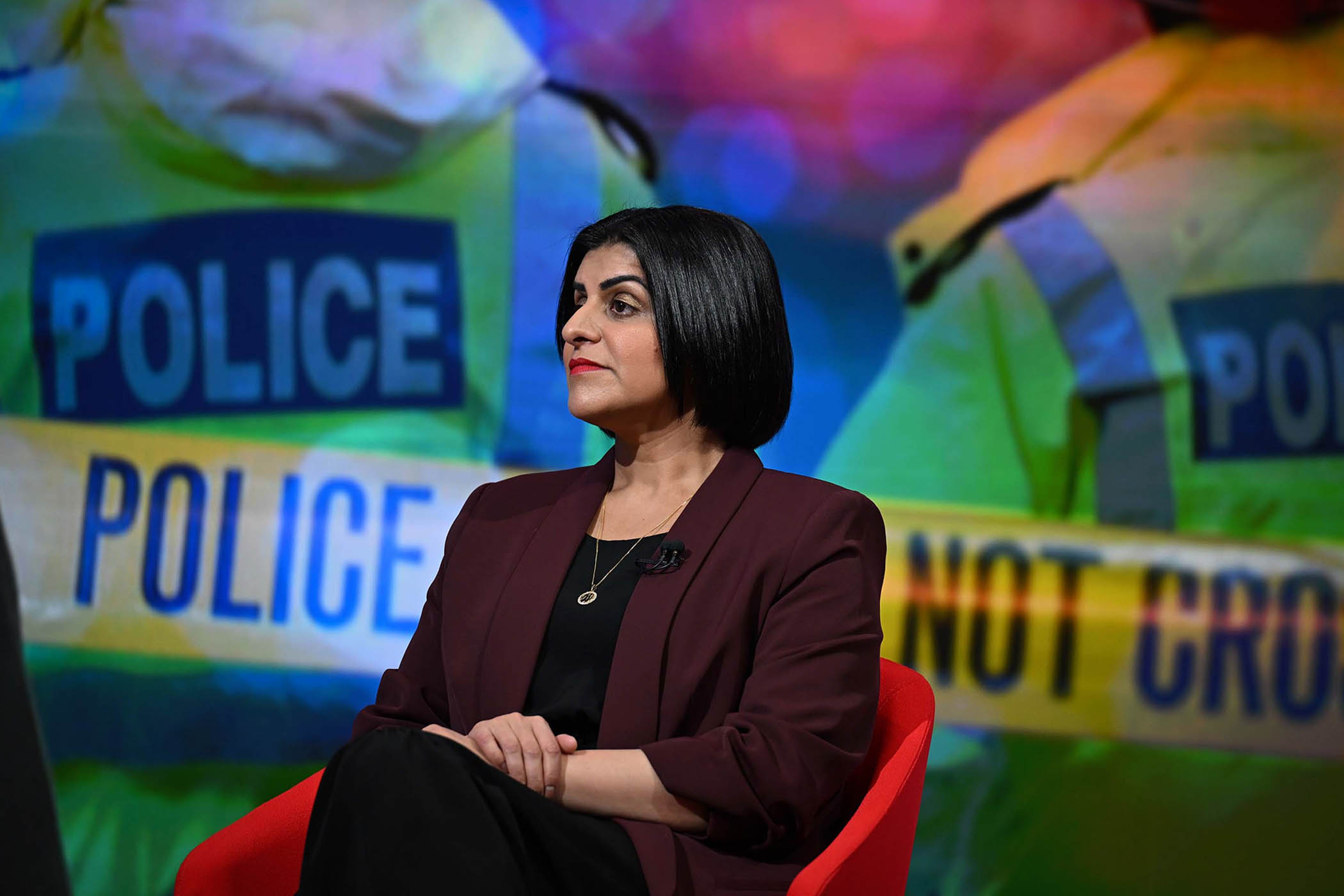
Home secretary Shabana Mahmood announced the plans ahead of the publication of an ambitious white paper on policing on Monday. “The current policing model was built for a different century,” she said. “Some local forces lack the skills or resources they need to fight complex modern crime, such as online child abuse or organised criminal gangs.
“We will create a new National Police Service – dubbed ‘the British FBI’ – deploying world-class talent and state-of-the-art technology to ... catch dangerous criminals.”
“In doing so, local forces will be able to spend more time fighting crime in their communities.”
The NPS will take on the work of Counter Terrorism Policing (CTP), the National Crime Agency and regional organised crime units.
The National Police Air Service, run by West Yorkshire Police, and the National Roads Policing will also be rolled into the new NPS, in an effort to alleviate financial and operational pressure on local forces and free up neighbourhood officers to deal with local crime including shoplifting and antisocial behaviour, the Home Office said.
The most contentious aspect announced so far is a “licence to practise policing”, described as a requirement for officers to demonstrate they “have the skills needed to fight crime”. It will mean those who repeatedly fall below a set standard will be sacked. The move was criticised by the Metropolitan Police Federation, the largest branch of the association for rank-and-file officers, which called it an “expensive, time-consuming, tick-box exercise”.
The Home Office also announced an investment of £7m to hire “top students from universities into specially trained graduate neighbourhood police officer roles”. The scheme aims to hire 280 officers by March, with half of these to focus on neighbourhood policing
Under the new measures, forces will be able to hire the “best and brightest talent” from other sectors into leadership roles.
Newsletters
Choose the newsletters you want to receive
View more
For information about how The Observer protects your data, read our Privacy Policy
Recognising the pressure on officers, the government said a dedicated mental health crisis line would also be set up so that officers and staff can access support.
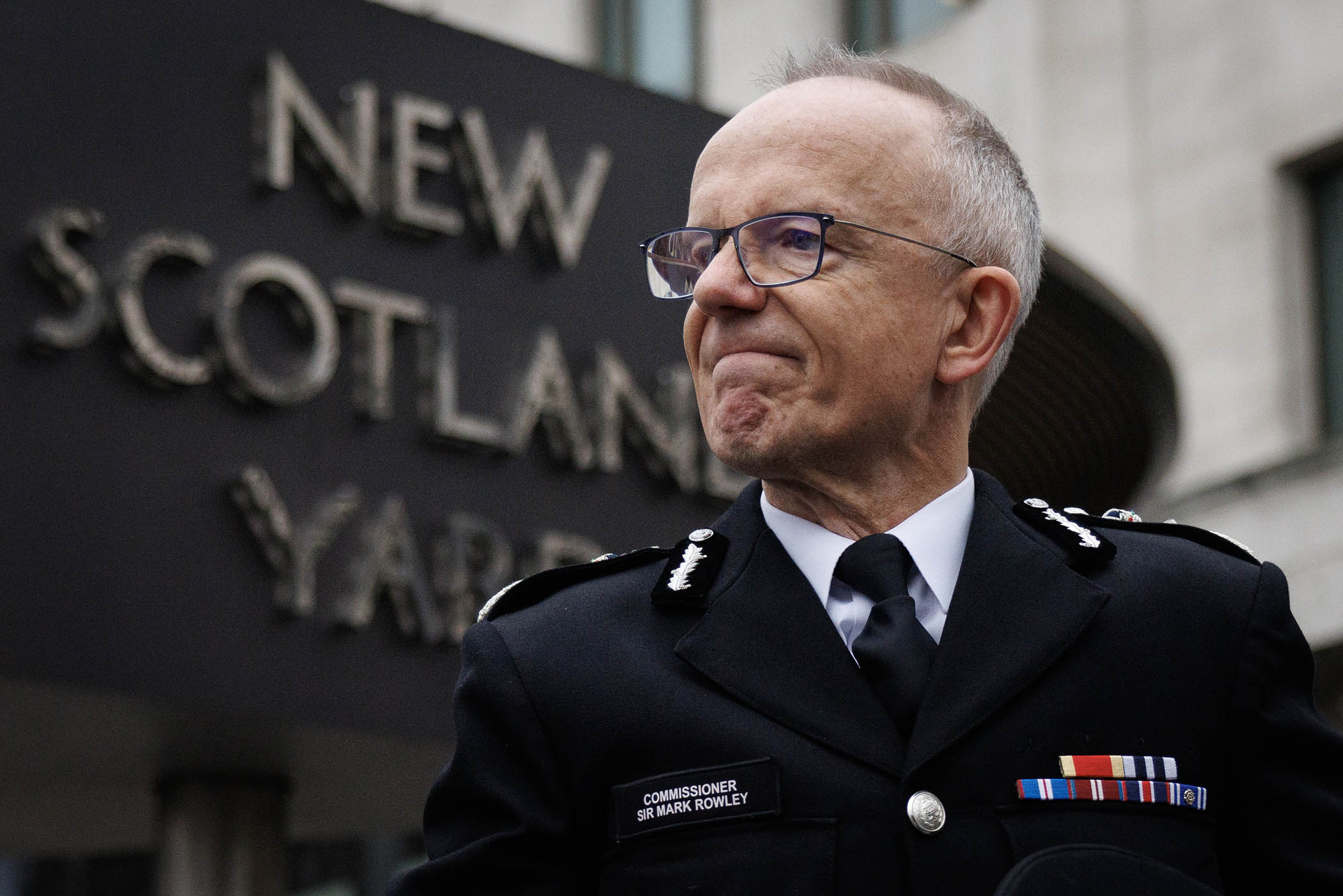
The commissioner of the NPS will replace the head of Scotland Yard, currently Sir Mark Rowley, as Britain’s most senior officer.
Alongside its operational duties, it will set standards and training for policing and take responsibility for procurement of technology such as facial recognition on behalf of all police forces.
Mahmood’s plans include the power for the home secretary to sack chief constables at failing forces and to send in “specialist teams” to turn around forces whose crime solving rates or response times are poor.
Mahmood’s plans to slash the overall number of forces from 43 to around 12 “mega-forces” has been expected for some time. The home secretary has previously said the structure of 43 forces in England and Wales is “irrational”, and police chiefs, such as Met Commissioner Sir Mark Rowley, have already called for radical reform of the set-up, with fewer, but larger, forces.
However, the Association of Police and Crime Commissioners (APCC) said creating regional forces would be expensive, time-consuming and risks separating forces from communities.
Ministers have already announced plans to scrap police and crime commissioners in 2028; mayors and council leaders will take responsibility for policing arrangements.
The NPS has already received support from the heads of the Met and NCA. Former CTP head Neil Basu said yesterday that the new force would deal far more effectively with major crime, organised crime and terrorism.
Photograph by Jeff Overs/PA