Andrew Mountbatten-Windsor was removed as a trade envoy after concerns grew in Whitehall about his relationship with Jeffrey Epstein, raising fresh questions about the royal family’s failure to challenge his behaviour and associations.
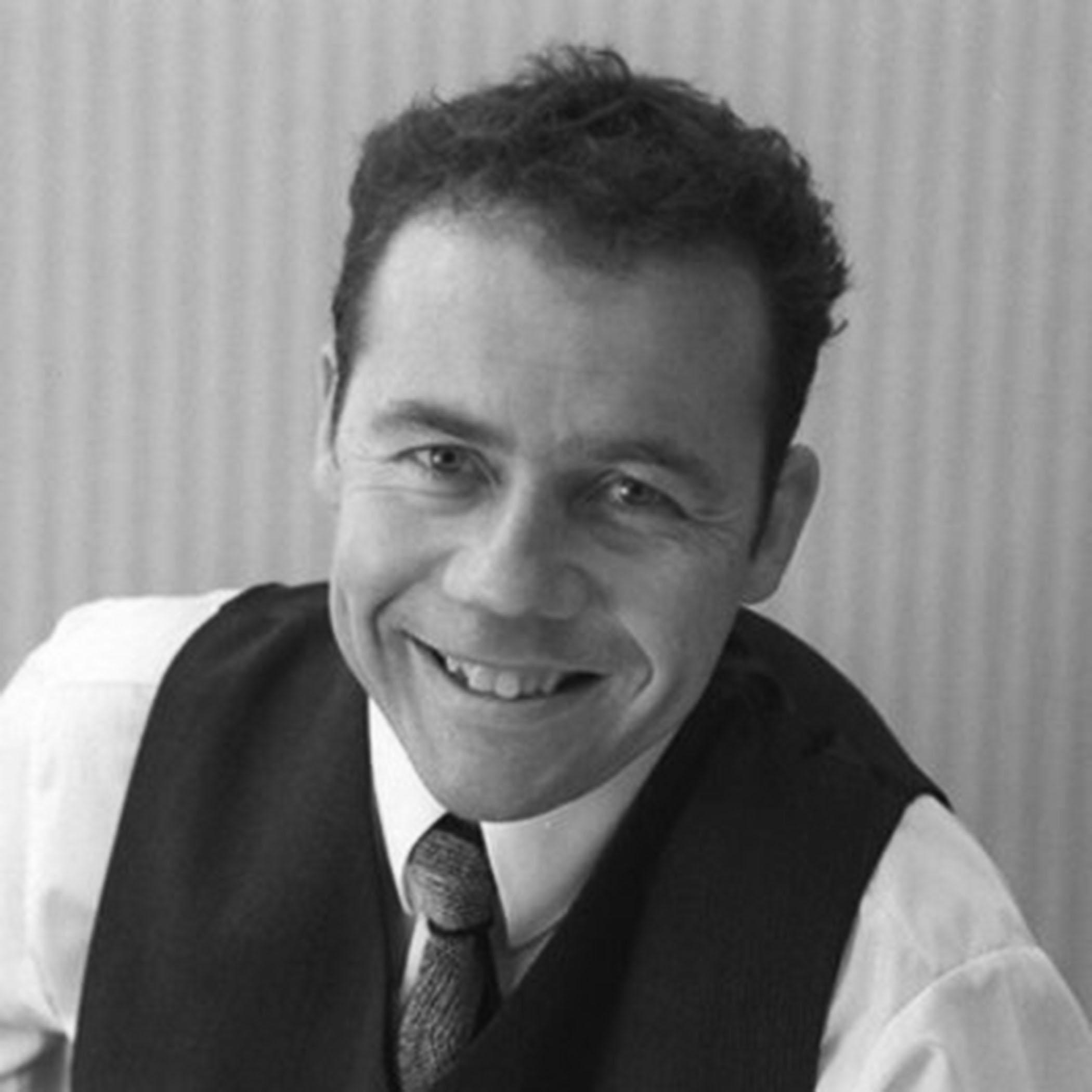
Vince Cable, who was business secretary in 2011, said the coalition government decided to sever links with the former Duke of York following publication of the photograph of him with his arm around Virginia Giuffre, the young woman who claimed she was trafficked to London for sex.
“There was quite a lot of discussion in the office about what we should do about it,” Cable told The Observer. “The private view was that Andrew was thought to be a bit of a freeloader who wasn’t very useful, and we’d rather not have any dealings with him. But because he was royalty, the official line was that, of course, he was doing a wonderful job. The discussion was about ‘in view of the bad publicity that’s just emerged, should he continue as the trade envoy?’ And I think the view was ‘no’, but it was complicated because somebody would have to tell Buckingham Palace. It was very politically sensitive and would have to involve the prime minister and Buckingham Palace before it was all sorted out. It was seen as a very tricky thing to handle.”
A senior Whitehall source confirmed that Mountbatten-Windsor agreed to give up his role as a trade envoy following a conversation between David Cameron and the late queen. “The situation was that it wasn’t working,” said one of those involved. “The feedback from various ambassadors and consuls was that this was counterproductive and therefore it was agreed by the prime minister and the queen that it was time for him to stand down.” Another senior figure in the coalition government said officials had raised concerns about the former prince’s “dubious friends”.
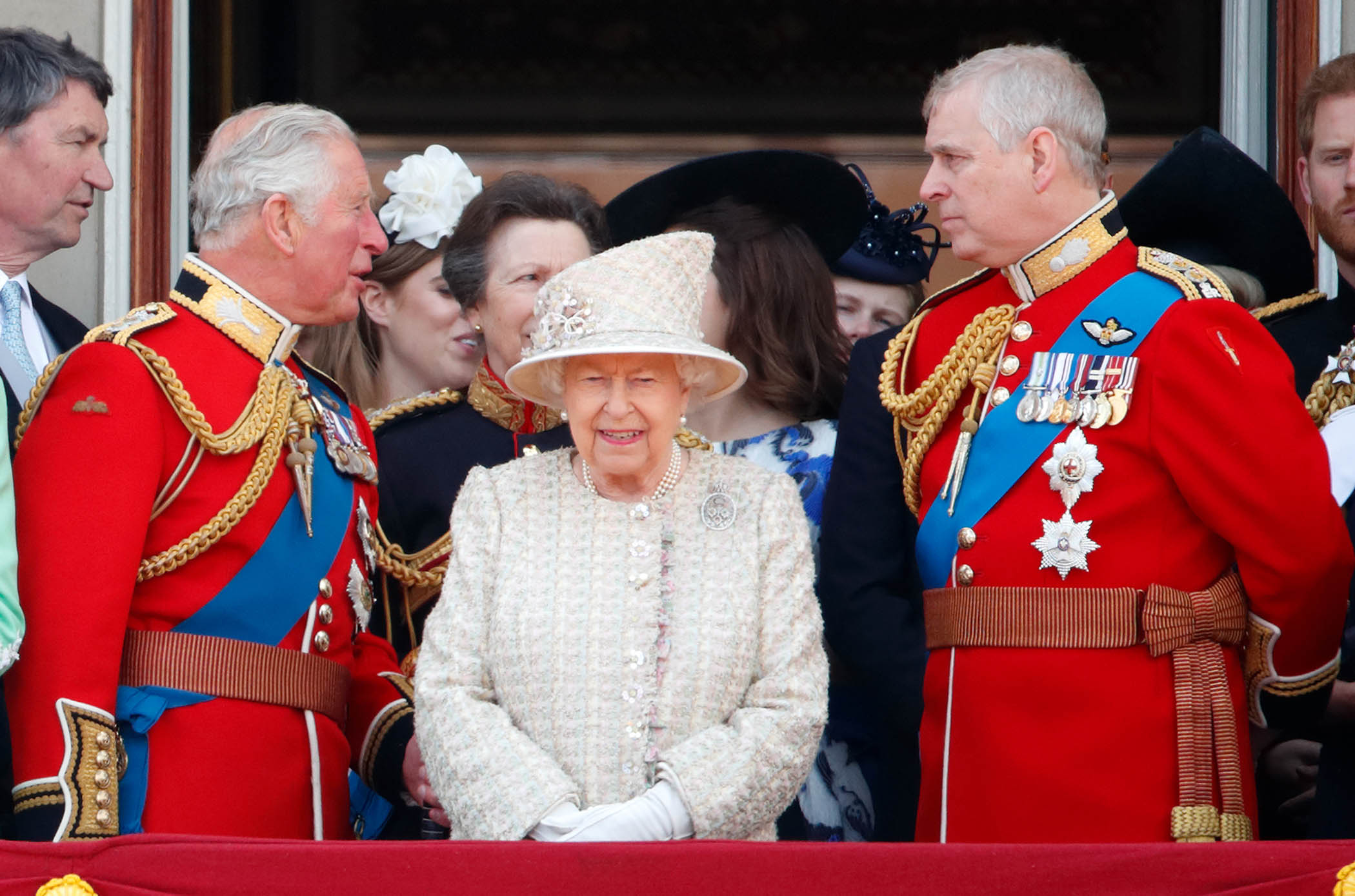
The extent to which alarm bells were ringing at the highest level in 2011 will raise questions about whether the royal family protected the former prince for too long and did not challenge or scrutinise his often controversial activities. The way in which Mountbatten-Windsor’s time as trade envoy was brought to an end also puts the spotlight on the late queen, who was instrumental in securing the role for him in 2001.
The king has tried to contain the scandal by stripping his brother of his titles and evicting him from his home at Royal Lodge, on the Windsor estate, but the royal family now faces being dragged into the police investigation.
Mountbatten-Windsor was arrested on suspicion of misconduct in public office by officers investigating allegations that he leaked confidential information to Epstein while a government trade envoy.
Cable said he was “horrified” to find that when he was in the cabinet the former prince had allegedly been forwarding sensitive government documents to the convicted paedophile. “There was a big visit to China [in November 2010] and I was part of that. I now realise that Andrew seems to have been there the previous month doing his own negotiations and that nobody had told us about it. When I heard that the reports [about that visit] had apparently been fed to Epstein and his friends I was particularly outraged.”
‘Andrew was seen as a bit of a freeloader... but the official line was that he was doing a wonderful job’
‘Andrew was seen as a bit of a freeloader... but the official line was that he was doing a wonderful job’
Vince Cable
Another former Whitehall grandee recalled numerous gripes about Mountbatten-Windsor’s behaviour on foreign visits as trade envoy. “Ambassadors would complain that they’d set up big receptions, and he’d arrive late and only talk to the young women and then leave early. It left everyone feeling short-changed.”
The taxpayer-funded trips involved “an awful lot of personal time” for the former prince, the source added. “All royal visits tend to have quite large entourages but if you’re getting a tremendous positive impact it is worth it. When Charles was Prince of Wales, he would put immense time into leaving everyone feeling delighted to have met him. Princess Anne and Prince Edward were the same. The problem with Andrew was that the cost-benefit analysis wasn’t the same. He didn’t put much into it, frankly, and his personality often left bruises behind.”
Newsletters
Choose the newsletters you want to receive
View more
For information about how The Observer protects your data, read our Privacy Policy
When he was asked to host a banquet in London for a visiting delegation from India, the request backfired. One former minister said there had been “grumbling” about his behaviour. The government “got some complaints afterwards that he’d not been a great host and was a bit rude,” said one of those who was involved.
Mountbatten-Windsor is likely to be removed from the line of succession after both Keir Starmer and Buckingham Palace indicated their support for the move. The former prince ceased to be a working member of the royal family in 2019 and was stripped of his royal titles last October but he remains eighth in line to the throne.
Harriet Harman, UK special envoy for women and girls and the former deputy Labour leader, said: “There's got to be a complete drawing of the boundaries on this sort of behaviour. For the same reason that he’s been stripped of his royal titles, he needs to be stripped of the succession.”
MPs will this week debate the former prince’s role as a government trade envoy. The Liberal Democrats plan to use an opposition day debate on Tuesday to force a Commons vote seeking to overhaul parliament’s arcane rules that prevent MPs criticising the royal family and secure more transparency around Mountbatten-Windsor’s time as trade envoy.
Two months before Britain is set to mark the centenary of Queen Elizabeth II’s birth by committing up to £46m of taxpayer money for a national memorial to her in St James’s Park, London, royal insiders fear that her legacy risks being tarnished by her reluctance to act against Mountbatten-Windsor, often described as her favourite son.
After years of damaging headlines about Epstein, she finally forced him to step away from official duties in 2019 and is rumoured to have helped fund a £12m out-of-court settlement for his accuser Giuffre in 2022.
The royal household, which refuses to say where exactly the money came from for the payoff, has given the impression that the queen and her staff relied on Mountbatten-Windsor’s denials and did not pry further. The family was keen to have the matter resolved to protect the former prince’s dignity and that of the queen in her platinum jubilee year.
She is said to have persuaded the Duke of Kent to stand down from the position of special representative for trade and investment to make way for Andrew in 2001. Charles reportedly opposed the appointment, arguing that his brother should do a form of apprenticeship under him before undertaking fulltime royal duties.
There was also concern in parliament from MPs and peers who feared Mountbatten-Windsor would use the officially unpaid role to rack up huge expenses travelling around the world and enjoying a playboy lifestyle while making money for himself and his friends. But their worries were waved away by ministers in the Blair government. Peter Mandelson, who was forced to quit as British ambassador to Washington in September last year over his links to Epstein, was said to have been instrumental in ensuring the former prince got the job.
As attention turns to the queen’s legacy and the mess left behind for Charles to deal with, the government has insisted it has no intention of changing the planned memorial to her in St James’s Park. “We’re pressing on with it,” a Cabinet Office spokesperson said, adding that the final plans will be unveiled in April.
But some critics have argued it should not be erected at a cost to the taxpayer. Norman Baker, the former Liberal Democrat home office minister, said: “If the memorial is built, it should be built by the royal family at the royal family’s expense.”
Luke Tryl, UK director of polling group More in Common, said the Epstein scandal had deepened public hostility to traditional politicians and institutions. Four in five Britons believe elites follow a different set of rules from the rest of the population. “Rather than an immediate threat to the monarchy, the real risk is that this fuels the sense that there’s a rigged system,” Tryl said, “with one rule for the elite and another rule for everyone else.”
Photograph by Max Mumby/Indigo/Getty Images