
The government has narrowly averted a major showdown with its own MPs, including a clutch of threatened resignations in the next few weeks, after watering down its plans to impose inheritance tax on smaller farms.
The Department for Environment, Food & Rural Affairs (Defra) revealed just before Christmas that the threshold for the new tax was being raised from £1m to £2.5m.
As a result, the number of estates that will be affected in the first year after the new tax kicks in from April has halved to around 185, down from 375, according to official estimates.
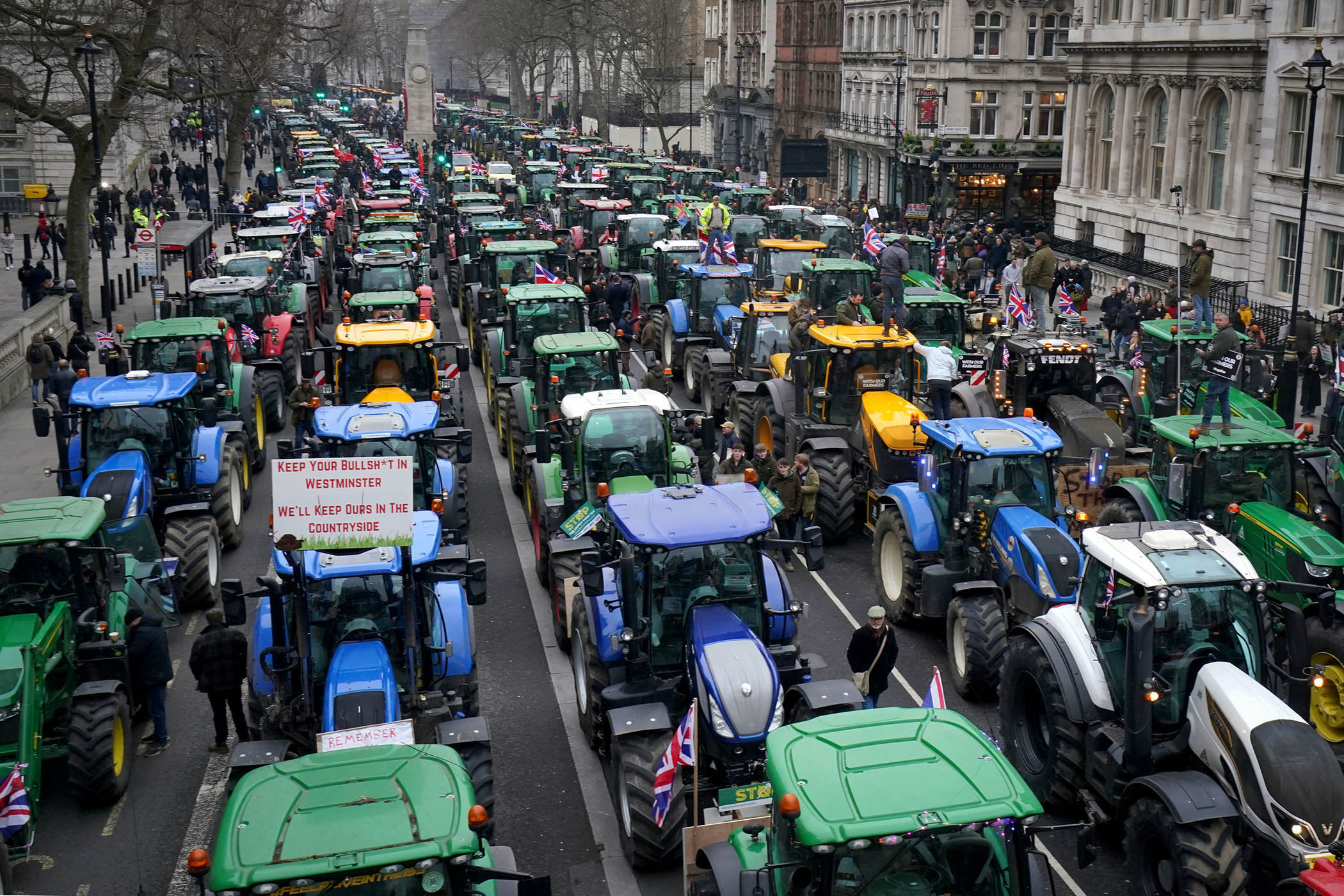
The plan was deeply unpopular within rural communities, resulting in regular tractor protests outside parliament and Labour MPs being “banned” from local pubs. It also attracted high-profile opposition from the likes of TV presenter Jeremy Clarkson, who owns a farm near Chipping Norton, Oxon.
Behind-the-scenes pressure from Labour backbenchers and junior members of the government who represent rural constituencies appears to have forced the change, with the new Rural Research Group driving some of the opposition.
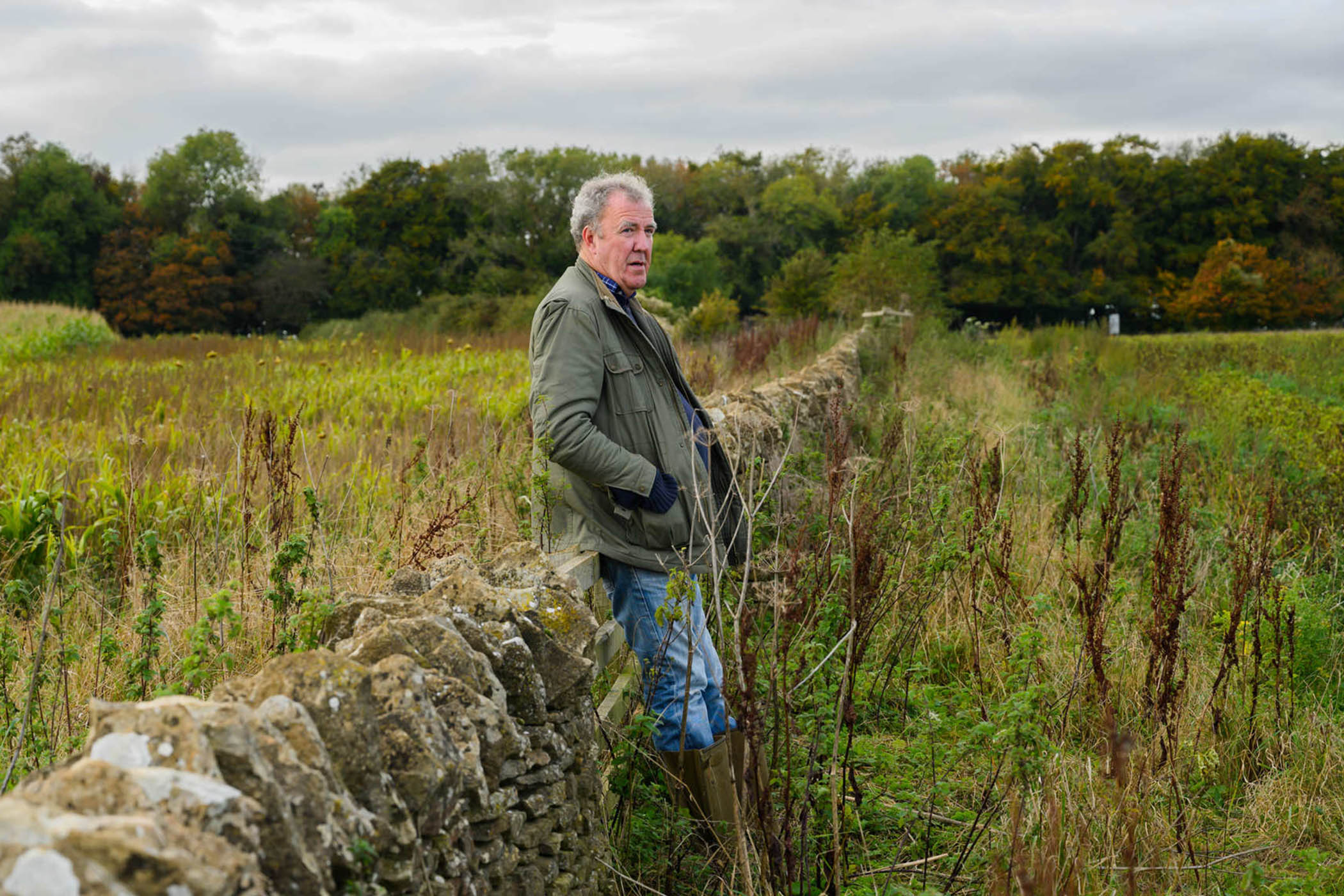
Jeremy Clarkson was among high-profile opponents who protested against the taxation proposals
Around 40 MPs had indicated that they were planning to back an amendment to the finance bill, which puts the budget into law, next month while others were planning to abstain – moves that could potentially be treated as confidence matters. Already Markus Campbell-Savours, backbench MP for Penrith and Solway, had the Labour whip suspended for voting against the tax at the start of December.
Several parliamentary private secretaries – MPs who act as unpaid assistants to government ministers – were understood to be considering resigning to back the amendment.
The row has further exposed how vulnerable the centre of government now is to threats of rebellion from within, not least from a cohort of new MPs. One of those involved told The Observer: “You’ve proven if you can mobilise 40 MPs, you can get Keir to bend…
“Rachel [Reeves] thought she could win it because rural MPs are generally new and less organised than the Red Wall but… it spread just by people having cups of tea.”
This U-turn is just the latest in a series of tricky policies that the government has backed away from amid opposition from its own backbenchers, including the winter fuel allowance, the two-child poverty cap and welfare reform. Starmer reportedly overruled his chancellor on the final decision. Just days before the U-turn, when questioned about terminally ill farmers who were “planning to expedite their own deaths” before April, the prime minister acknowledged that he had “had discussions with a number of individuals” on the policy.
Newsletters
Choose the newsletters you want to receive
View more
For information about how The Observer protects your data, read our Privacy Policy
A No 10 spokesperson said they “did not recognise” suggestions that a looming rebellion had forced the change. “The motivation was concern for family farms,” they said, adding that Starmer and Reeves “agreed it together”.
Photograph by Gareth Fuller/PA and Amazon Prime