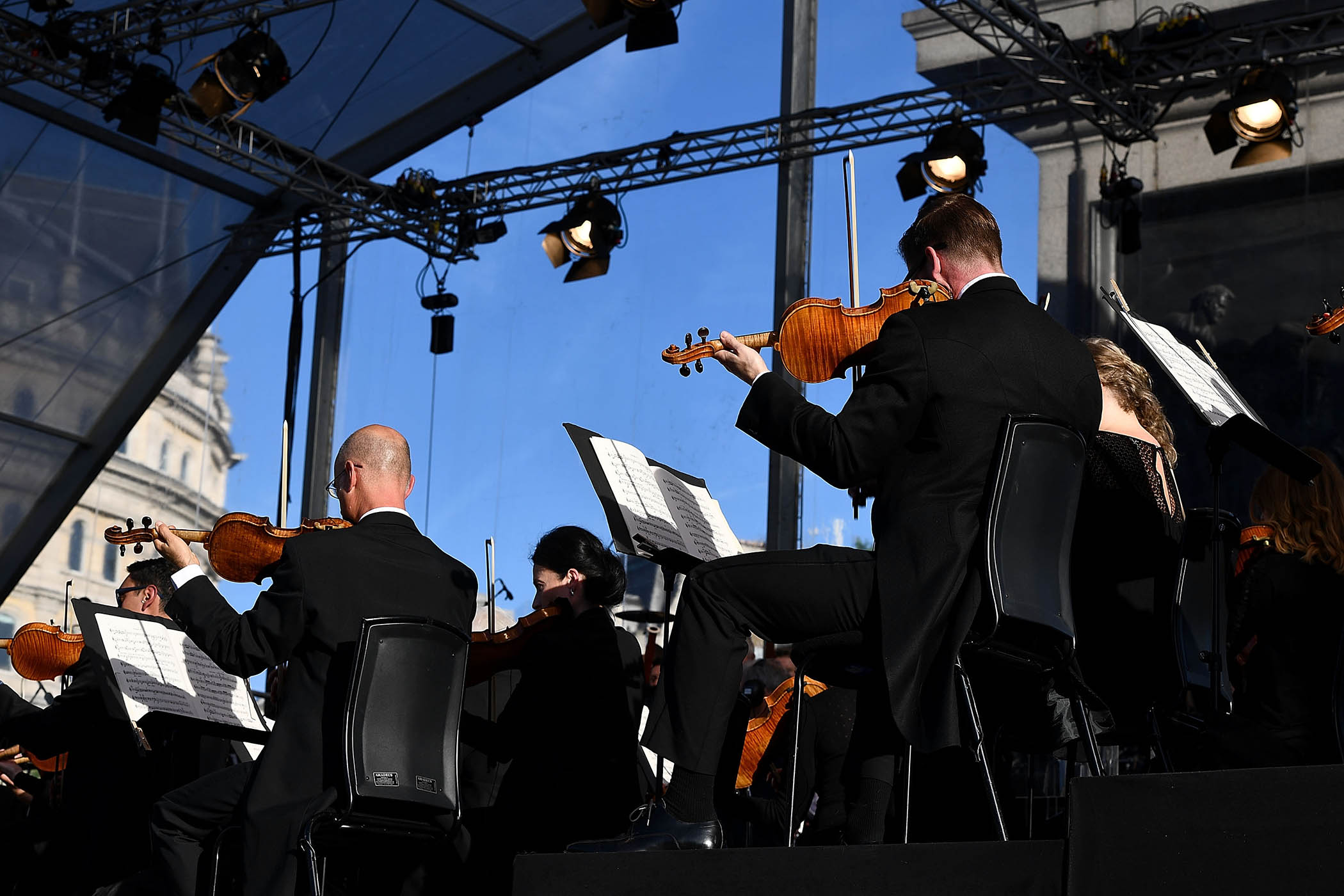

Lloyd’s of London, one of the world’s oldest insurance companies, has commissioned a requiem mass to memorialise the lost lives of enslaved Africans and to acknowledge its part in the history of the “objectification, commodification and dehumanisation” of enslaved people.
The libretto of Atlantic Requiem, which will be performed for the first time this autumn by the London Symphony Orchestra and the BBC singers, has been drawn jointly from the text of the Catholic requiem mass, from documents held in Lloyd’s own archive and from American legal testimony from 1791.
In 2023, Lloyd’s said it was “deeply sorry” after an independent report exposed the “significant” role it played in enabling the transatlantic slave trade by insuring shipowners and protesting against its abolition. At the time, the City firm said it would invest £40m in helping impacted communities – although campaigners accused Lloyd’s of “reparations washing”, arguing it needed to do more. Lloyd’s has previously disputed this characterisation of its response.
‘My hope is that the Atlantic Requiem will provide a vehicle for others to express sorrow at this loss of life, this blindness to true value, this waste of potential’
‘My hope is that the Atlantic Requiem will provide a vehicle for others to express sorrow at this loss of life, this blindness to true value, this waste of potential’
David Önac, composer
The new requiem was written by Manchester-based composer David Önaç using parts of the traditional requiem mass as a way to pay his respect to lost enslaved souls. It also to reflect the compromised role of Christianity in the history of enslavement, through its religious conversion of Indigenous people and the use of biblical texts to justify slavery.
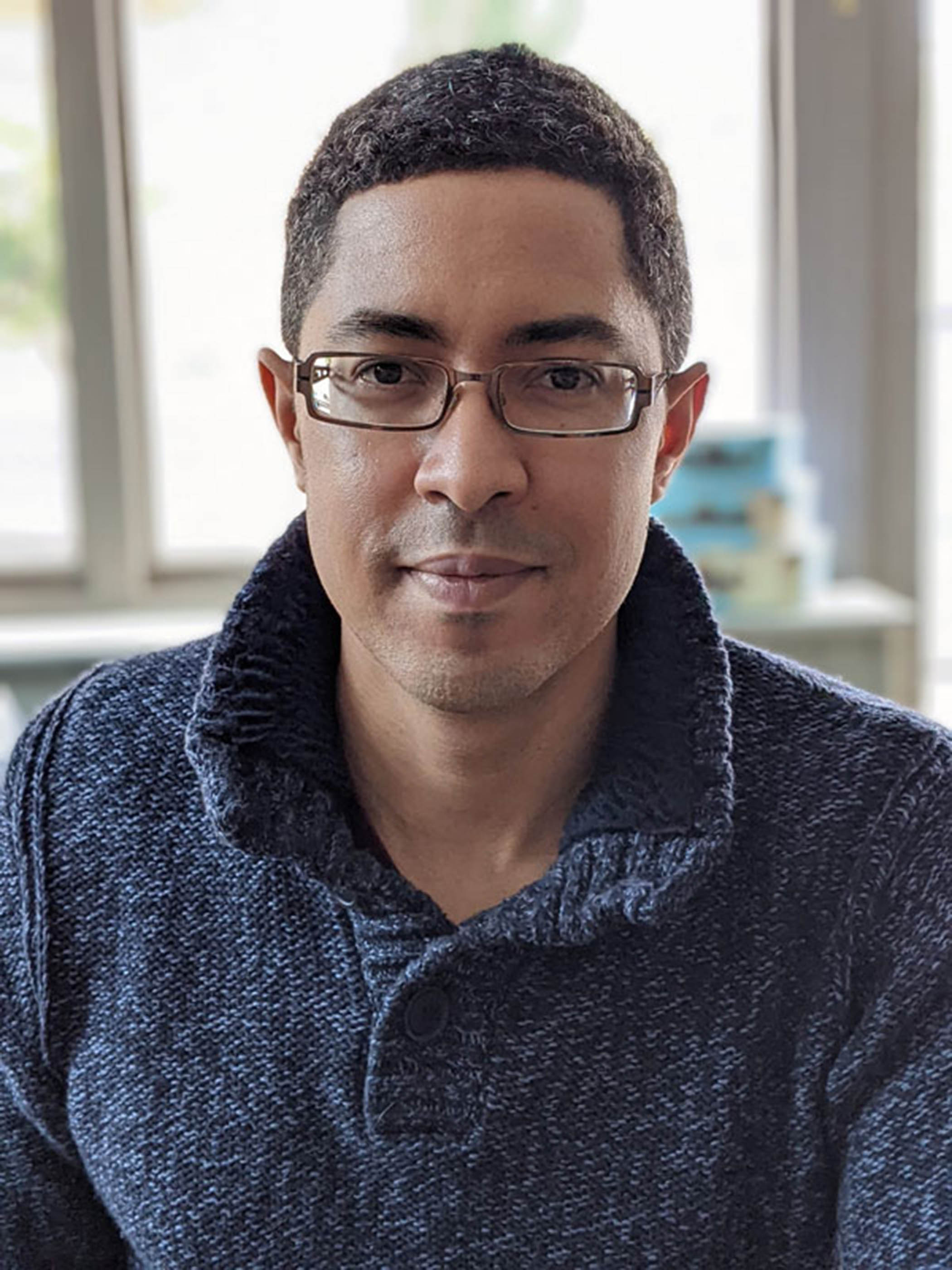
David Önac has been commissioned to compose the Atlantic Requiem.
“My hope is that the Atlantic Requiem’s combination of text and music will provide a vehicle for others to express sorrow at this loss of life, this blindness to true value, this waste of potential,” Önaç said.
The work was commissioned by the arts and heritage charity Cuture& in partnership with Johns Hopkins University in Baltimore, and with the support of Lloyd’s. When it premieres on 11 October at St Luke’s, London, it will also be live-streamed to the music conservatoire at Johns Hopkins and will be recorded and released on the LSO Live label on CD and for streaming.
The firm, which traces its roots back to Edward Lloyd’s founding of an insurance business in a coffee house on Tower Street in the City of London around 1689, also commissioned Prof Alexandre White of the scholarly research organisation Black Beyond Data to investigate further its historic role in insuring the ships and the enslaved people who were trafficked across the Atlantic during the 18th and 19th centuries.
The findings were published online in a digital humanities archive Underwriting Souls, in a project funded independently by the Mellon Foundation. Lloyd’s then published its response, “Inclusive Futures”, setting out a programme to support black and ethnically diverse groups “from the classroom to the boardroom”.
The artistic director and CEO of Culture&, Dr Errol Francis, said the research by Johns Hopkins University had shown how central the maritime insurance business was to the City of London and to the whole British economy. “The huge profits generated by slavery supported the growth of British industry and commodity markets for goods, such as sugar, rum and cotton,” he said.
Prof Alan Lester, an expert in historical geography in the School of Global Studies at the University of Sussex, said: “There have been reparations claims ever since the [Slavery] Abolition Act and the payment of compensation to slave owners rather than to the enslaved. Lloyd’s of London has committed about £52m as well as making an apology and symbolic gestures like this. But as far as many activists are concerned, for an entity that made £5.9bn in 2023 and was first taken to court [in 2004] by African-American descendants of those whose trafficking it underwrote, it is too little too late.”
Newsletters
Choose the newsletters you want to receive
View more
For information about how The Observer protects your data, read our Privacy Policy
Photograph by Ivan Gavan/Getty Images