The climb up to the 23rd floor of Grenfell last year was gruelling. As we ascended the tower, which burned in the inferno on 14 June 2017, taking 72 lives, the soot on the stairwell walls became more intense. Farhad Neda and I were making our way to the flat where he had grown up, for a final goodbye.
He was filming on his phone. He wanted a physical record of what was etched on his mind over the previous eight years. He would point to the corners of the propped and bare, blackened walls. “Here’s where the sofa was.” “Over there, the fishtank.” And: “Here is where I saw my father for the last time.”
On 5 February 2025, the former deputy prime minister Angela Rayner announced the government’s decision to “carefully take down” Grenfell Tower. It was a difficult decision to make, and accept, but there were very good reasons for it that could no longer be ignored. With it came the invitation for the immediate families to make a final pilgrimage.
Farhad, being one of only two survivors from the top floor, where the majority of fatalities had occurred, was ready to go in to relive that night; the night his father stayed behind to help four women who had taken refuge in their flat, telling Farhad to take his mother: “You go, I’ll be right behind you.” Saber Neda did not make it. He left a voicemail saying goodbye to his family – and then jumped.
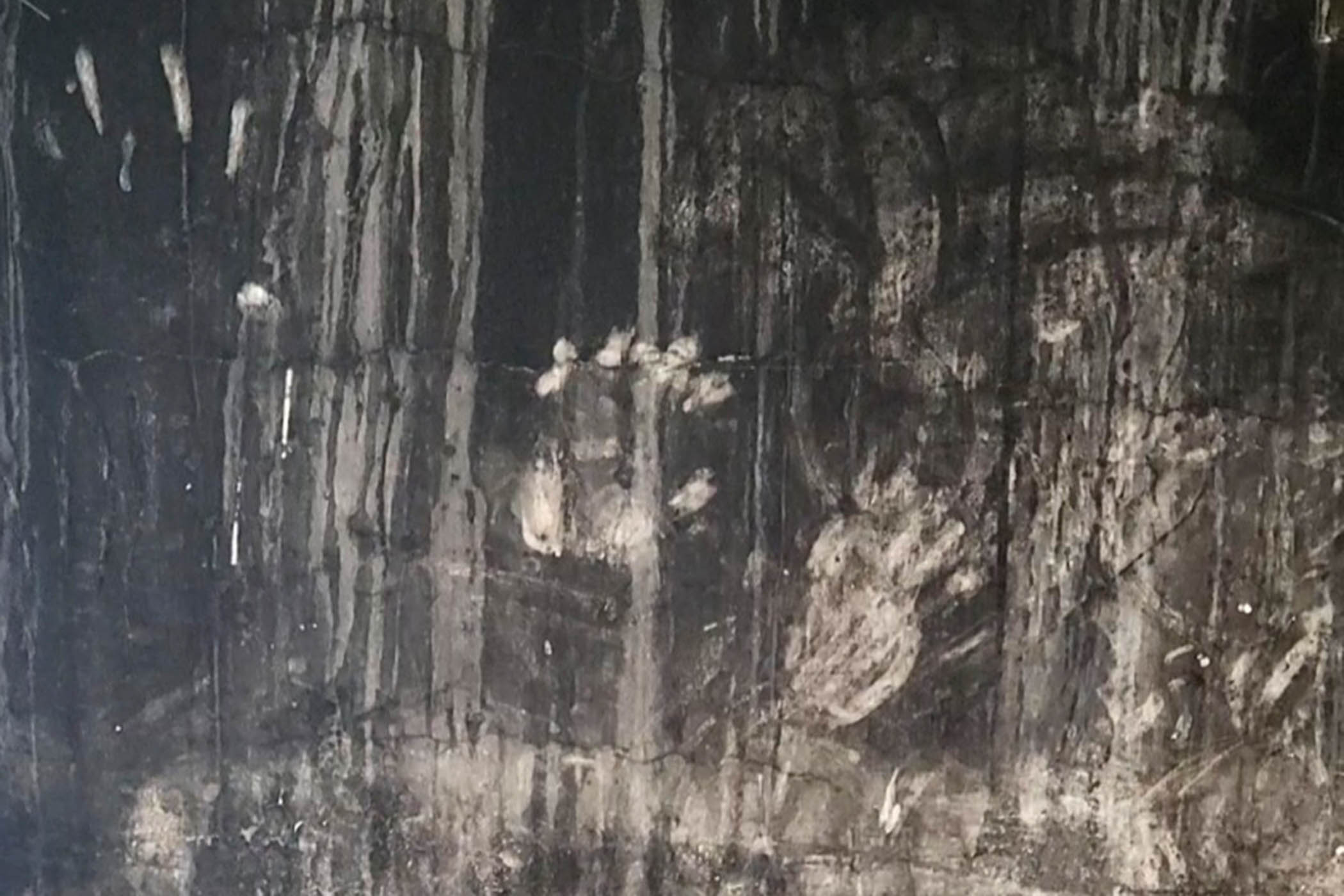
On 12 July 2025, Farhad and I stood at the foot of the tower. I had already been inside with a number of other families. Each one stopped at the same points on the journey: at the Arabic inscription “Allahu Akbar” (God is greatest) between the 17th and 18th floor in the stairwell, and at the handprints on the wall between floors 12 and 14.
Farhad also came to a standstill, noting the prints were “from the night of the fire”. We laid our hands on them. “The soot comes off even now after eight years. The soot is still there,” he said. As is the pain for you, I thought.
Each time families visited, I would be asked to request that this section of wall be saved. “It speaks in the way that words fail,” said Karim Khalloufi, who lost his sister Khadijah in the fire.
So I made the request on the families’ behalf, imagining no further justification was necessary, given the assurances by Rayner that “materials from the site, communal areas of the tower, or parts of the tower can be carefully removed and returned for inclusion as part of the memorial”, and the statement by the Grenfell Tower Memorial Commission report of November 2023 that “it is unthinkable that any elements of Grenfell Tower will be disposed of or destroyed without consultation, in particular with bereaved families and survivors, and this will not happen”.
Yet the “unthinkable” was about to happen. After months of no response to the request, the Ministry of Housing, Communities and Local Government replied. It would “take a photograph” of the Allahu Akbar inscription, it said, before the tower’s demolition.
We were outraged. You don’t have to be a therapist or historian to know that removing the things that hold collective memory is brutal vandalism.
Newsletters
Choose the newsletters you want to receive
View more
For information about how The Observer protects your data, read our Privacy Policy
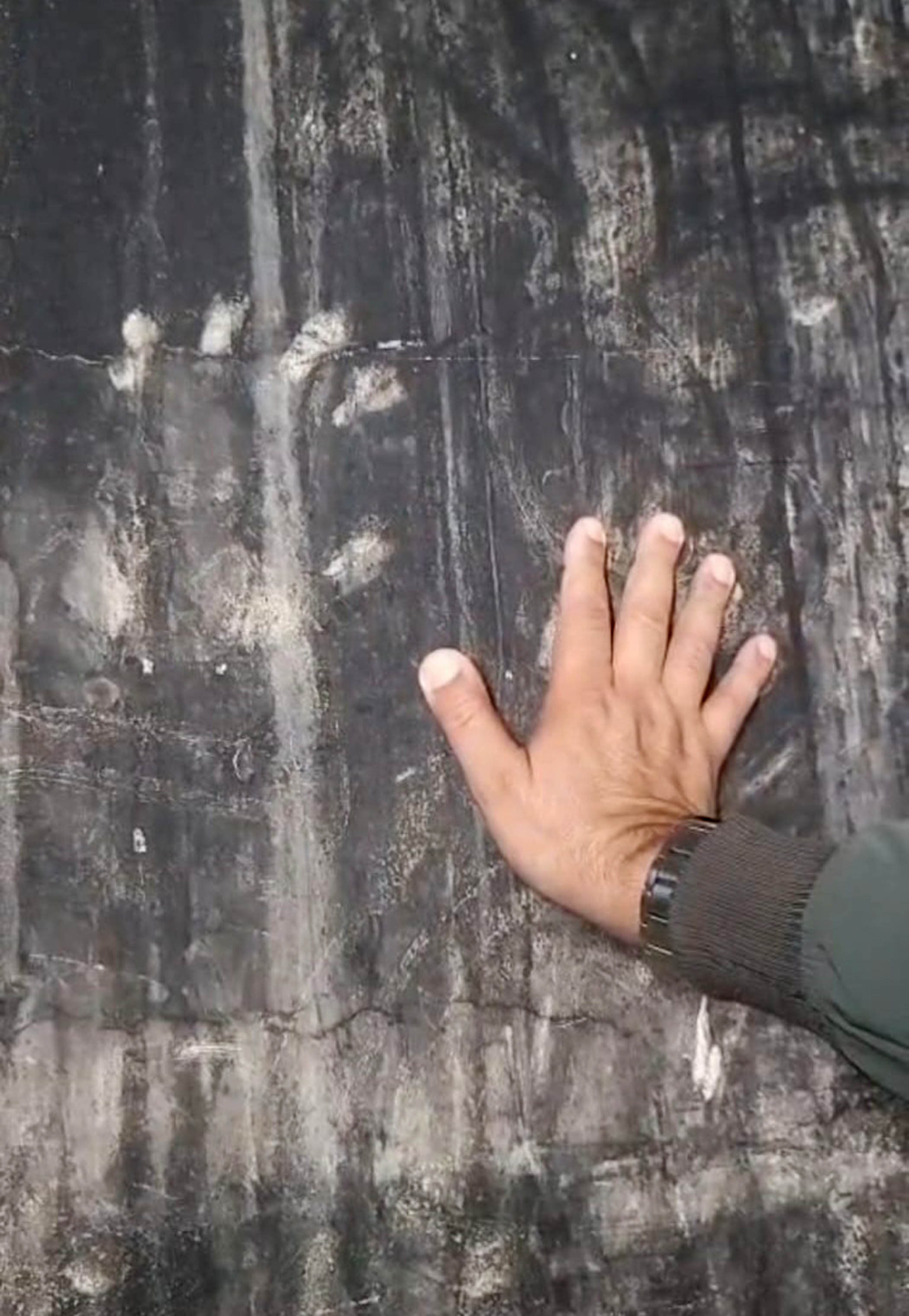
Karim with one hand on top of the handprint
At a loss, we reached out to the experts. Kjell Brataas, a specialist in disaster memorialisation, said that “preserving these elements was ‘crucial’, not only as a powerful visual record of what occurred, but also as an essential element for future memorialisation, historical authenticity and the psychosocial wellbeing of those affected”.
Prof Lucy Easthope, an adviser on disaster recovery, highlighted that preservation of symbolic items is recognised as “best practice both internationally and in the UK”.
Meanwhile, the demolition work had started in September and was rapidly descending, a floor a month.
Karim asked his solicitor Daniel Cooper for help. The civil servants were not listening. Rayner was no longer at the helm. Cooper agreed immediately and took on the case pro bono. A pre-action legal letter was sent to the secretary of state for housing, communities and local government, Steve Reed, on 25 February.
The Arabic inscription has already been turned into rubble and buried – but the handprints still exist and must be saved.
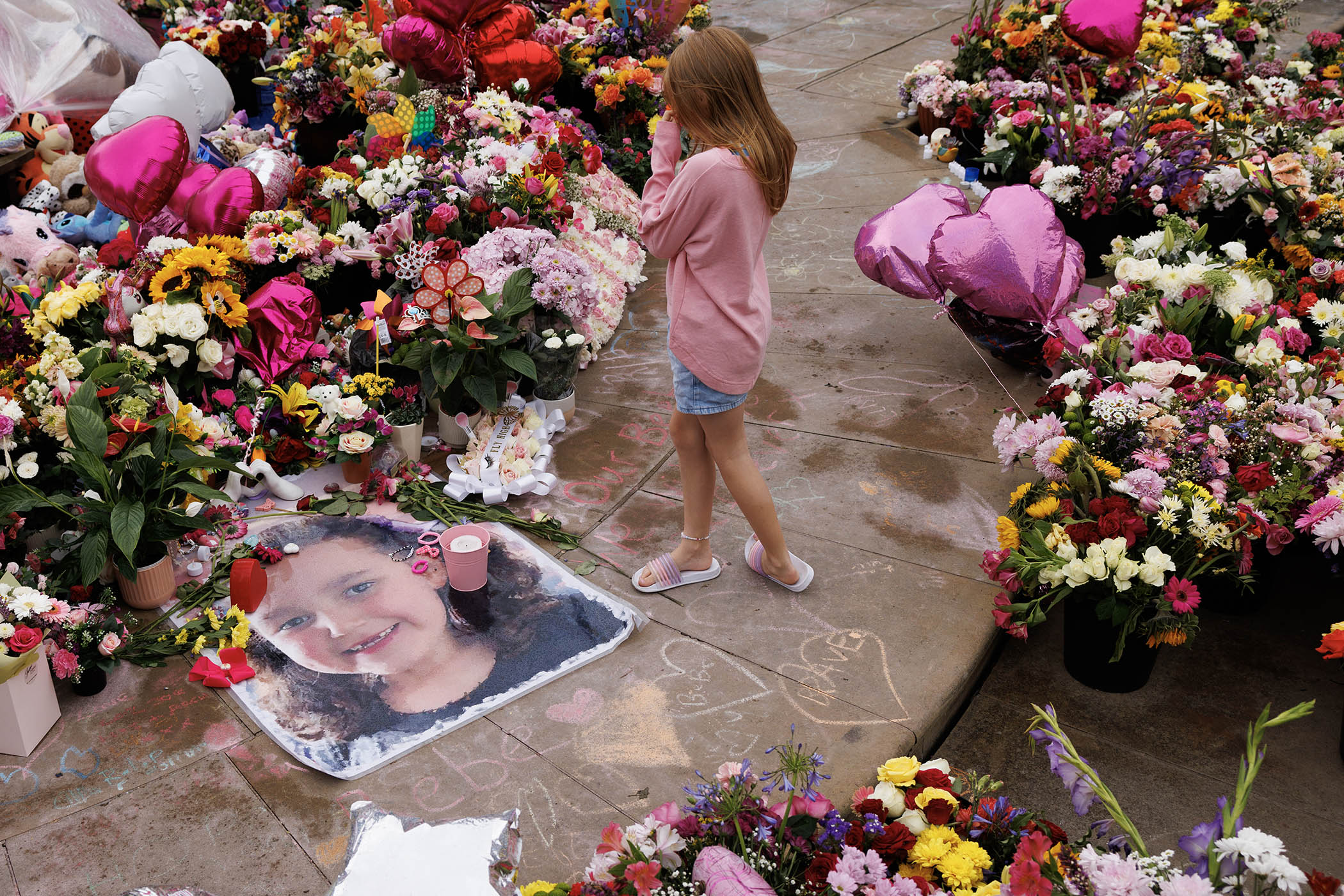
With uncanny timing, Reed announced last Wednesday that the government will rush through a bill to produce the equivalent of a blank cheque for the building and funding of the Grenfell memorial in perpetuity – a memorial for the victims and their kin.
The wall handprints are as symbolic as the concept of the Unknown Warrior
The wall handprints are as symbolic as the concept of the Unknown Warrior
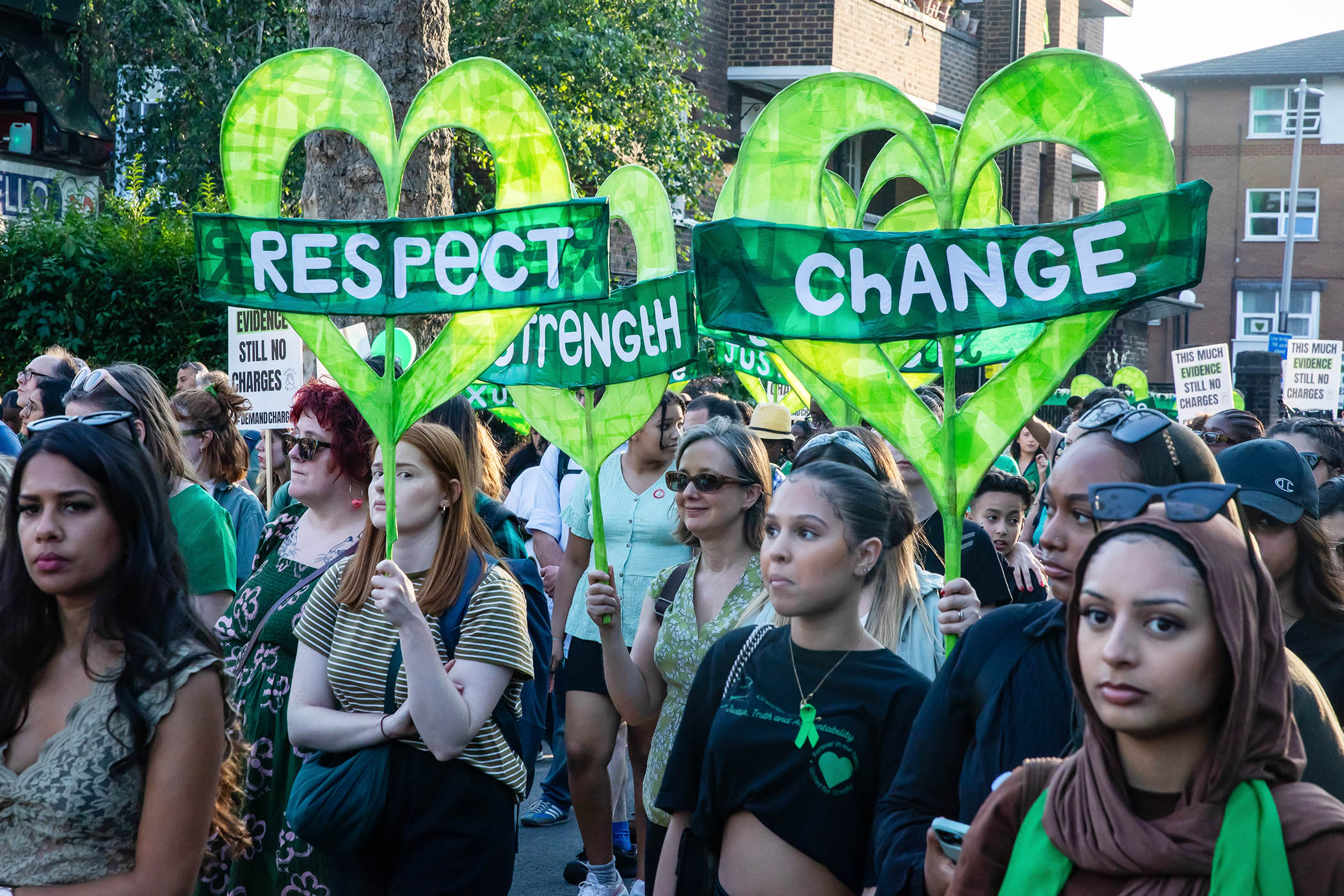
But the issue of who it is for is raw. “This is not a memorial for us,” Farhad said. “It’s been hijacked just like everything else.” Karim is shaken to the core. “They took our kin, then they took away our voice, they took away our justice; now they want to take away the truth and reality of that night and sanitise it, and charge it to the taxpayer to foot a blank cheque for a memorial that is not for us. Not in our names.”
The co-chairs of the Grenfell Tower Memorial Commission, Labour peer Paul Boateng and Thelma Stober, say they have only just become aware of our preservation request – seven months after the commission was informed in writing. They say they have now made their views clear to the ministry “in the strongest terms” and have “respect for the views of next of kin and bereaved”, and that the handprints wall should be saved.
We are now just days away from the irreversible destruction of those handprints – as symbolic as the concept of the Unknown Warrior. It’s time for Reed to show his hand. It’s never too late to do the right thing.
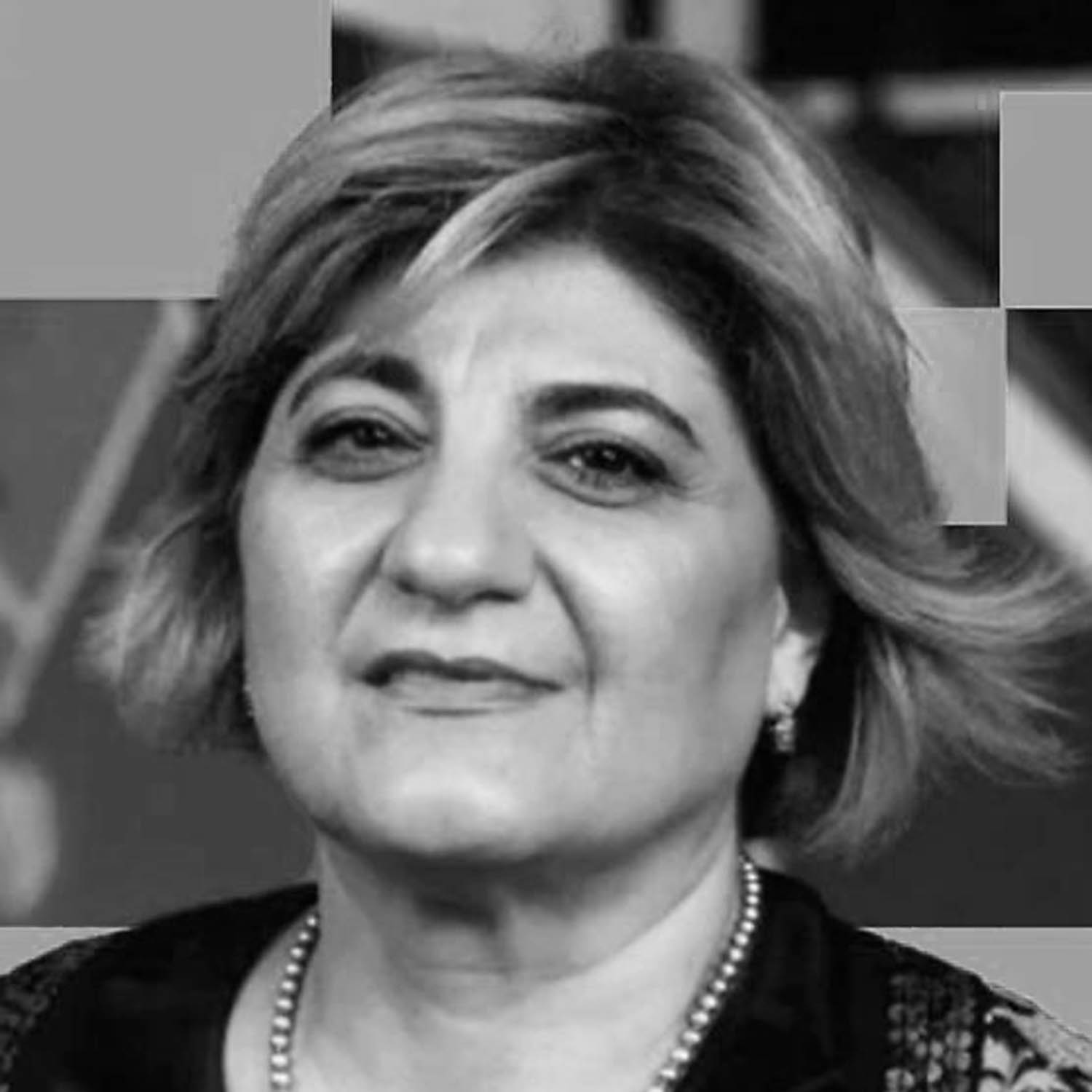
Kimia Zabihyan is an advocate for Grenfell Next of Kin
Photography by Karim Khalloufi