
Last week saw the release of Spotify Wrapped, a decade-old December tradition in which the streaming platform gives users a summary of their year in music. It is a chance for people to rejoice or despair at their reflected habits, to compare their “listening ages” and the number of times they put on the Wicked soundtrack. But for all the idiosyncrasies of each listener’s experience, there was a notable collective data point.
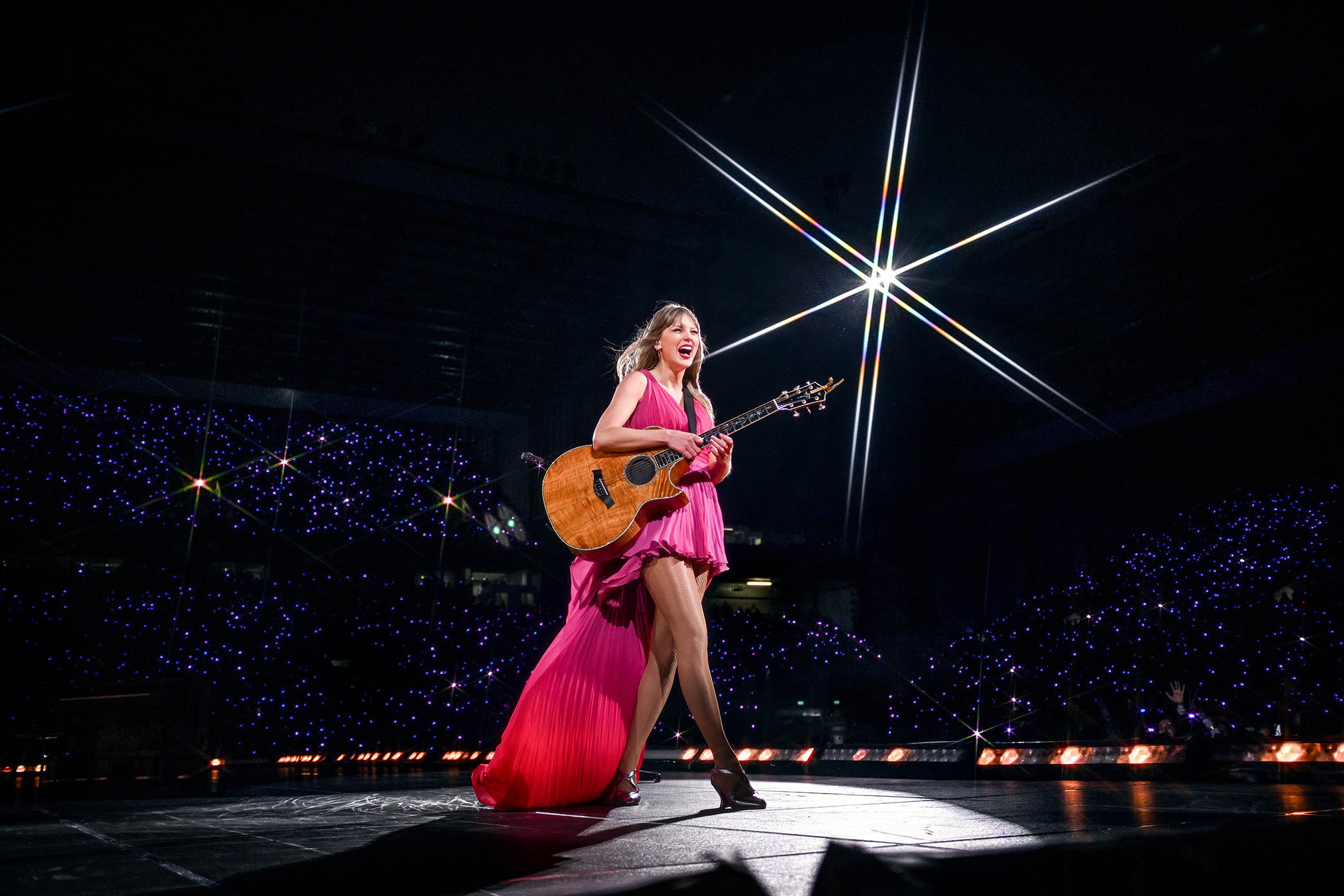
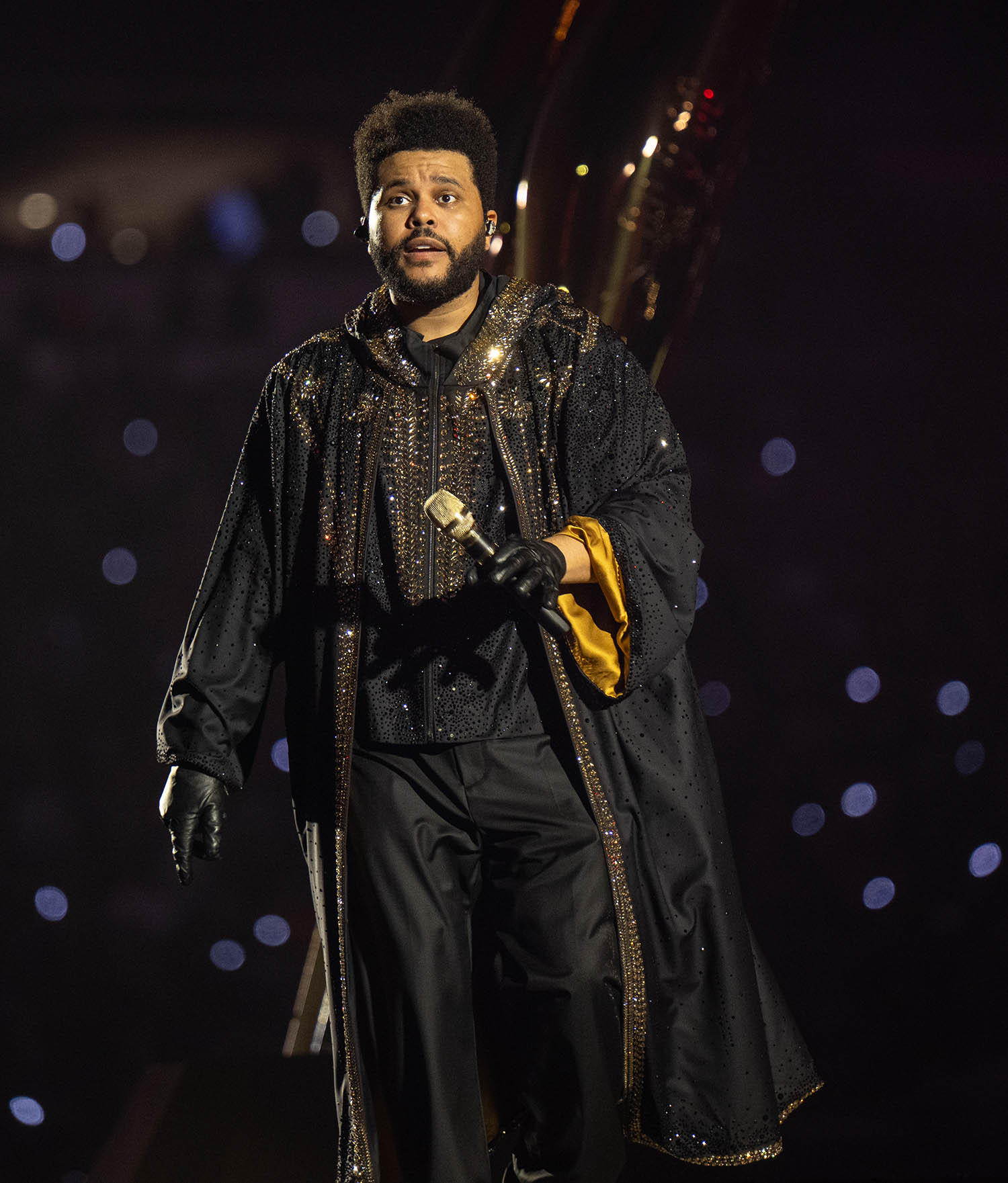
The top five artists in the world, according to Spotify’s analysis of its 713 million users, were Bad Bunny, Taylor Swift, The Weeknd, Drake and Billie Eilish. This, in a slightly different order, is the same as last year. Despite there being more than 100m tracks on Spotify, and an estimated 100,000 new songs uploaded across streaming platforms each day, the acts at the top of Spotify increasingly represent a monoculture.
“Music has become a kind of lifestyle choice,” says Crispin Hunt, a songwriter and producer who is president of the rights management organisation PRS for Music. “Because nobody can be bothered to dig deep into Spotify, you are basically turning on the radio without any DJs.”
In a field with gatekeepers at every level, Spotify is queen bee. Last year it paid out $10bn (£7.7bn) to the rights holders of music, such as labels or publishers – more than any other streaming service. It points out that this is more than 10 times the contribution of the largest record store when CDs were all the rage. Musicians, by contrast, have long criticised the company’s payouts, and some have started boycotting the service, encouraging fans to do the same.
Still, Spotify’s user base represents nearly half of the UK streaming market and roughly a third globally. This gives it a unique power to shape the tastes of a world of listeners, and, by extension, to make the careers of artists.
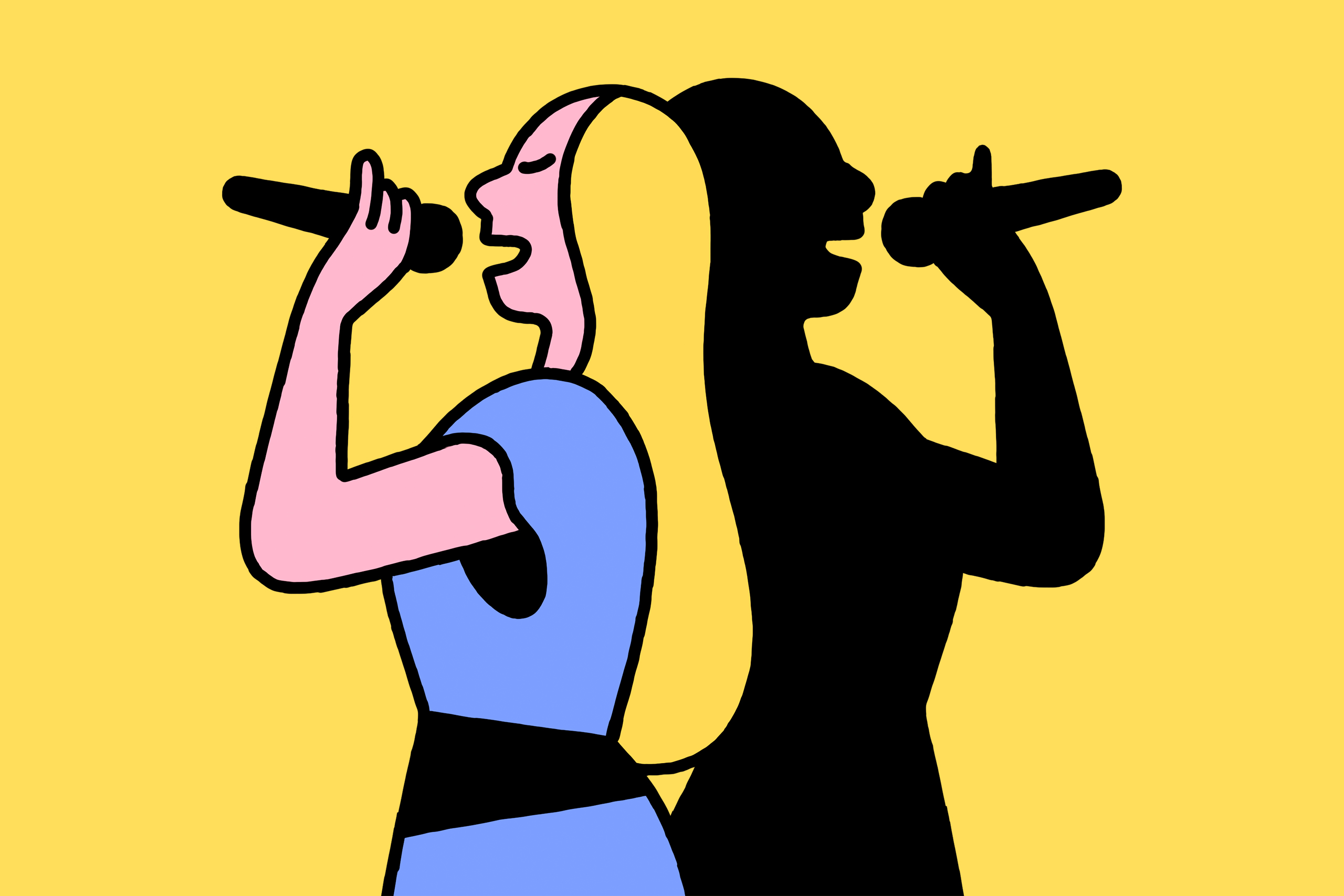
Spotify users can choose from nearly the entire history of recorded music, but they are also served suggestions by the platform’s algorithm.
“ Every time I open up Spotify, it’s trying to get me to listen to pre-made playlists,” says Jarrett Fuller, host of the design podcast Scratching the Surface. “These are algorithmically generated, based on what it thinks I will like.
“Streaming platforms are motivated by profit. And how do they make profit? You listen to more things. So by making an algorithmically generated playlist that can go on for ever, it actually increases listens because you’re not searching for things.”
In recent years, people have also complained about their Spotify Wrapped, suggesting they do not feel responsible for its contents. Their tastes appear to have become separated from what they listen to on the platform.
“Passive listening was not a cultural term 10 years ago,” says Drew Thurlow, an industry executive who ran the music team for the streamer Pandora. “ A lot of people are hearing music they’re not necessarily engaging with or even know what it is.”
Newsletters
Choose the newsletters you want to receive
View more
For information about how The Observer protects your data, read our Privacy Policy
The nuts and bolts of the Spotify algorithm are unknown, but the platform offers content to users based on trends, genres and pre-existing behaviours. It chooses which songs are on curated playlists and where playlists appear on a user’s homepage. “If many users interact with a specific search result,” Spotify says on its website, “we are likely to recommend that result to other users who search for similar things.” This, naturally, has a winnowing effect that benefits artists who have already built up large listener bases.
Many up-and-coming artists, vying for success and a piece of the revenue pie, find streaming platforms to be a sobering experience.
“We’ve increased the amount of recorded music in the world by a factor of 10 in 10 years,” says Thurlow. “And that’s because of the democratisation of digital technology all over.
“For artists trying to come up now and compete, there’s just more competition and more people making music. I say to artists who complain: ‘Not everyone can play in the NBA.’”
America’s basketball is an imperfect analogy. No player comes up against Michael Jordan any more, but every artist on Spotify is still swimming in the same pool as the Beatles. Catalogue tracks, defined as music older than 18 months, account for nearly three-quarters of global streams. Six of the top 10 songs on Spotify this year are from 2024.
Streaming services have been transformative for artists, making it easier than ever to release music to a wide audience. But getting noticed is a different matter when a handful of stars dominate. Hunt thinks it will be detrimental if this pushes artists, as some suspect it does, towards making playlist-friendly tracks that please the algorithm.
“Music has always played a crucial role in articulating life’s razor’s edge,” he says. “It would be a massive loss if it became a safety razor by mistake.”
Spotify declined to comment.
Listen to Spotify Wrapped 2025 and How to Have Good Sex on Film, the 3 December episode of the We Have Notes podcast with Miranda Sawyer and Liv Little
Photographs by Gareth Cattermole/TAS24/Getty Images, Prince Williams/WireImage, Maya Dehlin Spach/FilmMagic