


It’s 7am on a Thursday in late May. I’ve been awake for 24 hours, eight of them spent sitting outside the room of a 17-year-old girl who requires a visual check every 30 minutes.
I’m not alone – physically, anyway. My new colleague is beside me; he’s from the agency, too. He’s worked six nights a week for eight weeks, and at the beginning of our shift he told me that he doesn’t sleep much during the day. Now I know why. He sleeps all night.
“Have you ever used a ligature cutter?” he asks. I’m weary so I barely make out what he says.
He unboxes the black package on the windowsill. I squint, trying to grasp the tool’s purpose. It’s the size of a fist and doubles in length when in use. There’s a hook, like the one on a clothes hanger, but stronger.
“It cuts someone down,” he says. He mimes using the device, making a noise that sounds like a slice. “When they’re hanging,” he confirms, and motions toward the girl’s door.
She’s a hanging risk, I discover nine hours into my shift – and neither of us has received any training on how to use the cutter. It’s just there. A box ticked.
“I think I could do it, though. It seems easy,” my colleague almost boasts. I feel sick at the thought of the young girl’s life in our useless hands.
This home is hidden away at the end of a long road in Derbyshire. But it is a home. It’s a place where a family lives, despite all the problems.
Related articles:
As you get near, light spills out from inside, and the sound of music and games. The staff here work tirelessly to create kindness and compassion in a system that incentivises neither.
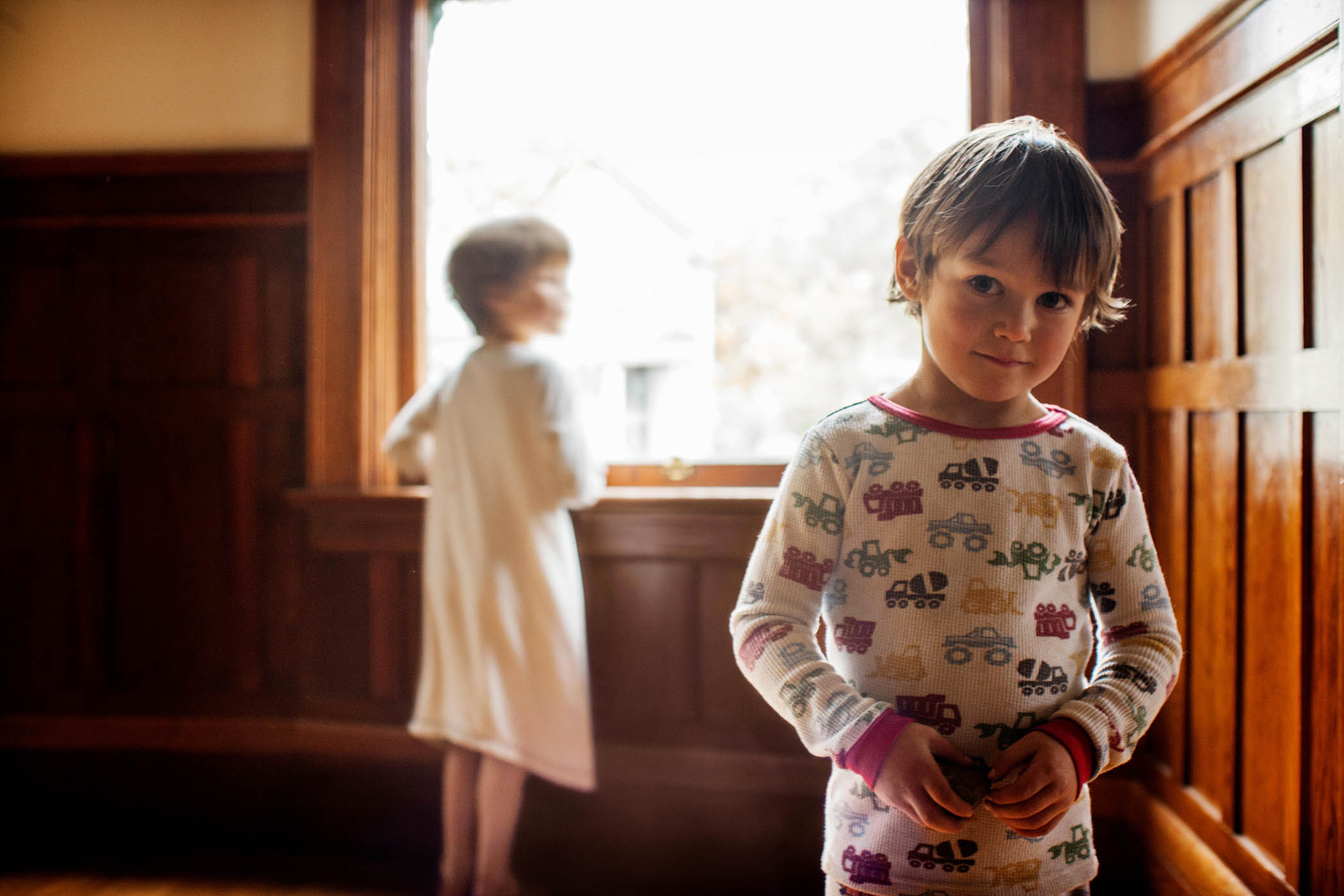
The girl is a teenager and, in many ways, it shows. She loves Taylor Swift, she wears Stitch pyjamas, and she refers to TV presenter Rylan Clark as her “husband”. She laughs knowingly when we watch The Inbetweeners, and she’s excited to go to Pride at the weekend. Her outfit has been planned for an entire month.
Newsletters
Choose the newsletters you want to receive
View more
For information about how The Observer protects your data, read our Privacy Policy
Before setting up on the landing that night, my colleague and I were given one instruction from the permanent staff heading to bed: if an incident occurs “just come and get us”.
But if there was a problem, would it really be the best use of our time to just go and get them?
Home two
On an unassuming street somewhere in the north-west of England is a children’s home. From the outside, nothing would tell you it was any different from the family homes all around.
There is a tall security fence at the back of the home, and it’s a worry. The young people living in the home cannot play outside for fear that one boy might climb the fence and fall onto the other side. He’s 14 and wants fresh air. Each time he asks, he’s told no.
The two young people who live here are deeply vulnerable, and cared for as a parent cares for a child. Each night, when they’re taken to bed, they’re told, “I love you.” They return the sentiment in the way they are capable of.
If it were up to the full-time workers at this home, life for the young people might be different. Instead, they have to follow care plans set down by their local child and adolescent mental health services branch (CAMHS). Often, they do this reluctantly.
“His social worker is a fucking idiot,” the senior carer says. It’s not the first time she has criticised this social worker. I’ve lost count of how often she’s done it.
Her attitude strikes me as unprofessional – this is a vulnerable young person’s home. It needs to be calm, but her frustration is genuine.
One of the young people, who is non-verbal, has lived in care for several years, mostly here. He’s 50 miles away from his family, and he’s not an anomaly. The young girl in Derbyshire was placed more than 70 miles from her family. Now she’s 90 miles from them.
I listen as the senior carer, the boy’s key worker, explains the reality of life for the young person she is so clearly fond of. It’s shocking.
He is autistic and has what’s known as a global developmental delay. He communicates using only one sound: “Dee”. Sometimes he says it once, other times twice. Somehow his care team seem to know what he wants.
Here is a child who has known more trauma than most of us experience in a lifetime
Here is a child who has known more trauma than most of us experience in a lifetime
When he came into care, he presented with a behaviour she called “probing” – a word I was not familiar with. I discovered this meant he would remove faeces from himself, smear it or sometimes eat it. Since he came here, staff have supported his toilet training and helped reduce his probing. But he can regress when he experiences high anxiety.
His social worker visits every couple of months and is keen for him to spend more time with his parents. He sees them about once every six weeks. His social worker believes he is missing them, and that causes his anxiety.
But his senior carer says it is contact with his parents that spikes his anxiety. If it were up to her, he’d have less contact with them, perhaps none at all.
When he came into care, the boy was seriously malnourished. He’d lived with his dad and his dad’s partner and spent most of the time locked in his room. He resorted to eating faeces because he was rarely cleaned and often hungry. In her opinion, the primary reason for the boy’s probing is that he was never taught not to.
It is believed that he was seriously abused in other ways before he came into care. His initial physical examinations and responses showed significant signs of it. From the limited information they have available to them, some in the team looking after him believe the perpetrator of the abuse is still being allowed access to the boy.
The young person, being non-verbal, can’t confirm if or how he was abused, so he can’t make an argument for the access to stop.
Here is a child who has known more trauma than most of us experience in a lifetime. Around him are adults – carers and social workers – who cannot agree on what is best for him. It simply does not seem good enough.
Home three
On a Zoom interview for a third home in the north west, I am pleasantly surprised by the formality.
“My boys are never still,” the manager says, proudly, and I instinctively smile at her use of that possessive pronoun. Three boys live here. I’m given an overview on the one who presents the most challenges. He’s the middle one, aged 12, from Blackpool. He’s been in care since he was eight, and he’s lived at this place almost 50 miles from his home for almost three years.
I’m told he is unpredictable. “Incidents” are more frequent, last longer, and cause greater risk for others in the house.
Awaiting his arrival, I’m nervous in a way I’ve not been yet. I’m afraid I won’t be equipped to support him, or that I won’t find it within me to help.
But when he comes home, he introduces himself to me immediately. His eyes are piercing blue. I tell him my name and ask him about his day, and soon we’re working together with child-friendly screwdrivers to dismantle a small toy – his favourite pastime.
His voice is loud, and he repeats words and questions countless times, seeking reassurance. The staff are patient, they praise him, allow him space, but are quick to ground him when he becomes “heightened”.
In the early evening sun we go into the garden to play. He laughs raucously as I chase him in a game of tig, and takes great pleasure when he catches me. His regular staff laugh too; they’re glad to see him happy, and it feels genuine.
But he can’t regulate his own enjoyment, and soon I see first-hand what is meant by a “heightened” state. He spits at me. The young women on shift are stoic and measured. They bring him inside, wrap him in a weighted blanket and hold his hand. He begins to bite them, and I bring cushions to protect them.
“Please don’t bite me,” they ask calmly.
“I can’t help it,” he repeats – and I believe him.
The boy continues to play up as I sit in the office with the team leader filling out the day’s reports.
“Have you been told what’s happening to him?” she asks. I haven’t.
She tells me that within 28 days the boy will have to leave this place. He’s been deemed a danger to himself and others, and the home has decided it can no longer meet his needs. “We all sobbed when we found out,” she says. “We’re family.”
The logistics of a move are brutal. The boy’s local authority must first attempt to find him a suitable home that has space. If by the 28th day it hasn’t, the boy will be removed from his home of three years and taken to an Airbnb or a hotel where he’ll be looked after by a carousel of staff he doesn’t know.
He could end up anywhere. He could be miles from this home, and too far away to attend the same school. If the only available home is in Scotland, or the only available hotel room is in Kent, that is where he will go.
This young person has a confidential file reserved for senior staff. “It’s big,” the carer tells me, “and it’s a tough read.”
His mum has schizophrenia and he’s expected to receive the same diagnosis before long. The team leader is quick to praise the bond between the boy and his mother: “They love each other with everything they have,” she says. “She tries her best. She’s not a perfect person, but she’s been failed by the system, and now he’s being failed too.”
When this young boy moved from this home almost three years ago, his mother also moved, to be closer to him so that she could make her weekly two-hour visit. Could she follow him when he moves again? It seems unlikely.
And what does this mean for the 12-year-old boy with the piercing blue eyes?
“Oh, it will be a massive trauma. It’s going to be awful. He knows the number for the house and will call it. I don’t know what we’ll do. It’ll be horrible.”
Before we clock off for the night, the team leader gives in to the boy’s incessant calling of her name. She goes upstairs, hugs him in his bed and wishes him goodnight. He stops crying, and when I return the next morning, he’s had a peaceful night.
Charlotte Reck was fully qualified, trained and cleared for all the work she undertook as part of this project. All of the money she was paid as an agency worker will be donated to a relevant charity. This is the first article in a multi-part series.
Photographs by Trevor Appleson