


The UK is increasingly “flying blind” in key policy areas as the quality of official statistics declines, experts have warned.
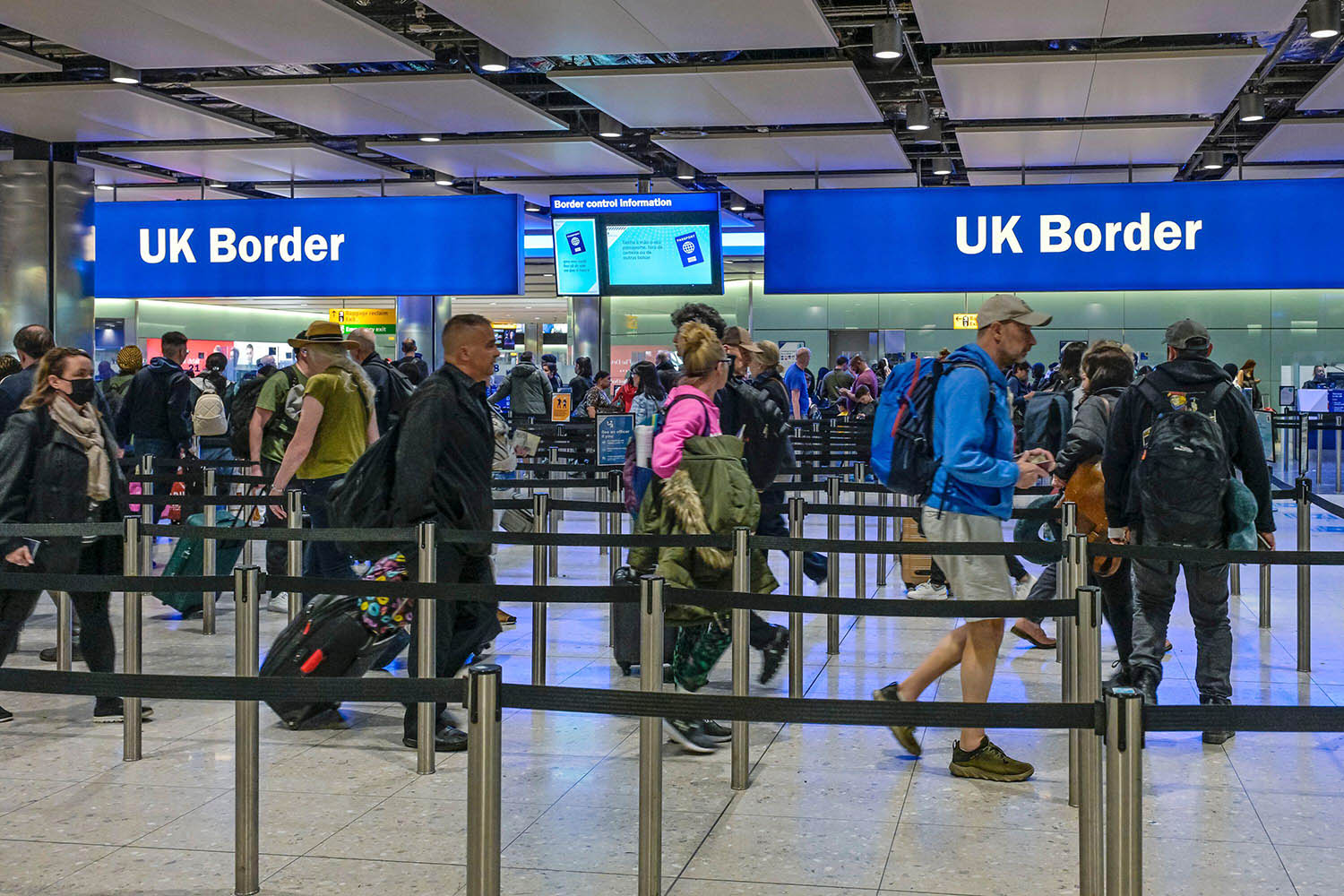
In November, the Office for National Statistics (ONS) admitted that it had overreported net migration by a fifth in 2024 – the provisional figure of 431,000 was revised down to 345,000 – renewing concerns about the reliability of its data.
The ONS also said it undercounted both immigration and emigration, with estimated emigration of British nationals revised up from 77,000 to 257,000 last year.
The ONS has faced data quality issues with several of its leading studies in recent years, and this is reflected across UK statistics. Since the beginning of 2024, a total of 30 releases, including 13 from the ONS, have lost their “accredited official statistics” designation – the highest quality mark the UK Statistics Authority can bestow.
To put that into context, there were 30 de-designations in the entire period from October 2015 to the end of 2023.
These errors matter because ONS data underpins decision-making at the highest levels of government, including by the Office for Budget Responsibility, often providing the best available information about what is happening in the country. Without high-quality data, policy decisions will be made without a complete understanding of their impact.
Nine of the 30 recently de-designated releases stem from the labour force survey, which provides crucial statistics on employment. It lost accreditation in 2024 after plummeting survey response rates sparked quality concerns.
Isaac Delestre, a senior research economist at the Institute for Fiscal Studies (IFS), believes that because of this, it has probably understated employment by roughly a million people compared with the more accurate PAYE tax data.
While policymakers can turn to His Majesty’s Revenue and Customs data as an alternative in this case, not every struggling survey has a comparable backup.
Peter Levell, deputy research director at the IFS and an expert adviser to the ONS, said that declining response rates were a challenge affecting the entire research industry, not just the ONS and it is for this reason that migration numbers have been revised; use of survey data has been phased out in favour of using administrative data such as visa information, which is widely considered to be more accurate.
Newsletters
Choose the newsletters you want to receive
View more
For information about how The Observer protects your data, read our Privacy Policy
The flurry of de-designations is unlikely to inspire confidence among casual observers. But the ONS maintains that de-designating statistics is a measure of transparency, letting users know that while surveys are still conducted rigorously, there is uncertainty in the results.
It is also designed to be temporary: the crime survey for England and Wales was de-designated in 2022, then reaccredited in 2024 after being improved. The ONS argues that the wave of de-designations also indicates it is doing much-needed work to improve statistical quality.
Data quality issues may have been exacerbated by organisational problems at the ONS. Earlier this year, a damning review by Sir Robert Devereux, a retired career civil servant, described a culture of defensiveness where staff felt unable to raise the alarm about bad statistics.
A large-scale reorganisation at the top of the ONS is intended to address that culture, with recruitment currently under way for a new national statistician to steer reform.
An ONS spokesperson said restoring the quality of its core statistics would be “top priority”, with recovery plans in place for surveys and economic statistics.
Whether these changes can rebuild trust in the UK’s statistical infrastructure remains to be seen.
Additional reporting by Hannah Schuller
Photograph by Michael Wheatley/Alamy